 tradivior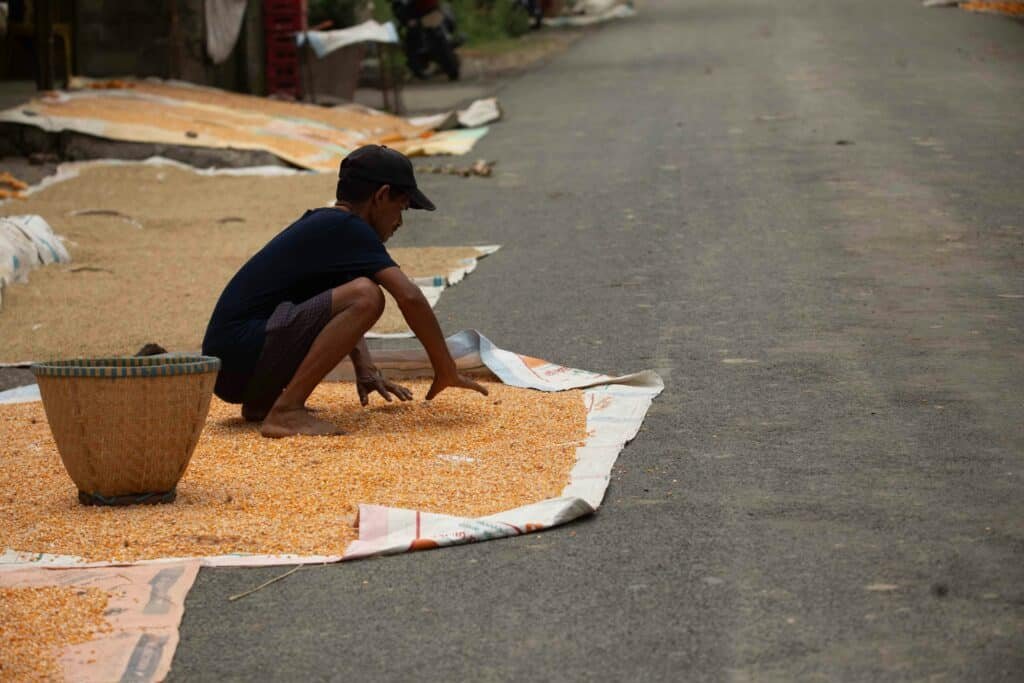
In this investigation
Sun drying is preservation reduced to first principles: remove enough water and life slows down. Fruits, grains, fish, meat, herbs, chillies, vegetables and dairy products have all been dried in open air or sun across climates where heat, low humidity and seasonal abundance made the method practical.
Why moisture matters more than “dryness” looks
Microorganisms need available water. Drying lowers both moisture content and water activity, reducing the water that bacteria, yeasts and moulds can use. When water activity falls sufficiently, microbial growth slows dramatically or stops. Enzymatic reactions also slow, extending shelf life.
This makes drying fundamentally different from cooking. Heat during drying can kill some organisms, but preservation mainly comes from making the finished environment too dry for growth. A dried food can still contain living microbes that remain dormant until moisture returns.
THE RECORD
Sun drying repeatedly emerged where climate could do useful preservation work for free. It converted short-lived harvests and catches into lightweight stores that could survive seasonal gaps and travel.
Why the Sun was an ideal preindustrial dryer
Drying requires energy to evaporate water and moving air to carry moisture away. Sunlight, warm air and low relative humidity provide both without fuel-intensive equipment. In arid and semi-arid regions, the landscape itself becomes part of the preservation technology.
That advantage is economic as well as biological. A household can preserve surplus with mats, roofs, racks, stones or simple shelters rather than metal vessels, salt mines or constant firewood. Dried foods are also lighter than fresh foods, reducing transport costs.
Drying helped bridge seasons
Fresh produce arrives in pulses. Apricots ripen at once; fish runs can be seasonal; leafy vegetables can be abundant during a short window. Drying turns time-limited abundance into stored calories, flavour and micronutrients.
For pastoralists, farmers, fishers and traders, that could reduce dependence on daily fresh supply. Dried foods could provision journeys, winters and lean periods. The method therefore belongs as much to food security as to cuisine.
But sun drying is not sterilization
Modern food microbiology is clear on this point. Low-water-activity foods are usually resistant to microbial growth, but pathogens can survive dehydration for long periods. Some become more resistant to heat under low-water conditions. Dried foods can also be contaminated during handling by dust, animals, insects, soil or dirty surfaces.
The practical rule is therefore two-part: dry sufficiently, then keep the food dry and protected. Rehydration during humid storage can restore conditions for microbial growth.
THE EVIDENCE
Moisture reduction reliably inhibits microbial growth by lowering water activity. It does not guarantee that pathogens are killed, which is why hygienic drying and moisture-proof storage remain essential.
Mould is the traditional method’s major enemy
If drying is slow, uneven or interrupted by humidity, moulds can colonize food before water activity falls far enough. Some moulds can produce mycotoxins, including aflatoxins in susceptible crops. Once such toxins are present, simply finishing the drying process does not necessarily remove them.
This explains traditional preferences for thin slicing, turning foods, using dry windy days and discarding visibly mouldy material. Faster moisture removal reduces the time food spends in the danger zone between fresh and stably dry.
Sunlight can preserve and degrade at the same time
Drying extends shelf life but can reduce quality. Heat and oxygen can degrade vitamin C, some carotenoids and aroma compounds. Fats can oxidize. Colour can darken. Proteins and sugars can undergo browning reactions. The degree of loss depends on temperature, exposure time, oxygen, food thickness and pretreatment.
The historical question was often not whether dried food perfectly matched fresh food nutritionally. It was whether some food in the dry season was better than no fresh harvest at all.
Drying can concentrate nutrients—and calories
Removing water makes nutrients more concentrated by weight. Dried fruit therefore contains more sugar and calories per gram than the same fruit when fresh, even when no sugar is added. Minerals are generally retained, while heat-sensitive vitamins may decline.
This is neither automatically good nor bad. Concentrated energy was useful for travellers and winter storage. In modern sedentary settings, portion size can matter because a small volume of dried food represents a larger amount of original fresh material.
Why traditional drying often combined with salt or smoke
Drying becomes safer and faster when paired with other preservation hurdles. Salt draws out water and lowers water activity. Smoke deposits antimicrobial compounds while also drying the surface. Acidification can further inhibit pathogens.
Fish and meat traditions frequently use these combinations because animal foods are especially perishable and nutrient-rich for microorganisms. The resulting product is not preserved by one mechanism but by several overlapping ones.
Solar dryers modernize the same principle
Enclosed solar dryers preserve the core logic of sun drying while reducing exposure to dust, insects and animals and improving airflow and temperature control. They illustrate continuity rather than replacement: modern engineering can make a traditional mechanism more predictable without changing its basic physics.
Different foods dry at different speeds
A grape, a fish fillet and a leafy herb do not lose water at the same rate. Skin, fat, thickness, sugar concentration and tissue structure determine how rapidly moisture can migrate from the interior to the surface and evaporate. Traditional preparation therefore often includes slicing, splitting, pounding or opening foods to increase surface area.
Drying too slowly can leave food at moisture levels favourable to spoilage for too long. Drying too aggressively can harden the surface and slow later moisture movement from the centre. Even simple sun drying is therefore a controlled heat-and-mass-transfer process.
Climate determines whether the method works
Strong sunlight is useful, but humidity and airflow are just as important. High relative humidity slows evaporation. Night condensation can re-wet partially dried foods. Rain can reverse hours of progress. Warm humid regions may therefore rely more heavily on salting, smoking, fermentation or enclosed drying than on unprotected open-air dehydration.
This environmental dependence helps explain regional preservation traditions. Techniques often reflect local heat, wind, rainfall, insect pressure and fuel supply rather than arbitrary cultural preference.
Thin layers and turning make drying safer
Moisture has farther to travel from the centre of a thick piece than from a thin slice. Filleting fish, cutting fruit, shredding vegetables and spreading grains in shallow layers reduce diffusion distance and increase exposed surface area. Turning food exposes damp surfaces and prevents one side from staying wet against a mat or tray.
These apparently simple steps reduce the time food spends in the intermediate zone where it is warm but still wet enough for microbial growth.
Open-air drying creates contamination risks
Food placed outdoors is exposed to dust, flies, beetles, birds, rodents and domestic animals. These can consume the product or introduce microorganisms. Traditional raised racks, woven covers, smoke and careful placement can reduce exposure but do not eliminate it.
Enclosed solar dryers modernize the same low-energy principle by screening food from pests while improving airflow. They demonstrate how a traditional mechanism can be retained while one of its main hazards is engineered down.
Storage can undo successful drying
Many dried foods absorb moisture from humid air. Once water activity rises again, moulds and other organisms can resume growth. The preservation process therefore has two stages: remove enough water, then prevent the food from taking it back up.
Traditional sealed jars, elevated granaries, dry containers and periodic re-drying all address this second problem. Modern moisture-barrier packaging does the same job with greater consistency.
Animal foods need additional hurdles
Meat and fish can support serious pathogens and also undergo oxidative rancidity. Traditional methods therefore often combine drying with salt or smoke. Modern jerky production may add a validated heating step because dehydration is much better at preventing microbial growth than at killing organisms already present.
This distinction explains why a low-moisture food can still be implicated in outbreaks. Dormant pathogens may survive for long periods even when they cannot multiply.
Drying also creates new flavours
Removing water concentrates sugars, acids, salts and aromatic compounds. Tomatoes become sweeter and more savoury, fruits taste more intense and mushrooms become concentrated sources of umami. Browning and oxidation can create additional flavour molecules.
This helps explain why dried foods persist after refrigeration. Preservation may have created the technique, but the transformed sensory identity became worth keeping.
Nutrient concentration and nutrient loss can occur together
Because water is removed, the nutrients that remain become more concentrated per gram. At the same time, vitamin C and some carotenoids, polyphenols and other heat- or oxygen-sensitive compounds can decline during drying. Minerals are generally more stable.
It is therefore misleading to call dried food either nutritionally superior or nutritionally depleted as a category. The answer depends on the nutrient, drying conditions and serving size.
What survives scrutiny?
- Drying is one of humanity’s most widespread pre-refrigeration preservation strategies.
- Its main mechanism is reduced water activity, which prevents or slows microbial growth.
- Drying does not sterilize food; pathogens can survive in low-moisture products.
- Slow or incomplete drying can permit mould growth and, in some foods, mycotoxin formation.
- Heat, oxygen and sunlight can reduce some vitamins and sensory quality.
- Dried foods are lighter, compact and useful for seasonal storage and transport.
- Salt, smoke and acidification often reinforce drying as additional preservation hurdles.
- Modern enclosed solar drying can improve hygiene while retaining the traditional low-energy principle.
Why slicing and surface area matter
Drying speed depends strongly on how far water must travel from the interior of food to the surface. Thin slices dry faster than thick pieces because diffusion distances are shorter and exposed surface area is larger. Traditional cutting practices therefore have a direct physical explanation.
Faster drying is not merely convenient. It shortens the period during which food is warm and moist enough for spoilage organisms or moulds to grow. A technique that changes shape can therefore function as a safety control.
Night humidity can undo a day of drying
Open-air drying is vulnerable to weather. Food can absorb moisture again when humidity rises overnight or when rain interrupts the process. Repeated wetting and drying extends processing time and can create conditions favourable to mould.
This explains practices such as bringing drying trays indoors at night, covering products, using raised racks or timing drying to the driest part of the season. The tradition is meteorology translated into kitchen routine.
Insects and animals are part of the risk
Sunlight may reduce moisture, but exposed food can attract flies, birds, rodents and other animals. Insects can lay eggs; dust can carry microbes; contact with soil can introduce contamination. Drying on clean raised surfaces and using mesh covers therefore matters.
Modern solar dryers improve one of the weakest parts of traditional open-air drying: they preserve access to solar heat while physically separating food from many contaminants.
Drying changes texture as well as shelf life
Water is a structural component of food. Removing it can make fruit chewy, meat tough, leaves brittle and grains stable. Rehydration never perfectly reverses these changes because cells and proteins can collapse or reorganize during drying.
These texture changes became culinary features. Dried mushrooms, chillies, fish and fruits often develop concentrated flavours that are preferred for particular dishes. Preservation again becomes cuisine.
Why some nutrients become more concentrated
When water leaves but minerals remain, nutrient concentration per gram rises. This is why dried fruit can contain much more potassium, sugar and calories per handful than fresh fruit. The absolute amount of a nutrient may stay similar while the food becomes lighter.
At the same time, oxygen- and heat-sensitive nutrients can degrade. Nutritional interpretation therefore depends on whether we compare equal weights, equal original amounts of food or equal serving sizes.
Traditional drying could reduce waste dramatically
A harvest that exceeds immediate consumption is easily lost. Drying allows households to convert surplus into a stable reserve without relying on fuel-intensive canning or refrigeration. In modern low-resource settings, improved solar drying can still reduce post-harvest losses.
This gives the method continuing relevance beyond nostalgia. The underlying problem—how to preserve perishable food cheaply—still exists in many parts of the world.
The safest modern lesson is control, not romanticism
Sun drying works because its physics are sound, not because every historical batch was safe. Better airflow, enclosed drying chambers, clean handling surfaces and moisture-proof packaging improve the same ancient process.
The tradition therefore offers a strong example of how modern science can refine rather than dismiss an old technique: keep the low-energy moisture removal, reduce contamination and measure when the product is dry enough.
Drying can preserve seeds as well as food
Grain storage reveals another dimension of drying. Seeds harvested with too much moisture are vulnerable to mould, insects and heating during storage. Lowering moisture makes cereals and pulses much more stable and allows harvests to survive until the next planting or eating season.
This function reaches beyond cuisine. Drying helped protect both food reserves and agricultural continuity. A community that could store grain safely could buffer poor weather, trade surpluses and preserve seed stock for the next crop.
Case hardening shows that faster is not always better
If the surface of a food dries much faster than the interior, a hard outer layer can form and slow further moisture movement. Modern dehydration science calls this case hardening. It can leave an apparently dry product with a wetter interior that remains vulnerable to spoilage.
Traditional drying practices that moderate heat, turn food or cut it into uniform pieces can reduce this problem. Again, observable technique can converge with physical principles without requiring formal theory.
Smoke, shade and sun create different trade-offs
Not every food benefits from direct intense sunlight. Shade drying can better preserve colour, aroma or heat-sensitive compounds in herbs and leaves, though it may take longer. Smoke drying adds antimicrobial compounds. Heated-air drying increases control but consumes energy.
The category “dried food” therefore contains multiple technologies with different nutritional and safety profiles. The optimal method depends on the food and local climate.
Storage after drying is half the technology
A properly dried product can fail if stored in a humid environment. Dried foods readily absorb moisture from air unless packaging or containers restrict exchange. Insects can also infest grains and fruits after drying.
Traditional sealed jars, bags, raised granaries and dry storage rooms were therefore part of the same preservation system. Drying without moisture-resistant storage solves only half the problem.
Why rehydration became part of cuisine
Dried foods can be eaten directly, but many are soaked or simmered before use. Rehydration restores softness while retaining concentrated flavours developed during drying. Dried mushrooms, fish, chillies and fruits can contribute different flavours from fresh equivalents.
This means preservation created new ingredients rather than merely delayed versions of old ones. Once those flavours became desirable, dried foods remained culturally important even when fresh supply improved.
A modern low-energy technology with old roots
Controlled solar drying is particularly relevant where electricity is expensive or unreliable. Enclosed systems can raise temperature, improve airflow and protect food from contamination while using renewable solar energy.
The modern engineering goal is therefore not to replace sun drying with a completely different principle. It is to make moisture removal faster, cleaner and more measurable.
Drying rate determines both quality and safety
The ideal drying process removes water quickly enough to prevent spoilage but not so aggressively that the surface hardens, flavours burn or nutrients degrade unnecessarily. That balance depends on food thickness, airflow, humidity and solar intensity. Traditional turning, spacing and slicing practices often manage exactly these variables.
Modern dryers make the trade-off visible with temperature and humidity measurements, but the underlying problem is the same one faced by household processors: move moisture from the centre of the food into surrounding air before microbes exploit the wet phase.
Drying created portable calories
Removing water dramatically reduces weight and volume. For travellers, armies, pastoralists and traders, this meant that a given amount of edible energy could be carried farther. Dried meat, fruit and grain products therefore belonged to mobility as well as storage.
Water activity also helps explain why dried foods can remain stable for months and then spoil rapidly after absorbing moisture. The preservation state is reversible: humidity, damaged packaging or incomplete drying can restore conditions in which moulds and other organisms resume growth. Safe storage is therefore part of drying, not an optional step after it.
The same principle applies after opening a package. Once humid air repeatedly enters a container, the food’s moisture balance can change. Small-scale processors therefore benefit from packaging sizes and closures that limit repeated exposure, especially in tropical climates where dried products can reabsorb water quickly.
The Tradivior Evidence Profile
Historical Authenticity — Strong. Drying fruits, grains, fish, meat and plant foods is documented across climates and cultures.
Original-Purpose Evidence — Strong. Seasonal storage, transport, weight reduction and spoilage control are direct, observable functions.
Scientific Mechanism — Strong. Water-activity reduction is a foundational and well-characterized food-preservation mechanism.
Experimental Evidence — Strong. Food science extensively documents moisture migration, microbial growth limits, quality changes and contamination risks.
Cross-Cultural Evidence — Strong. Drying independently appears in numerous societies using locally available sunlight, wind and low humidity.
Modern Relevance — Strong. Drying remains useful for shelf-life extension and food-loss reduction, increasingly with controlled or solar-assisted systems.
The Tradivior Conclusion
Historically Practical. Humans dried food in the sun because removing water was one of the cheapest and most reliable ways to slow spoilage. Modern food science strongly validates the mechanism. The tradition should not be romanticized as automatically safe: low moisture prevents growth better than it kills existing pathogens, and badly controlled drying can allow contamination, mould or nutrient loss. The enduring insight is simple and scientifically sound—control water, and you control much of microbial growth.
Continue investigating
Sources & further reading
- Çakmak H, et al. “The microbiological quality of various foods dried by applying different drying methods: a review.” Environmental Science and Pollution Research. 2021.
- Current Opinion in Food Science. “From preservation to pasteurization: reframing food drying through risk-based design and thermal functionality windows.” 2026;70:101432.
- Fellows PJ. Food Processing Technology: Principles and Practice. Woodhead/Elsevier.
- FAO guidance on small-scale food drying and preservation.
Continue exploring
Historically Practical
Why Did the Monsoon Shape Calendars and Rituals in South Asia?
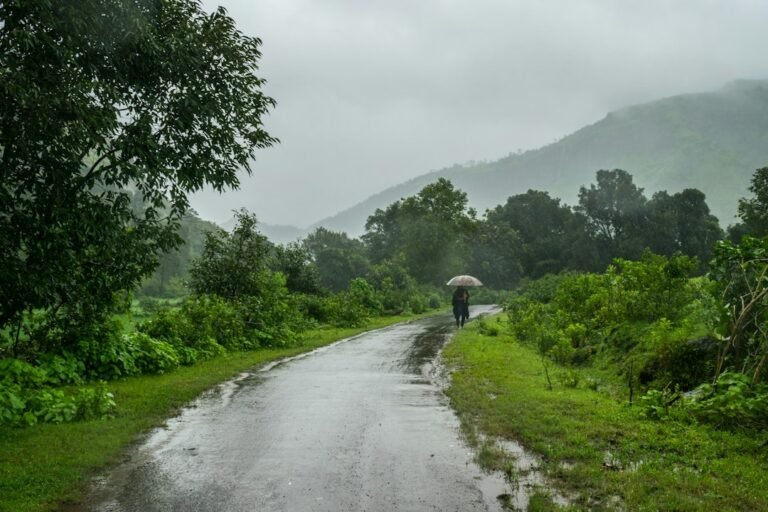
In South Asia, rain determines sowing, travel, disease risk and food security, so the monsoon naturally entered ritual and seasonal calendars. Tradivior will trace how climate uncertainty became social time.

Evidence Supported
Why Do Human Bodies Follow Daily Light-Dark Cycles?
Traditional schedules often followed dawn, daylight and darkness because artificial lighting was limited, not necessarily because people knew circadian biology. Tradivior will connect historical time use with modern evidence on…
Contradicted by Evidence
Why Did Astrology Become So Influential Across Civilizations?
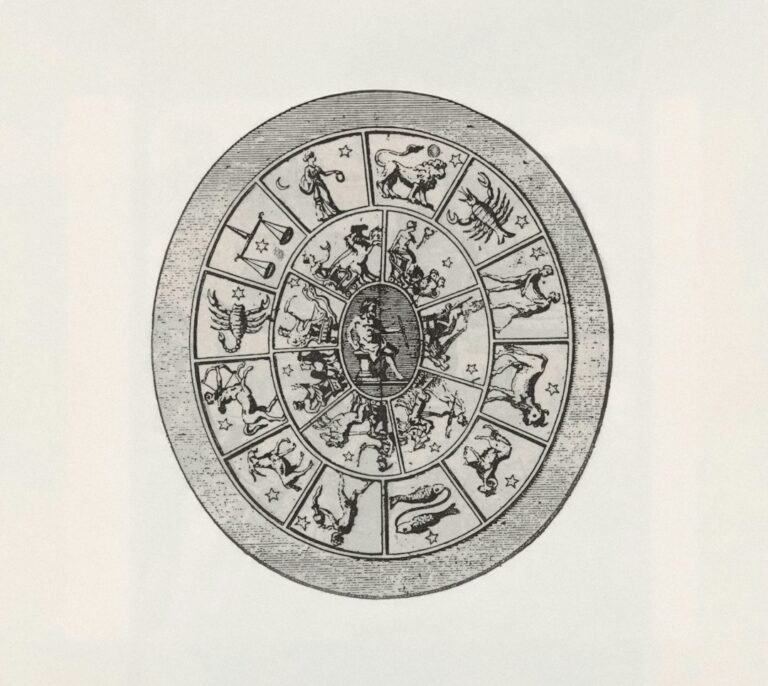
Astrology linked the sky to personality, politics, medicine and fate across South Asia, the Mediterranean, China and the Islamic world. Tradivior will trace its intellectual history and examine why it…
Historically Practical
Why Did Humans Boil Food?
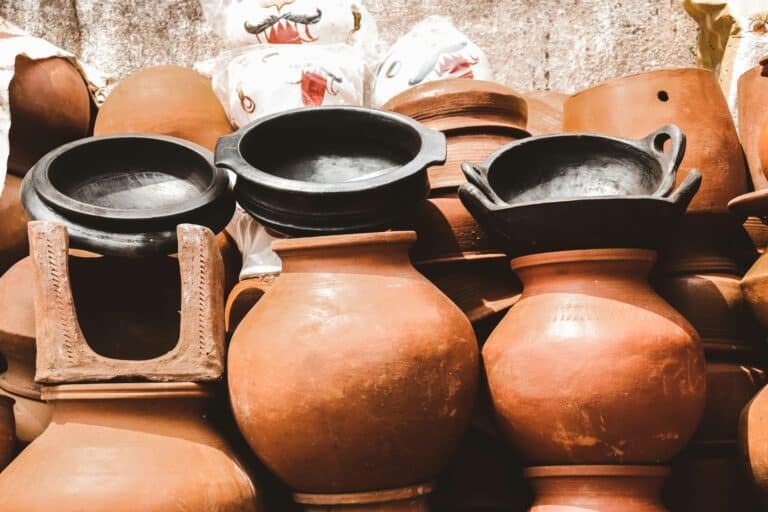
Boiling transformed human diets by making grains, pulses, roots, meat and water safer and softer in a single vessel. Heat kills most foodborne microbes and moist cooking improves digestibility, but…
Picked for your curiosity
Enable JavaScript to build a reading profile and see recommendations.