 tradivior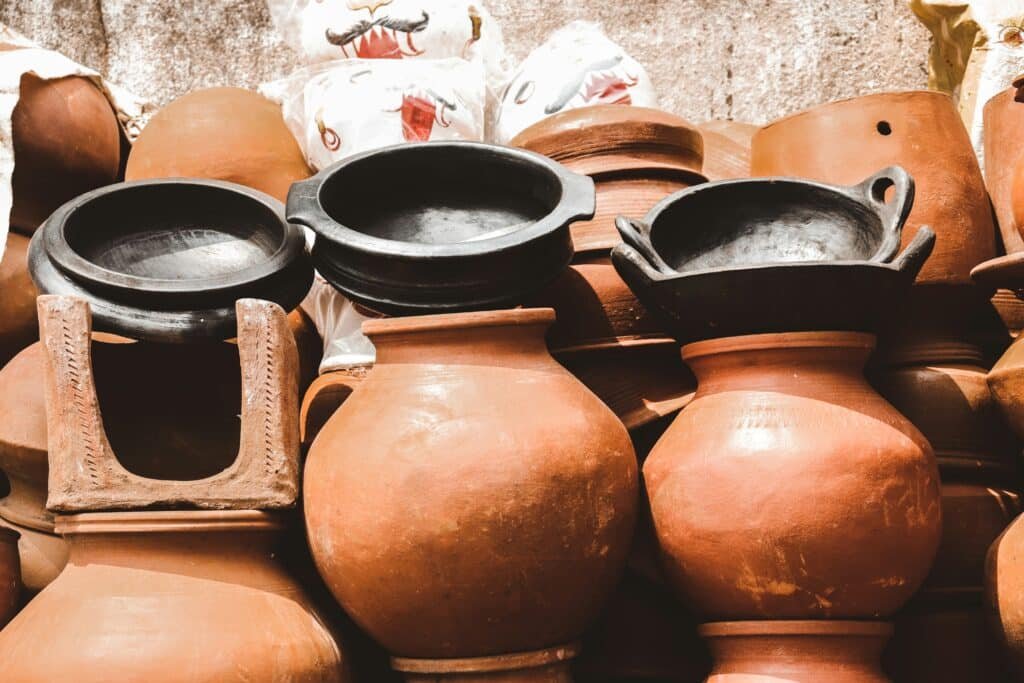
In this investigation
Boiling looks ordinary only because it was such a successful invention. Put food and water into a heat-resistant vessel and a new range of ingredients becomes practical: tough roots soften, grain starch gelatinizes, legumes become edible, collagen breaks down, soups extract nutrients and pathogens are killed.
Boiling required container technology. Once pottery, skins, baskets with hot stones or later metal vessels made sustained heating of water possible, cooking could move beyond roasting directly in flame.
Why water changes cooking
Water transfers heat efficiently around irregular food surfaces and limits temperature near its boiling point under ordinary pressure. This makes boiling gentler and more uniform than direct fire.
It also allows ingredients to exchange compounds with the cooking liquid, creating broth, soup and stew rather than simply cooked solids.
THE RECORD
Boiling became foundational because vessel technology converted water into a controlled heat-transfer medium, expanding the range of foods humans could soften, combine and safely consume.
Starch gelatinization makes staples easier to eat
When starch granules absorb hot water, they swell and gelatinize. Rice, porridge, potatoes and many other staple foods become softer and more digestible.
This can increase the energy humans obtain from plant foods compared with eating resistant raw starch structures.
Legumes require serious cooking
Raw or undercooked pulses can contain lectins and protease inhibitors that interfere with digestion or cause acute illness. Boiling denatures many heat-sensitive antinutritional proteins.
This is a major reason boiling is more than a flavour technique. It can convert a problematic raw seed into a safe staple.
Heat kills most dangerous microorganisms
WHO food-safety guidance recommends thorough cooking, noting that reaching about 70°C through the food kills most dangerous microorganisms. Soups and stews are brought to boiling to ensure adequate heating.
Boiling therefore creates a clear microbiological advantage over eating contaminated raw food.
THE EVIDENCE
Moist heat reliably destroys vegetative pathogens and denatures many harmful food proteins. It does not sterilize every food: bacterial spores can survive boiling, and some preformed toxins are heat-stable.
Boiling is not sterilization
Clostridium botulinum spores can survive ordinary boiling for long periods, which is why low-acid canned foods require higher-temperature pressure processing. Some microbial toxins may also persist after the organisms are dead.
“It was boiled” is therefore not enough to guarantee safety if storage after cooking is poor.
Water can carry nutrients away
Water-soluble vitamins such as vitamin C and some B vitamins can leach from vegetables into cooking water and may also degrade with heat. If the broth is discarded, those nutrients are lost from the meal.
Soup and stew traditions partly avoid this loss because the cooking liquid is eaten.
Minerals usually survive heat but can move into the liquid
Minerals are not destroyed by normal cooking temperatures, although they can leach into water. Again, whether this is nutritionally a loss depends on whether the cooking liquid is consumed.
Boiling can reduce some toxins
Heat and leaching can reduce cyanogenic compounds in certain plants, oxalates in some foods and other undesirable components, especially when water is discarded. The effectiveness varies by toxin and food.
Traditional soaking and boiling sequences can therefore have genuine safety functions.
It also created communal foods
A pot lets multiple ingredients and portions cook together. Stews, porridges, soups and one-pot meals can feed families while distributing expensive ingredients through a larger volume.
Boiling therefore changed social food organization as well as chemistry.
Fuel efficiency can favour a covered pot
Once water is boiling, covered simmering can cook foods without the intense heat required for roasting every surface directly. Pots also permit retained-heat cooking and, later, pressure cooking.
Fuel cost would have mattered greatly in environments where firewood or dung had to be collected manually.
Pressure cooking intensifies the same principle
Under pressure, water boils at a higher temperature, speeding the softening of pulses and tough foods. The modern pressure cooker therefore extends rather than replaces boiling technology.
For pulse-heavy cuisines, this can save substantial time and fuel.
Boiling water itself became a public-health intervention
Where drinking water may contain pathogens, bringing it to a rolling boil can inactivate bacteria, viruses and protozoa. This is separate from cooking food but relies on the same heat principle.
Traditional practices of drinking boiled water can therefore have a genuine microbial mechanism even if the historical explanation differed.
Boiling expanded the edible world
Many seeds, roots and tough plant tissues are unpleasant or unsafe raw. Sustained moist heat softens cell walls, gelatinizes starch and denatures proteins, making a far wider range of foods digestible.
The importance of boiling is therefore evolutionary and technological: it increased the usable food landscape available to humans with suitable containers.
Container technology came before the modern pot
Water can be heated in pottery, skins, watertight baskets or pits using hot stones. Archaeologists therefore distinguish boiling as a cooking principle from pottery itself.
Once ceramic vessels became common, sustained simmering became easier, more controllable and more portable within household kitchens.
Starch gelatinization is one of boiling’s largest nutritional effects
Raw starch granules can resist digestive enzymes. Heating them in water causes swelling and gelatinization, allowing enzymes easier access after eating.
This improves the digestibility of rice, potatoes, grains and many porridges and helps explain why cooked starch became foundational to human diets.
Legumes demonstrate why heat can be a safety technology
Some raw beans contain lectins and protease inhibitors that can cause acute gastrointestinal illness or reduce nutrient utilization. Adequate boiling denatures many of these compounds.
Undercooked kidney beans are a modern reminder that not all traditional long cooking was culinary excess. In some foods, heat is essential.
Cassava and other toxic plants require process-specific treatment
Certain cassava varieties contain cyanogenic compounds. Soaking, grating, fermenting, boiling and discarding water can reduce exposure, but the correct method depends on the food and toxin.
Boiling is therefore one tool among several. It should not be assumed to neutralize every plant toxin automatically.
Foodborne pathogens are highly sensitive to adequate heat
Vegetative bacteria, parasites and many viruses are destroyed when food reaches sufficient internal temperature for sufficient time. This is why boiling and simmering remain core public-health cooking methods.
Visible bubbling in the pot, however, does not guarantee that every dense piece of food immediately reached the same temperature. Time still matters.
Boiling is not sterilization
Some bacterial spores can survive ordinary boiling, and certain preformed toxins are heat-stable. Low-acid canned foods are a classic example: pressure canning is required because ordinary boiling temperatures are not enough to reliably control botulism spores.
Storage after cooking therefore remains part of food safety. A boiled meal left warm for hours can become unsafe again.
The cooking liquid determines whether leached nutrients are lost
Vitamin C and several B vitamins can move from vegetables into water and may also degrade with prolonged heating. Minerals can leach into the liquid even though heat does not destroy them.
Soup, dal and stew preserve much of this leached material because the liquid is eaten. Boiling vegetables and discarding the water creates a different nutritional result.
Short boiling and long simmering should not be treated as one method
Blanching leafy vegetables for a minute, boiling potatoes for twenty minutes and simmering broth for hours expose nutrients to very different thermal histories.
Nutrition claims about “boiling” need to specify time, food size and whether the cooking liquid is consumed.
Boiling can reduce oxalates and other soluble antinutrients
Some soluble oxalates and other compounds move into cooking water. When that water is discarded, the food can contain less of the unwanted component.
The trade-off is that desirable water-soluble nutrients can leave at the same time. Processing always involves choices rather than one-way improvement.
Broth turns extraction into food
When meat, bones, vegetables and aromatics simmer together, water extracts soluble compounds and disperses fat, gelatin and flavour through the liquid. The result is not simply “nutrients destroyed by heat.”
Cooking creates new textures and transfers components between ingredients and broth.
Collagen conversion explains why tough cuts soften
Long moist cooking converts collagen in connective tissue toward gelatin, making tough meat more tender. This allows less desirable cuts to become edible and extends the value of an animal carcass.
Stewing therefore has economic as well as culinary importance.
Porridge can make grain easier for children and older adults
Boiled cereals can be diluted and softened into textures suitable for people with limited chewing ability. Across cultures, porridges often appear as weaning foods and foods for illness or old age.
Safe preparation matters, because overly diluted porridges can become energy-poor for infants even when easy to swallow.
Pressure cooking extends boiling by changing the boiling point
Under pressure, water reaches temperatures above 100°C before boiling. This speeds the softening of beans, grains and tough tissues.
In pulse-heavy cuisines, pressure cooking saves fuel and time while achieving the same general moist-heat goals more efficiently.
Fuel use helped shape cooking traditions
Firewood, charcoal, dung and later gas or electricity all have costs. A long simmer may be nutritionally useful but expensive where fuel is scarce.
Soaking beans, using lids and pressure cooking are all ways of reducing the energy required for the same final texture.
Boiling water is a separate public-health intervention
When drinking water may contain pathogens, bringing it to a boil is a reliable household treatment against many bacteria, viruses and protozoa. This is one of the clearest modern safety mechanisms associated with boiling.
It does not remove dissolved chemicals such as arsenic and can even concentrate some nonvolatile contaminants as water evaporates.
The strength of boiling lies in its versatility
One simple technology can soften food, kill microbes, reduce selected toxins, create broth, feed groups and make dry staples edible. Few cooking methods solve so many problems at once.
That practical versatility is enough to explain its global persistence without imagining a hidden theory of microbiology.
Boiling also made communal kitchens easier to organize
A large pot can feed many people from one fire. Grains, pulses, vegetables and smaller amounts of meat can be distributed through soups, stews or porridges.
This gives boiling an economic advantage in households, armies, monasteries and communal feeding systems where fuel and ingredients must stretch across many servings.
The pot can reduce waste by making tougher ingredients edible
Stems, bones, tough cuts, older grains and dry pulses can all become useful after long moist cooking. The technique therefore extracts value from foods that might otherwise be discarded.
That practical efficiency may have mattered as much historically as flavour.
Modern cooking should preserve the safety principle, not the longest possible boil
Once food is safely cooked and texture is achieved, additional heat may waste fuel and degrade heat-sensitive nutrients. Pressure cooking, steaming or shorter boiling can often reach the same goal more efficiently.
The enduring lesson is adequate thermal processing matched to the food, not endless heating as a virtue in itself.
Boiling transformed food safety because it combined heat with water
Dry heat can char the outside of food before the centre is safely cooked. Water distributes heat more evenly through irregular ingredients and can carry heat into dense grains, roots and legumes. That made boiling especially useful for staple foods that were difficult to cook safely over direct flame alone.
The effect is practical rather than mystical: water is an efficient heat-transfer medium, and sustained moist heat changes both microorganisms and food structure.
Boiling made many pulses reliably edible
Raw or undercooked legumes can contain lectins, protease inhibitors and other antinutritional compounds. Kidney beans are a classic example: inadequate cooking can leave enough phytohaemagglutinin to cause acute gastrointestinal illness.
Proper boiling denatures many of these heat-sensitive compounds while also softening the seed structure. Traditional long cooking therefore had a clear safety function even before the responsible molecules were known.
Boiling can also reduce some toxic plant compounds
Cassava, certain wild plants and some leafy vegetables contain naturally occurring compounds that require careful processing. Boiling can reduce risk through heat degradation and leaching into discarded water.
The details are food-specific. A method that works for one toxin cannot be assumed to make every poisonous plant safe.
Cooking water can be either waste or food
Water-soluble vitamins and minerals can move from food into boiling water. If that water is discarded, some nutrients are lost. If it becomes broth, dal, soup or stew, much of the extracted material remains in the meal.
This is one reason one-pot traditions can preserve nutrients differently from boiling vegetables and pouring the liquid away.
Boiling is not sterilization
Vegetative bacteria, many viruses and parasites are highly vulnerable to adequate heat, but some bacterial spores can survive ordinary boiling. Certain preformed toxins can also remain after the organism that produced them has died.
Food that was once boiled can therefore become unsafe again if it is cooled slowly, stored warm for too long or contaminated after cooking.
Pressure cooking changes the thermal ceiling
Under pressure, water boils above 100°C, allowing faster softening of pulses and tougher foods. This reduces cooking time and can save fuel.
The pressure cooker is therefore not a break from boiling tradition. It is an engineering extension of the same moist-heat principle.
The strongest historical explanation is technological
Once people had vessels that could hold water over heat, boiling expanded the edible range of grains, roots, pulses, meats and mixed dishes. It also made communal foods such as porridges and stews easier to produce.
Modern food science strongly validates the mechanism. What it does not validate is the idea that boiling preserves every nutrient or makes every food automatically safe.
What survives scrutiny?
- Boiling became possible with heat-resistant container technologies and transformed human cooking.
- It softens starches, connective tissue and plant cell structures.
- Thorough cooking kills most dangerous vegetative microorganisms.
- Boiling does not reliably destroy all bacterial spores or preformed toxins.
- Boiling reduces many heat-sensitive antinutritional factors in legumes.
- Water-soluble vitamins can leach into cooking water or degrade.
- Soups and stews retain nutrients that would otherwise be discarded with the liquid.
- Pressure cooking extends the same moist-heat principle with higher temperature and greater fuel efficiency.
The Tradivior Evidence Profile
Historical Authenticity — Strong. Boiling and stewing are foundational cooking techniques wherever suitable vessels existed.
Original-Purpose Evidence — Strong. Softening food, combining ingredients and making difficult staples edible are direct functions.
Scientific Mechanism — Strong. Moist heat gelatinizes starch, denatures proteins, kills microbes and alters plant structures.
Experimental Evidence — Strong. Food microbiology and chemistry extensively document thermal inactivation, nutrient retention and antinutrient reduction.
Cross-Cultural Evidence — Strong. Boiled and stewed foods appear globally.
Modern Relevance — Strong. Boiling remains a safe, versatile cooking method when storage and nutrient-retention practices are appropriate.
The Tradivior Conclusion
Historically Practical. Humans boiled food because water and a vessel made tough, dry or risky ingredients easier to eat and safer to consume. Modern food science strongly validates those mechanisms. The trade-off is nutrient leaching and the false assumption that boiling sterilizes everything. As a traditional technology, boiling is one of the clearest examples of empirical practice aligning with modern physics, chemistry and microbiology without requiring any claim of hidden ancient theory.
Continue investigating
Sources & further reading
- World Health Organization. Five Keys to Safer Food and current food-safety guidance.
- World Health Organization. “Botulism” fact sheet.
- Fellows PJ. Food Processing Technology: Principles and Practice.
- FAO food processing and nutrient-retention guidance.
Continue exploring
Historically Practical
Why Did Pickling Become a Global Preservation Strategy?
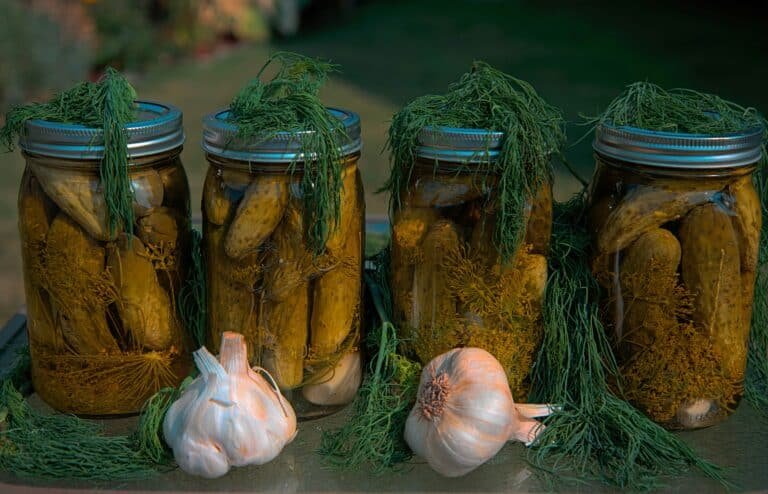
Pickling became global because acidity is a powerful preservation tool. Fermented pickles create acid through lactic-acid bacteria; vinegar pickles add it directly. Both can be safe when properly controlled, but…
Historically Practical
Why Did Humans Dry Food in the Sun?
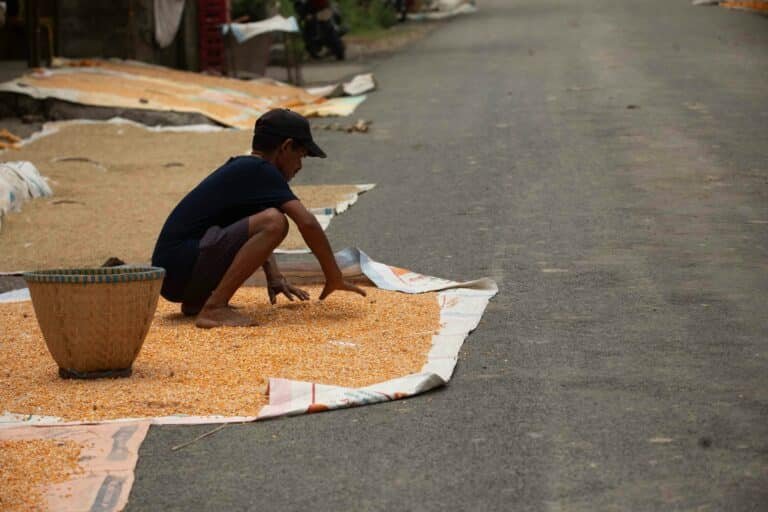
Sun drying preserved food by removing the water microbes need to grow. The mechanism is robust and ancient, but drying is not sterilization: contamination, mould, nutrient loss and poor storage…
Historically Practical
Why Did Humans Smoke Food?
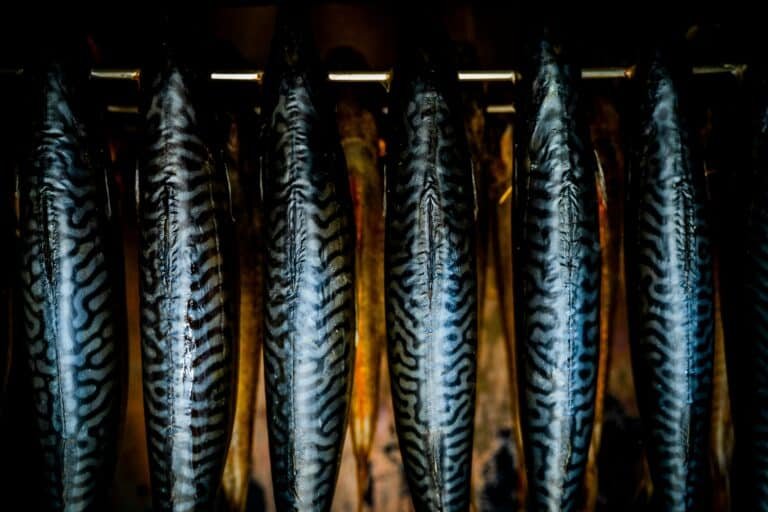
Smoking preserved food by combining drying, heat and antimicrobial smoke compounds—and then survived because people came to value the flavour. Modern evidence also shows a trade-off: smoke can deposit carcinogenic…
Historically Practical
Why Did People Preserve Food With Salt?
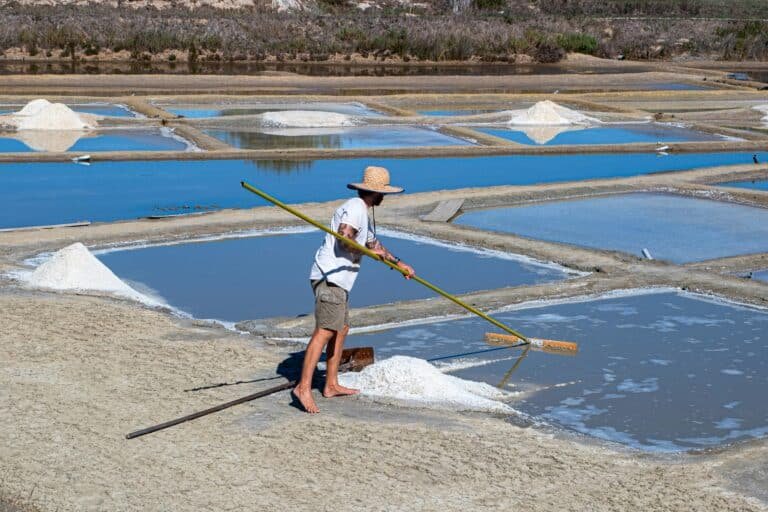
Salt preserved food by reducing water activity and imposing osmotic stress on microbes, making it one of history’s most powerful pre-refrigeration tools. Its preservation value is real, but modern high-sodium…
Picked for your curiosity
Enable JavaScript to build a reading profile and see recommendations.