 tradivior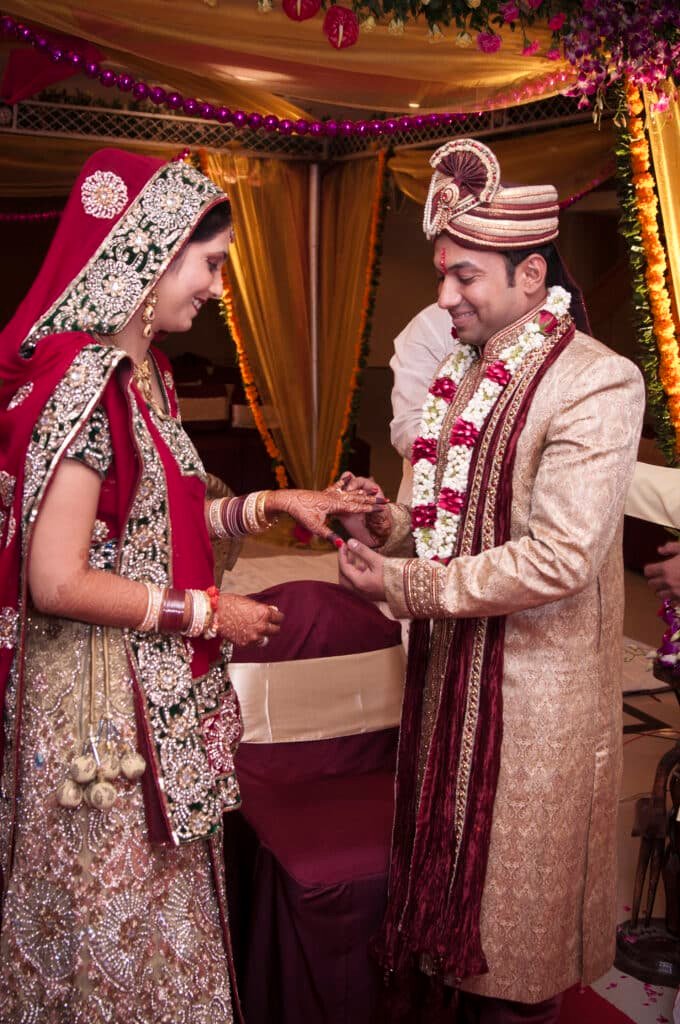
In this investigation
A relationship can begin privately; marriage usually cannot. Marriage changes who counts as kin, who may inherit, where people live, how children are recognized, how property moves and what obligations families owe one another. That is why weddings need witnesses, symbols, promises, exchange and public recognition.
The details vary enormously: rings, veils, garlands, contracts, sacred fire, crowns, bridewealth, dowry, vows, dances, processions, feasts and blessings. The shared problem is not romance. It is making a consequential social transition visible.
Marriage joins networks as well as individuals
In many societies, marriage creates an alliance between families, lineages or communities. A wedding therefore introduces relatives, negotiates obligations and publicly records consent or recognition.
This explains why weddings can remain elaborate even when couples already live together privately.
THE RECORD
Marriage rituals persist because they make a private bond socially legible. They tell families, religious communities and states that new rights and responsibilities now exist.
Witnesses convert promises into public commitments
A vow spoken before others carries different social consequences from a promise made privately. Witnesses can remember the commitment and hold participants accountable.
This is a simple mechanism for why public ceremony can strengthen perceived seriousness without requiring a mystical effect.
Exchange makes relationships material
Rings, gifts, dowry, bridewealth, clothing and ceremonial objects embody alliances in material form. They can redistribute wealth, signal status or create reciprocal obligations.
These systems can support households but can also become coercive or economically burdensome.
THE EVIDENCE
Wedding rituals plausibly strengthen commitment through public signalling, shared emotion and network involvement. Their sacred meanings and legal effects differ by tradition, and elaborate ritual is not necessary for a healthy marriage.
Feasting converts alliance into shared experience
Wedding meals bring networks together, redistribute food and give guests a common memory of the union. Hospitality also signals a family’s willingness to invest in the new relationship.
Feasts can generate solidarity, but competitive spending can produce debt and social pressure.
Ritual repetition creates continuity
Couples repeat forms used by parents and grandparents because continuity itself can legitimate a union. Wearing inherited jewellery or performing an old blessing links a new marriage to earlier ones.
Sacred authority can elevate the commitment
Religious weddings place marriage inside a larger moral order. Priests, scripture, fire, sacraments or blessings make the union answerable not only to families but to sacred law.
That function should be understood theologically rather than reduced to psychology alone.
Civil marriage performs a parallel function
Courthouses and registrars create legal recognition through documents, signatures and witnesses. Even secular marriage requires ritualized procedure because the state needs a clear moment when status changes.
Not all wedding traditions are benign
Forced marriage, coercive dowry demands, exclusionary customs and dangerous celebration practices can cause serious harm. Cultural longevity is not evidence of ethical legitimacy.
The social function of ritual can be preserved while harmful components change.
Modern weddings often expand symbolic choice
Interfaith, same-sex, destination and personalized ceremonies show that the need for public recognition can survive while inherited forms become flexible.
Tradition is therefore not the opposite of innovation; weddings continuously absorb new symbols.
Why weddings remain emotionally intense
Music, coordinated dress, procession, speeches and collective attention synchronize emotion. Research on collective ritual suggests such shared emotional experiences can strengthen social identification.
This may help families feel that the relationship belongs to a wider group rather than only to the couple.
Marriage creates a new legal and social unit
A wedding is often treated as a celebration of love, but historically marriage also reorganizes inheritance, residence, property, childcare, sexual expectations and obligations between families.
Because those consequences extend beyond the couple, societies have strong reasons to make marriage public rather than leave it as a private promise.
Witnesses turn intention into accountable commitment
Promises spoken in front of relatives, religious authorities or state officials become shared knowledge. If conflict later arises, others know that a commitment was made.
This simple social mechanism helps explain why witnesses appear across otherwise very different wedding traditions.
Marriage rituals often join families more visibly than individuals
Gift exchange, introductions, feasts and negotiated obligations can create durable ties between kin groups. In arranged-marriage systems, this alliance function may be especially explicit.
Even in love marriages, weddings often remain family events because the relationship creates new kinship categories on both sides.
Exchange can symbolize care while also becoming coercive
Jewellery, clothing, bridewealth, dowry and household gifts can help establish a new household or express reciprocity. The same systems can become exploitative when payments are demanded or tied to violence and status competition.
Historical meaning does not excuse coercion. The supportive function of gift exchange can be preserved without treating harmful demands as sacred.
Feasting redistributes resources and creates witnesses
A wedding feast feeds people who have travelled, displays hospitality and gives the wider network time to interact. Guests leave with a shared memory of the marriage.
The meal therefore does social work beyond celebration: it helps make the new alliance memorable and collectively recognized.
Cost can make commitment visible
Expensive clothing, travel, gifts and ceremonial effort can signal that families take the union seriously. Costly-signalling theory provides one way to understand why high-investment ceremonies may feel more binding.
Yet cost can easily become competitive waste. A wedding does not become more stable because it is more expensive.
Shared emotional intensity can strengthen the sense of a new “we”
Music, speeches, dance, procession and coordinated ritual concentrate attention on the couple. Research on collective ritual suggests emotional synchrony can strengthen social identification.
This helps explain why a wedding can feel transformative even to guests who already knew about the relationship.
Vows differ because marriage itself is defined differently
Some traditions emphasize mutual promises, others sacred covenant, family duty, legal contract or ritual union. There is no single universal wedding theology.
The common structure is public transition; the content depends on what a society believes marriage is.
Religious authority expands the audience beyond the human community
When a marriage is blessed before God, deities, sacred fire or scripture, the commitment is framed as part of a larger moral order.
That sacred dimension should be described theologically rather than reduced to a psychological trick for increasing commitment.
Civil marriage performs parallel ritual work
Registrars, signatures, witnesses and certificates create a legally recognized transition at a precise moment. The procedure is secular, but still ritualized.
The state needs a clear boundary because inheritance, taxation, immigration and parental rights can depend on marital status.
Wedding dress makes status legible at a glance
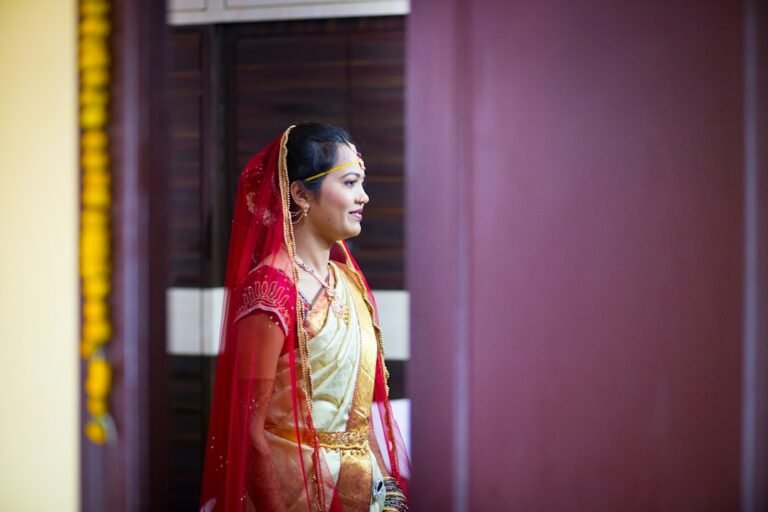
Special clothing visually separates the couple from ordinary participants. Colour, jewellery, veils, crowns or garlands can also signal region, religion and family wealth.
Dress is therefore a communication system, not merely decoration.
Procession turns private union into public visibility
Wedding processions announce the event beyond invited guests and place the family network into public space. Music and movement make the transition difficult to ignore.
This visibility can strengthen recognition while also generating conflicts over noise, traffic or competitive display.
Photography has become a new technology of marital memory
Modern weddings invest heavily in photographs and video because the event is expected to be remembered and revisited. The archive extends ritual beyond the day itself.
Older societies used stories, objects, jewellery and witnesses for the same broad function of preserving memory.
Personalized weddings show that function survives form
Interfaith, same-sex, secular and destination weddings often create new combinations of vows and symbols. The ceremony can change dramatically while still making the relationship public.
This adaptability suggests that the enduring need is recognition rather than one inherited script.
A wedding cannot guarantee a good marriage
Ritual can strengthen memory, commitment and social support, but relationship quality depends on behaviour after the ceremony. No amount of sacred or public symbolism prevents conflict, abuse or incompatibility.
The realistic function of wedding ritual is to mark and support commitment, not to mechanically produce marital success.
The strongest modern wedding preserves accountability without coercion
Public consent, witnesses, shared celebration and supportive networks remain valuable. Forced marriage, exploitative dowry demands and financially destructive expectations do not.
Tradition survives best when the social recognition is preserved and harmful obligations are removed.
Marriage ritual can reduce ambiguity between families
Before a public ceremony, relatives may disagree over whether a relationship is temporary, serious or socially recognized. A wedding resolves that ambiguity by giving the relationship an agreed status.
This clarity can matter for caregiving, housing, inheritance and expectations around children.
Public commitment can increase the social cost of abandonment
A witnessed marriage creates reputational and legal consequences for leaving. That can stabilize commitment, though it can also trap people in harmful relationships when divorce carries extreme stigma.
The useful function is accountability; the harmful version is coercive permanence.
Wedding rituals often negotiate fertility and continuity
Blessings for children, prosperity and household continuity appear in many traditions because marriage has historically been tied to reproduction and lineage.
Modern marriages may reject or reinterpret those expectations, showing that ritual can survive while its assumptions change.
Divorce demonstrates that ritual recognition is reversible
Legal and religious systems often develop procedures for ending marriage because a socially recognized status requires a socially recognized exit as well.
This reinforces the broader point: wedding ritual is about public status, not merely emotion.
Modern weddings can become economically excessive without gaining social value
Competitive spending, destination events and elaborate production can create debt. The social functions of witness, commitment and celebration do not require unlimited scale.
A smaller ceremony can perform the same core transition more sustainably.
Marriage rituals make private commitment socially legible
A couple may feel committed long before a wedding, but relatives, religious institutions and states often need a visible event that establishes when the relationship changed status.
The ceremony creates a public record in memory even before paperwork exists.
Witnesses turn a promise into an accountable act
A vow spoken before others is easier to remember and socially harder to deny than a private intention. Witnesses can later confirm that a commitment was made and help hold the couple or families accountable.
This is a straightforward social mechanism for why weddings feel consequential without requiring any special neurological effect.
Marriage often reorganizes more than the couple
Historically, marriage could change residence, inheritance, property, lineage, labour, sexual rights and alliances between families. The wedding therefore marks a network transition rather than merely a romantic milestone.
This helps explain why families invest heavily in the event even when the couple themselves prefer simplicity.
Gift exchange can create reciprocity and pressure at the same time
Rings, clothing, dowry, bridewealth and family gifts materialize relationships and can redistribute wealth. They may symbolize care or alliance.
The same systems can become coercive or economically harmful when social expectations exceed consent or household resources.
Feasting makes the new relationship memorable
A large shared meal brings together people who may rarely meet, introduces families and creates a common memory around the union. Hospitality also signals investment in the new relationship.
Competitive spending can turn this social function into debt, which is why cultural value should be separated from expenditure level.
Ritual synchrony can intensify the sense of becoming one unit
Walking together, exchanging objects, repeating vows, circling, dancing or performing coordinated gestures can create shared attention and emotional synchrony.
Psychology can explain part of why such acts feel binding, while the religious meaning of the ceremony remains distinct.
Legal marriage is also ritualized
Even a courthouse wedding uses signatures, witnesses, prescribed language and a recognized authority. The state needs a clear moment when rights and obligations change.
This shows that ritual is not the opposite of bureaucracy. Bureaucracy often creates its own ritual forms.
A wedding cannot produce relationship quality by itself
Public commitment may strengthen seriousness and network support, but ceremony cannot guarantee communication, safety, fidelity or compatibility. A lavish wedding can precede an unhealthy marriage; a minimal ceremony can precede a strong one.
The ritual marks commitment. It does not replace the work required afterward.
The best modern weddings preserve recognition while reducing coercion
Families can keep vows, blessings, food, music, dress and community participation while rejecting forced marriage, exploitative dowry demands, exclusion and financially ruinous expectations.
That adaptation preserves the social function—publicly creating a new relationship—without treating every inherited practice as ethically mandatory.
The durable value of a wedding is therefore public recognition and accountability, not extravagance. A community can witness commitment through a modest ceremony just as effectively as through a costly one.
What matters most is that the relationship becomes visible to the people and institutions whose behaviour will change because of it. The ceremony coordinates that recognition, while the quality of the marriage continues to depend on what follows after the celebration.
Public accountability is the durable social mechanism.
What survives scrutiny?
- Wedding rituals are widespread because marriage changes social, legal and kinship relationships.
- Witnesses and public vows make commitment socially accountable.
- Gift exchange and feasting materialize relationships between families and networks.
- Religious ceremonies place marriage inside sacred moral systems.
- Shared attention and emotion can strengthen group identification.
- No single wedding form is universal or biologically necessary.
- Harmful practices such as coercion or exploitative dowry demands are not justified by tradition.
- Modern ceremonies continue to evolve while retaining the function of public recognition.
The Tradivior Evidence Profile
Historical Authenticity — Strong. Marriage ritual is nearly universal, though forms differ greatly.
Original-Purpose Evidence — Strong. Kinship, alliance, legitimacy, property and public commitment are direct social functions.
Scientific Mechanism — Moderate. Public signalling, emotional synchrony and network involvement plausibly strengthen commitment and social support.
Experimental Evidence — Limited. Direct trials of weddings are impossible; evidence comes from ritual, signalling and social-psychology research.
Cross-Cultural Evidence — Strong. Marriage ceremonies appear across societies with diverse symbols.
Modern Relevance — Strong. Weddings still create public, legal and emotional recognition of relationships.
The Tradivior Conclusion
Primarily Symbolic/Cultural. Weddings need ritual because marriage is more than a private feeling: it reorganizes kinship, law, property and obligation. Ceremony creates witnesses, shared memory and public commitment. Modern psychology can explain some bonding effects, but the deepest meanings remain social, legal and sacred. The useful core is public recognition; the specific form can change with ethics and society.
Continue investigating
Sources & further reading
- van Gennep A. The Rites of Passage.
- Borneman J. “Until Death Do Us Part: Marriage/Death in Anthropological Discourse.” American Ethnologist. 1996.
- Turner V. The Ritual Process.
- Research on collective ritual, public commitment and social signalling.
Continue exploring
Evidence Supported
Why Do Cultures Set Aside Days to Remember the Dead?
From Pitru Paksha and Qingming to Día de Muertos and All Souls’ Day, cultures repeatedly create calendar time for the dead. Tradivior will compare how recurring remembrance renews kinship, grief…
Partially Supported
Why Do People Keep Ashes, Relics and Memorial Objects?
Hair, ashes, bones, clothing, photographs and relics allow the dead to remain materially present. Tradivior will examine why objects carry memory so powerfully and how continuing bonds differ from pathological…
Historically Practical
Why Do Cultures Preserve the Dead?
Mummification, embalming, freezing, smoking and desiccation reflect very different beliefs about bodies and afterlives. Tradivior will compare preservation traditions with the chemistry of decomposition and the practical limits of each…
Primarily Symbolic/Cultural
Why Do People Change Names, Clothes or Homes After Marriage?
Marriage often transforms identity through surname changes, new dress, residence, kinship terms or household membership. Tradivior will investigate why marriage needs visible social consequences beyond the ceremony itself.
Picked for your curiosity
Enable JavaScript to build a reading profile and see recommendations.