Tradiviorans ClubQuestions, polls, reading DNA and your curiosity circle.Join the Club →Log in →Reading remains free without an account.
EXPLORE
PARTICIPATE
YOUR SPACE
Follow a question. Examine the evidence.
Explore investigations
Search customs, ideas and practices, or combine filters to follow a connection across cultures. Evidence assessments describe editorial conclusions, not scores or rankings.
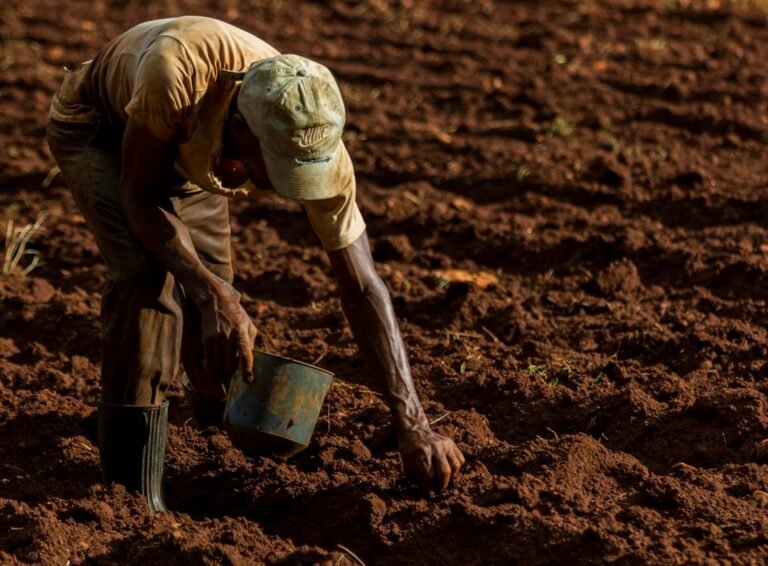
Farmers altered crops for millennia by choosing which seeds to plant again. Tradivior will examine how selection created landraces, preserved adaptation and sometimes sacrificed uniformity or yield.
Water scarcity drove civilizations to engineer reservoirs, tanks, canals, qanats and harvesting systems tuned to local terrain. Tradivior will compare these technologies and ask which remain useful under modern climate…
Ayurveda, Chinese medicine, Greco-Arabic medicine and other traditions organized illness through coherent but very different models of the body. Tradivior will ask what these systems achieved clinically and where modern…
Long before GPS, mariners used stars, Sun, swell, wind, birds and memory to cross open water. Tradivior will compare Mediterranean, Arab, Indian Ocean and Indigenous Pacific navigation without assuming one…
Cultures used placeholders long before zero became a fully operational number. Tradivior will trace the crucial South Asian developments, earlier precedents and later transmission without turning a complex mathematical history…
Sacred time and space are often protected by rules about work, food, touch, speech or access. Tradivior will investigate how prohibitions create boundaries and commitment, and when they also conserve…
Ideas of contamination often extend far beyond dirt or microbes to death, sexuality, caste, food and sacred boundaries. Tradivior will compare ritual pollution systems with modern disgust science without equating…
Menstruation has been treated as sacred, dangerous, polluting, powerful or private in different societies. Tradivior will investigate why restrictions emerged and distinguish rest or privacy from exclusion that harms health…
Isolation can reflect infection control, ritual danger, grief, recovery or stigma depending on context. Tradivior will compare these practices carefully so real quarantine logic is not projected onto every traditional…
Hands, eyes, crosses, yantras, knots and painted marks frequently guard thresholds or bodies. Tradivior will compare how visible symbols define boundaries and reduce anxiety without assuming that they exert physical…
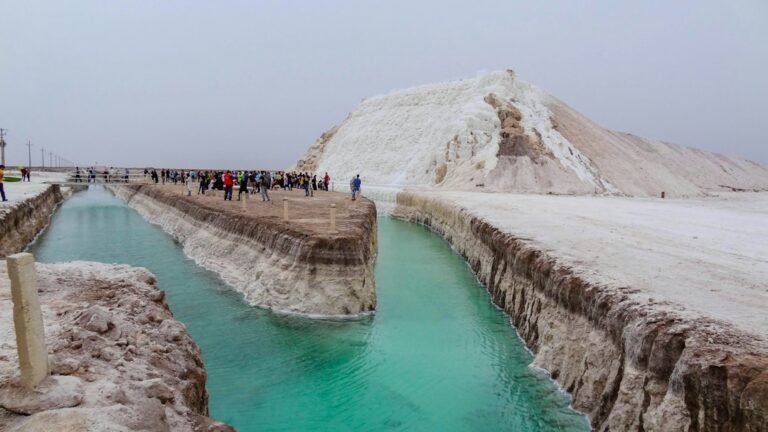
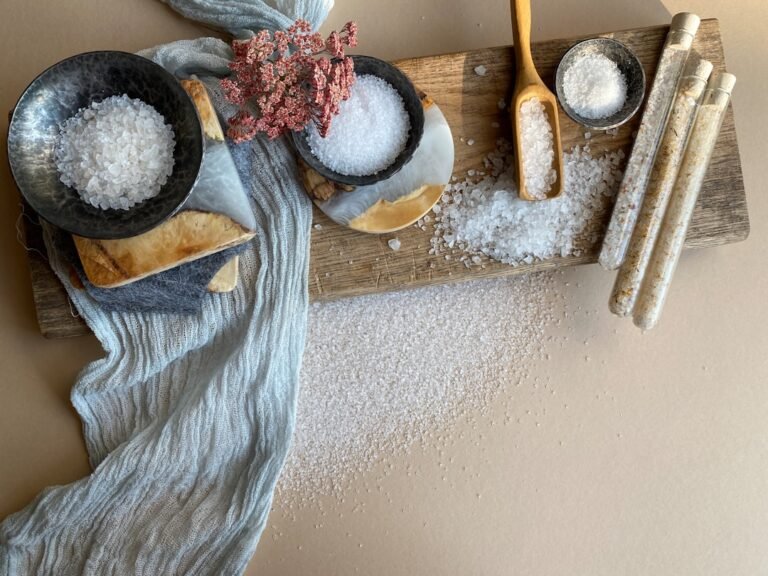
Salt preserves food and inhibits many microbes, but those real properties are often used to justify much broader ritual claims. Tradivior will trace salt symbolism and separate material chemistry from…
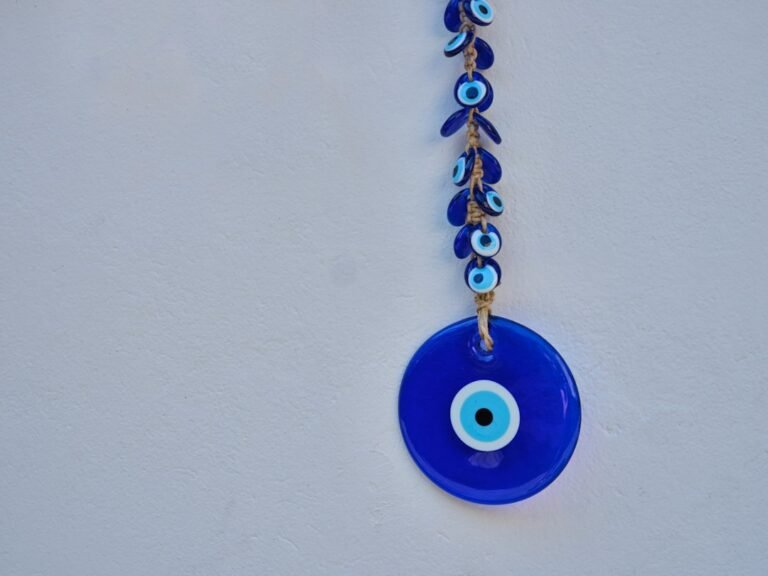
Belief that envy or attention can cause harm appears from the Mediterranean and Middle East to South Asia and Latin America. Tradivior will investigate why the idea travels so well…
 tradivior