Tradiviorans ClubQuestions, polls, reading DNA and your curiosity circle.Join the Club →Log in →Reading remains free without an account.
EXPLORE
PARTICIPATE
YOUR SPACE
Follow a question. Examine the evidence.
Explore investigations
Search customs, ideas and practices, or combine filters to follow a connection across cultures. Evidence assessments describe editorial conclusions, not scores or rankings.
Arranged marriage became common because marriage historically joined families, property and kinship systems as well as individuals. Modern outcomes depend far more on consent, autonomy, gender equality and family support…
Gift exchange binds people through reciprocity, alliance, prestige, obligation and memory. Modern research also suggests giving can improve well-being under some conditions, but gifts are not simply altruism or disguised…
Bows, joined hands, kisses and handshakes look different, but all make social intent legible quickly. Greeting rituals signal respect, familiarity, rank and peaceful intent while reducing uncertainty at the start…
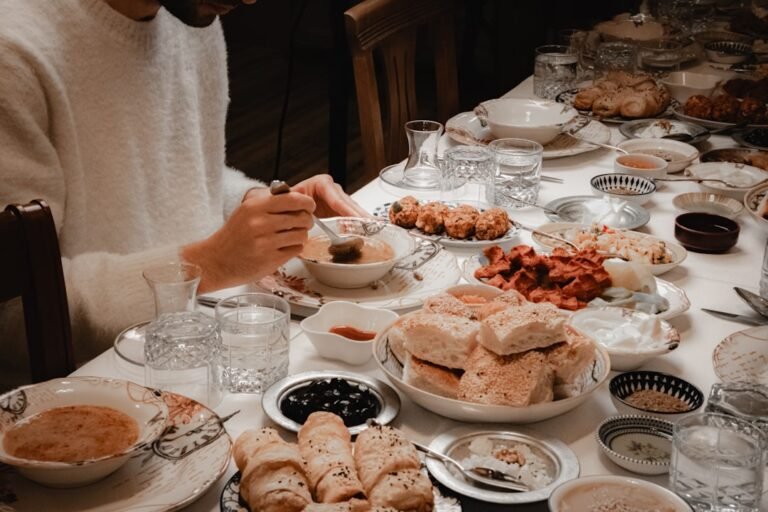
Feeding guests became a sacred duty across many cultures because hospitality reduces uncertainty, creates trust and extends protection beyond kin. The same norm can also produce status pressure and unequal…
Directional building rules can have real effects through sun, wind and daylight, but the optimal orientation is climate-specific. Evidence for universal magnetic-health claims about bed direction remains weak.
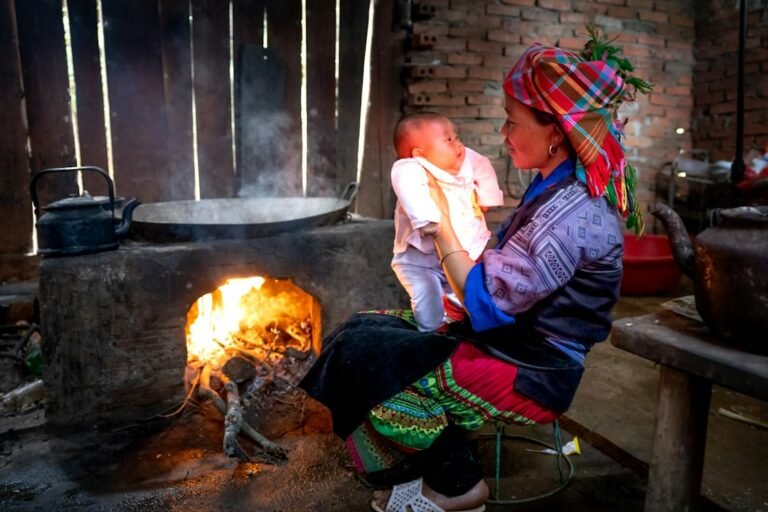
The household hearth combined cooking, heat, light and social gathering in one place, making it a practical and symbolic centre of domestic life—while also creating major smoke exposure.
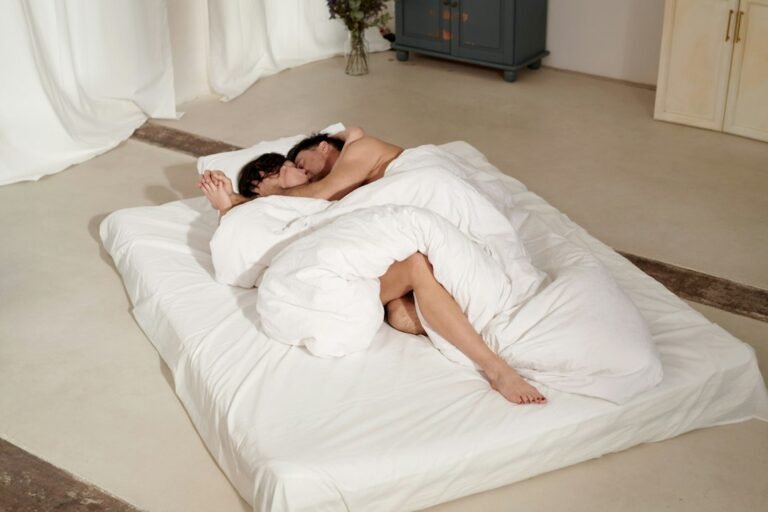
Mats, futons, low beds and woven cots made sense for climate, portability and flexible household space. Modern evidence shows that very hard surfaces are not universally better for the back.
Courtyard houses appeared across hot climates because one central open space could provide shade, daylight, airflow, privacy and family space. Modern building science validates the mechanisms while showing that performance…
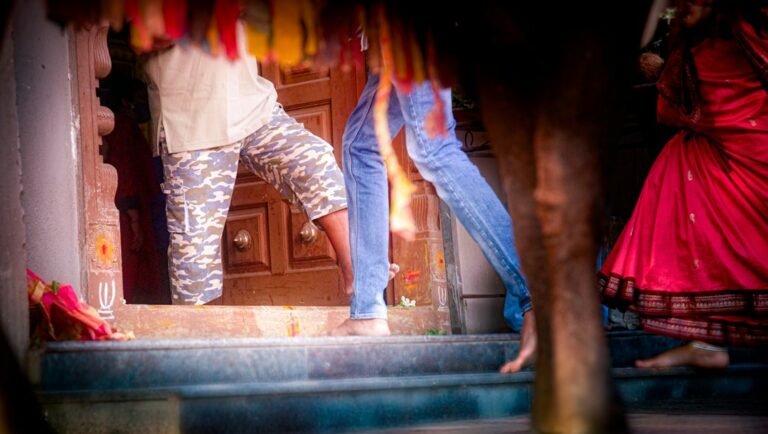
Removing outdoor shoes before entering a home reflects floor-based living, architecture, cleanliness, sacred respect and etiquette. Modern evidence confirms reduced tracking of microbes and particles without proving that indoor shoes…
Humans across cultures deliberately alter consciousness through rhythm, movement, breath, deprivation, meditation and psychoactive substances. Science explains many induction mechanisms while leaving cultural and metaphysical interpretations distinct.
Dreams have served as omens, healing signs, philosophical evidence and sources of authority across civilizations. Modern science supports links to memory and emotion, but not a universal symbolic code or…
Religious vigils transform wakefulness into prayer, study and sacrifice. Sleep science explains why nights can feel intense while showing that lost sleep generally impairs attention and memory rather than enhancing…
 tradivior