Tradiviorans ClubQuestions, polls, reading DNA and your curiosity circle.Join the Club →Log in →Reading remains free without an account.
EXPLORE
PARTICIPATE
YOUR SPACE
Follow a question. Examine the evidence.
Explore investigations
Search customs, ideas and practices, or combine filters to follow a connection across cultures. Evidence assessments describe editorial conclusions, not scores or rankings.
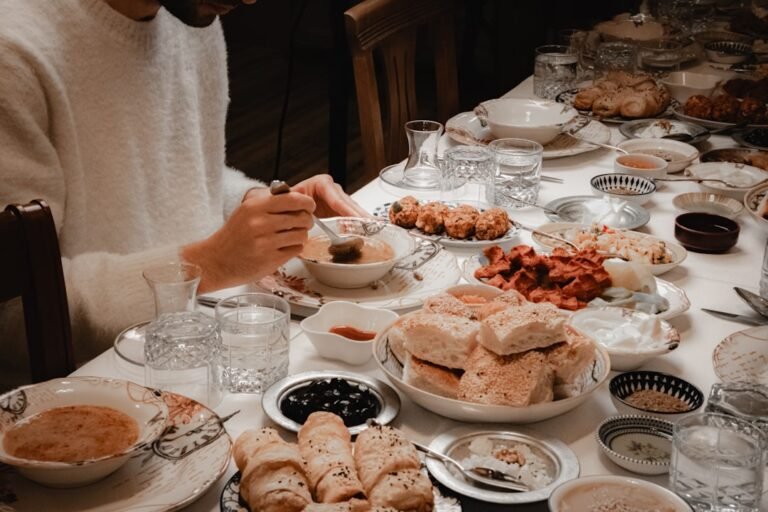
Feeding guests became a sacred duty across many cultures because hospitality reduces uncertainty, creates trust and extends protection beyond kin. The same norm can also produce status pressure and unequal…
Shared kitchens and courtyards helped extended families pool labour, food, childcare and elder care. Research also shows the trade-offs: privacy loss, conflict and unequal care burdens can accompany the same…
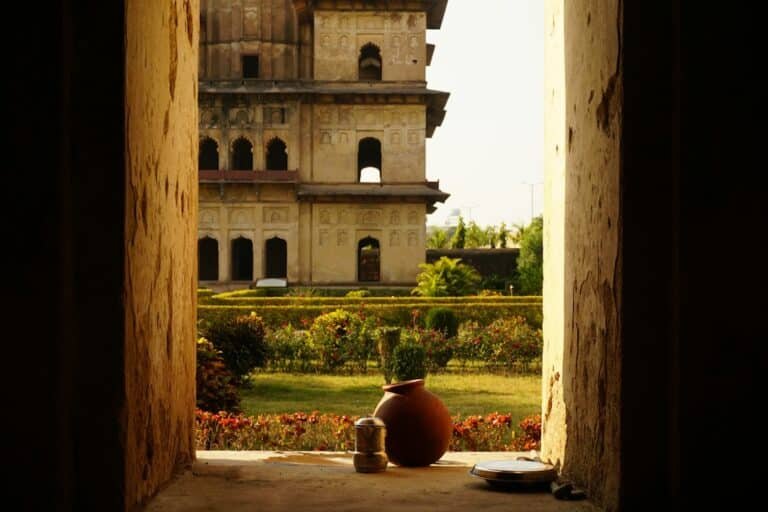
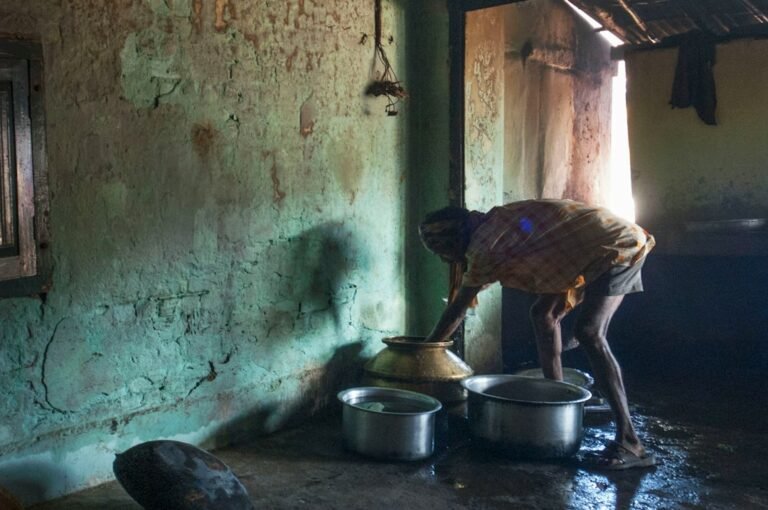
Porous clay pots cool drinking water through evaporation and remain a low-energy household technology. Research supports the cooling mechanism and some water-quality changes, while broad detox and universal health claims…
Directional building rules can have real effects through sun, wind and daylight, but the optimal orientation is climate-specific. Evidence for universal magnetic-health claims about bed direction remains weak.
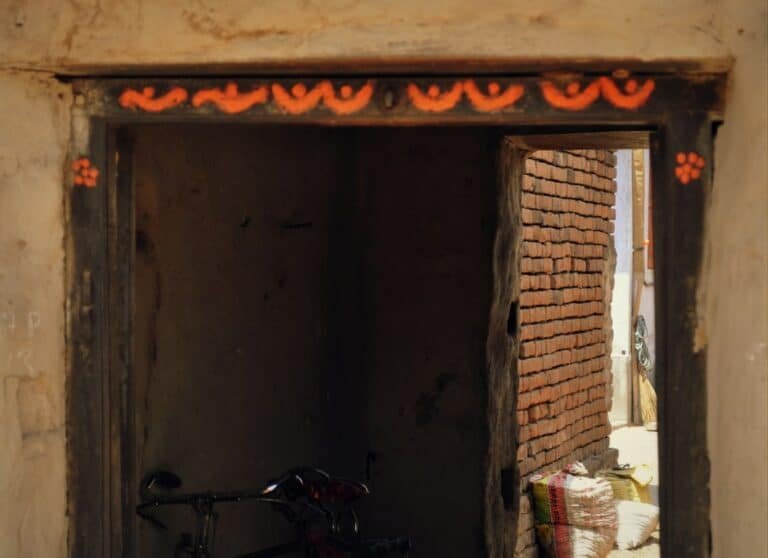
Rangoli and kolam are living threshold arts of auspiciousness, hospitality and geometric skill. Their cognitive richness is real, but modern claims about hidden physics, universal pest control or encoded advanced…
Morning entrance cleaning removes dust at a high-traffic boundary and prepares the threshold for hospitality and traditions such as kolam. Modern evidence supports cleaning, but not every traditional disinfectant claim.
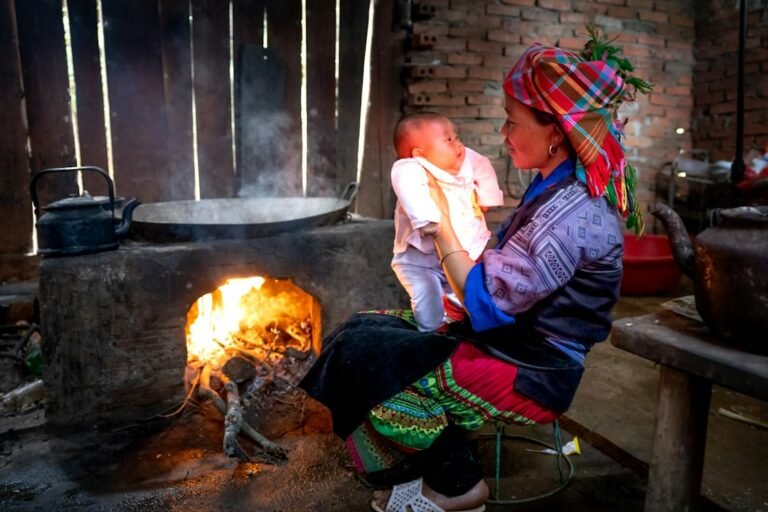
The household hearth combined cooking, heat, light and social gathering in one place, making it a practical and symbolic centre of domestic life—while also creating major smoke exposure.
Mats, futons, low beds and woven cots made sense for climate, portability and flexible household space. Modern evidence shows that very hard surfaces are not universally better for the back.
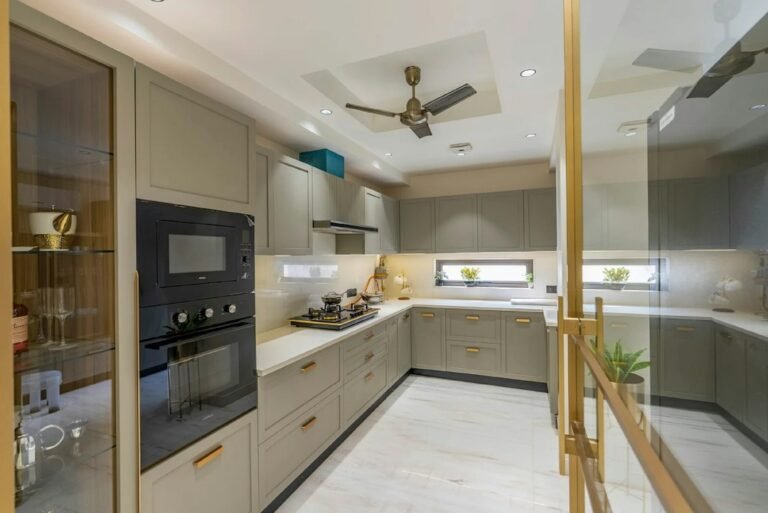
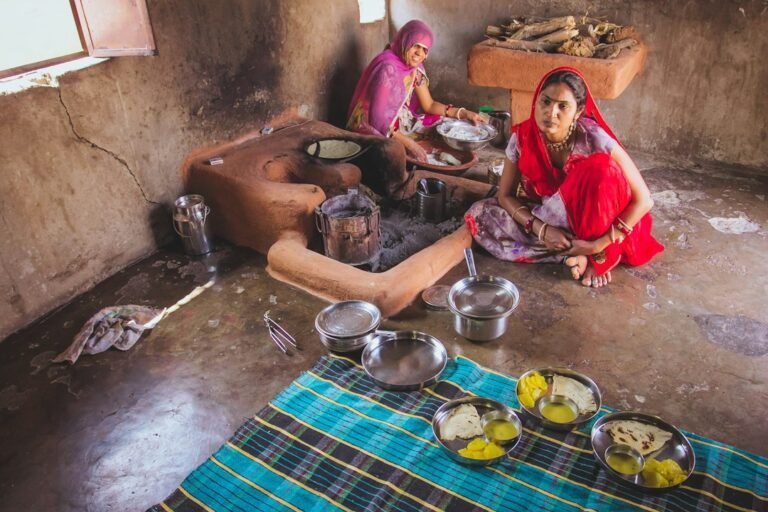
Traditional Indian kitchens often separated cooking, eating, water and purity zones for practical, ritual and social reasons. Some boundaries improved household hygiene; others reinforced caste and gender hierarchy.
Courtyard houses appeared across hot climates because one central open space could provide shade, daylight, airflow, privacy and family space. Modern building science validates the mechanisms while showing that performance…
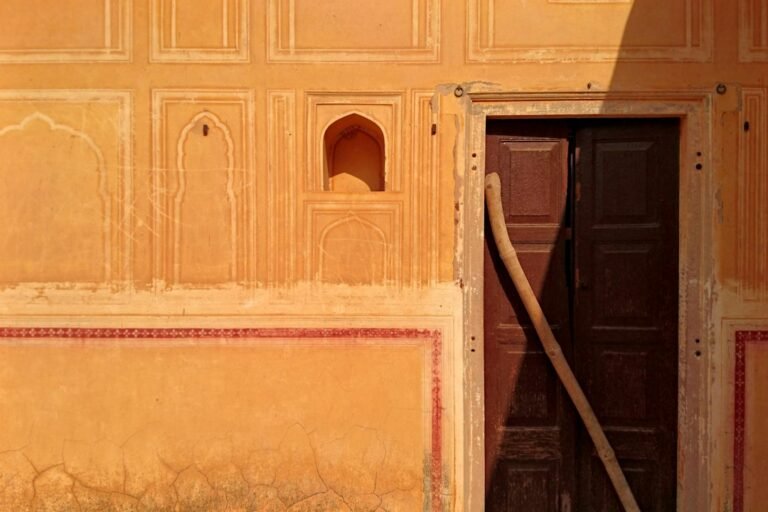
Toran doorway decorations mark welcome, auspiciousness and ritual preparation across Indian homes. Plant chemistry offers limited side mechanisms, while modern air-purification claims exceed the evidence—and marigold itself is a later…
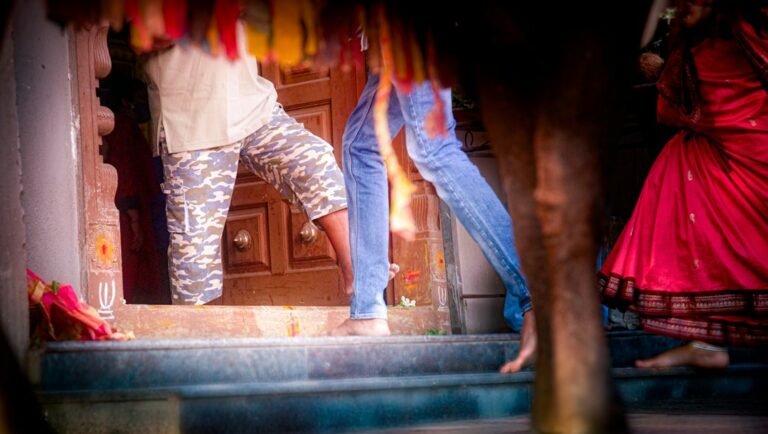
Removing outdoor shoes before entering a home reflects floor-based living, architecture, cleanliness, sacred respect and etiquette. Modern evidence confirms reduced tracking of microbes and particles without proving that indoor shoes…
 tradivior