Tradiviorans ClubQuestions, polls, reading DNA and your curiosity circle.Join the Club →Log in →Reading remains free without an account.
EXPLORE
PARTICIPATE
YOUR SPACE
Follow a question. Examine the evidence.
Explore investigations
Search customs, ideas and practices, or combine filters to follow a connection across cultures. Evidence assessments describe editorial conclusions, not scores or rankings.
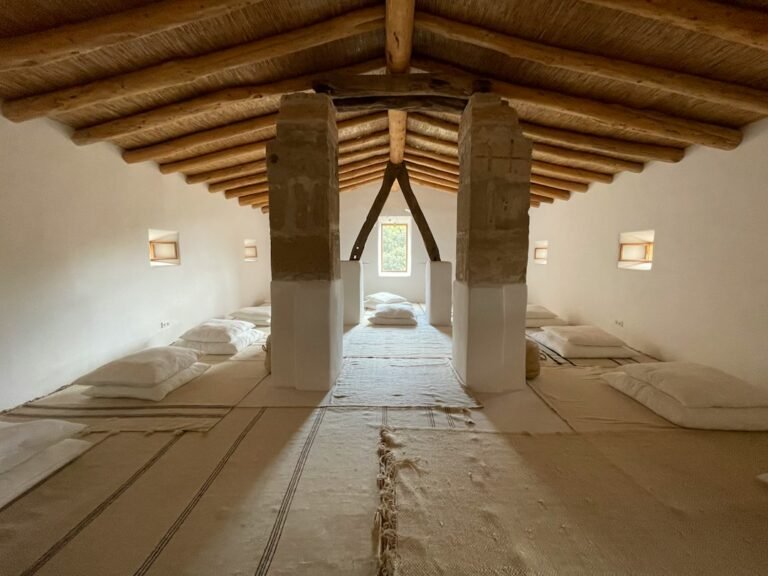
Historic buildings often relied on lime mortars, timber joinery, earth, stone and breathable assemblies rather than modern cement and steel. Tradivior will examine why these materials worked and when copying…
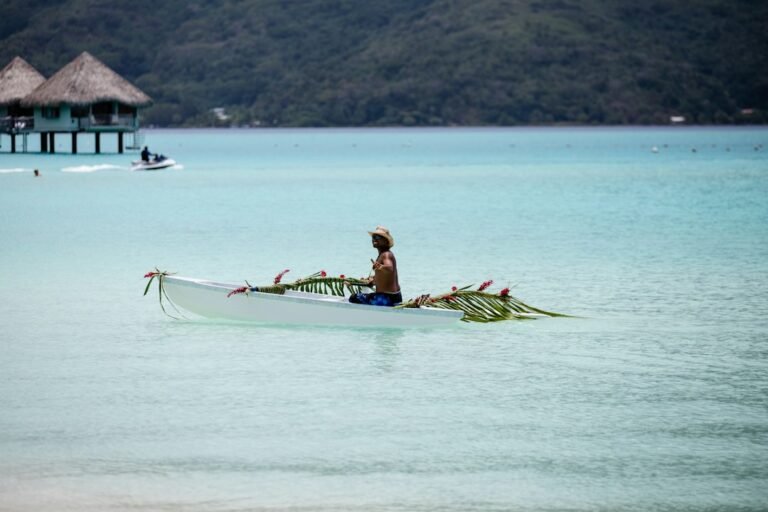
Pacific navigators crossed vast distances using stars, swells, birds, clouds and memorized route systems. Tradivior will examine the evidence for these knowledge traditions and the cognitive demands of non-instrument navigation.
Timekeeping moved from watching shadows and stars to engineered flows of water long before mechanical clocks. Tradivior will investigate how ancient devices converted continuous natural processes into social schedules.
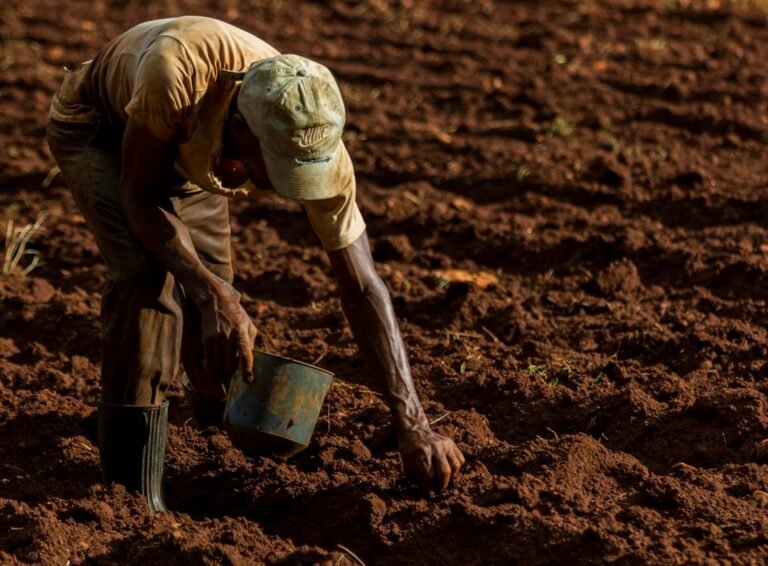
Farmers altered crops for millennia by choosing which seeds to plant again. Tradivior will examine how selection created landraces, preserved adaptation and sometimes sacrificed uniformity or yield.
Water scarcity drove civilizations to engineer reservoirs, tanks, canals, qanats and harvesting systems tuned to local terrain. Tradivior will compare these technologies and ask which remain useful under modern climate…
Delhi's iron pillar has survived for centuries with unusual corrosion resistance, prompting myths about impossible ancient metallurgy. Tradivior will examine its manufacture, environment and protective rust chemistry using modern materials…
Wootz steel from South Asia became famous for producing high-quality crucible steel traded across regions. Tradivior will investigate the craft knowledge, materials and thermal control behind it without romanticizing it…
Ayurvedic diagnosis often combines history, observation and bodily signs, while pulse diagnosis became especially prominent in later practice. Tradivior will trace what is actually classical, what developed later and how…
Ayurveda, Chinese medicine, Greco-Arabic medicine and other traditions organized illness through coherent but very different models of the body. Tradivior will ask what these systems achieved clinically and where modern…
Long before GPS, mariners used stars, Sun, swell, wind, birds and memory to cross open water. Tradivior will compare Mediterranean, Arab, Indian Ocean and Indigenous Pacific navigation without assuming one…
The decimal place-value system associated with Indian mathematical development made calculation radically more scalable than many additive numeral systems. Tradivior will investigate how notation changed what people could compute and…
Cultures used placeholders long before zero became a fully operational number. Tradivior will trace the crucial South Asian developments, earlier precedents and later transmission without turning a complex mathematical history…
 tradivior