Tradiviorans ClubQuestions, polls, reading DNA and your curiosity circle.Join the Club →Log in →Reading remains free without an account.
EXPLORE
PARTICIPATE
YOUR SPACE
Follow a question. Examine the evidence.
Explore investigations
Search customs, ideas and practices, or combine filters to follow a connection across cultures. Evidence assessments describe editorial conclusions, not scores or rankings.
Councils of elders and customary courts offer local knowledge, speed and reconciliation, but their legitimacy depends on fair procedure. The same community power that enforces settlements can also reproduce caste,…
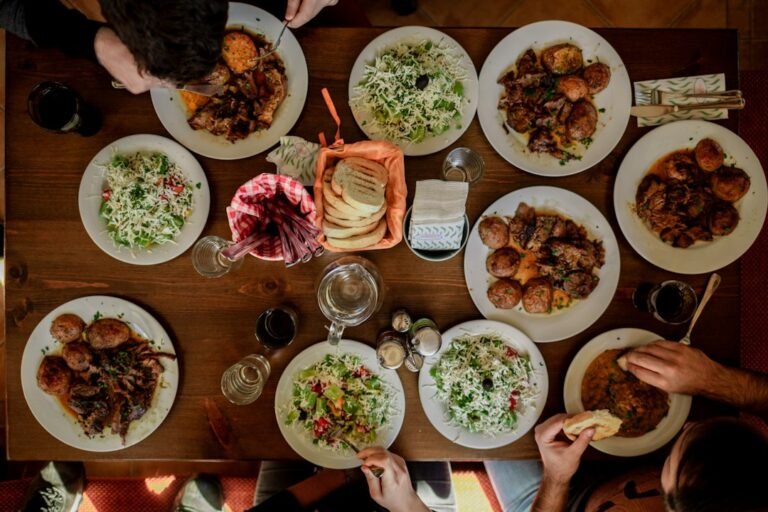
Shared meals can build trust by combining food sharing, similarity, conversation, synchrony and repeated interaction. Experiments support some direct effects, while broader family-meal benefits remain largely correlational.
Lineages and clans organize descent, inheritance and alliance; caste became a more restrictive inherited social boundary shaped by endogamy, occupation, status and power. Genetics reveals the effects of endogamy but…
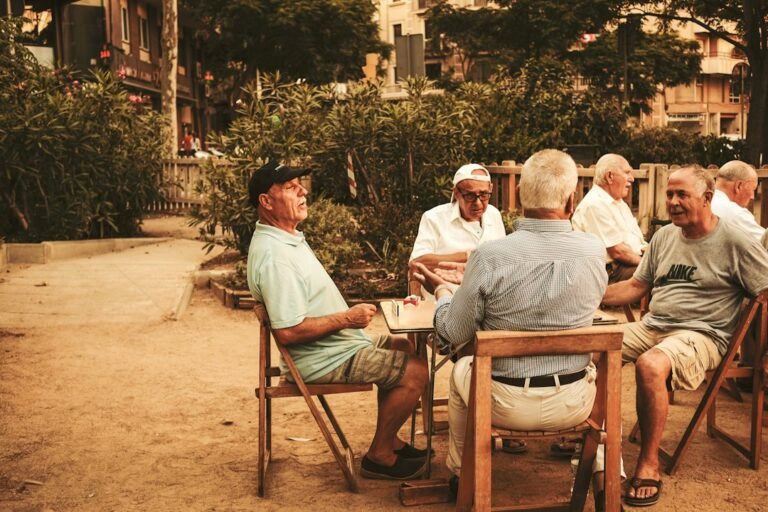
Elders often gained deference because age accumulated knowledge, property, lineage authority and experience. Modern evidence supports the harms of ageism, but chronological age is not automatic proof of wisdom or…
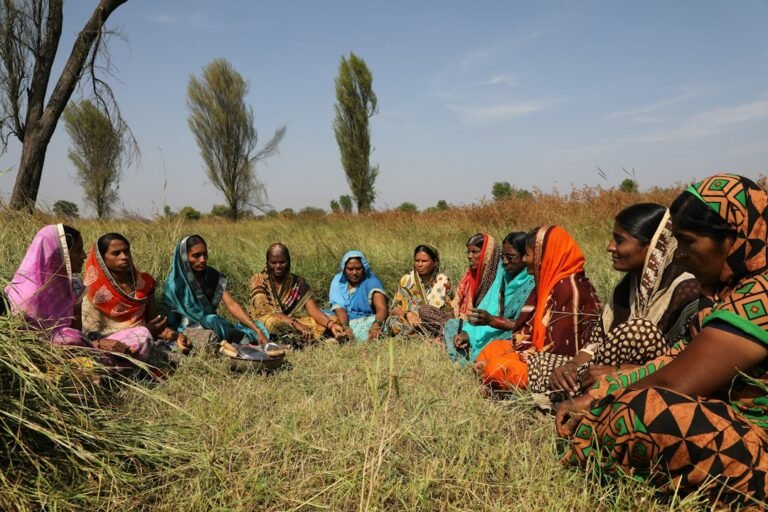
Gender-segregated spaces have served ritual order, modesty, status, labour, privacy and control of sexuality. Their modern consequences depend heavily on choice, equal access and whether separation is voluntary or coercive.
Hospitality became a moral obligation because strangers create both risk and opportunity. Guest-host codes reduce uncertainty, protect travellers, build reputation and create reciprocal relationships beyond kin.
Kinship systems assign different roles to maternal and paternal relatives because descent, inheritance, residence and care are socially organized. Biology may influence some investment patterns, but culture can amplify or…
Joint families became durable in South Asia because patrilocal marriage, inheritance, agriculture, collective property and kin-based care reinforced one another. The same institution also concentrated hierarchy, gendered labour and conflict.
Arranged marriage became common because marriage historically joined families, property and kinship systems as well as individuals. Modern outcomes depend far more on consent, autonomy, gender equality and family support…
Gift exchange binds people through reciprocity, alliance, prestige, obligation and memory. Modern research also suggests giving can improve well-being under some conditions, but gifts are not simply altruism or disguised…
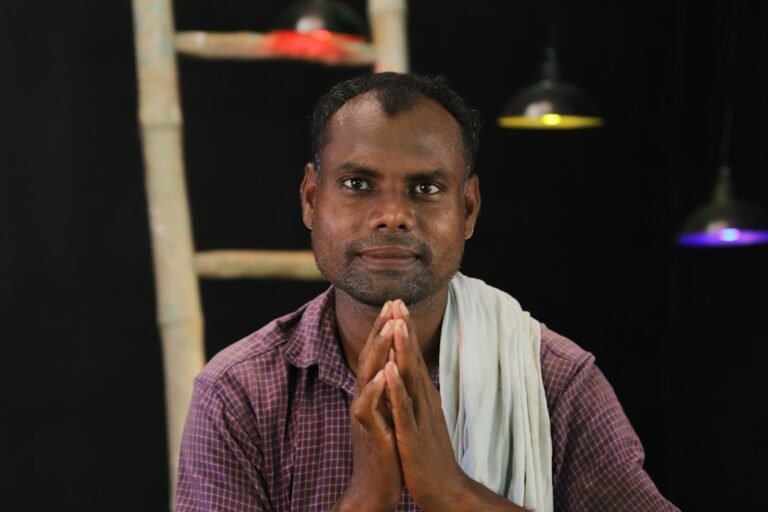
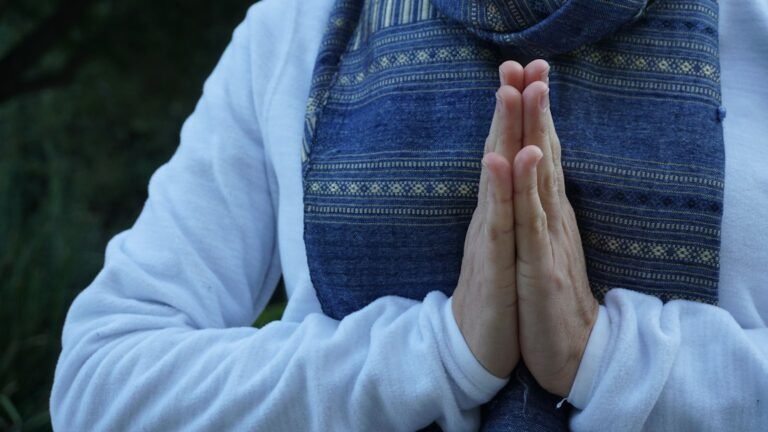
Namaste combines an ancient Sanskrit salutation with the joined-hand añjali gesture. Its historical strength is social and religious respect; its contact-free form has a real modern hygiene advantage without proving…
Bows, joined hands, kisses and handshakes look different, but all make social intent legible quickly. Greeting rituals signal respect, familiarity, rank and peaceful intent while reducing uncertainty at the start…
 tradivior