Tradiviorans ClubQuestions, polls, reading DNA and your curiosity circle.Join the Club →Log in →Reading remains free without an account.
EXPLORE
PARTICIPATE
YOUR SPACE
Follow a question. Examine the evidence.
Explore investigations
Search customs, ideas and practices, or combine filters to follow a connection across cultures. Evidence assessments describe editorial conclusions, not scores or rankings.
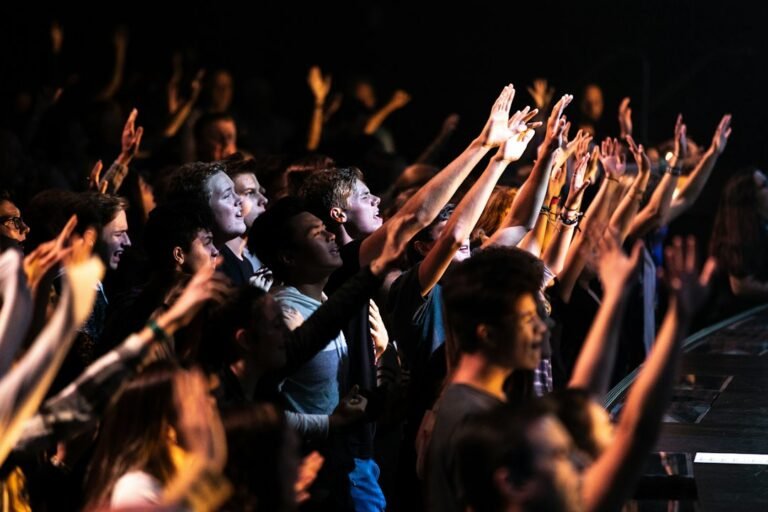
Sacred singing appears in churches, temples, synagogues, gurdwaras and ritual traditions worldwide. Tradivior will investigate why melody became a vehicle for prayer and memory, and what group-singing research shows about…
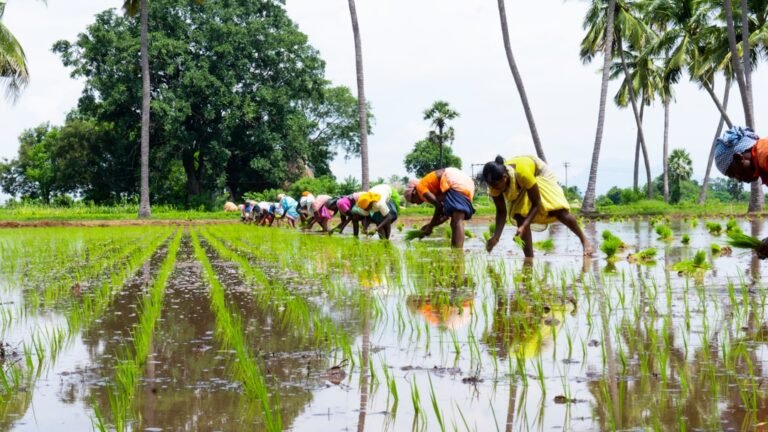
Sowing and harvest once structured food, labour, taxation and survival, so agricultural timing frequently became ritual timing. Tradivior will examine when religion preserved ecological scheduling and when later meanings took…
Why do New Year festivals mark different seasonal thresholds? Compare calendar rules, cultural meanings and the evidence for fresh starts across civilizations.
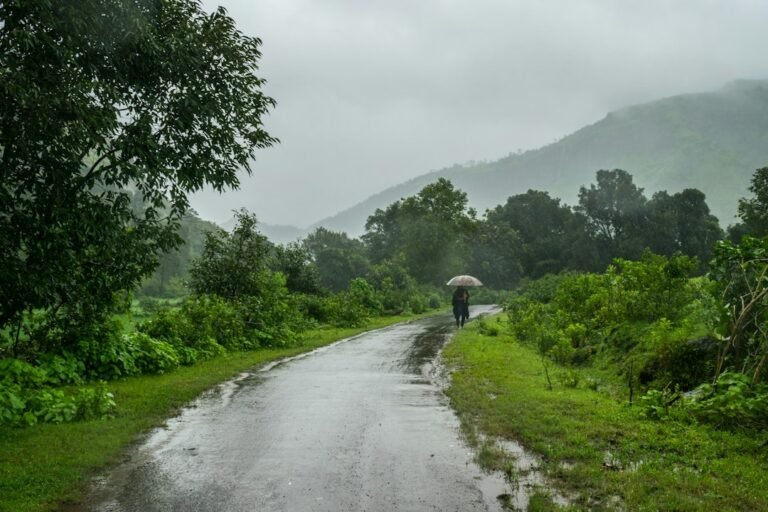
In South Asia, rain determines sowing, travel, disease risk and food security, so the monsoon naturally entered ritual and seasonal calendars. Tradivior will trace how climate uncertainty became social time.
Canonical hours, prayer watches, sandhya, salat times and other traditions punctuate the day with religious obligations. Tradivior will ask how astronomy, social order and daily rhythm turned clock time into…
Traditional schedules often followed dawn, daylight and darkness because artificial lighting was limited, not necessarily because people knew circadian biology. Tradivior will connect historical time use with modern evidence on…
Muhurta assigns favourable times to weddings, travel, construction and other acts through calendrical and astrological rules. Tradivior will investigate its textual history and distinguish social coordination from unsupported causal claims…
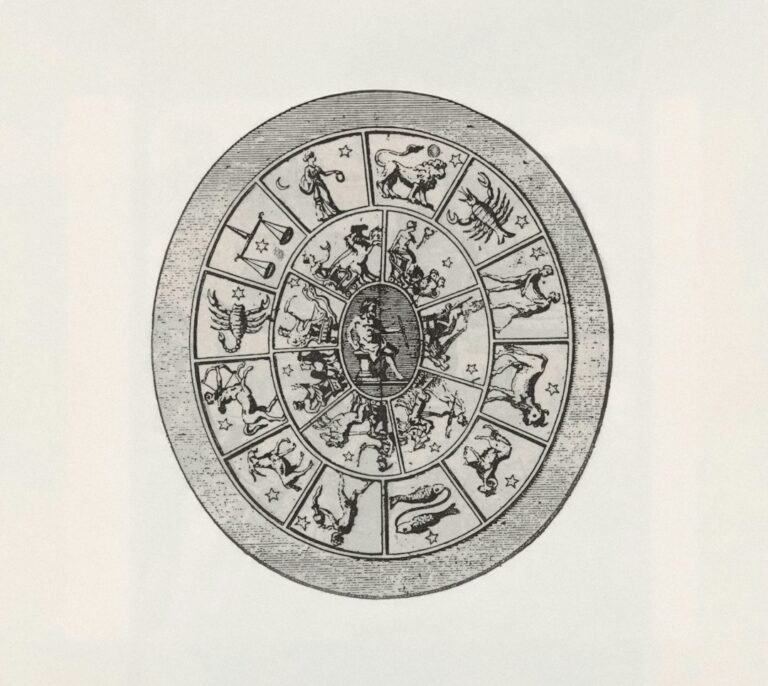
Astrology linked the sky to personality, politics, medicine and fate across South Asia, the Mediterranean, China and the Islamic world. Tradivior will trace its intellectual history and examine why it…
Rituals repeat because fixed sequences create predictability, memory, identity and coordination. Experiments suggest ritualized repetition can regulate anxiety and social connection, while mantra repetition shows small benefits for psychological distress;…
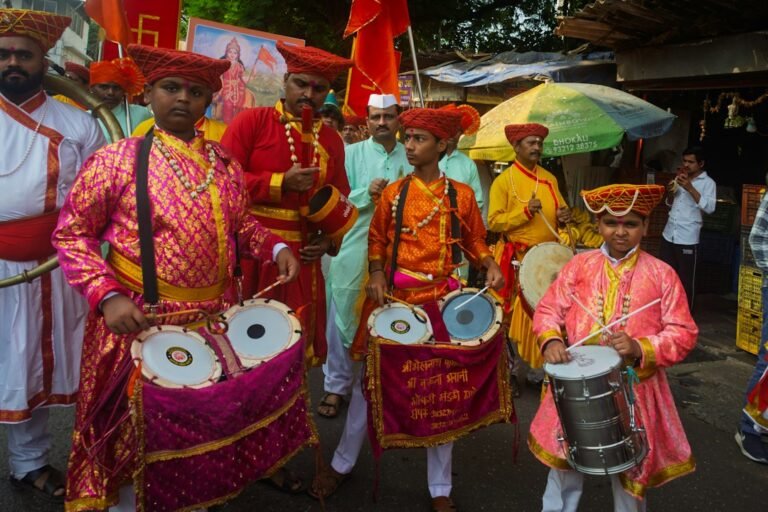
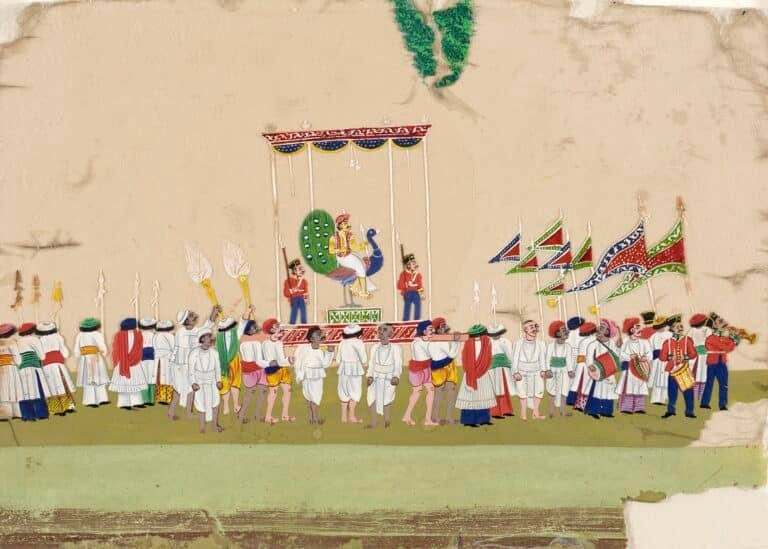
Religious processions move sacred presence, symbols and communities through public space. They can expand shared identity through coordinated movement and visibility, but the same public occupation can mark boundaries and…
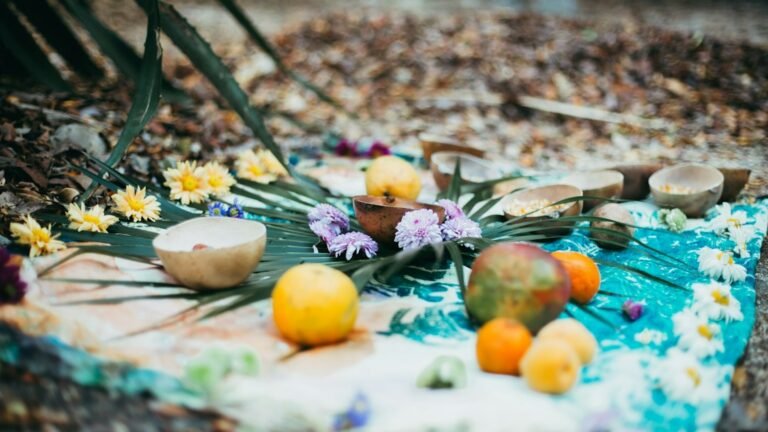
Offerings make relationships with gods, ancestors and sacred powers materially visible. Gifts can express reciprocity, devotion, gratitude, sacrifice and group commitment; costly-signalling models illuminate some public effects but cannot substitute…
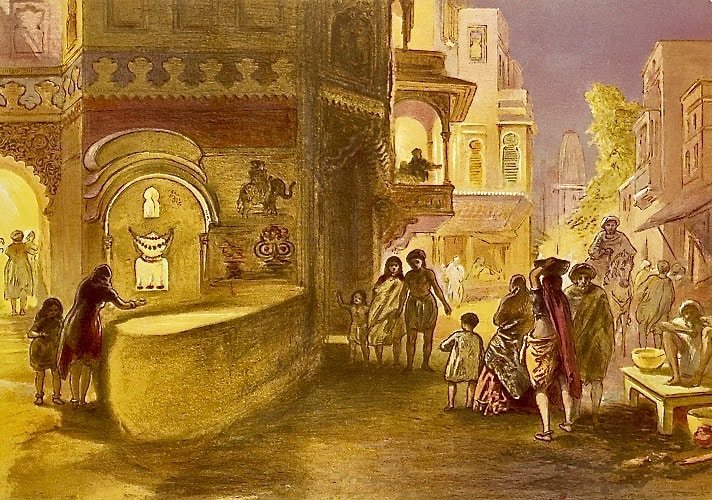
Diwali’s lamps are historically and religiously meaningful symbols whose interpretations vary across Hindu, Jain, Sikh and regional traditions. Light makes sacred time visible and transforms homes and streets; modern science…
 tradivior