Partially Supported
Explore by topic, region and evidence
Used when important parts of a traditional or modern claim are supported but other elements remain weak, exaggerated, unproven or context-dependent.
-
Why Do New Year Festivals Cluster Around Seasonal Turning Points?
Why do New Year festivals mark different seasonal thresholds? Compare calendar rules, cultural meanings and the evidence for fresh starts across civilizations.
-
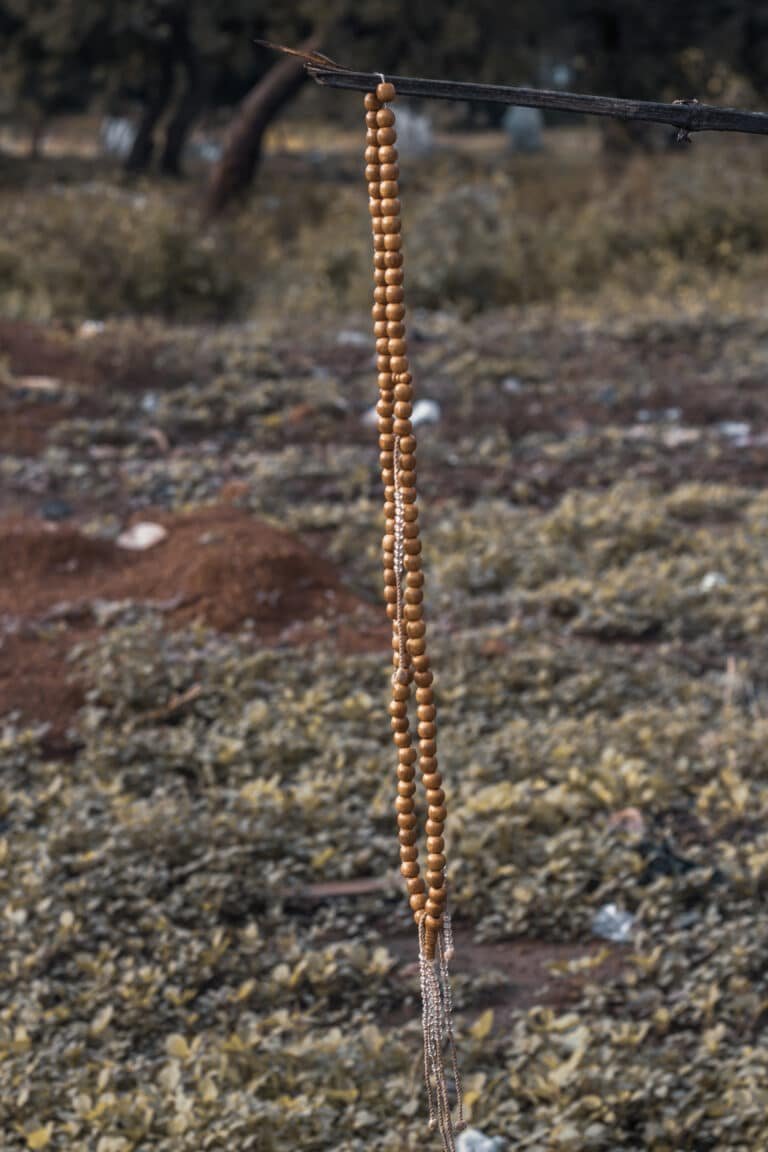
Why Do Humans Repeat Rituals?
Rituals repeat because fixed sequences create predictability, memory, identity and coordination. Experiments suggest ritualized repetition can regulate anxiety and social connection, while mantra repetition shows small benefits for psychological distress;…
-
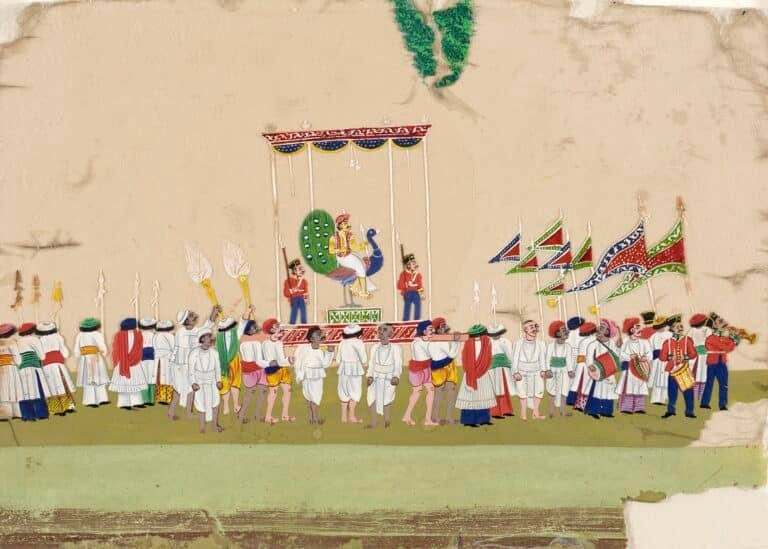
Why Do Religious Processions Take Sacred Things Into the Street?
Religious processions move sacred presence, symbols and communities through public space. They can expand shared identity through coordinated movement and visibility, but the same public occupation can mark boundaries and…
-
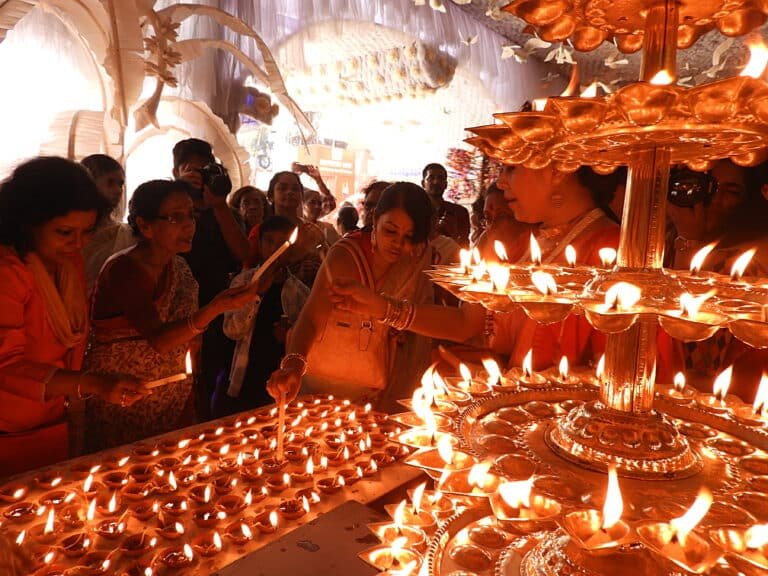
Why Do Festivals Bring Entire Communities Together?
Festivals concentrate shared time, symbols, music, food and synchronized action, making community membership unusually visible. Research links co-participation and synchrony with stronger social ties, but cohesion can be inward-facing and…
-
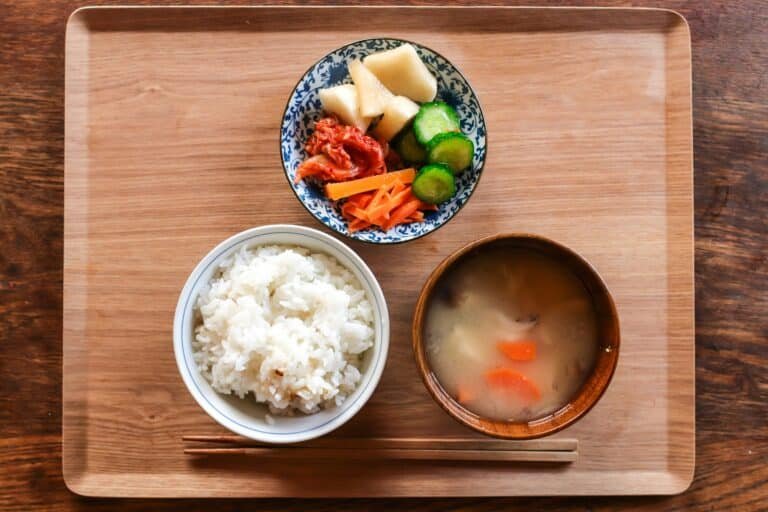
Why Did Traditional Japanese Diets Emphasize Variety and Small Portions?
Traditional Japanese diets combined rice with vegetables, fish, soy foods, seaweeds, fermented products and many small side dishes. Cohort evidence links Japanese-style dietary patterns with lower cardiovascular mortality, but high…
-

Why Was Turmeric More Than a Kitchen Spice?
Turmeric earned culinary, medicinal and ritual roles in South Asia long before curcumin was isolated. Modern trials show effects from concentrated turmeric/curcumin supplements for some outcomes, but bioavailability is low…
-

Why Did Spices Become Central to Indian Cooking?
Indian spice use is ancient, culinary and economically important. Many spices have antimicrobial and bioactive compounds, but flavour, trade, agriculture and cuisine explain their centrality better than any single health…
-

Why Did Ayurveda Change Food With the Seasons?
Ayurvedic ritucharya is a genuine classical seasonal regimen linking food, behaviour and climate. Modern physiology supports adaptation to heat, cold, daylight and seasonal food supply, but evidence does not validate…
-

Why Did Indians Fast on Particular Days?
Why do Indian fasts fall on particular lunar dates, weekdays and festivals? The historical record points to vows and sacred calendars; modern fasting science reveals real metabolic effects—but not the…
-
Why Did Religions Across the World Practice Fasting?
Why did fasting emerge across Judaism, Christianity, Islam, Hinduism, Jainism and Buddhism? The evidence points to multiple religious purposes—not one hidden metabolic origin—while modern science confirms that different fasting protocols…
-

Why Has Infant Massage Survived Across Cultures?
Infant massage survives across cultures because touch, soothing and skin care are fundamental forms of caregiving. Modern evidence supports parts of the practice—but oils, techniques and claims are not interchangeable.
-

Why Was Daily Oil Massage Part of Ayurvedic Life?
Ayurveda made oil massage part of daily life. Modern evidence supports some modest relaxation and skin-care effects—but not the sweeping detoxification and disease-prevention claims often attached to abhyanga.