 tradivior
Partially Supported
Explore by topic, region and evidence
Used when important parts of a traditional or modern claim are supported but other elements remain weak, exaggerated, unproven or context-dependent.
-
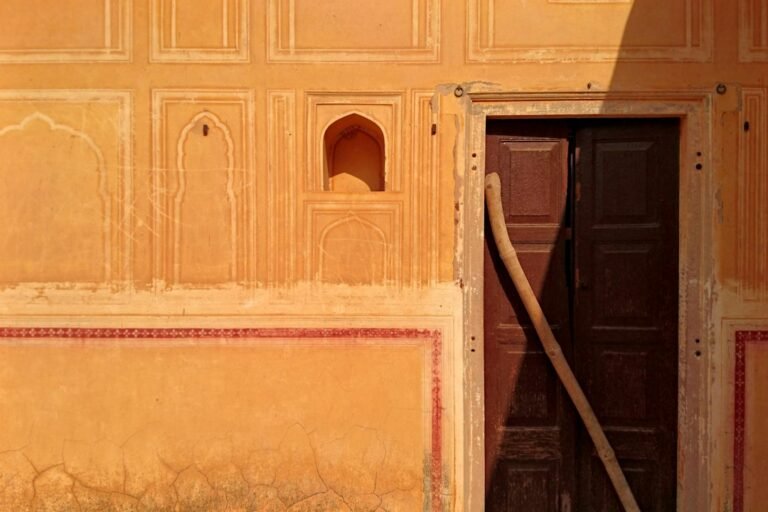
Why Do Many Cultures Orient Beds, Doors or Houses in Particular Directions?
Directional building rules can have real effects through sun, wind and daylight, but the optimal orientation is climate-specific. Evidence for universal magnetic-health claims about bed direction remains weak.
-

Why Do Traditions Treat Dreams as Messages?
Dreams have served as omens, healing signs, philosophical evidence and sources of authority across civilizations. Modern science supports links to memory and emotion, but not a universal symbolic code or…
-
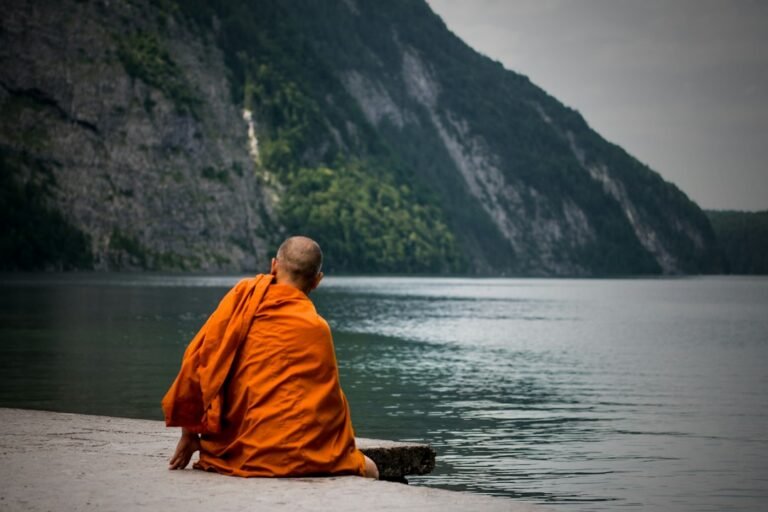
Why Do Humans Seek Solitude for Insight?
Solitude has served prayer, meditation, ascetic discipline and reflection across cultures. Modern evidence supports benefits when aloneness is chosen and meaningful, while loneliness and imposed isolation are fundamentally different states.
-
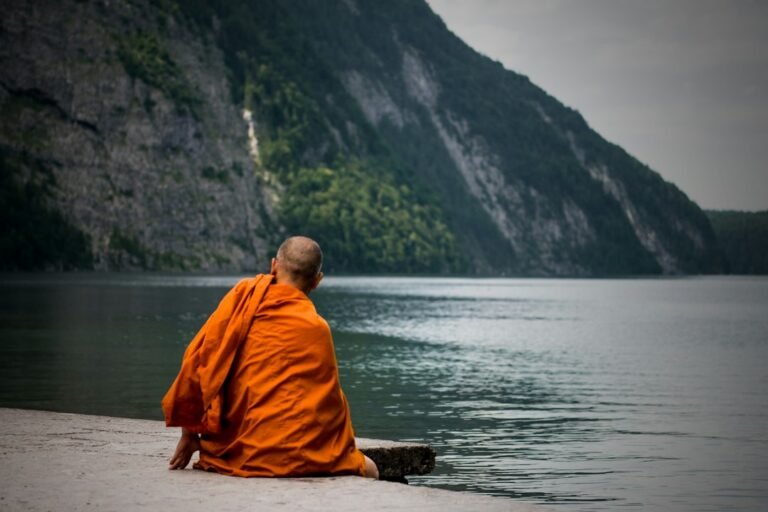
Why Do Traditions Use Silence as a Discipline?
Silence became a discipline across Jain, Buddhist, Hindu and Christian traditions for restraint, contemplation and protection from distraction. Modern psychology supports plausible attentional mechanisms, but retreat benefits cannot be attributed…
-
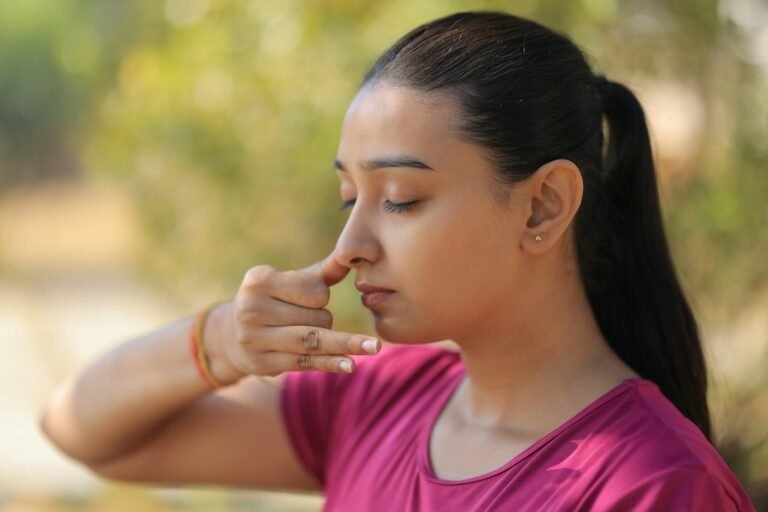
Why Did Indian Traditions Develop Pranayama?
Pranayama evolved through classical and medieval Indian yoga as a discipline of breath, attention and vital-force regulation. Modern evidence supports real autonomic and cardiovascular effects for some techniques, while broad…
-
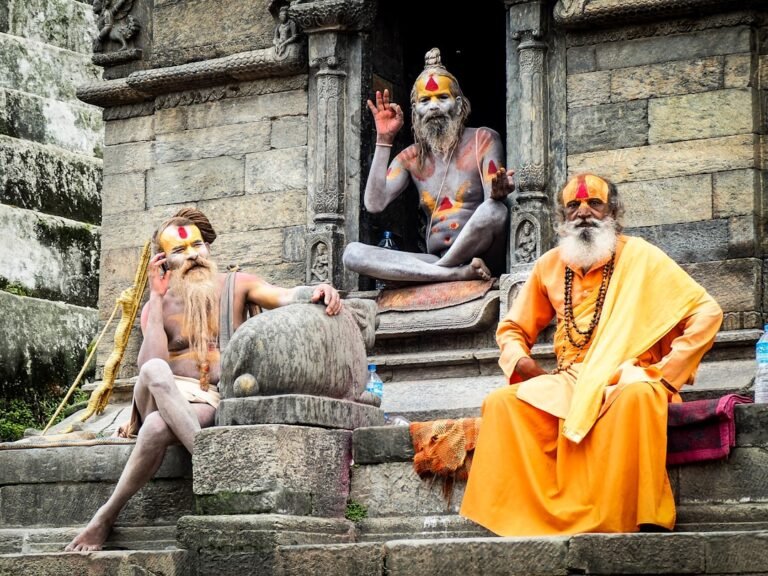
Why Do Ascetics Renounce Comfort?
Fasting, celibacy, silence, poverty, solitude and bodily discipline recur in ascetic traditions worldwide. Tradivior will ask why voluntarily giving up comfort became spiritually powerful and whether psychology and physiology explain…
-
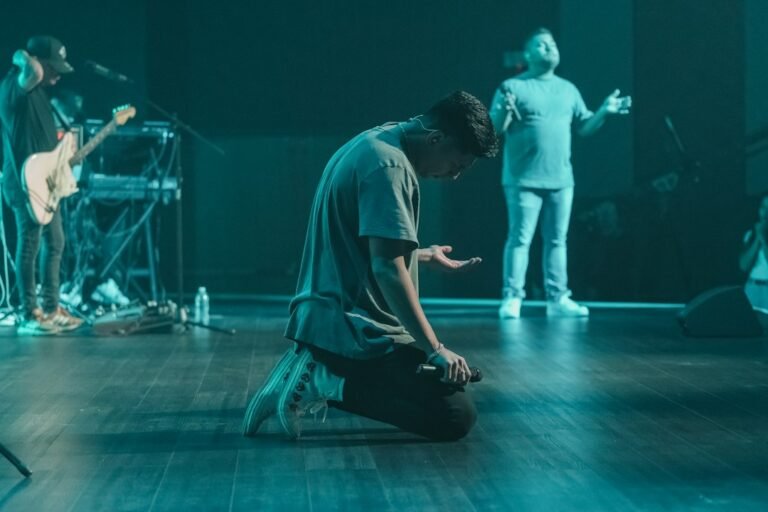
Why Do Christians Kneel, Stand and Make the Sign of the Cross?
Christian worship has long used posture and gesture to make belief visible in the body. Tradivior will examine how kneeling, standing and the sign of the cross developed across churches,…
-
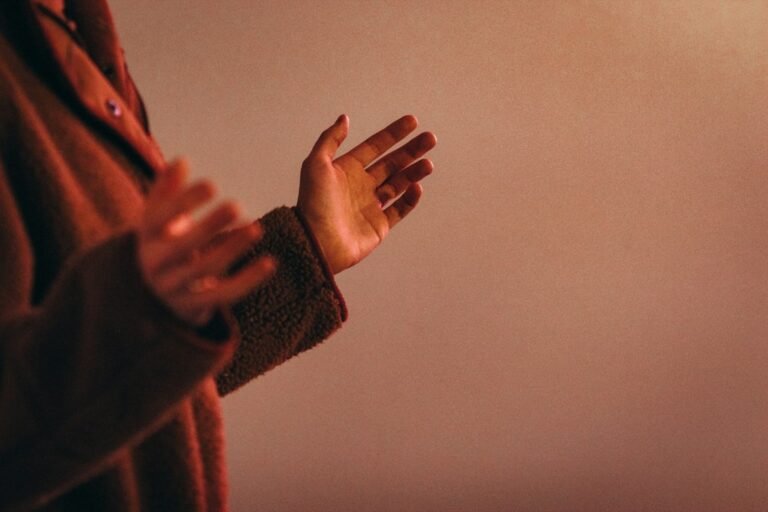
Why Do Humans Pray?
Prayer appears in radically different religious traditions as petition, praise, confession, gratitude, remembrance and disciplined attention. Tradivior will investigate what prayer has historically meant, what psychology and neuroscience can actually…