 tradivior
Aadvik Agastya
Explore by topic, region and evidence
-
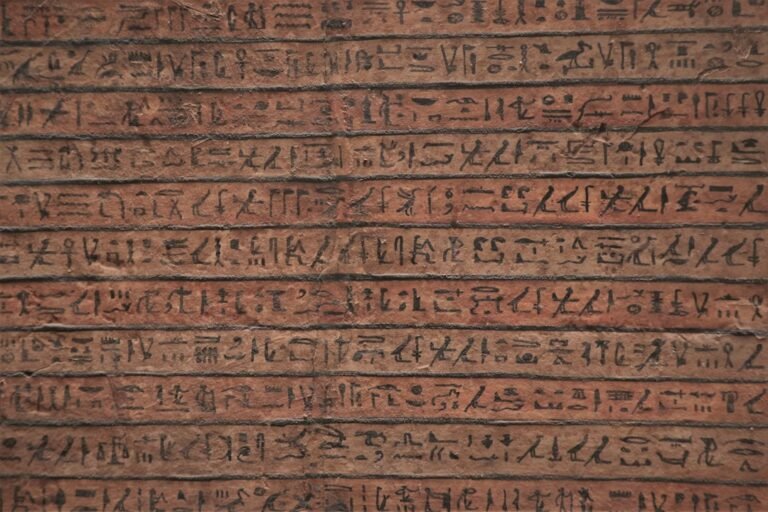
Why Did Zero Become a Number?
Cultures used placeholders long before zero became a fully operational number. Tradivior will trace the crucial South Asian developments, earlier precedents and later transmission without turning a complex mathematical history…
-

Why Do Societies Create Prohibitions Around Sacred Days, Places and Objects?
Sacred time and space are often protected by rules about work, food, touch, speech or access. Tradivior will investigate how prohibitions create boundaries and commitment, and when they also conserve…
-
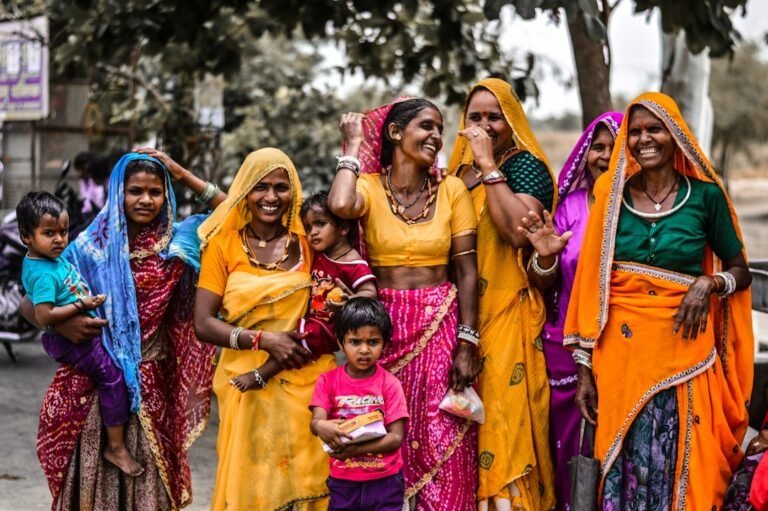
Why Do Menstrual Taboos Appear Across Cultures?
Menstruation has been treated as sacred, dangerous, polluting, powerful or private in different societies. Tradivior will investigate why restrictions emerged and distinguish rest or privacy from exclusion that harms health…
-

Why Are Certain Spaces or People Considered Polluting?
Ideas of contamination often extend far beyond dirt or microbes to death, sexuality, caste, food and sacred boundaries. Tradivior will compare ritual pollution systems with modern disgust science without equating…
-
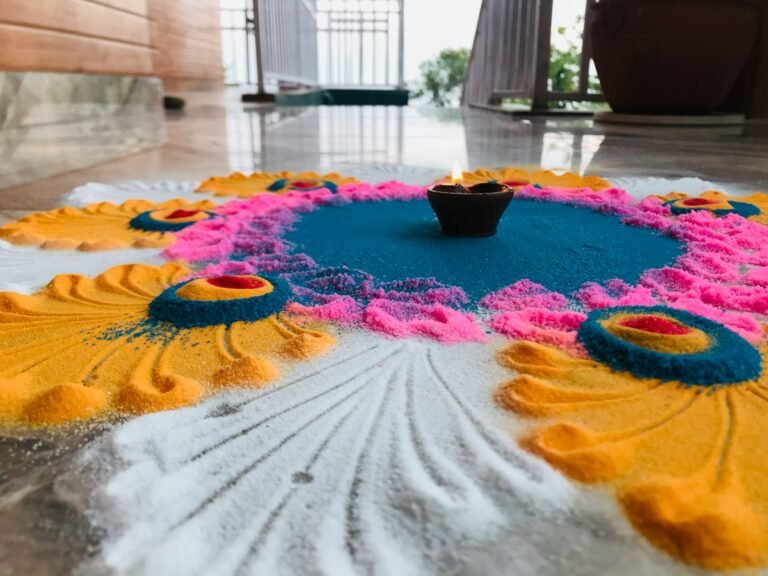
Why Do Protective Symbols Mark Doors and Bodies?
Hands, eyes, crosses, yantras, knots and painted marks frequently guard thresholds or bodies. Tradivior will compare how visible symbols define boundaries and reduce anxiety without assuming that they exert physical…
-
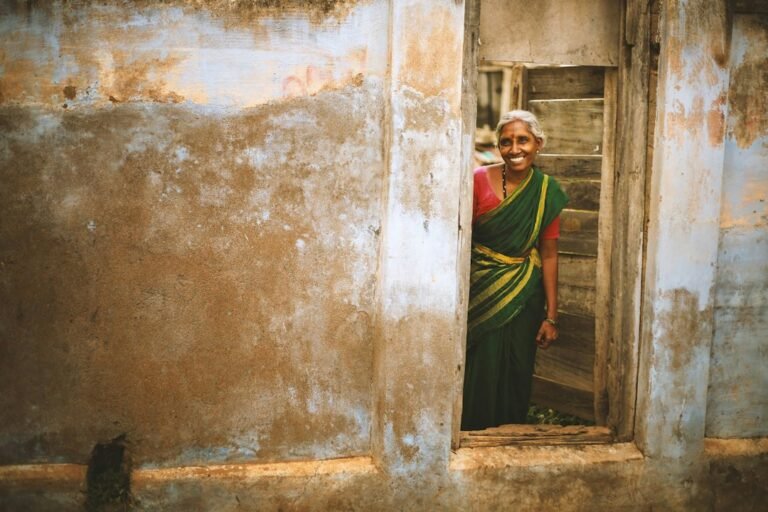
Why Do Cultures Isolate People After Birth, Death or Illness?
Isolation can reflect infection control, ritual danger, grief, recovery or stigma depending on context. Tradivior will compare these practices carefully so real quarantine logic is not projected onto every traditional…
-
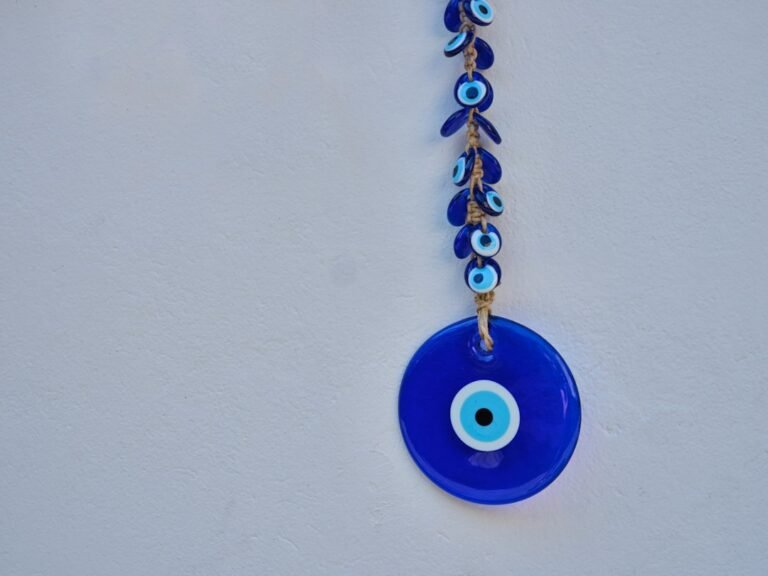
Why Is the Evil Eye Found Across Cultures?
Belief that envy or attention can cause harm appears from the Mediterranean and Middle East to South Asia and Latin America. Tradivior will investigate why the idea travels so well…
-
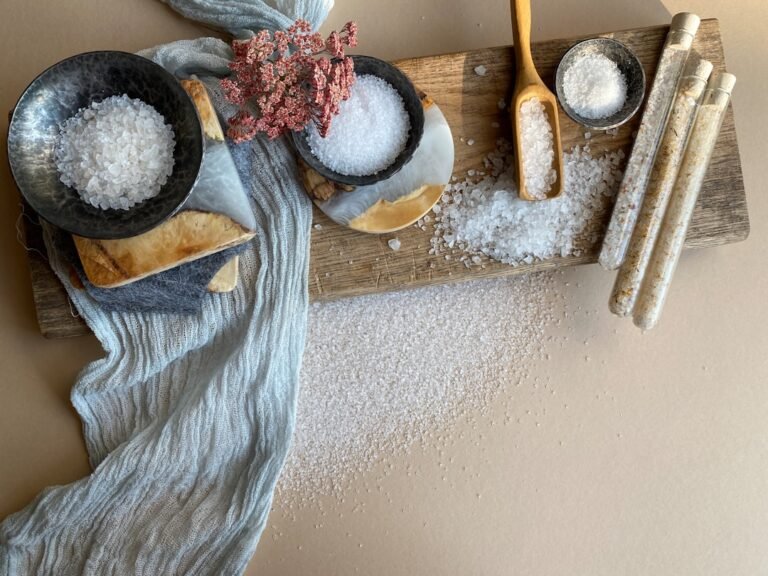
Why Do People Use Salt for Protection and Purification?
Salt preserves food and inhibits many microbes, but those real properties are often used to justify much broader ritual claims. Tradivior will trace salt symbolism and separate material chemistry from…
-
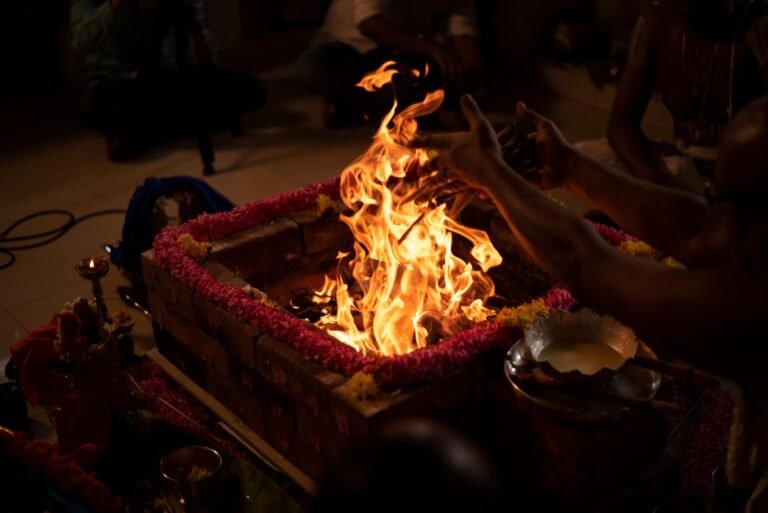
Why Do Indians Wave Camphor Flame in Aarti?
Camphor flame in aarti is often given modern explanations about air purification and energy. Tradivior will trace the ritual meaning of light and offering while testing whether burning camphor meaningfully…
-
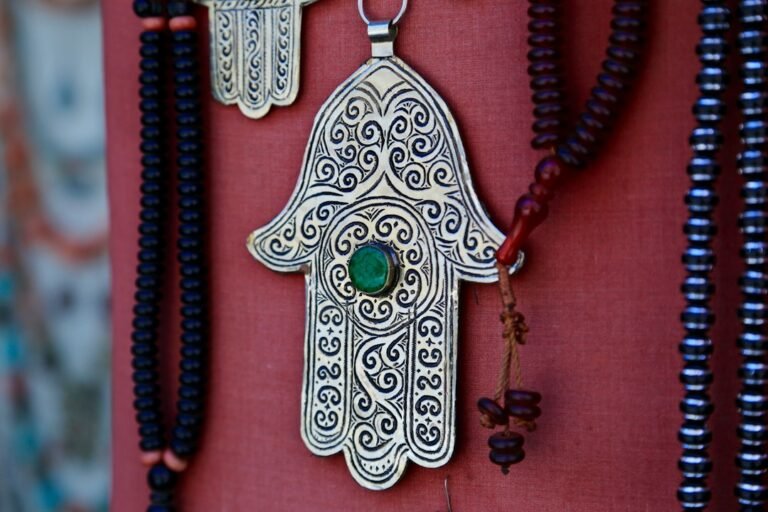
Why Do Humans Carry Amulets and Talismans?
People have carried beads, written verses, metals, stones, teeth and charms for protection for thousands of years. Tradivior will examine why portable objects become containers of safety, identity and hope…
-
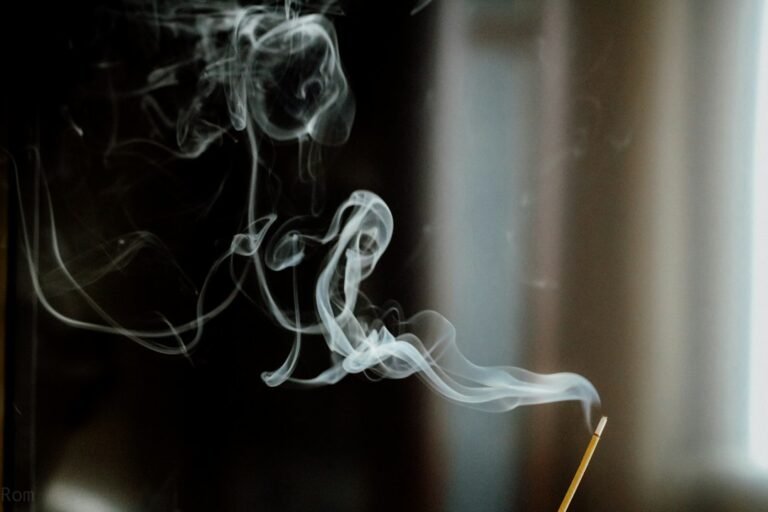
Why Do People Burn Incense?
Incense makes ritual visible through smoke and scent, but combustion also creates indoor pollutants. Tradivior will investigate why aromatic smoke became sacred and weigh sensory, antimicrobial and air-quality evidence carefully.
-
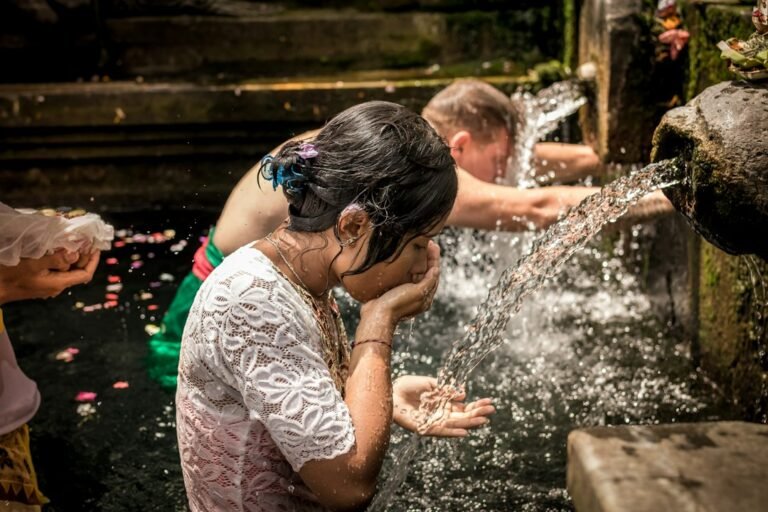
Why Do Religions Purify With Water?
Water can wash dirt, cool the body and symbolize moral renewal, making it a recurring medium of purification across religions. Tradivior will compare ritual washing while separating hygiene effects from…