Ancient
Explore by topic, region and evidence
Investigations into traditions rooted in ancient societies and early historical civilizations.
-

Why Do Humans Make Offerings to the Sacred?
Offerings make relationships with gods, ancestors and sacred powers materially visible. Gifts can express reciprocity, devotion, gratitude, sacrifice and group commitment; costly-signalling models illuminate some public effects but cannot substitute…
-
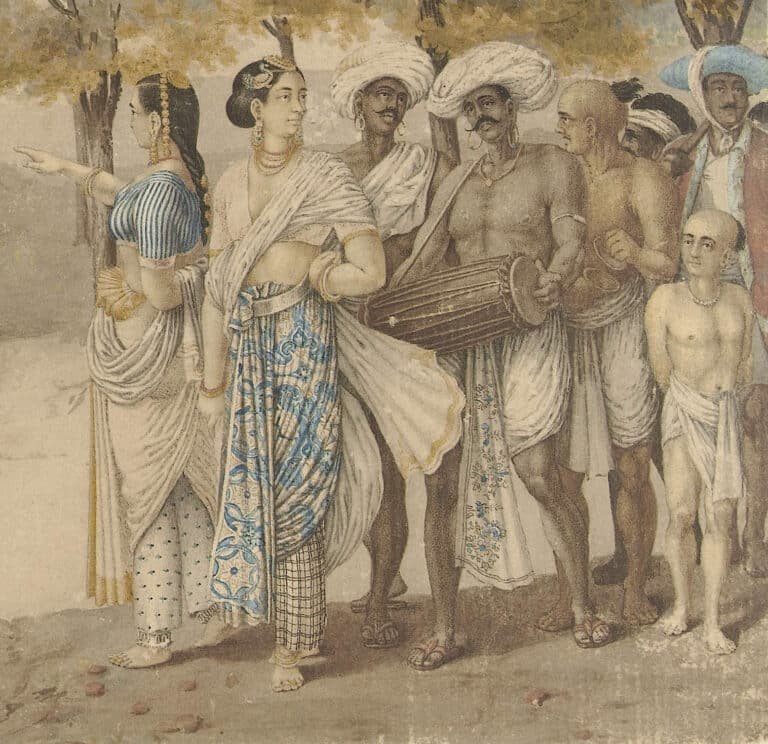
Why Do Humans Hold Funerals?
Funerals transform death from a private loss into a publicly recognized social transition. Archaeology shows deep roots for mortuary ritual, while anthropology and grief research support roles in social support,…
-
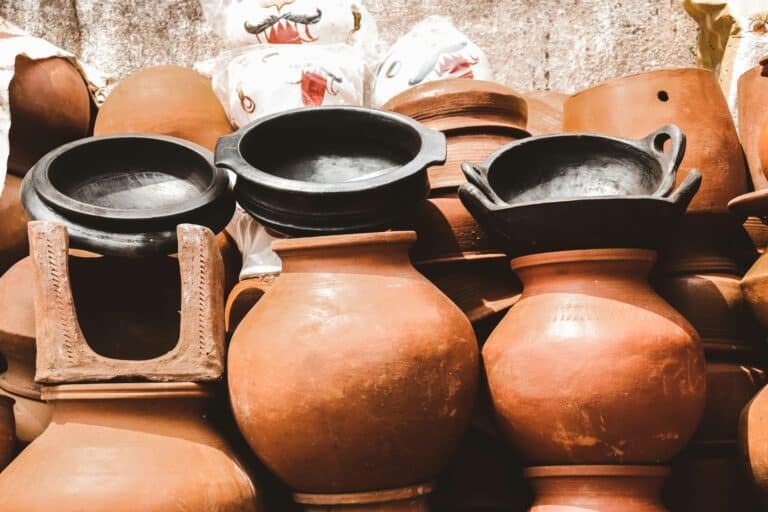
Why Did Humans Boil Food?
Boiling transformed human diets by making grains, pulses, roots, meat and water safer and softer in a single vessel. Heat kills most foodborne microbes and moist cooking improves digestibility, but…
-
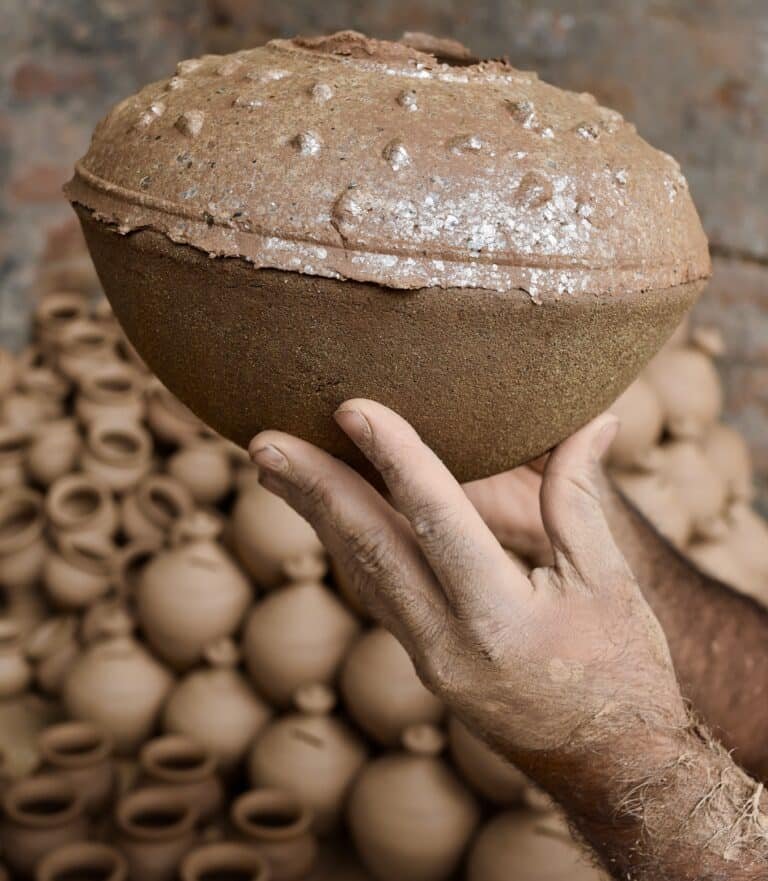
Why Did Humans Cook in Clay Pots?
Clay pots transformed cooking by making boiling, simmering and storage widely accessible. Their heat retention and porous structure can shape texture and moisture, but claims that clay universally detoxifies or…
-
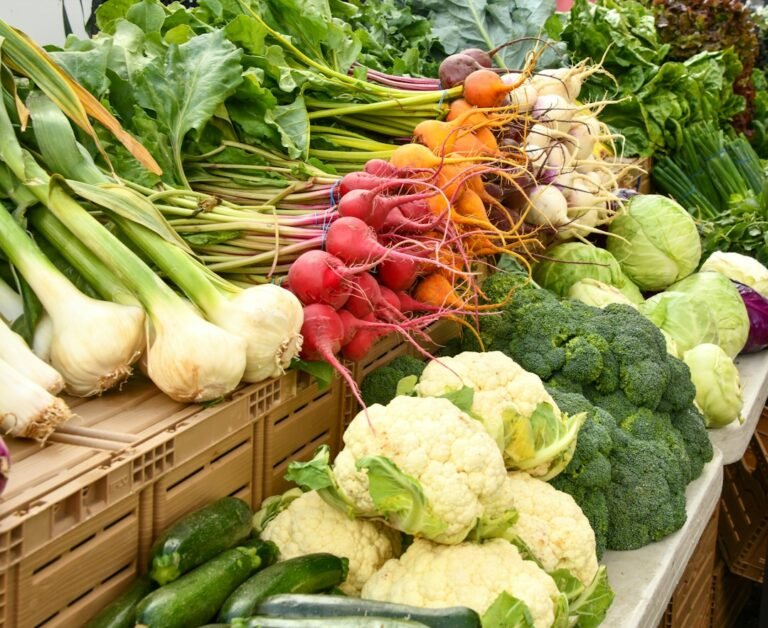
Why Did Ayurveda Change Food With the Seasons?
Ayurvedic ritucharya is a genuine classical seasonal regimen linking food, behaviour and climate. Modern physiology supports adaptation to heat, cold, daylight and seasonal food supply, but evidence does not validate…
-
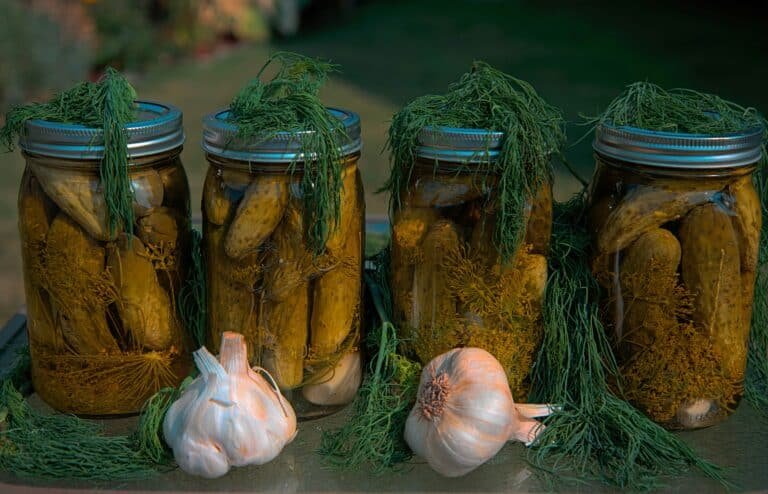
Why Did Pickling Become a Global Preservation Strategy?
Pickling became global because acidity is a powerful preservation tool. Fermented pickles create acid through lactic-acid bacteria; vinegar pickles add it directly. Both can be safe when properly controlled, but…
-
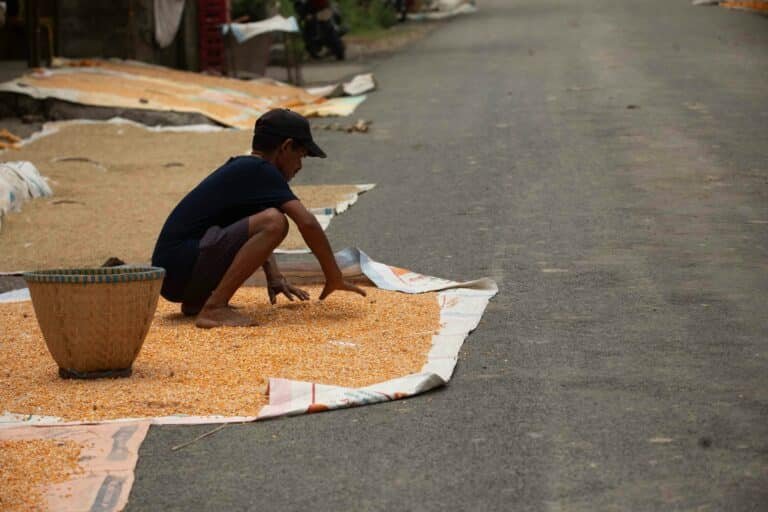
Why Did Humans Dry Food in the Sun?
Sun drying preserved food by removing the water microbes need to grow. The mechanism is robust and ancient, but drying is not sterilization: contamination, mould, nutrient loss and poor storage…
-

Why Did Humans Smoke Food?
Smoking preserved food by combining drying, heat and antimicrobial smoke compounds—and then survived because people came to value the flavour. Modern evidence also shows a trade-off: smoke can deposit carcinogenic…
-
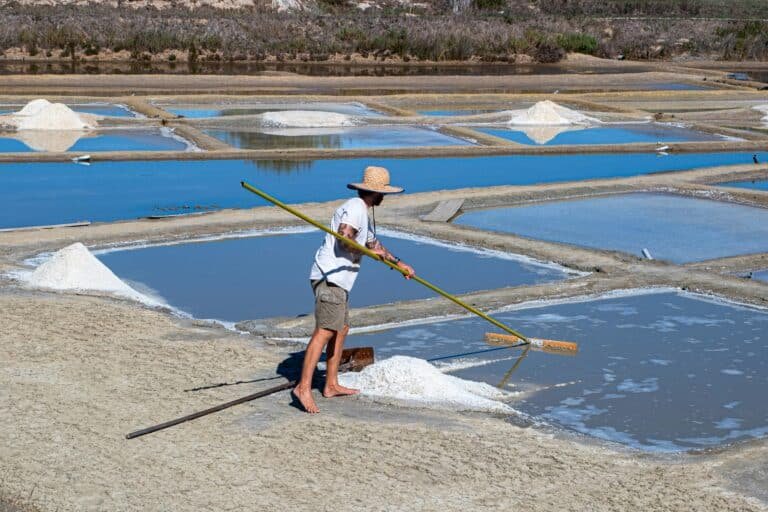
Why Did People Preserve Food With Salt?
Salt preserved food by reducing water activity and imposing osmotic stress on microbes, making it one of history’s most powerful pre-refrigeration tools. Its preservation value is real, but modern high-sodium…
-
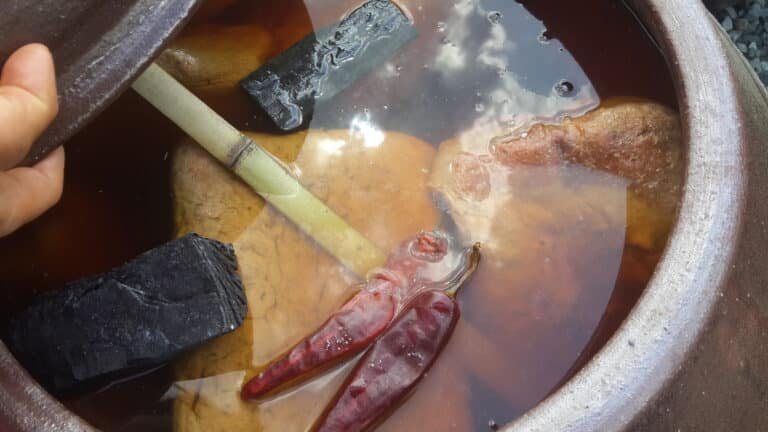
Why Did Humans Learn to Ferment Food?
Fermentation let humans steer invisible microbial ecosystems thousands of years before germ theory. Archaeology and microbiology strongly support preservation, sensory transformation and food-safety benefits—but fermented food is not automatically probiotic…
-

Why Was Daily Oil Massage Part of Ayurvedic Life?
Ayurveda made oil massage part of daily life. Modern evidence supports some modest relaxation and skin-care effects—but not the sweeping detoxification and disease-prevention claims often attached to abhyanga.
-

Why Did Ancient Indians Scrape Their Tongues?
Tongue scraping is an old Indian oral-care practice with a surprisingly straightforward modern rationale. What do systematic reviews actually say about tongue coating, bad breath and the limits of the…