 tradivior
Early Modern
Explore by topic, region and evidence
Investigations into traditions shaped during the early modern period, including expanding trade, empires and major cross-cultural exchange.
-
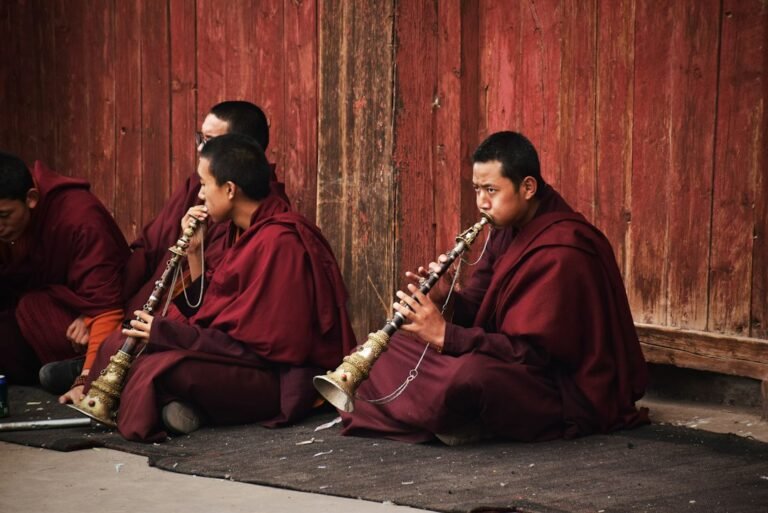
Why Do Buddhists Make Prostrations?
Prostration appears across Buddhist traditions as reverence, training and deliberate lowering of the self. Tradivior will compare its meanings across regions and ask what repetitive full-body ritual may do to…
-
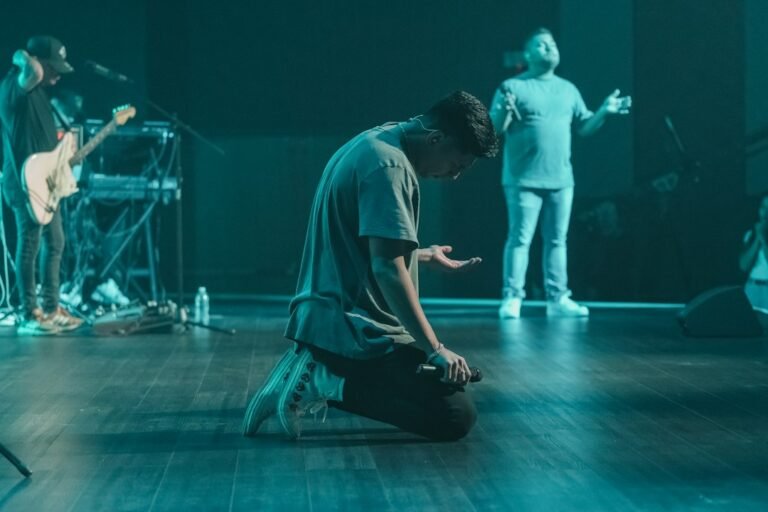
Why Do Christians Kneel, Stand and Make the Sign of the Cross?
Christian worship has long used posture and gesture to make belief visible in the body. Tradivior will examine how kneeling, standing and the sign of the cross developed across churches,…
-
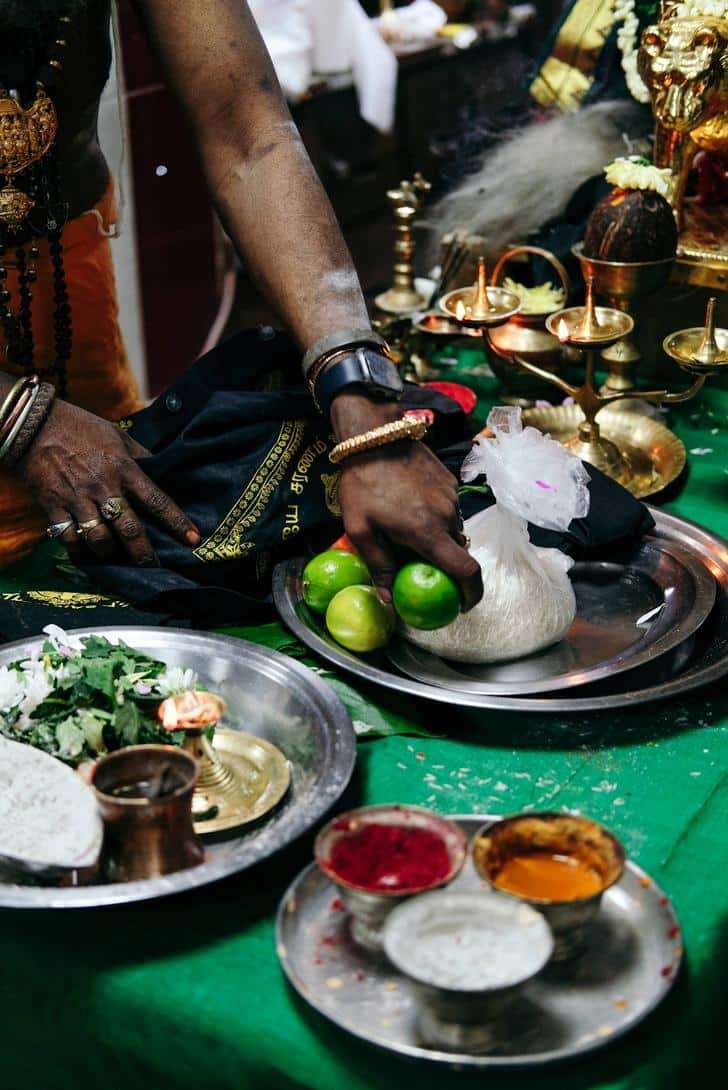
Why Do Hindus Perform Puja With Lamps, Water, Flowers and Food?
Puja brings together light, water, scent, food, touch and gesture in a highly structured act of worship. Tradivior will trace how these offerings developed, what they mean within Hindu traditions,…
-
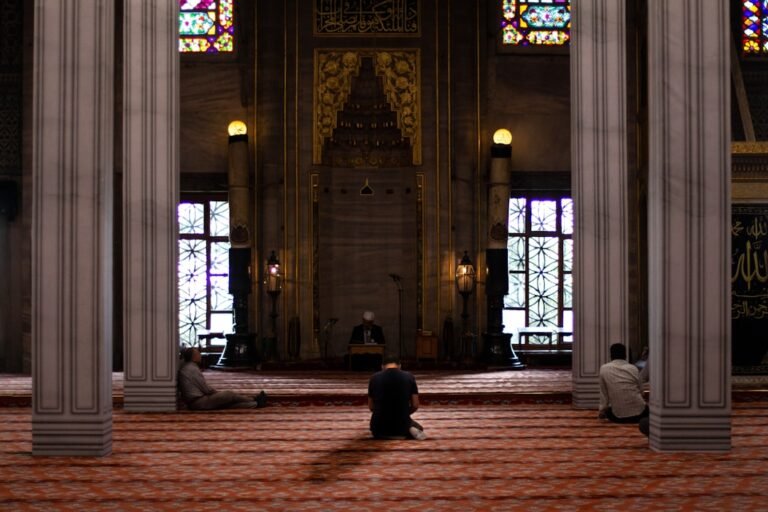
Why Do Muslims Pray at Fixed Times Each Day?
Five daily prayers structure Muslim time around repeated orientation, recitation and bodily movement. Tradivior will investigate the historical and theological logic of fixed prayer times, then ask what repeated daily…
-
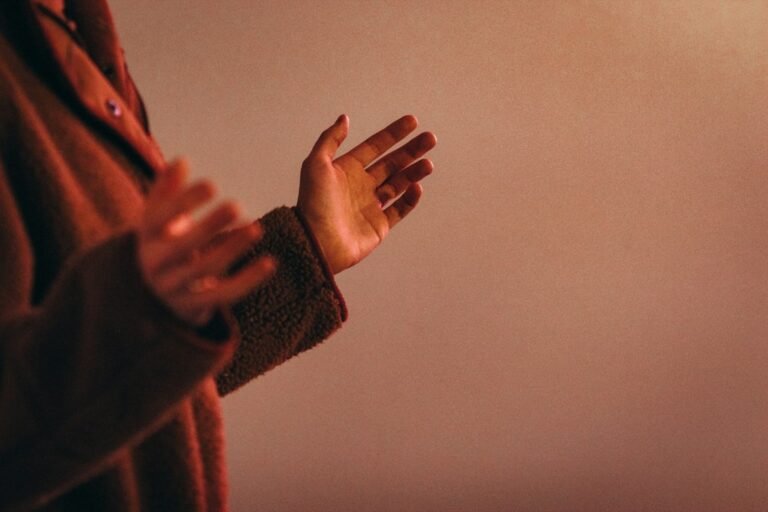
Why Do Humans Pray?
Prayer appears in radically different religious traditions as petition, praise, confession, gratitude, remembrance and disciplined attention. Tradivior will investigate what prayer has historically meant, what psychology and neuroscience can actually…