 tradivior
Foundation
Explore by topic, region and evidence
Core investigations that establish the editorial foundation of Tradivior and its major categories, questions and evidence framework.
-

Why Did Bathing Become a Daily Ritual in India?
Why did bathing become woven into Indian daily life? The answer runs through hygiene, climate, ritual purity and sacred water—and cannot be reduced to ancient germ theory.
-
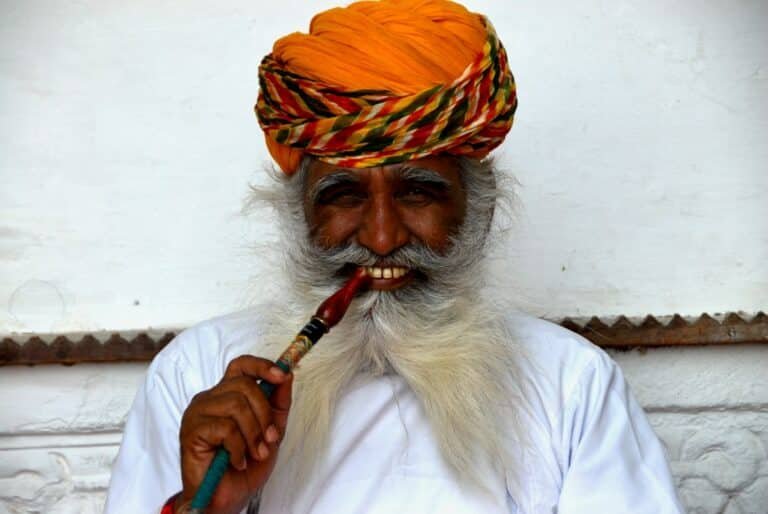
Why Did Ancient Indians Scrape Their Tongues?
Tongue scraping is an old Indian oral-care practice with a surprisingly straightforward modern rationale. What do systematic reviews actually say about tongue coating, bad breath and the limits of the…
-
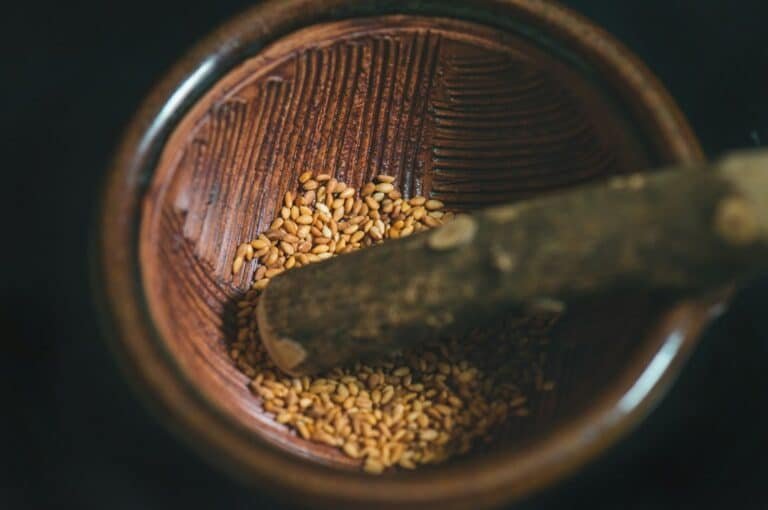
Why Did Indians Practice Oil Pulling?
Oil pulling is genuinely rooted in Ayurvedic oral care. But do modern claims about plaque, bacteria and detoxification match the evidence? Tradivior follows the practice from classical tradition to clinical…
-
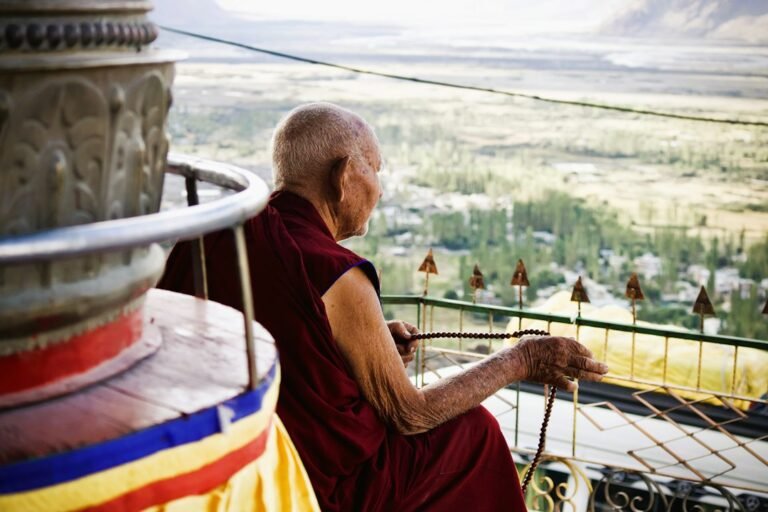
Why Do Buddhists Observe the Breath?
Ānāpānasati uses natural breathing as a field for mindfulness, concentration and insight. Modern research supports effects on attention, mind-wandering and interoception, while Buddhist claims of awakening remain outside ordinary laboratory…
-
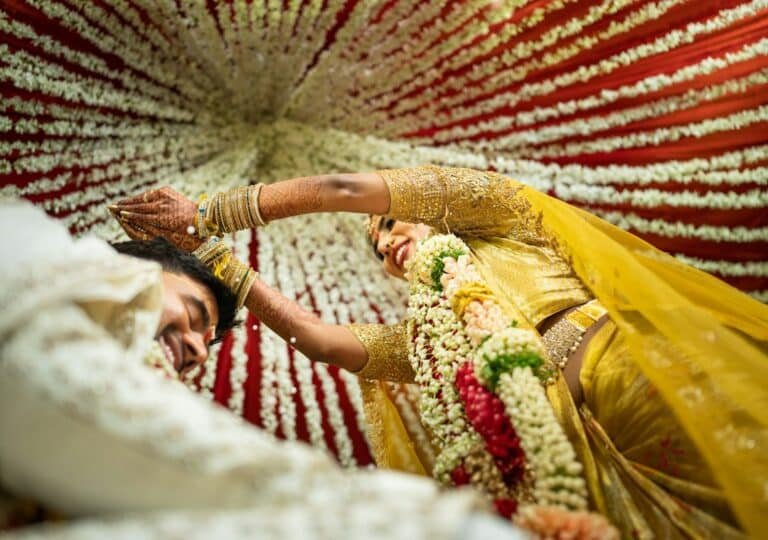
Why Do Indians Touch the Feet of Elders and Gurus?
Touching the feet of elders and gurus is often described today using sweeping claims about energy or nerves. Tradivior will separate those modern explanations from the practice’s historical logic of…
-
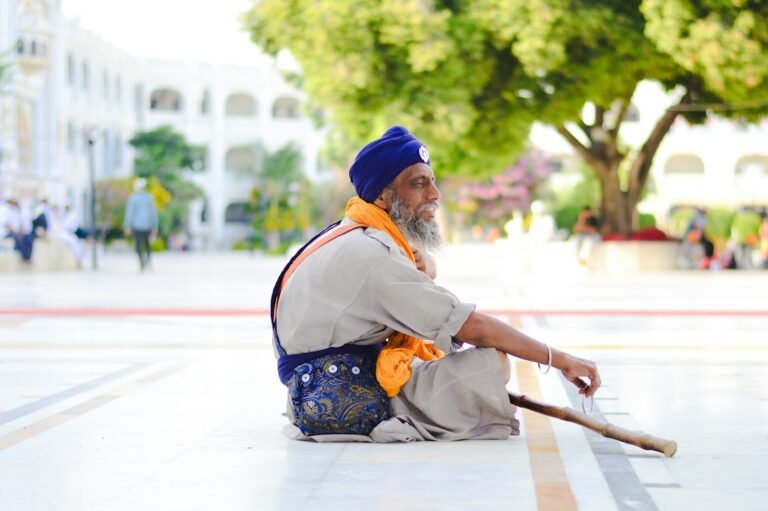
Why Do Sikhs Bow Before the Guru Granth Sahib?
In Sikh practice, bowing before the Guru Granth Sahib expresses reverence toward the Guru embodied in scripture. Tradivior will investigate the history of this relationship and what embodied deference does…
-
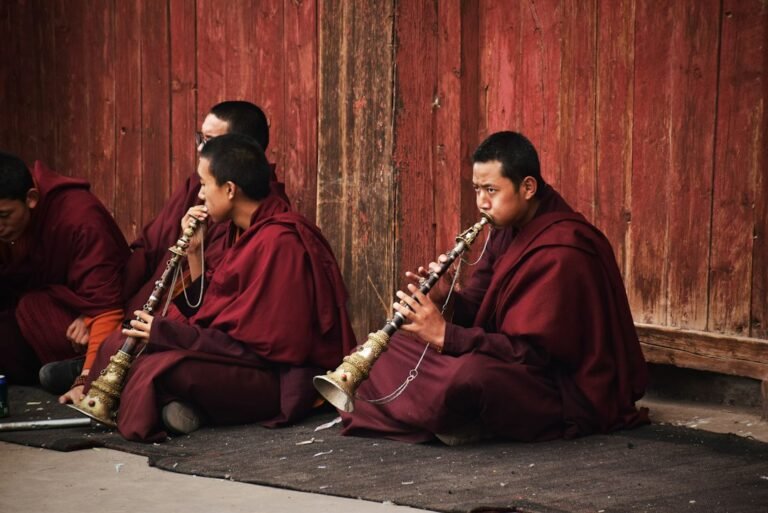
Why Do Buddhists Make Prostrations?
Prostration appears across Buddhist traditions as reverence, training and deliberate lowering of the self. Tradivior will compare its meanings across regions and ask what repetitive full-body ritual may do to…
-
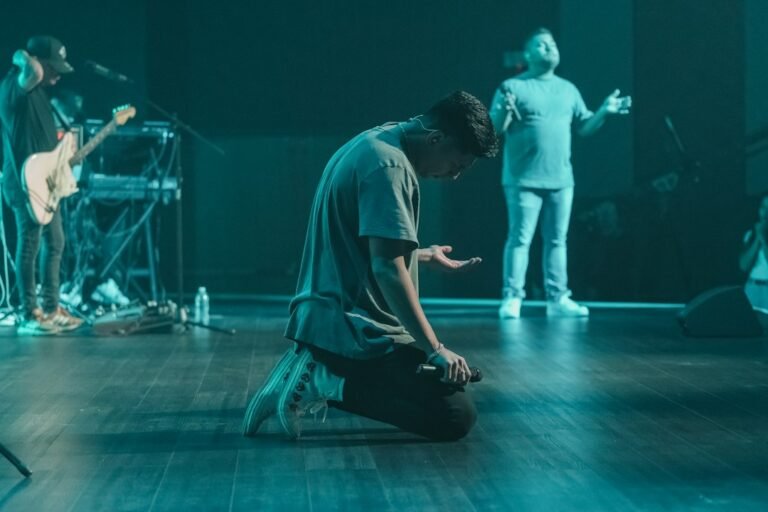
Why Do Christians Kneel, Stand and Make the Sign of the Cross?
Christian worship has long used posture and gesture to make belief visible in the body. Tradivior will examine how kneeling, standing and the sign of the cross developed across churches,…
-
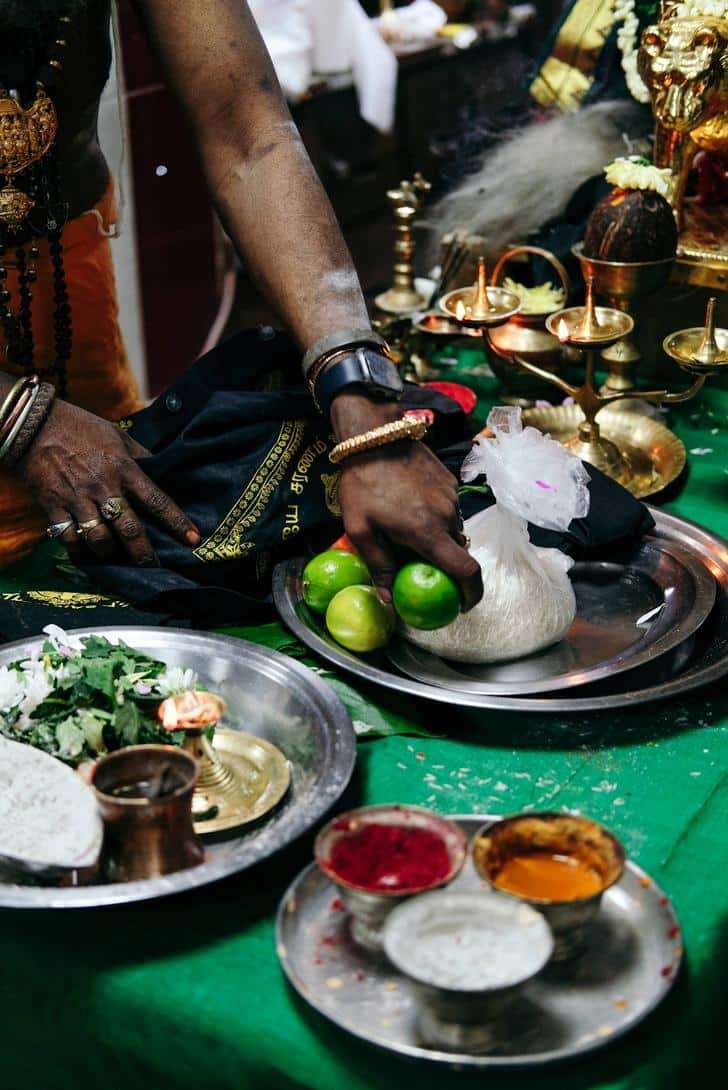
Why Do Hindus Perform Puja With Lamps, Water, Flowers and Food?
Puja brings together light, water, scent, food, touch and gesture in a highly structured act of worship. Tradivior will trace how these offerings developed, what they mean within Hindu traditions,…
-
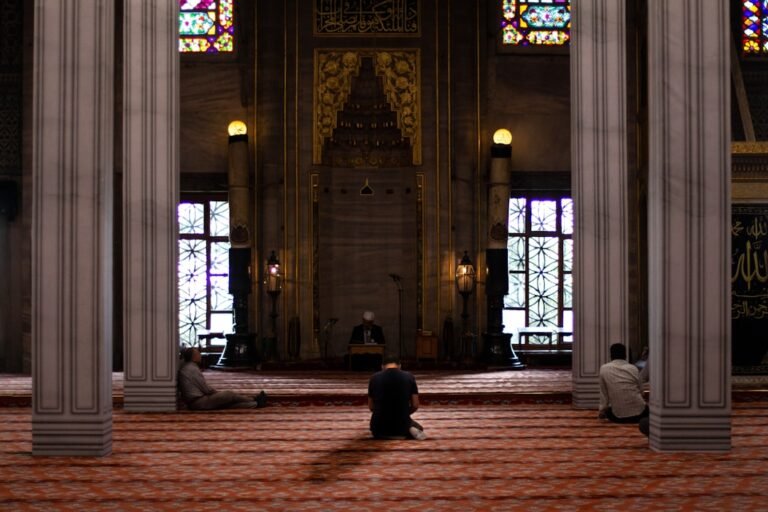
Why Do Muslims Pray at Fixed Times Each Day?
Five daily prayers structure Muslim time around repeated orientation, recitation and bodily movement. Tradivior will investigate the historical and theological logic of fixed prayer times, then ask what repeated daily…