 tradivior
Folk
Explore by topic, region and evidence
Investigations into local and folk religious practices that do not fit neatly within a single formal institutional tradition.
-

Why Are Certain Spaces or People Considered Polluting?
Ideas of contamination often extend far beyond dirt or microbes to death, sexuality, caste, food and sacred boundaries. Tradivior will compare ritual pollution systems with modern disgust science without equating…
-
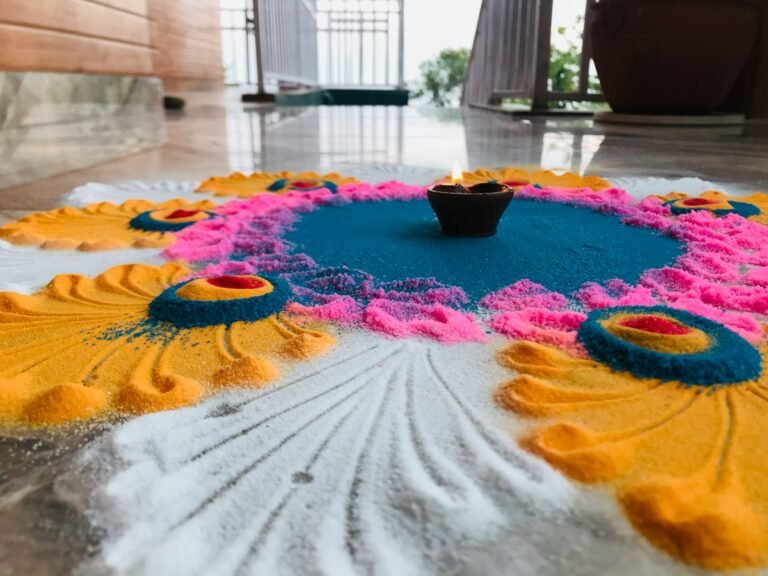
Why Do Protective Symbols Mark Doors and Bodies?
Hands, eyes, crosses, yantras, knots and painted marks frequently guard thresholds or bodies. Tradivior will compare how visible symbols define boundaries and reduce anxiety without assuming that they exert physical…
-
Why Do Cultures Isolate People After Birth, Death or Illness?
Isolation can reflect infection control, ritual danger, grief, recovery or stigma depending on context. Tradivior will compare these practices carefully so real quarantine logic is not projected onto every traditional…
-
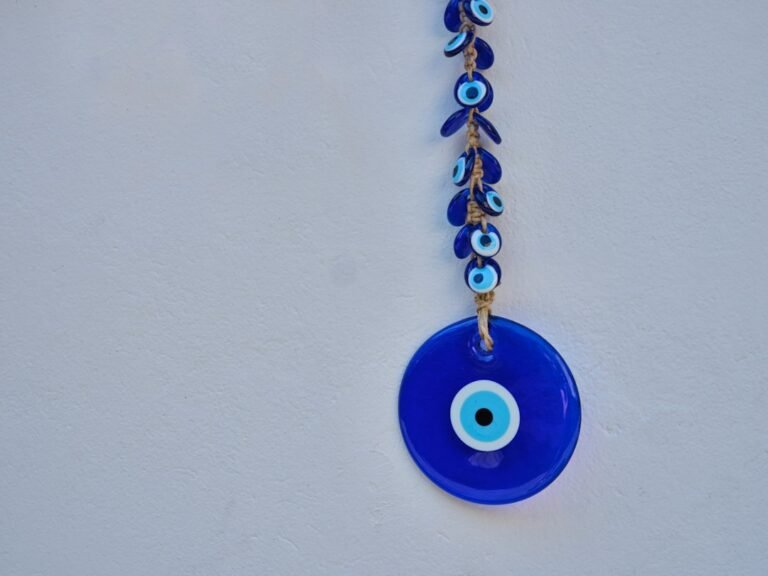
Why Is the Evil Eye Found Across Cultures?
Belief that envy or attention can cause harm appears from the Mediterranean and Middle East to South Asia and Latin America. Tradivior will investigate why the idea travels so well…
-
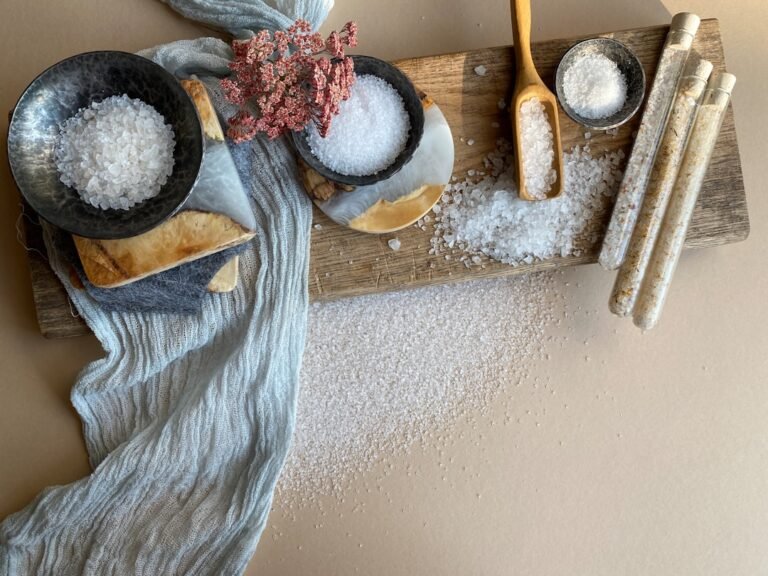
Why Do People Use Salt for Protection and Purification?
Salt preserves food and inhibits many microbes, but those real properties are often used to justify much broader ritual claims. Tradivior will trace salt symbolism and separate material chemistry from…
-

Why Do Humans Carry Amulets and Talismans?
People have carried beads, written verses, metals, stones, teeth and charms for protection for thousands of years. Tradivior will examine why portable objects become containers of safety, identity and hope…
-
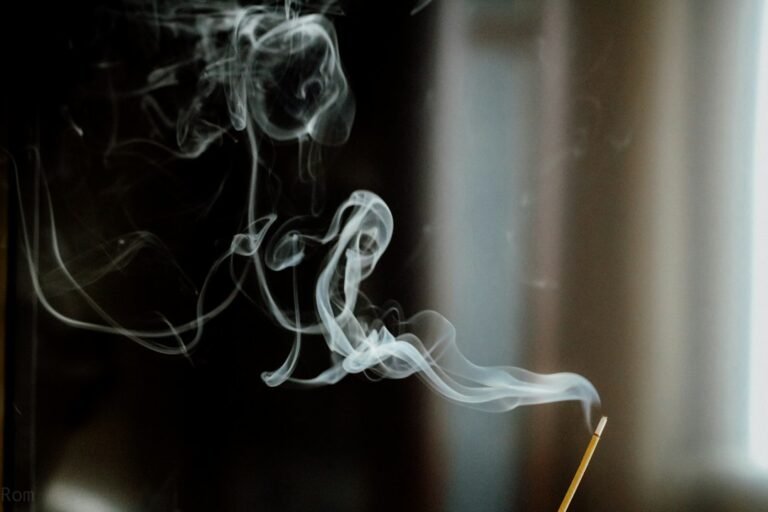
Why Do People Burn Incense?
Incense makes ritual visible through smoke and scent, but combustion also creates indoor pollutants. Tradivior will investigate why aromatic smoke became sacred and weigh sensory, antimicrobial and air-quality evidence carefully.
-

Can Sound Heal the Body?
Mantras, singing bowls, tuning systems and ‘healing frequencies’ are increasingly marketed with biomedical claims. Tradivior will separate relaxation and music effects from unsupported assertions that particular frequencies cure disease or…
-
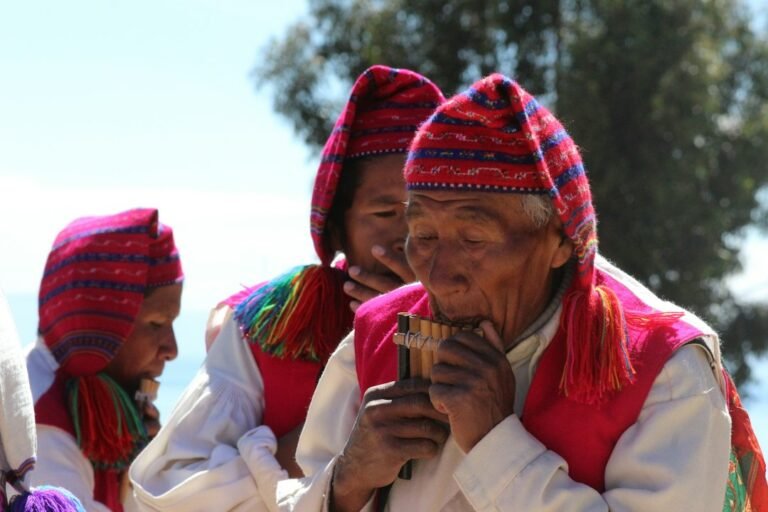
Why Do Oral Traditions Use Rhythm and Melody to Remember?
Epic poems, genealogies, prayers and work knowledge often survive through metre, rhyme, melody and formula. Tradivior will examine how oral cultures engineered memory before writing was widespread.
-
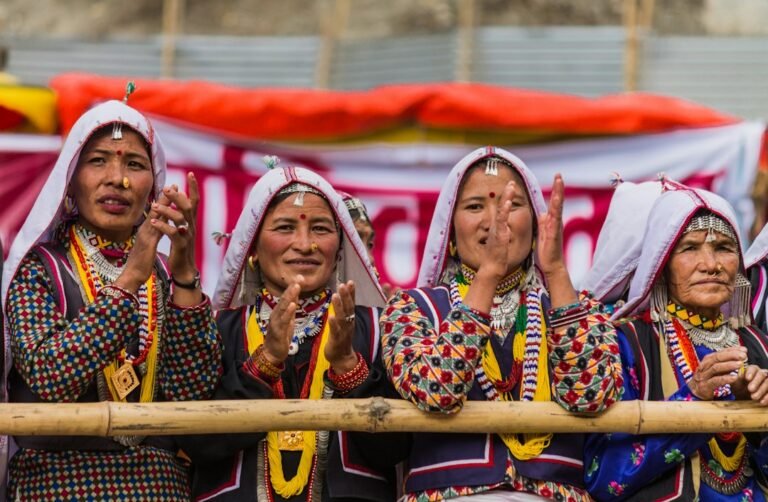
Why Do Work Songs and Collective Chants Synchronize Groups?
Rowers, labourers, soldiers and protesters have used rhythm to coordinate effort and create solidarity. Tradivior will examine when synchronized sound improves timing or endurance and when its main power is…
-
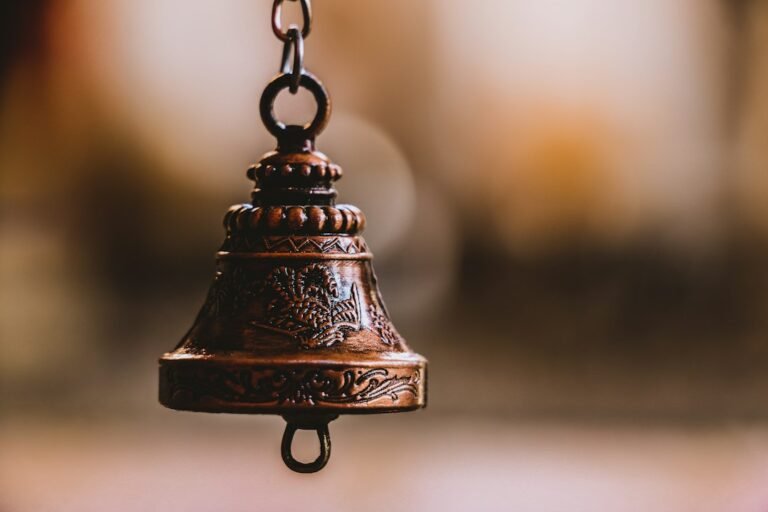
Why Do Certain Sounds Feel Sacred?
A chant, bell, organ, drum or call to prayer can feel sacred to one listener and ordinary to another. Tradivior will investigate how acoustics, repetition, memory, expectation and cultural learning…
-
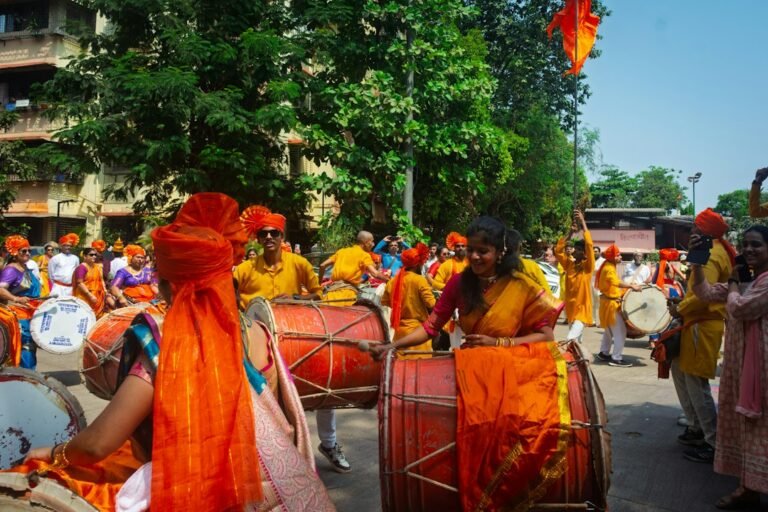
Why Do Drums Drive Trance and Procession?
Drumming can organize marching, dance, ritual possession and communal excitement with extraordinary efficiency. Tradivior will examine how rhythm entrains movement and attention without assuming that every drum tradition aims at…