 tradivior
Folk
Explore by topic, region and evidence
Investigations into local and folk religious practices that do not fit neatly within a single formal institutional tradition.
-

Why Did So Many Cultures Practice Postpartum Confinement?
Why did cultures across the world create protected periods after childbirth? The strongest insight may be social rather than mystical: recovery, food and redistributed labour—alongside restrictions whose benefits are far…
-
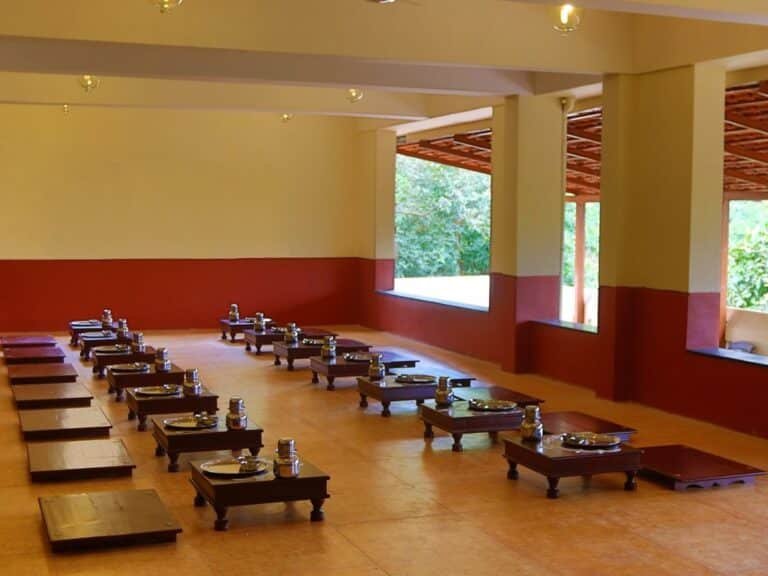
Why Did Indians Traditionally Sit on the Floor to Eat?
Indians traditionally ate close to the ground, but was the practice really designed to improve digestion? The evidence points more strongly to material culture, social custom and functional movement than…
-
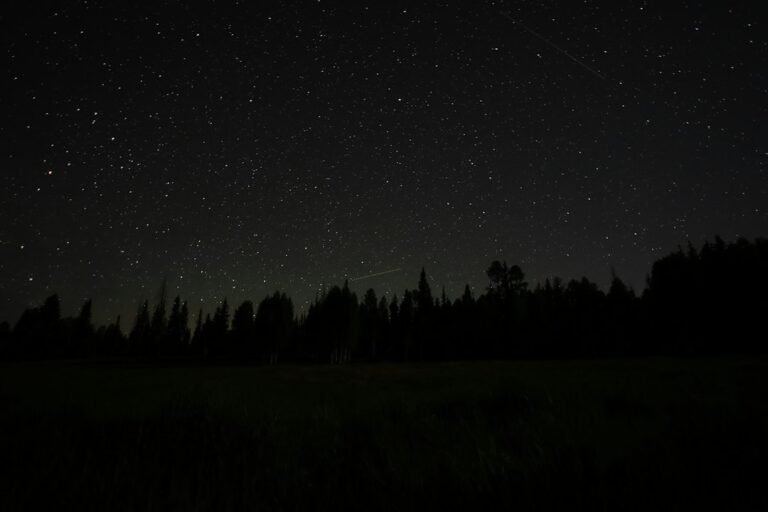
Why Did Farmers Read the Pleiades and Other Stars?
Farmers watched the Pleiades and other stars because seasonal stellar appearances are predictable. Heliacal risings act as annual calendar markers for planting, harvest and travel without implying that stars cause…
-
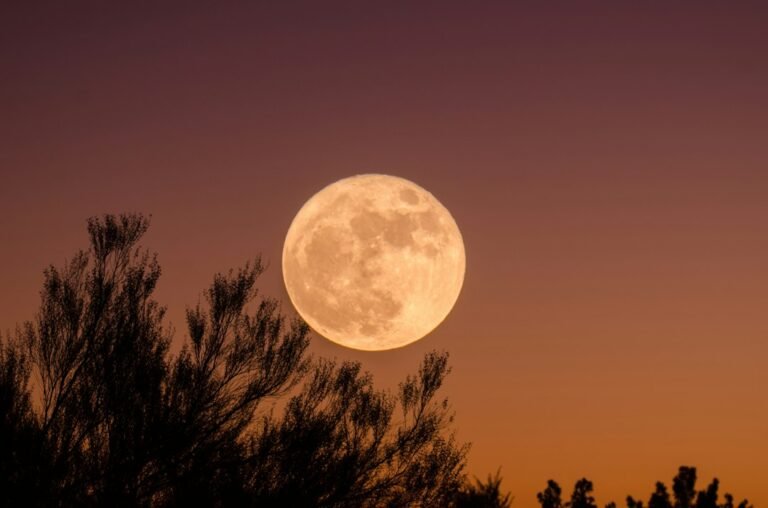
Why Did Humans Watch the Moon So Closely?
Humans watched the Moon because it was genuinely useful: a visible calendar, source of night illumination, tidal marker and ecological cue. Modern science strongly supports those functions while rejecting many…
-
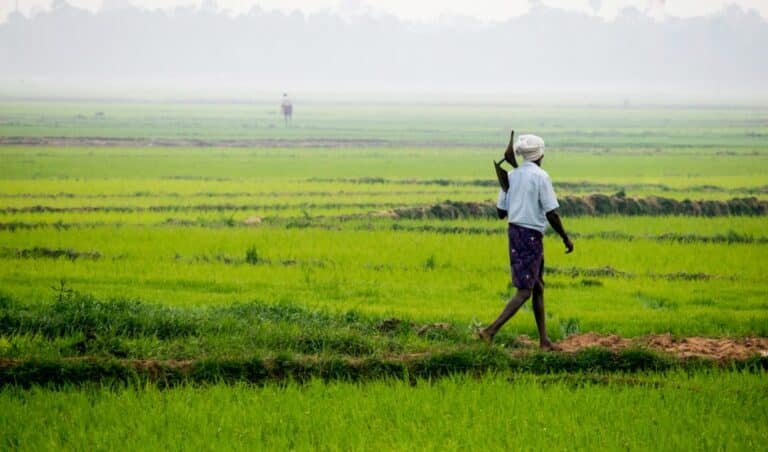
Why Did Traditional Farmers Read Birds, Insects and Plants as Weather Signs?
Traditional farmers read birds, insects, plants, clouds and winds because many respond to real environmental change. Some local signs are useful, but accuracy varies and climate change can weaken old…
-
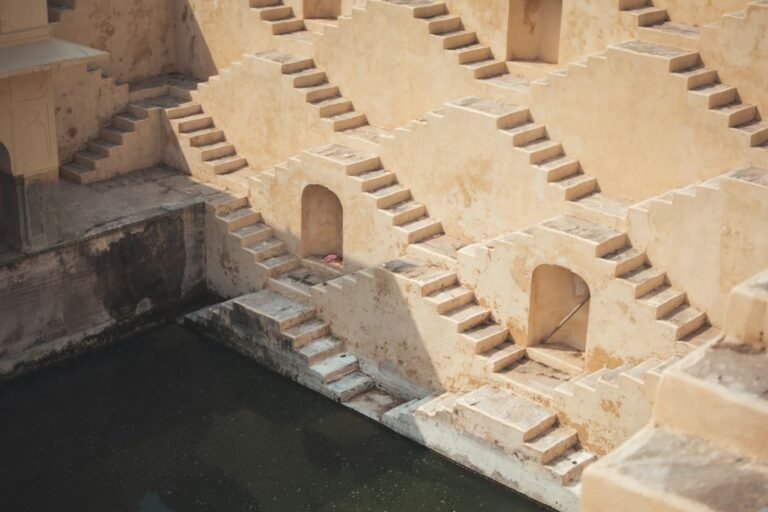
Why Did Communities Protect Water Sources Through Ritual Rules?
Ritual rules can protect springs, wells and tanks by preserving catchments, restricting contamination and coordinating maintenance. Their ecological value is real, but purity rules have also sometimes enforced unequal access.
-
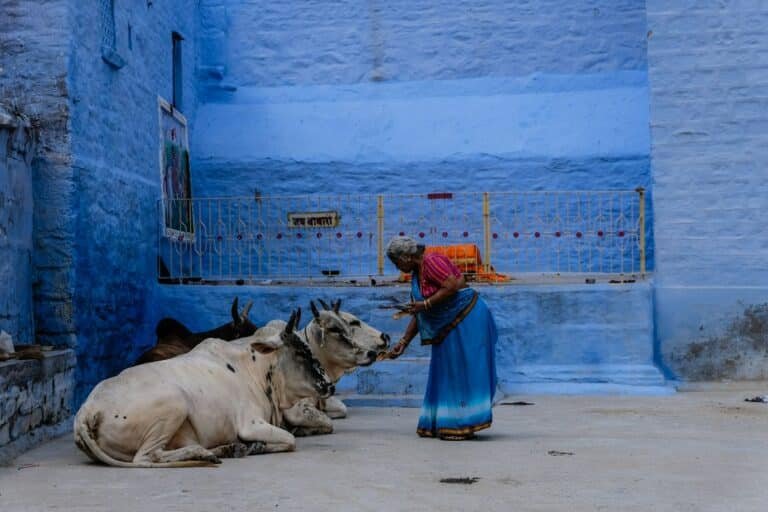
Why Are Certain Animals Sacred or Taboo?
Sacred and taboo animals can be protected, sacrificed, feared or avoided for very different reasons. Modern evidence shows some taboos reduce hunting pressure, but conservation should not be assumed to…
-
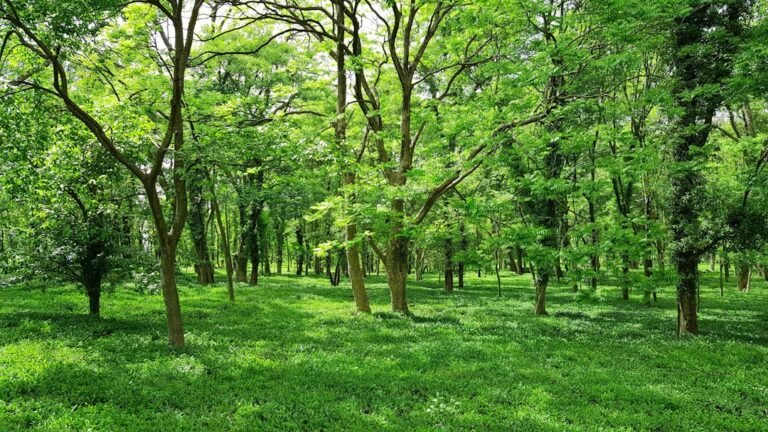
Why Were Sacred Groves Protected in India?
India’s sacred groves can preserve biodiversity because religious taboos and customary institutions restrict extraction. Ecological benefits are real, but they should not be rewritten as proof of a universal ancient…
-
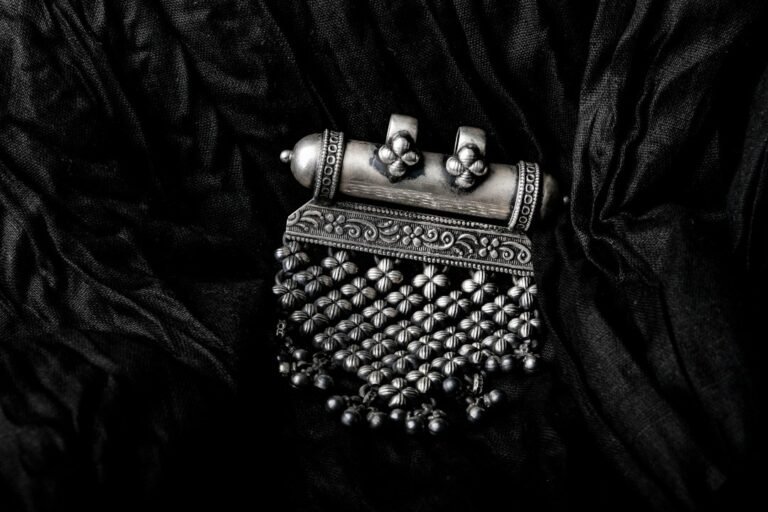
Why Do Metals and Gemstones Become Protective or Auspicious Objects?
Metals and gemstones became protective and auspicious because rarity, durability and ritual meaning made them powerful symbols. Copper and silver have real material properties, but therapeutic jewellery, crystal energy and…
-

Why Do Indian Households Draw Rangoli or Kolam at the Threshold?
Rangoli and kolam are living threshold arts of auspiciousness, hospitality and geometric skill. Their cognitive richness is real, but modern claims about hidden physics, universal pest control or encoded advanced…
-
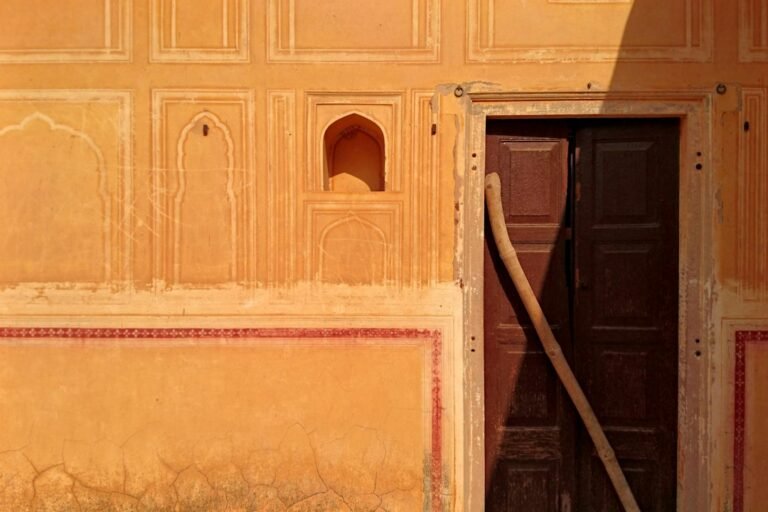
Why Do Many Cultures Orient Beds, Doors or Houses in Particular Directions?
Directional building rules can have real effects through sun, wind and daylight, but the optimal orientation is climate-specific. Evidence for universal magnetic-health claims about bed direction remains weak.
-
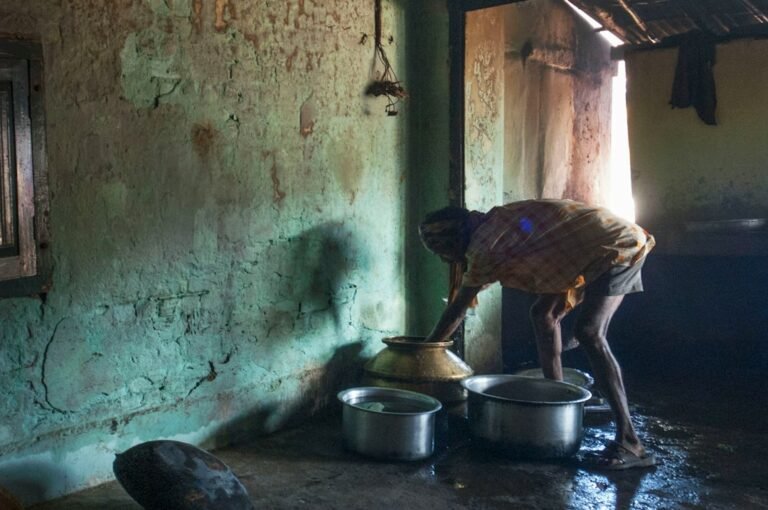
Why Do People Sweep and Wash the Entrance Each Morning?
Morning entrance cleaning removes dust at a high-traffic boundary and prepares the threshold for hospitality and traditions such as kolam. Modern evidence supports cleaning, but not every traditional disinfectant claim.