Jewish
Explore by topic, region and evidence
Investigations involving Jewish religious practice, law, ritual, study and historical communities.
-
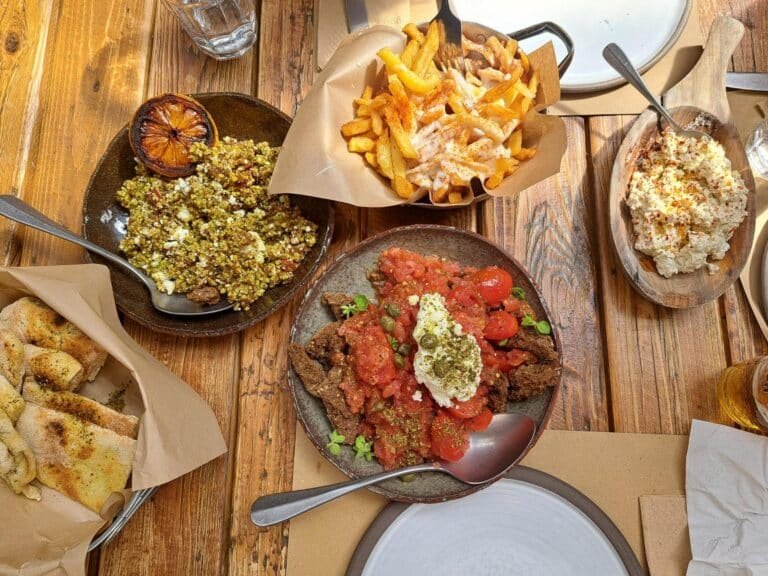
Why Do Religions Regulate Meat?
Religions regulate meat because killing animals, blood, purity, sacrifice and communal identity carry unusually high moral weight. Some rules may have ecological or safety consequences, but Jewish, Islamic, Hindu, Jain,…
-
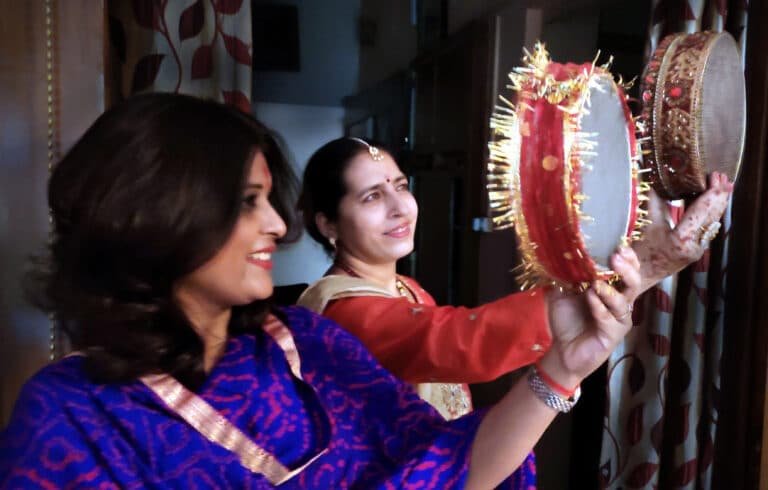
Why Did Religions Across the World Practice Fasting?
Why did fasting emerge across Judaism, Christianity, Islam, Hinduism, Jainism and Buddhism? The evidence points to multiple religious purposes—not one hidden metabolic origin—while modern science confirms that different fasting protocols…
-
Why Do Festivals Move Through the Lunar Calendar?
Religious festivals move on the Gregorian calendar because many remain anchored to lunar or lunisolar systems. Pure lunar calendars drift through the seasons, while lunisolar calendars insert leap months to…
-
Why Did Humans Watch the Moon So Closely?
Humans watched the Moon because it was genuinely useful: a visible calendar, source of night illumination, tidal marker and ecological cue. Modern science strongly supports those functions while rejecting many…
-
Why Do Sacred Spaces Control Light So Carefully?
Sacred spaces use darkness, filtered daylight, lamps and luminous surfaces to direct attention and shape ritual experience. Modern perception science explains why these strategies work without implying hidden ancient neuroscience.
-
Why Do Religions Cover the Head in Worship?
Religious head coverings across Judaism, Christianity, Islam and Sikhism express different combinations of reverence, modesty, discipline and identity. Their strongest effects are social and psychological, not a universal hidden physiological…
-
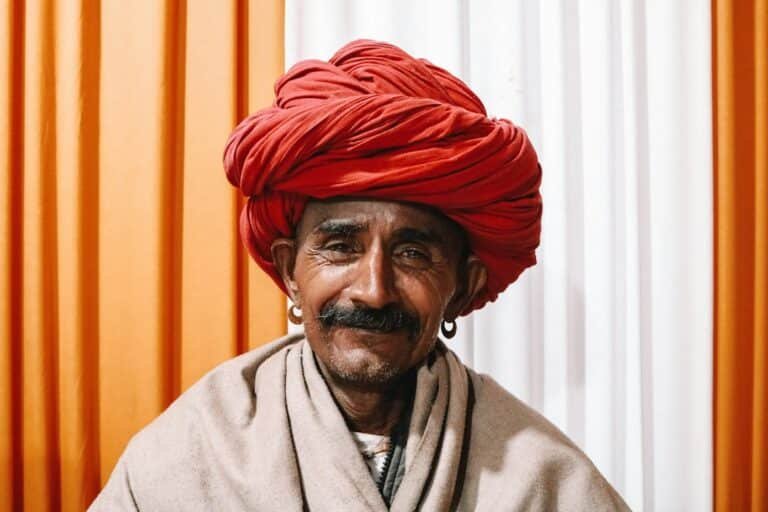
Why Did Humans Wear Jewellery?
Jewellery is one of humanity’s oldest symbolic technologies. Early shell beads predate agriculture by tens of thousands of years, and later ornaments communicate identity, status, alliance, devotion, wealth and memory.
-
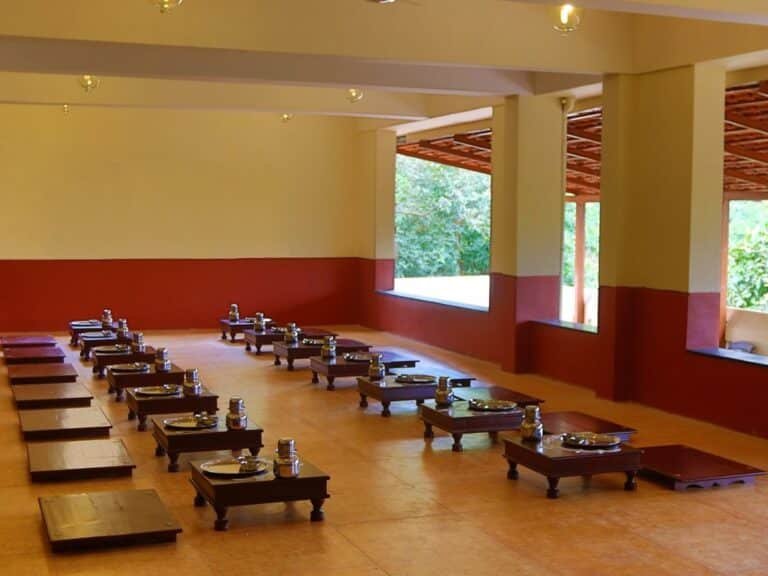
Why Does Eating Together Build Trust?
Shared meals can build trust by combining food sharing, similarity, conversation, synchrony and repeated interaction. Experiments support some direct effects, while broader family-meal benefits remain largely correlational.
-

Why Did Some Societies Separate Men and Women in Public and Ritual Life?
Gender-segregated spaces have served ritual order, modesty, status, labour, privacy and control of sexuality. Their modern consequences depend heavily on choice, equal access and whether separation is voluntary or coercive.
-
Why Do Communities Treat Hospitality as a Moral Obligation?
Hospitality became a moral obligation because strangers create both risk and opportunity. Guest-host codes reduce uncertainty, protect travellers, build reputation and create reciprocal relationships beyond kin.
-
Why Is Feeding the Guest a Sacred Duty in So Many Cultures?
Feeding guests became a sacred duty across many cultures because hospitality reduces uncertainty, creates trust and extends protection beyond kin. The same norm can also produce status pressure and unequal…
-
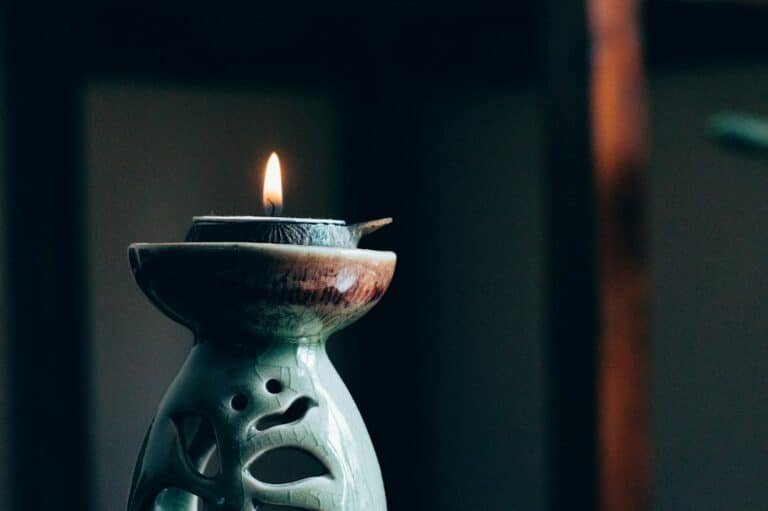
Why Do Monastics Keep Vigils and Stay Awake at Night?
Religious vigils transform wakefulness into prayer, study and sacrifice. Sleep science explains why nights can feel intense while showing that lost sleep generally impairs attention and memory rather than enhancing…