 tradivior
India
Explore by topic, region and evidence
Investigations into Indian traditions across regions, communities and periods, avoiding the assumption that India represents one uniform cultural system.
-
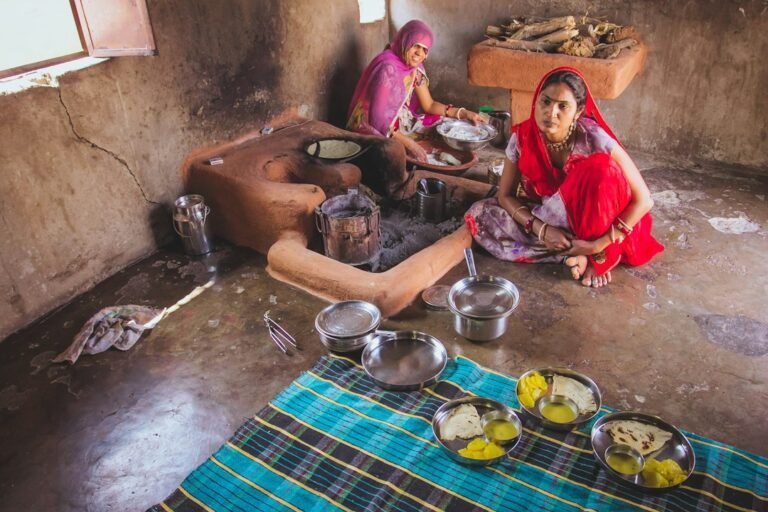
Why Did Indian Kitchens Separate Cooking, Eating and Purity Zones?
Traditional Indian kitchens often separated cooking, eating, water and purity zones for practical, ritual and social reasons. Some boundaries improved household hygiene; others reinforced caste and gender hierarchy.
-

Why Did People Sleep on Mats, Floors and Low Beds?
Mats, futons, low beds and woven cots made sense for climate, portability and flexible household space. Modern evidence shows that very hard surfaces are not universally better for the back.
-
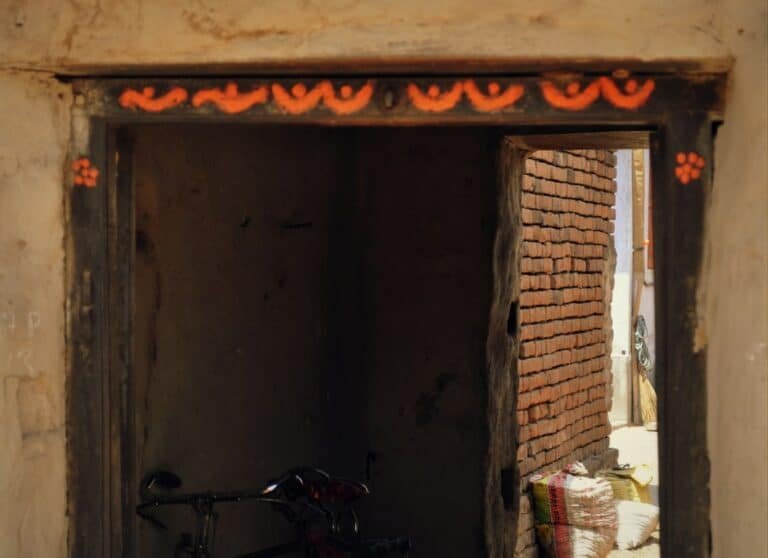
Why Do Indian Homes Decorate the Doorway With Torans?
Toran doorway decorations mark welcome, auspiciousness and ritual preparation across Indian homes. Plant chemistry offers limited side mechanisms, while modern air-purification claims exceed the evidence—and marigold itself is a later…
-

Why Did Courtyard Houses Appear Across Hot Climates?
Courtyard houses appeared across hot climates because one central open space could provide shade, daylight, airflow, privacy and family space. Modern building science validates the mechanisms while showing that performance…
-
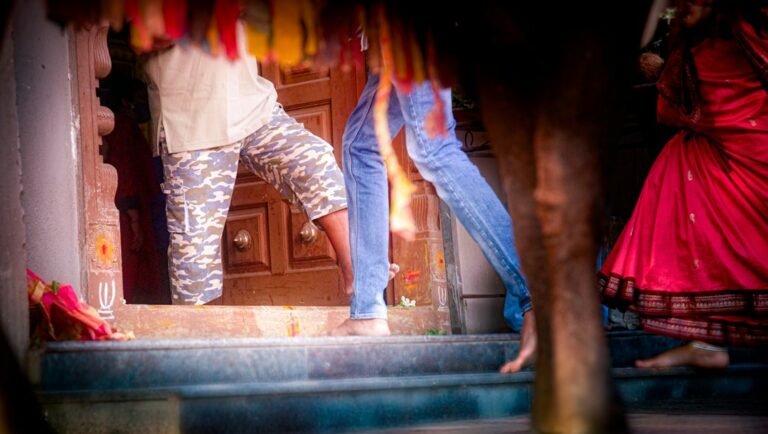
Why Do People Remove Shoes Before Entering a Home?
Removing outdoor shoes before entering a home reflects floor-based living, architecture, cleanliness, sacred respect and etiquette. Modern evidence confirms reduced tracking of microbes and particles without proving that indoor shoes…
-
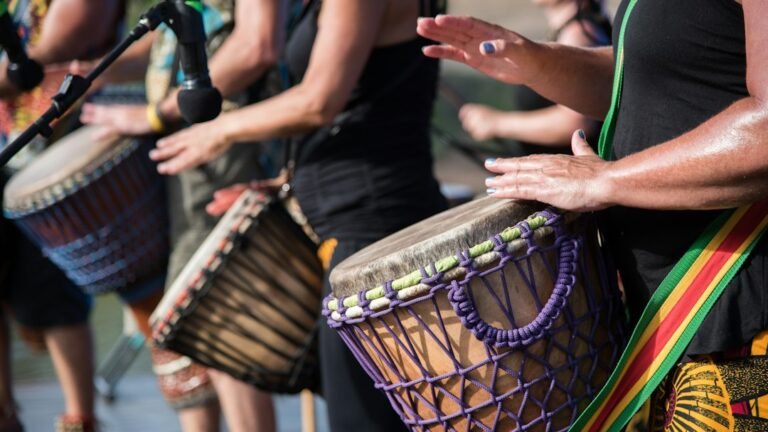
Why Do Humans Seek Trance and Altered States?
Humans across cultures deliberately alter consciousness through rhythm, movement, breath, deprivation, meditation and psychoactive substances. Science explains many induction mechanisms while leaving cultural and metaphysical interpretations distinct.
-

Why Do Traditions Try to Quiet the Sense of Self?
Buddhist not-self, Advaita nonduality, Sufi fanāʾ and Christian self-emptying all reduce ordinary self-reference in different ways. Modern science supports flexible self-processing without proving any one religious metaphysics.
-
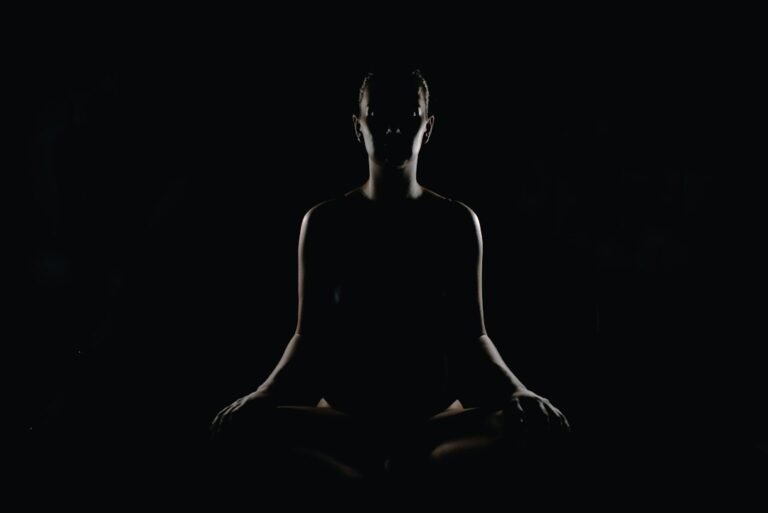
Why Do Rituals Use Visualization and Mental Imagery?
Sacred visualization has long been used in Buddhist, Hindu and Christian contemplative practice. Modern science shows that imagery can influence attention, emotion and motor rehearsal—without supporting claims that thought alone…
-
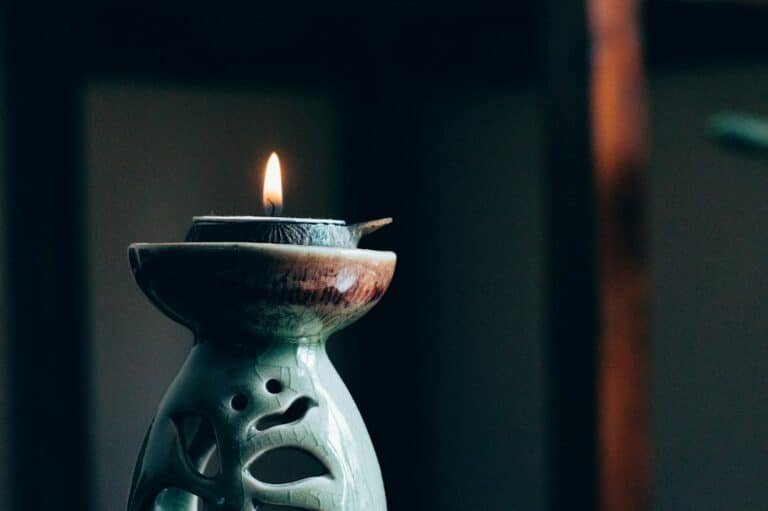
Why Did Yogic Traditions Practice Trataka Candle Gazing?
Trataka is a classical yogic gazing practice often taught with a candle flame. Research suggests plausible attention and selected visual benefits, but broad eye-healing and third-eye claims exceed the evidence.
-

Why Did Indian Traditions Develop Pranayama?
Pranayama evolved through classical and medieval Indian yoga as a discipline of breath, attention and vital-force regulation. Modern evidence supports real autonomic and cardiovascular effects for some techniques, while broad…
-
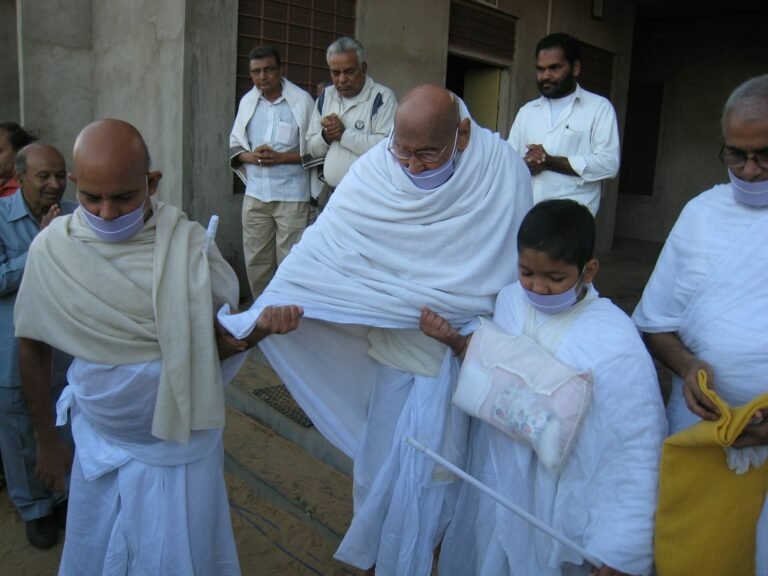
Why Do Jain Monastics Sweep the Ground Before Walking?
The small broom carried by some Jain monastics is not a primitive hygiene tool but an ethical technology of non-violence. Tradivior will investigate its textual and monastic history, ecological assumptions…
-
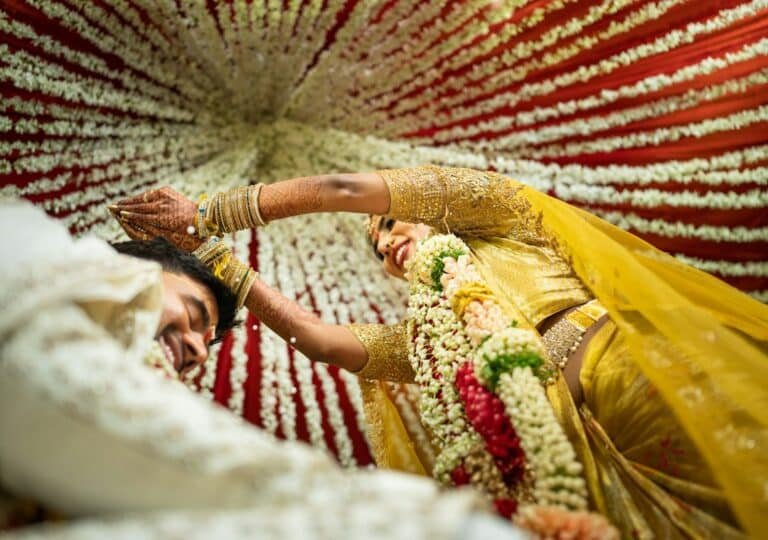
Why Do Indians Touch the Feet of Elders and Gurus?
Touching the feet of elders and gurus is often described today using sweeping claims about energy or nerves. Tradivior will separate those modern explanations from the practice’s historical logic of…