India
Explore by topic, region and evidence
Investigations into Indian traditions across regions, communities and periods, avoiding the assumption that India represents one uniform cultural system.
-
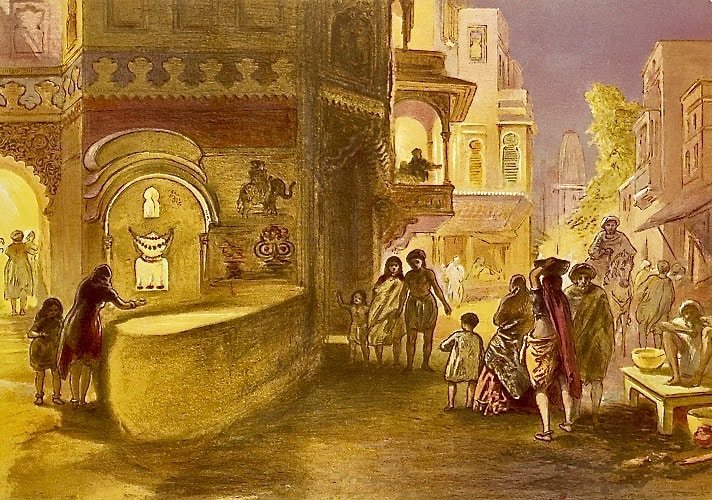
Why Is Diwali Built Around Light?
Diwali’s lamps are historically and religiously meaningful symbols whose interpretations vary across Hindu, Jain, Sikh and regional traditions. Light makes sacred time visible and transforms homes and streets; modern science…
-
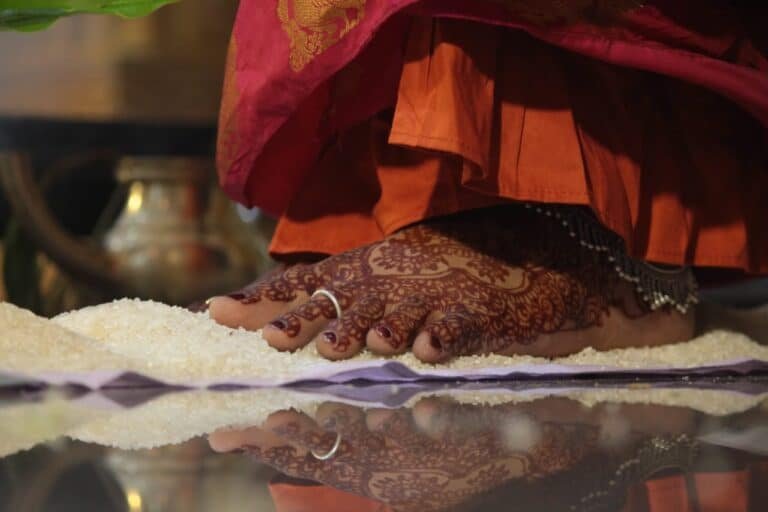
Why Did Indians Circle Sacred Fire at Weddings?
Sacred fire in Hindu weddings is historically a witness, offering medium and divine presence rather than a hidden biomedical technology. Circumambulation and vows make marriage public, memorable and religiously binding;…
-
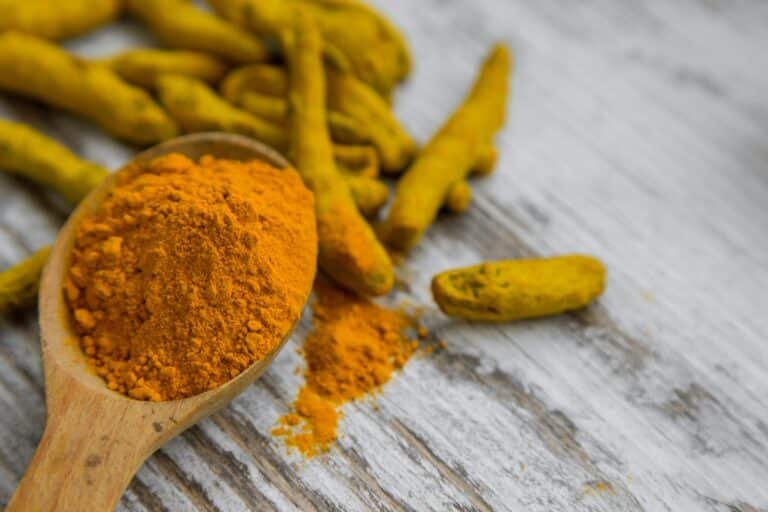
Why Was Turmeric More Than a Kitchen Spice?
Turmeric earned culinary, medicinal and ritual roles in South Asia long before curcumin was isolated. Modern trials show effects from concentrated turmeric/curcumin supplements for some outcomes, but bioavailability is low…
-
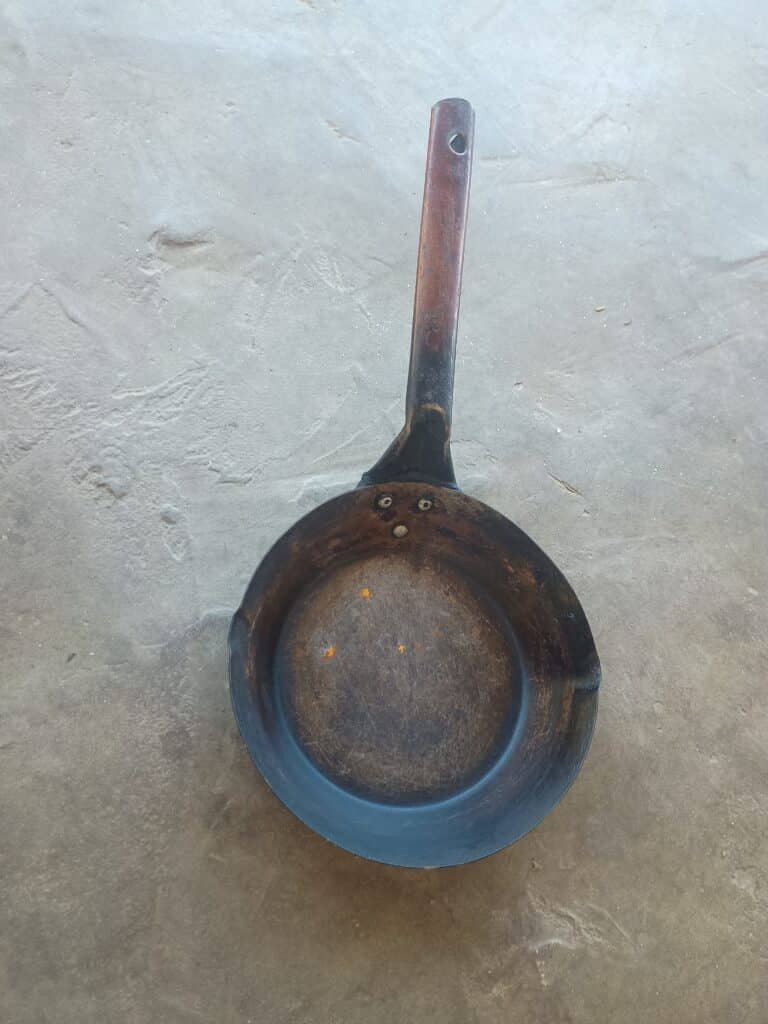
Why Did Indians Cook in Iron Kadai?
Iron cookware can transfer nutritionally meaningful iron into food, especially with acidic, moist and longer-cooked dishes. Human trials suggest it can improve iron intake and sometimes haemoglobin, but effects vary…
-
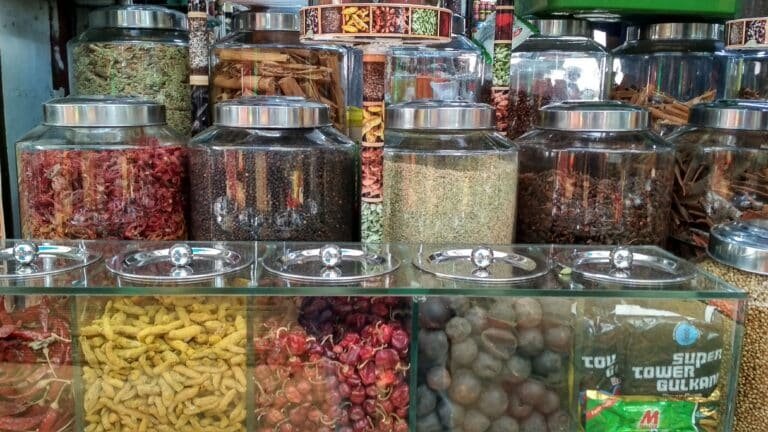
Why Did Spices Become Central to Indian Cooking?
Indian spice use is ancient, culinary and economically important. Many spices have antimicrobial and bioactive compounds, but flavour, trade, agriculture and cuisine explain their centrality better than any single health…
-
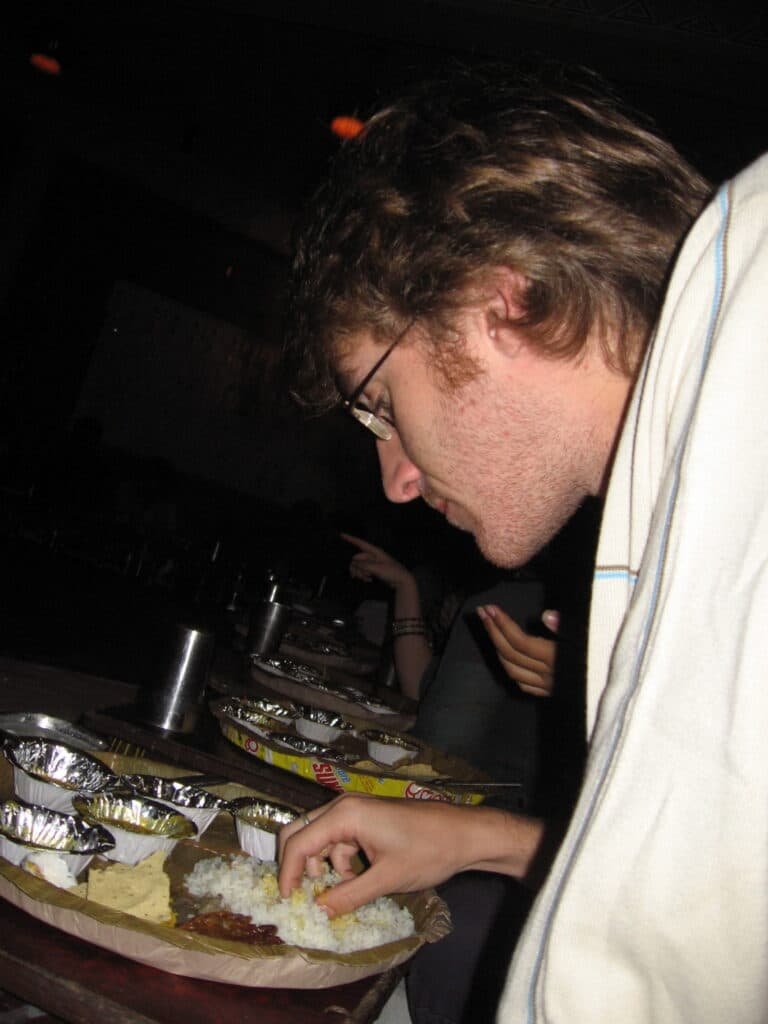
Why Did Indians Traditionally Eat With Their Hands?
Indian hand-eating is a highly developed culinary and etiquette system suited to foods such as rice, dal, vegetables and flatbreads. Touch can enrich sensory perception, but modern claims about five…
-
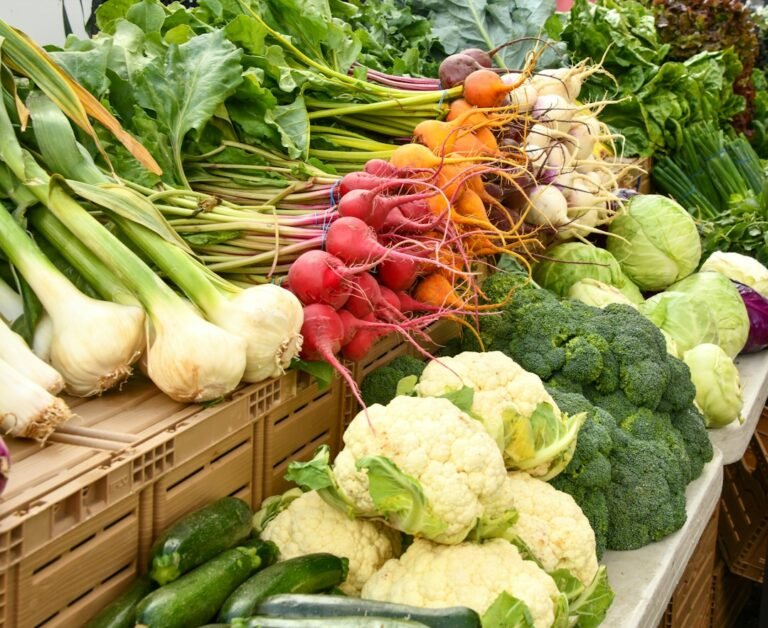
Why Did Ayurveda Change Food With the Seasons?
Ayurvedic ritucharya is a genuine classical seasonal regimen linking food, behaviour and climate. Modern physiology supports adaptation to heat, cold, daylight and seasonal food supply, but evidence does not validate…
-
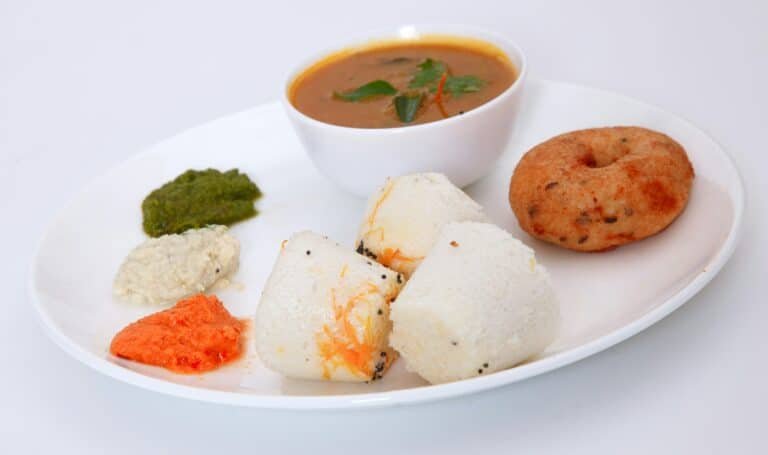
Why Did Indians Ferment Batter for Idli and Dosa?
Idli and dosa batter is a real microbial technology: lactic-acid bacteria acidify and leaven it, while fermentation changes texture, flavour and some nutrients. The evidence supports culinary biotechnology—not claims that…
-
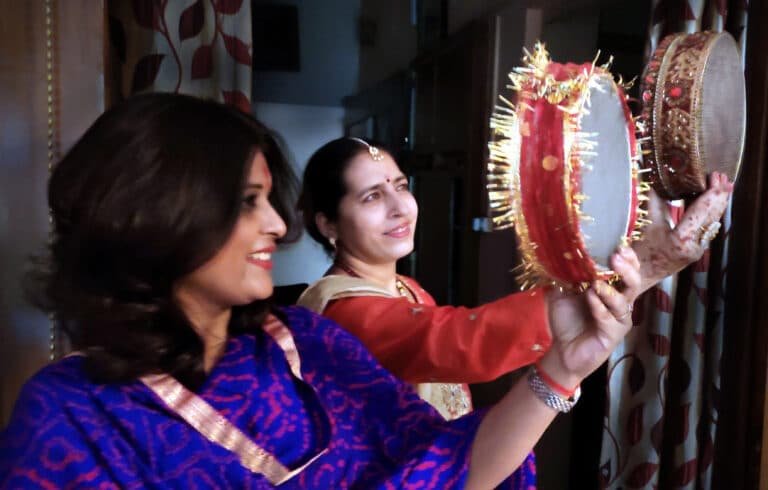
Why Did Indians Fast on Particular Days?
Why do Indian fasts fall on particular lunar dates, weekdays and festivals? The historical record points to vows and sacred calendars; modern fasting science reveals real metabolic effects—but not the…
-
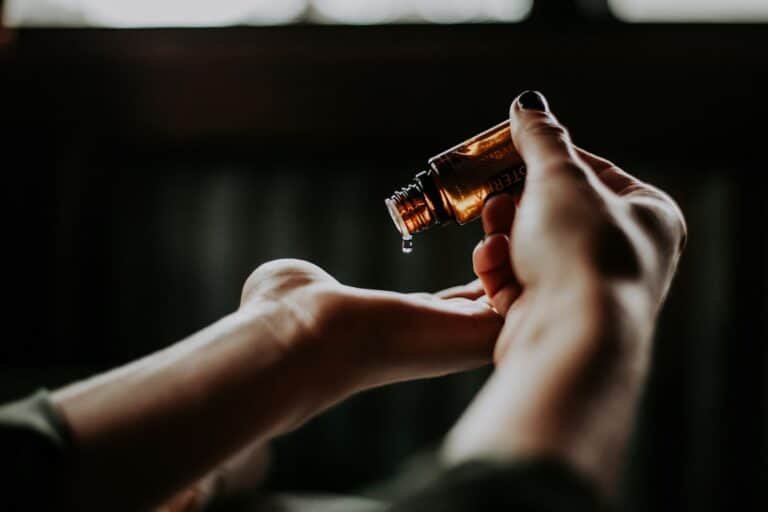
Why Was Daily Oil Massage Part of Ayurvedic Life?
Ayurveda made oil massage part of daily life. Modern evidence supports some modest relaxation and skin-care effects—but not the sweeping detoxification and disease-prevention claims often attached to abhyanga.
-
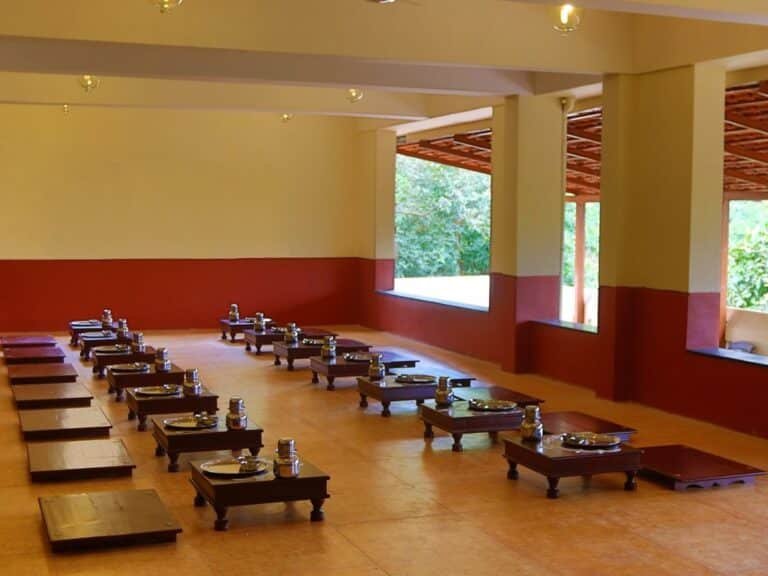
Why Did Indians Traditionally Sit on the Floor to Eat?
Indians traditionally ate close to the ground, but was the practice really designed to improve digestion? The evidence points more strongly to material culture, social custom and functional movement than…
-
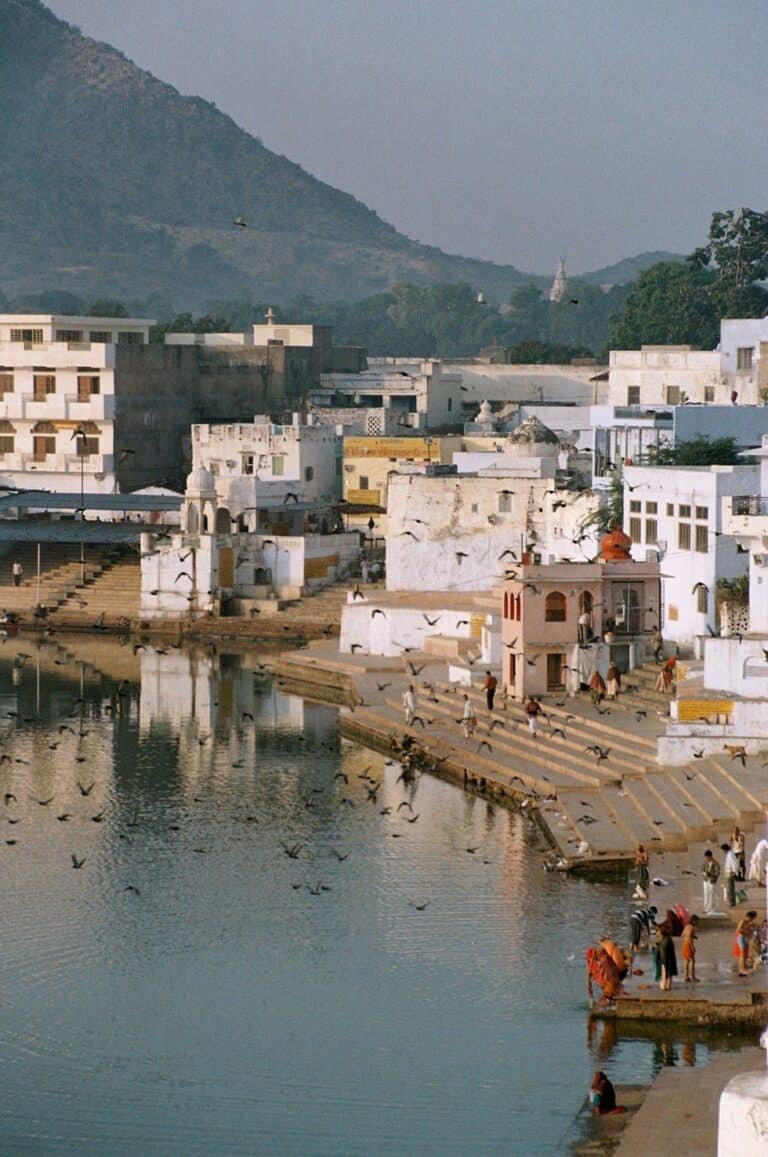
Why Did Bathing Become a Daily Ritual in India?
Why did bathing become woven into Indian daily life? The answer runs through hygiene, climate, ritual purity and sacred water—and cannot be reduced to ancient germ theory.