Tradiviorans ClubQuestions, polls, reading DNA and your curiosity circle.Join the Club →Log in →Reading remains free without an account.
EXPLORE
PARTICIPATE
YOUR SPACE
Follow a question. Examine the evidence.
Explore investigations
Search customs, ideas and practices, or combine filters to follow a connection across cultures. Evidence assessments describe editorial conclusions, not scores or rankings.
The Ganga is river, goddess, pilgrimage route, purifier and national symbol. Tradivior will trace how these layers developed and evaluate modern claims about unusual self-purifying properties without confusing microbial findings…
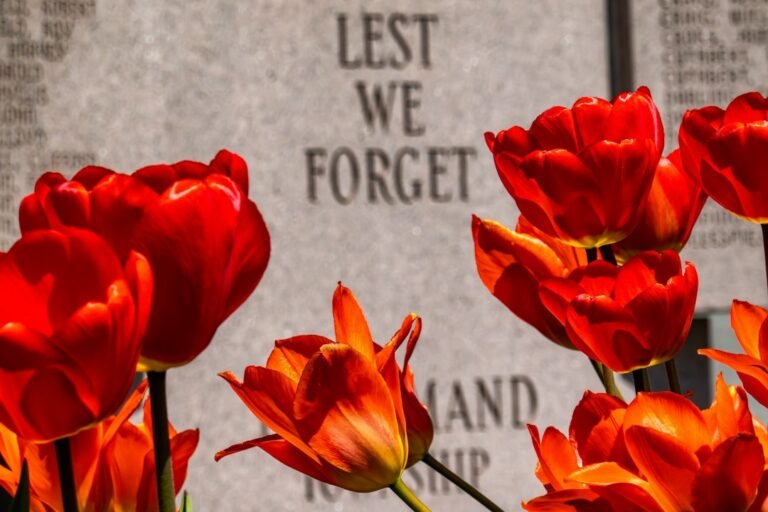
From Pitru Paksha and Qingming to Día de Muertos and All Souls’ Day, cultures repeatedly create calendar time for the dead. Tradivior will compare how recurring remembrance renews kinship, grief…
Hair, ashes, bones, clothing, photographs and relics allow the dead to remain materially present. Tradivior will examine why objects carry memory so powerfully and how continuing bonds differ from pathological…
Cremation has deep roots in many Hindu traditions but varies by community, age, status and circumstance. Tradivior will investigate its historical logic, environmental consequences and modern changes without treating one…
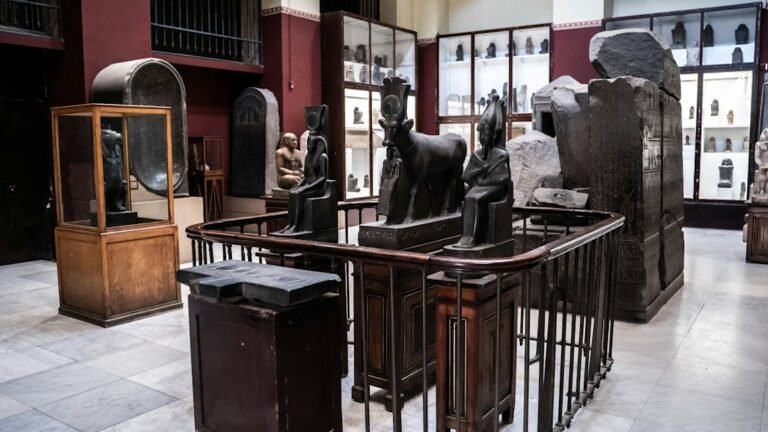
Mummification, embalming, freezing, smoking and desiccation reflect very different beliefs about bodies and afterlives. Tradivior will compare preservation traditions with the chemistry of decomposition and the practical limits of each…
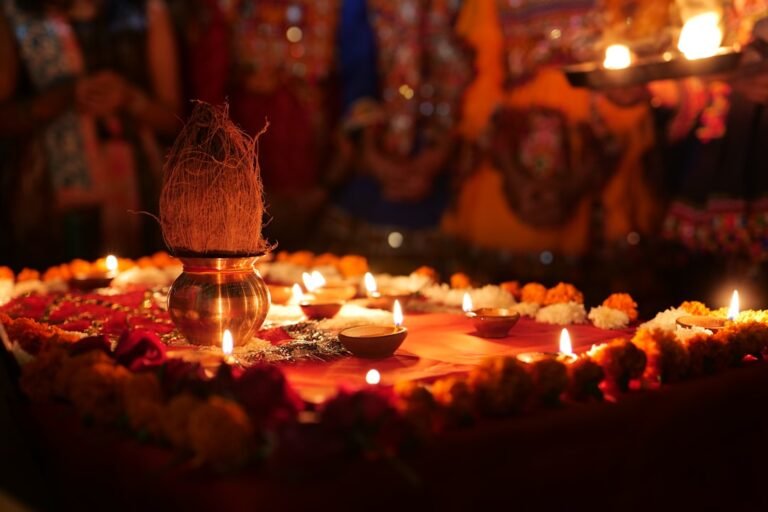
Shraddha links the living to ancestors through offerings, memory and obligations after death. Tradivior will trace its textual and regional history and examine how ancestor ritual structures grief and lineage…
Age can bring prestige, authority and memory while also attracting fear of frailty and dependency. Tradivior will compare societies that honour elders with those that valorize youth and ask what…
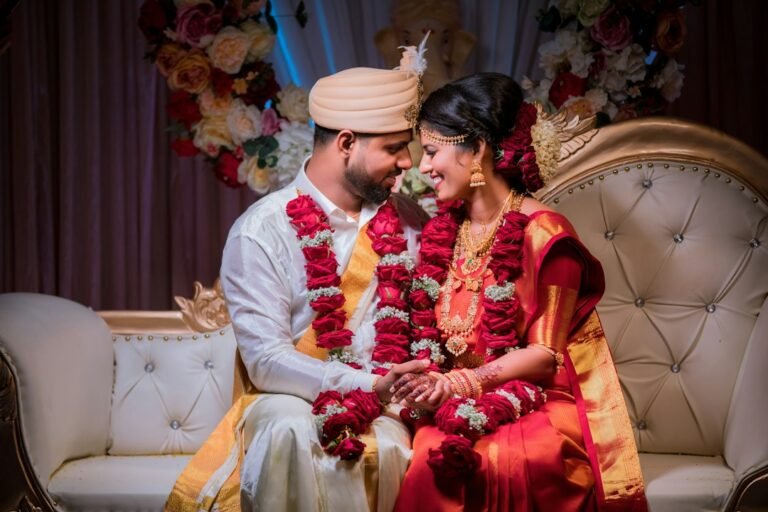
Marriage often transforms identity through surname changes, new dress, residence, kinship terms or household membership. Tradivior will investigate why marriage needs visible social consequences beyond the ceremony itself.
Becoming a parent often changes status, obligations, kin relations and personal identity far beyond childcare itself. Tradivior will examine why societies ritualize parenthood and what psychological research says about this…
Biological maturity has never automatically meant social adulthood. Rights, work, marriage, property and ritual status often arrive through explicit recognition. Tradivior will compare how societies decide when a person becomes…
Puberty ceremonies around first menstruation can mark fertility, adulthood, family status and gender expectations. Tradivior will investigate their regional histories and the tension between celebration, education, stigma and restriction.
Pregnancy often brings exemptions, restrictions, blessings and intense social attention. Tradivior will examine why societies formalized protection around pregnancy and where protective customs help, do nothing or cause harm.
A new starting point each day
Today’s discovery
Explore a question from the archive. This rotating selection is not an evidence ranking.
Oil pulling is genuinely rooted in Ayurvedic oral care. But do modern claims about plaque, bacteria and detoxification match the evidence? Tradivior follows the practice from classical tradition to clinical…
 tradivior