Tradiviorans ClubQuestions, polls, reading DNA and your curiosity circle.Join the Club →Log in →Reading remains free without an account.
EXPLORE
PARTICIPATE
YOUR SPACE
Follow a question. Examine the evidence.
Explore investigations
Search customs, ideas and practices, or combine filters to follow a connection across cultures. Evidence assessments describe editorial conclusions, not scores or rankings.
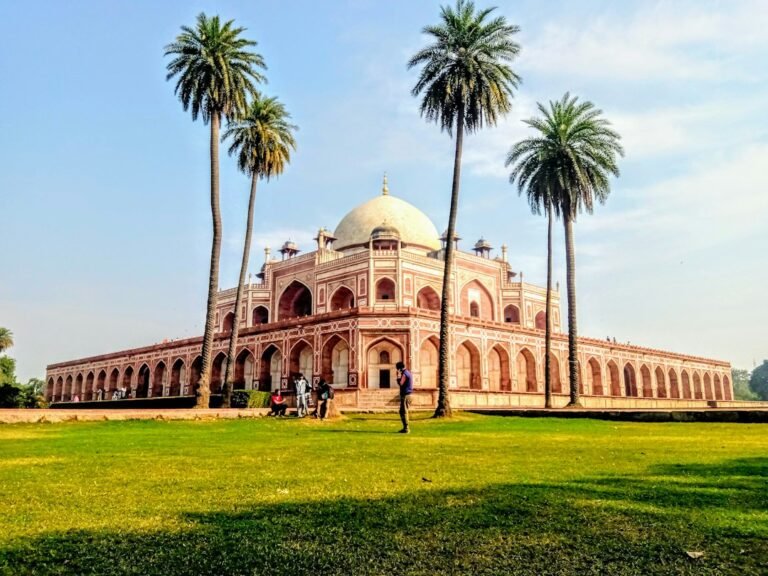
Pyramids, tumuli, stupas, mausoleums and royal tombs turn death into durable landscape. Tradivior will compare why societies invested enormous resources in the dead and what monuments do to memory, legitimacy…
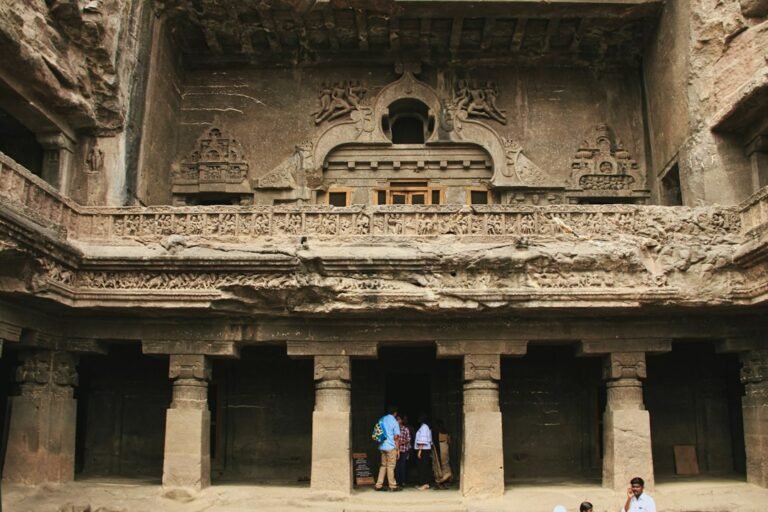
From Ajanta and Ellora to Petra and cave monasteries elsewhere, humans repeatedly transformed rock into sacred space. Tradivior will investigate security, geology, patronage, acoustics and symbolism behind rock-cut architecture.
Vastu and feng shui combine cosmology with practical concerns about site, direction, water and spatial order. Modern building science validates some environmental principles, but not universal auspicious directions or invisible…
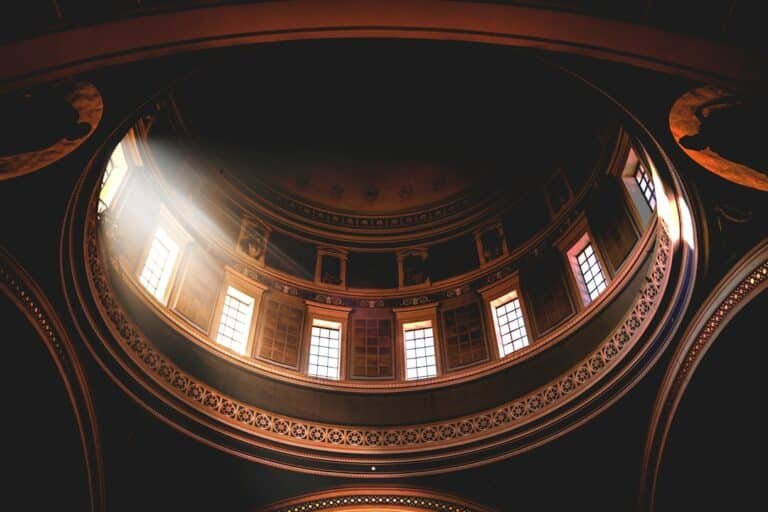
Domes, vaults and chambers measurably alter reverberation, focusing and speech clarity. Sacred sound emerges from architecture, materials and ritual together—not from universally tuned mystical frequencies.
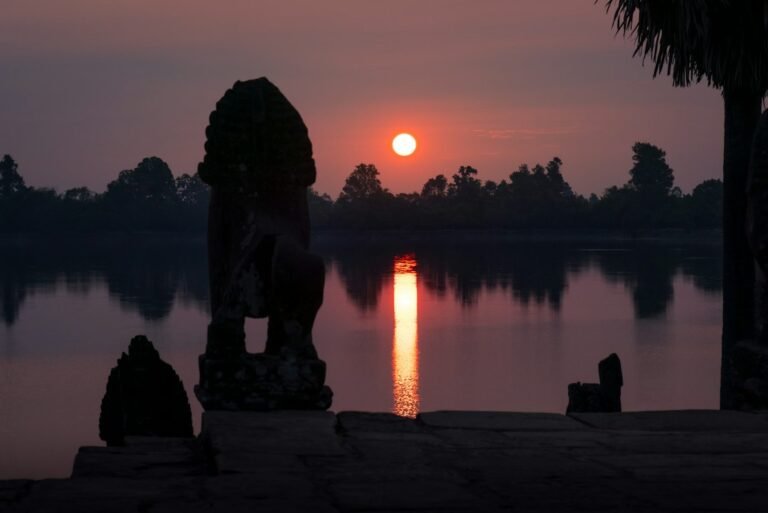
Ancient sacred places were often aligned to cardinal, solar, stellar or landscape references—but not every dramatic sunrise proves intention. Strong archaeoastronomy combines measurement, chronology, repeated patterns and cultural context.
Indian stepwells turned groundwater access into monumental public architecture. Their descending form solved seasonal water access while shade, depth and thermal mass created genuinely cooler microclimates.
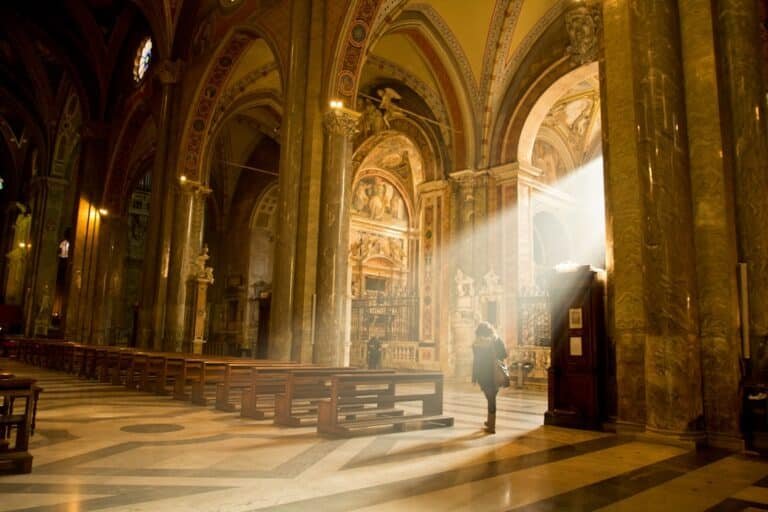
Sacred spaces use darkness, filtered daylight, lamps and luminous surfaces to direct attention and shape ritual experience. Modern perception science explains why these strategies work without implying hidden ancient neuroscience.
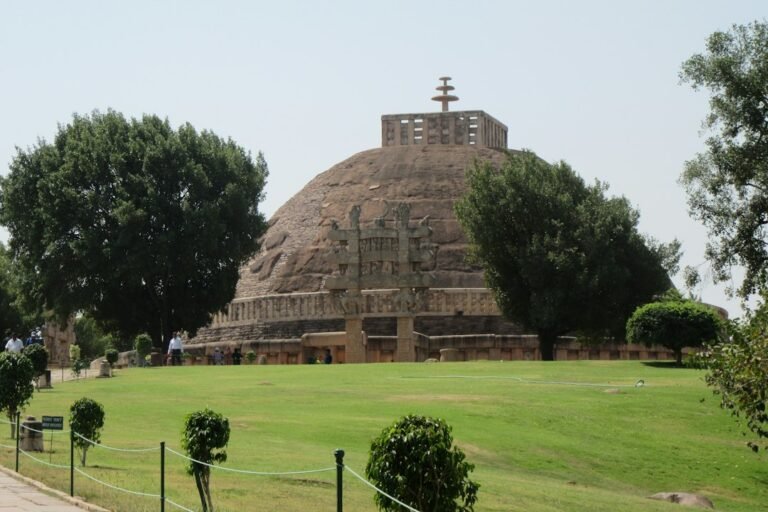
Buddhist stupas organize devotion around an inaccessible sacred centre. Railings, gateways and chaitya aisles make clockwise circumambulation an intentional ritual path that combines relic veneration, spatial order and embodied attention.
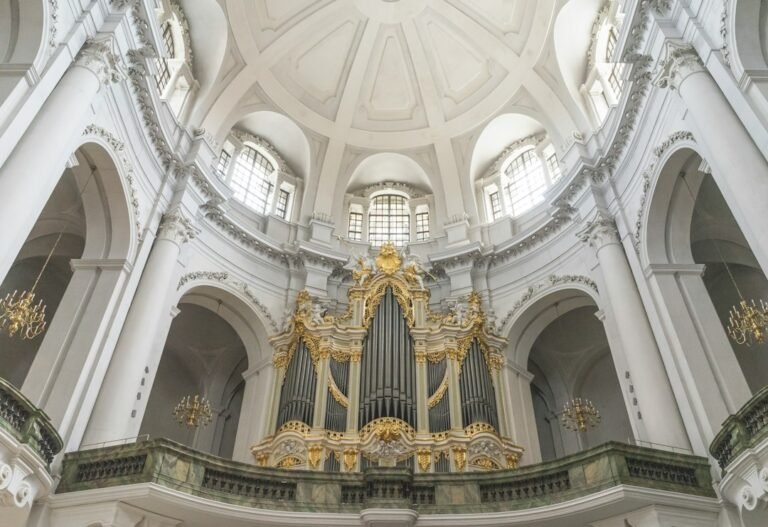
Church naves and apses developed largely from Roman basilica architecture, while bell towers arrived later as sound and signalling infrastructure. Liturgy, pilgrimage, relics and symbolism gradually transformed these practical forms.
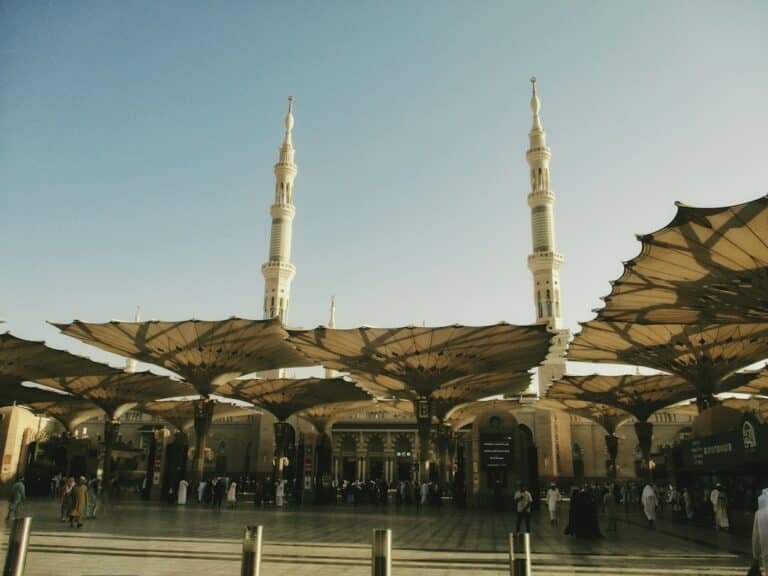
Mosque courtyards, domes and minarets developed at different times to serve congregation, prayer orientation, ablution, sound, climate and public visibility. Modern acoustics confirms real effects, including that domes can sometimes…
Sacred buildings reach upward because height makes religious institutions visible, marks sacred centres and creates awe. Psychology supports associations between verticality and power, but the pattern does not require a…
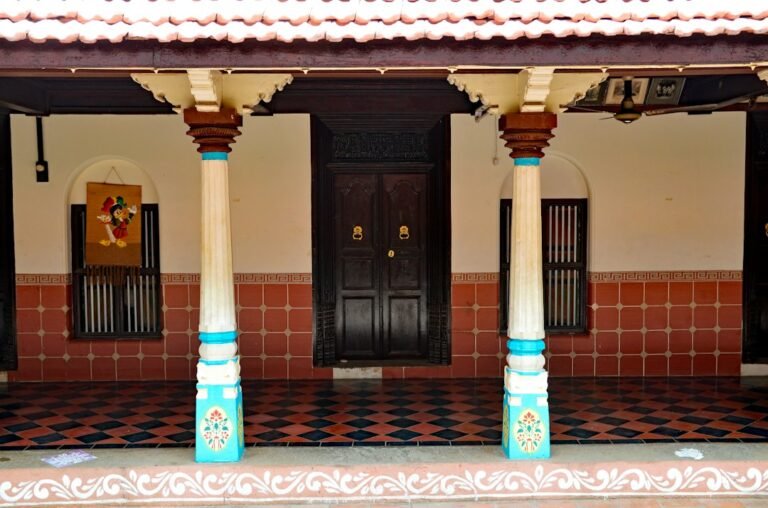
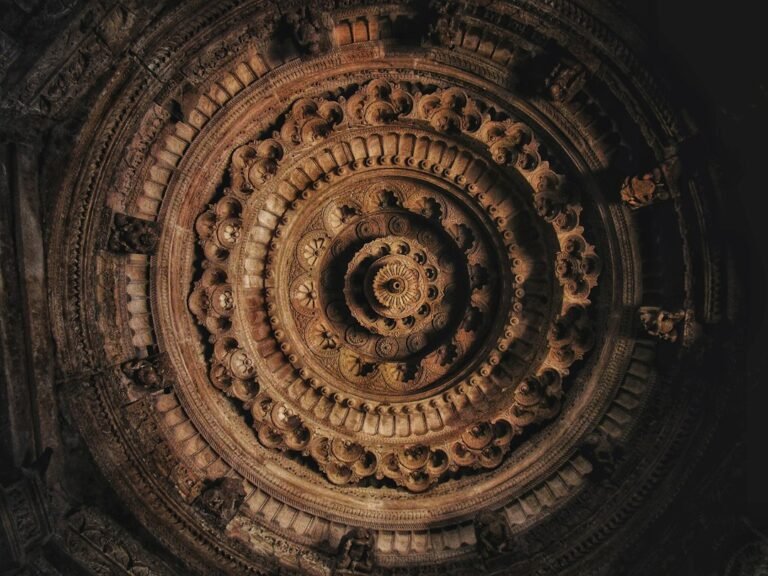
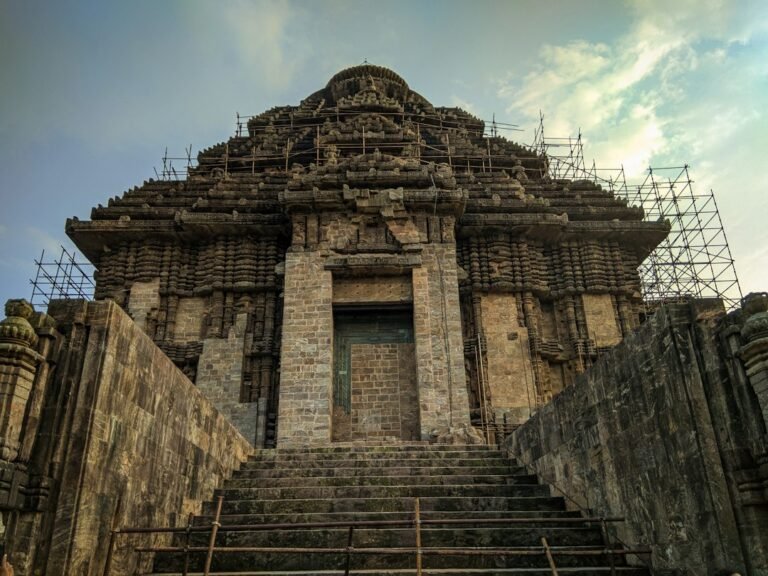
Indian temples evolved through ritual, theology, craft, patronage, regional materials and urban life. Modern acoustics and thermal science confirm real architectural effects, but popular claims about universal energy fields and…
 tradivior