 tradivior
Historically Practical
Explore by topic, region and evidence
Used when a practice is well explained by historical, ecological, technological or social practicality without requiring a stronger scientific-health claim.
-

Why Did People Squat to Rest, Work and Use the Toilet?
Squatting was once an ordinary way to work, rest and use the toilet. Modern biomechanics helps explain its advantages—and why claims that it is universally healthier go too far.
-
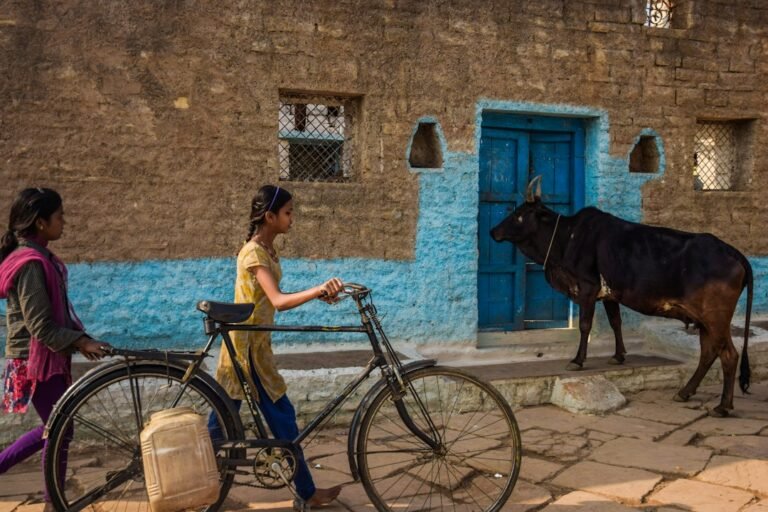
Why Is the Cow Sacred in India?
The sacred cow developed through layers of cattle economics, ahiṃsā, dairy and ritual, Krishna devotion and later cow-protection politics. No single ecological or theological theory explains the full history.
-

Why Did Churches Develop Naves, Apses and Bell Towers?
Church naves and apses developed largely from Roman basilica architecture, while bell towers arrived later as sound and signalling infrastructure. Liturgy, pilgrimage, relics and symbolism gradually transformed these practical forms.
-

Why Were Buddhist Stupas Designed for Circumambulation?
Buddhist stupas organize devotion around an inaccessible sacred centre. Railings, gateways and chaitya aisles make clockwise circumambulation an intentional ritual path that combines relic veneration, spatial order and embodied attention.
-

Why Did Bangles, Anklets and Nose Rings Become Social Signals in South Asia?
Bangles, anklets and nose rings became powerful social signals in South Asia because they marked marriage, region, wealth, community and life stage. Archaeology strongly supports symbolic roles; popular circulation and…
-
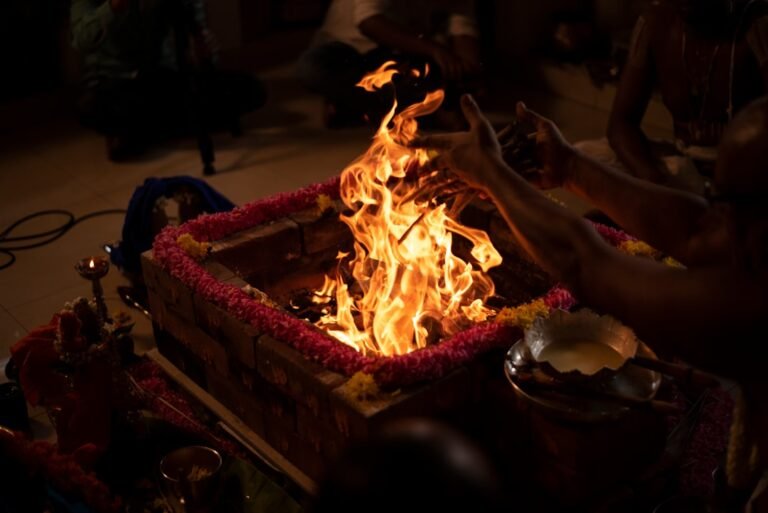
Why Do Some Hindus Wear the Sacred Thread?
The Hindu sacred thread is historically tied to upanayana, Vedic study, ritual eligibility and social identity. Its documented significance is educational and symbolic; modern claims about nerves, blood pressure or…
-
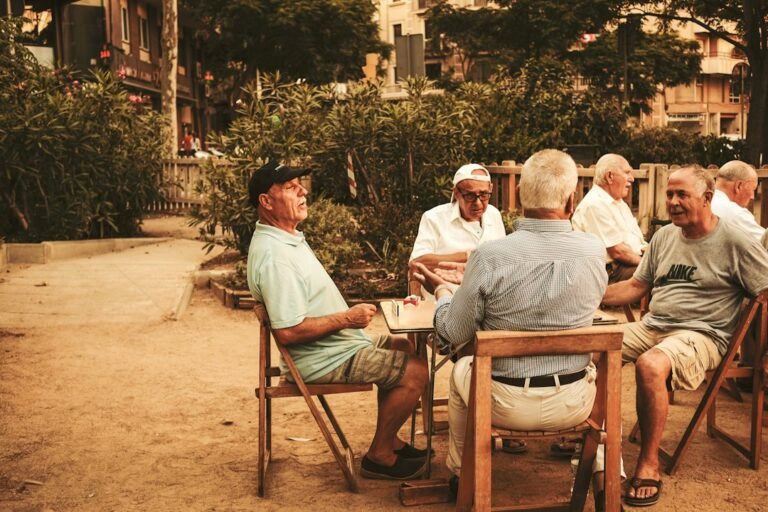
Why Do Communities Create Councils of Elders and Informal Courts?
Councils of elders and customary courts offer local knowledge, speed and reconciliation, but their legitimacy depends on fair procedure. The same community power that enforces settlements can also reproduce caste,…
-

Why Do Humans Organize Themselves Into Castes, Clans and Lineages?
Lineages and clans organize descent, inheritance and alliance; caste became a more restrictive inherited social boundary shaped by endogamy, occupation, status and power. Genetics reveals the effects of endogamy but…
-

Why Did Some Societies Separate Men and Women in Public and Ritual Life?
Gender-segregated spaces have served ritual order, modesty, status, labour, privacy and control of sexuality. Their modern consequences depend heavily on choice, equal access and whether separation is voluntary or coercive.
-
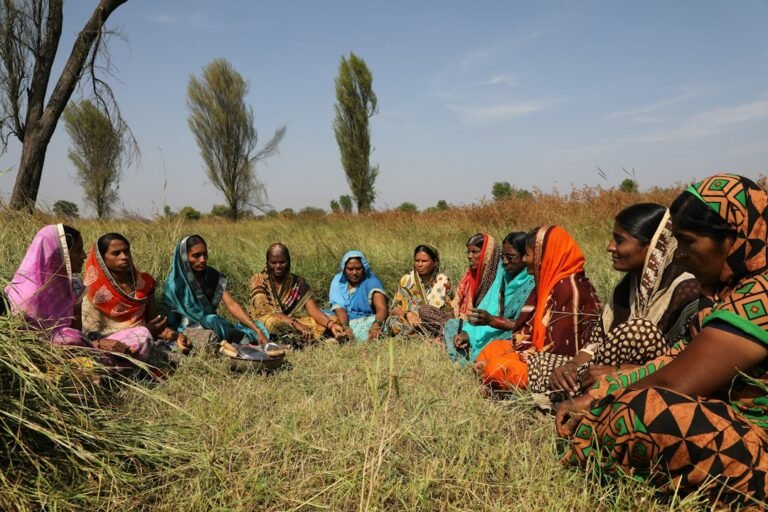
Why Do Elders Receive Special Deference?
Elders often gained deference because age accumulated knowledge, property, lineage authority and experience. Modern evidence supports the harms of ageism, but chronological age is not automatic proof of wisdom or…
-
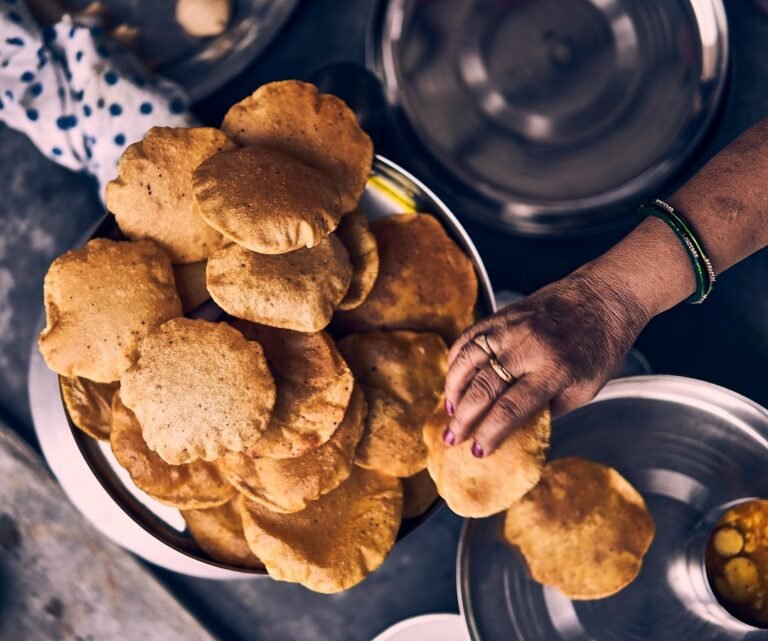
Why Do Communities Treat Hospitality as a Moral Obligation?
Hospitality became a moral obligation because strangers create both risk and opportunity. Guest-host codes reduce uncertainty, protect travellers, build reputation and create reciprocal relationships beyond kin.
-

Why Did Joint Families Become Common in South Asia?
Joint families became durable in South Asia because patrilocal marriage, inheritance, agriculture, collective property and kin-based care reinforced one another. The same institution also concentrated hierarchy, gendered labour and conflict.