Historically Practical
Explore by topic, region and evidence
Used when a practice is well explained by historical, ecological, technological or social practicality without requiring a stronger scientific-health claim.
-
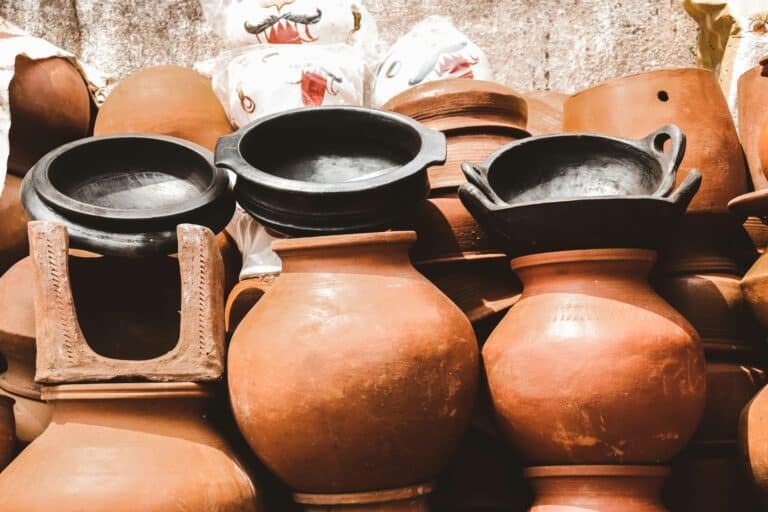
Why Did Humans Boil Food?
Boiling transformed human diets by making grains, pulses, roots, meat and water safer and softer in a single vessel. Heat kills most foodborne microbes and moist cooking improves digestibility, but…
-
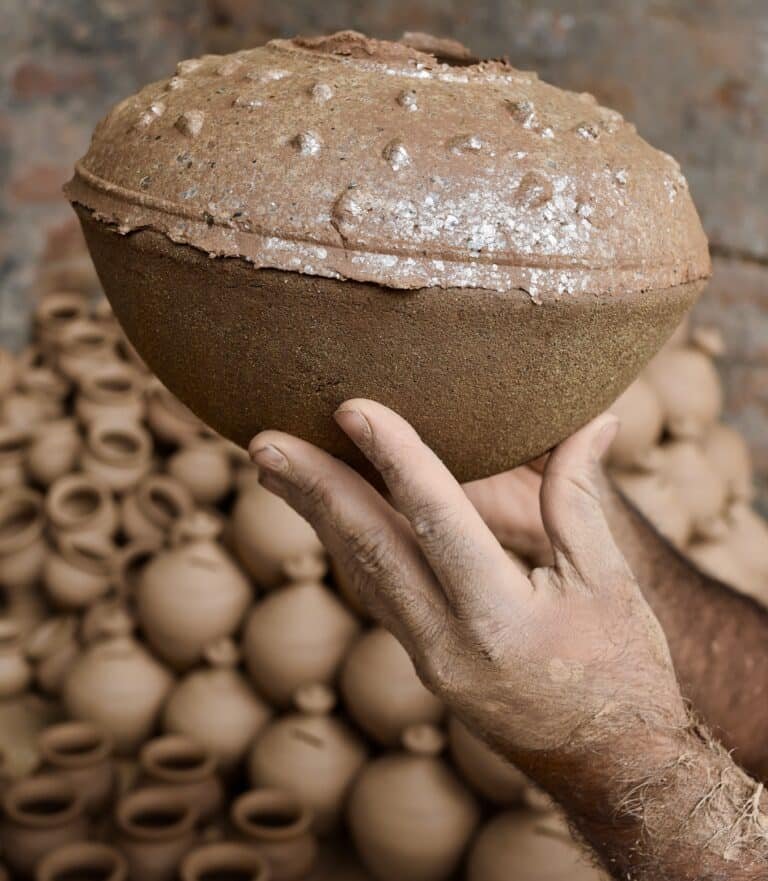
Why Did Humans Cook in Clay Pots?
Clay pots transformed cooking by making boiling, simmering and storage widely accessible. Their heat retention and porous structure can shape texture and moisture, but claims that clay universally detoxifies or…
-
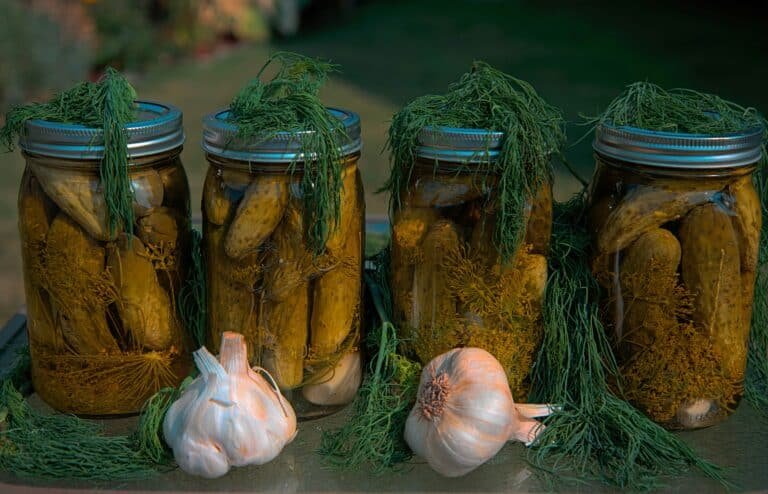
Why Did Pickling Become a Global Preservation Strategy?
Pickling became global because acidity is a powerful preservation tool. Fermented pickles create acid through lactic-acid bacteria; vinegar pickles add it directly. Both can be safe when properly controlled, but…
-

Why Did Traditional Cultures Eat Seasonally?
Traditional seasonal eating was mostly an ecological fact before it was a health doctrine: harvests, weather, storage and trade determined what was available. Modern biology confirms that appetite and food…
-
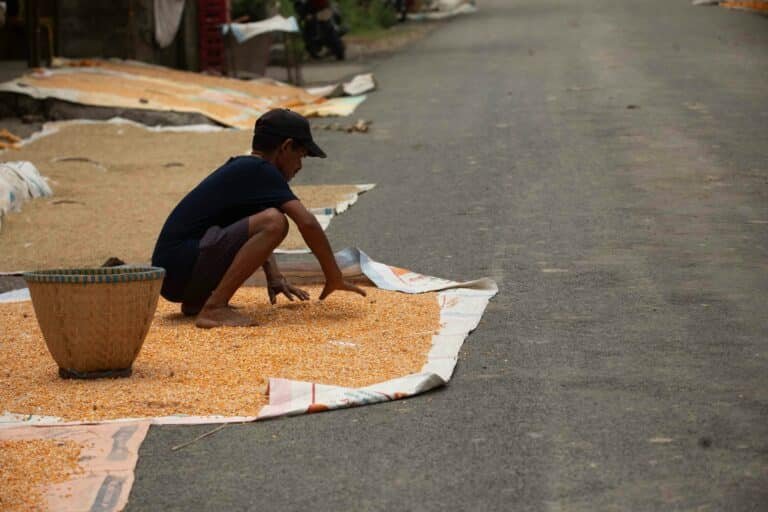
Why Did Humans Dry Food in the Sun?
Sun drying preserved food by removing the water microbes need to grow. The mechanism is robust and ancient, but drying is not sterilization: contamination, mould, nutrient loss and poor storage…
-

Why Did Humans Smoke Food?
Smoking preserved food by combining drying, heat and antimicrobial smoke compounds—and then survived because people came to value the flavour. Modern evidence also shows a trade-off: smoke can deposit carcinogenic…
-
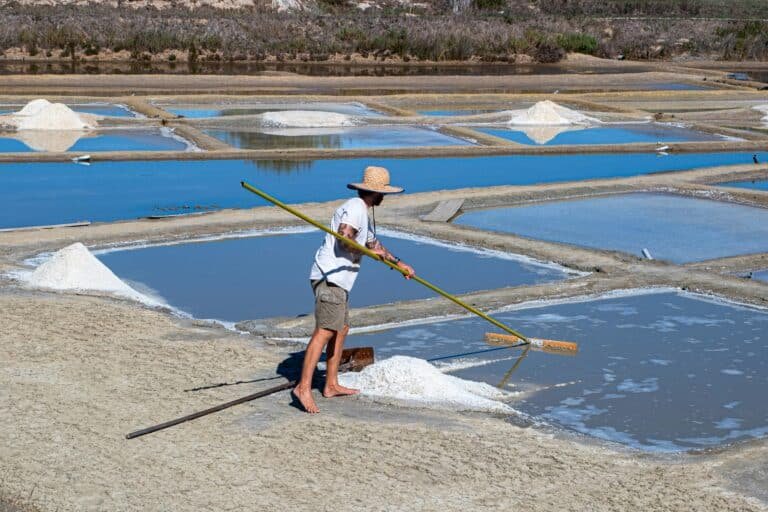
Why Did People Preserve Food With Salt?
Salt preserved food by reducing water activity and imposing osmotic stress on microbes, making it one of history’s most powerful pre-refrigeration tools. Its preservation value is real, but modern high-sodium…
-
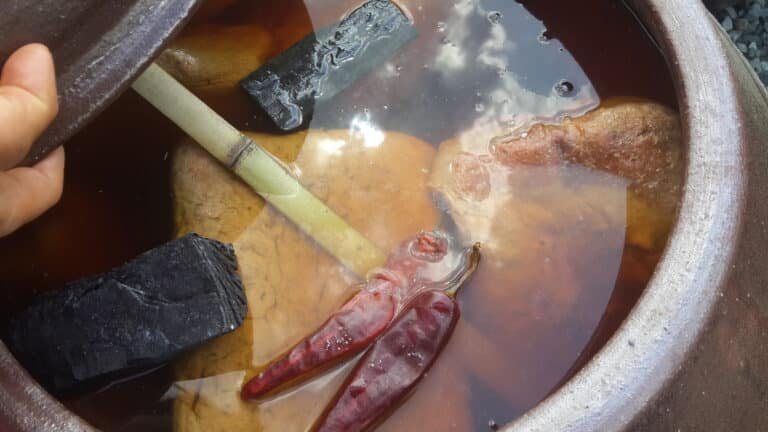
Why Did Humans Learn to Ferment Food?
Fermentation let humans steer invisible microbial ecosystems thousands of years before germ theory. Archaeology and microbiology strongly support preservation, sensory transformation and food-safety benefits—but fermented food is not automatically probiotic…
-
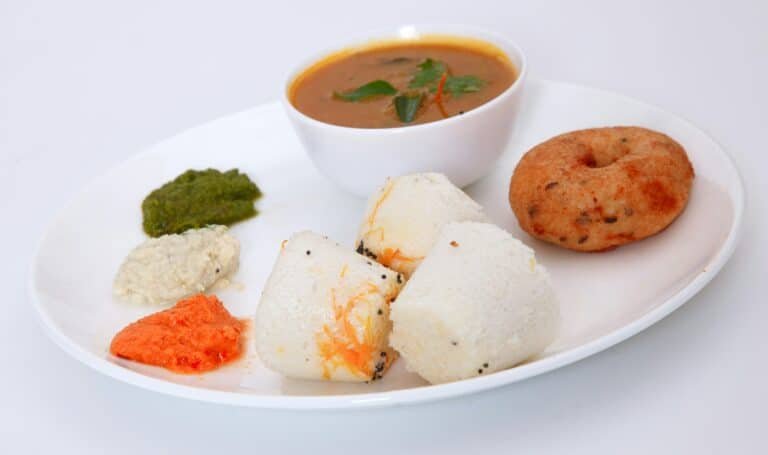
Why Did Indians Ferment Batter for Idli and Dosa?
Idli and dosa batter is a real microbial technology: lactic-acid bacteria acidify and leaven it, while fermentation changes texture, flavour and some nutrients. The evidence supports culinary biotechnology—not claims that…
-
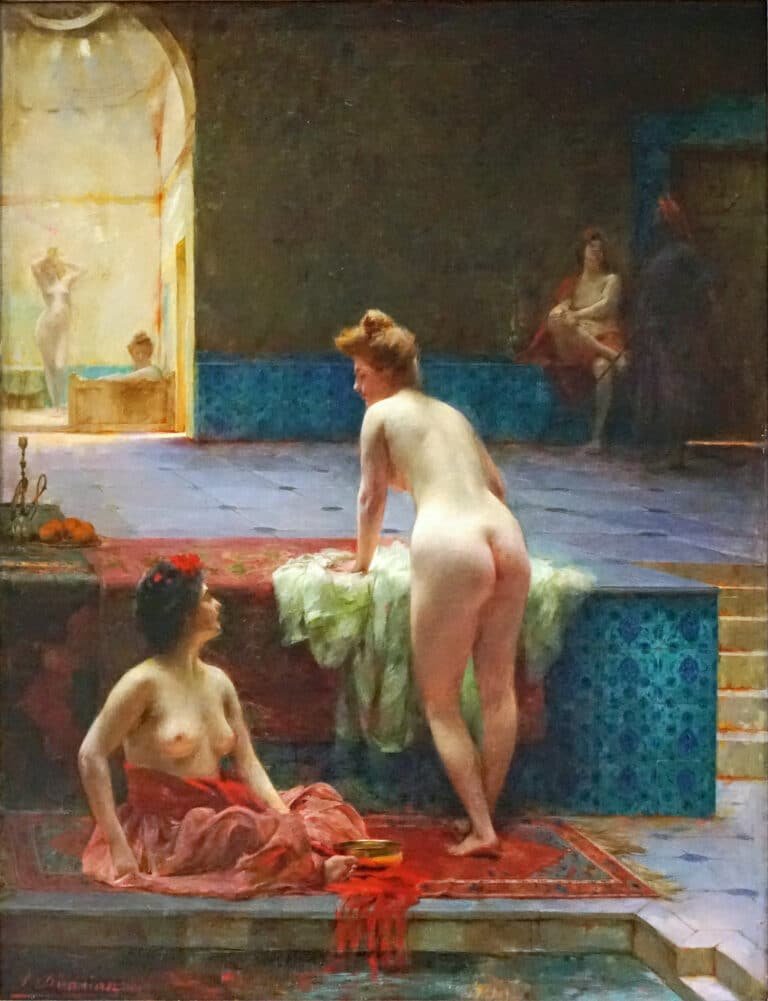
Why Did Hammam Bathing Spread Across the Islamic World?
The hammam was not invented from nothing by Islam. Muslim societies inherited older public-bath technologies and transformed them around purification, hygiene, social life and urban needs.
-
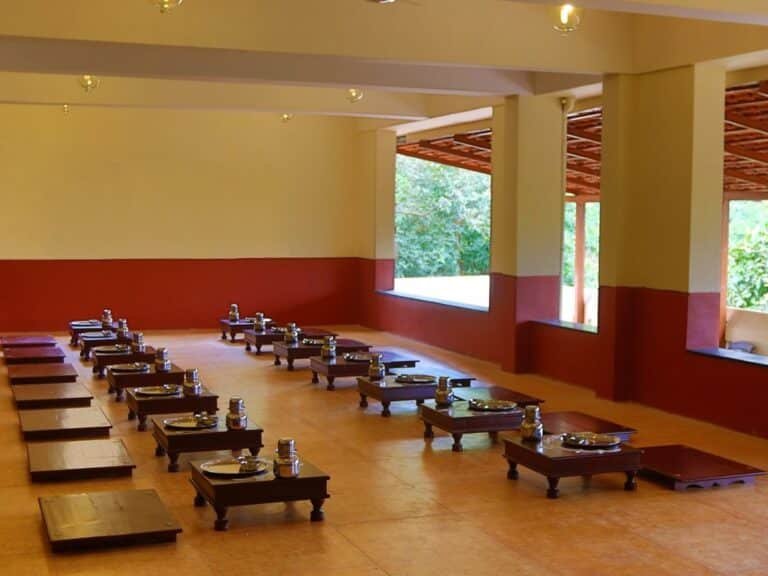
Why Did Indians Traditionally Sit on the Floor to Eat?
Indians traditionally ate close to the ground, but was the practice really designed to improve digestion? The evidence points more strongly to material culture, social custom and functional movement than…
-

Why Did Bathing Become a Daily Ritual in India?
Why did bathing become woven into Indian daily life? The answer runs through hygiene, climate, ritual purity and sacred water—and cannot be reduced to ancient germ theory.