 tradivior
Aadvik Agastya
Explore by topic, region and evidence
-
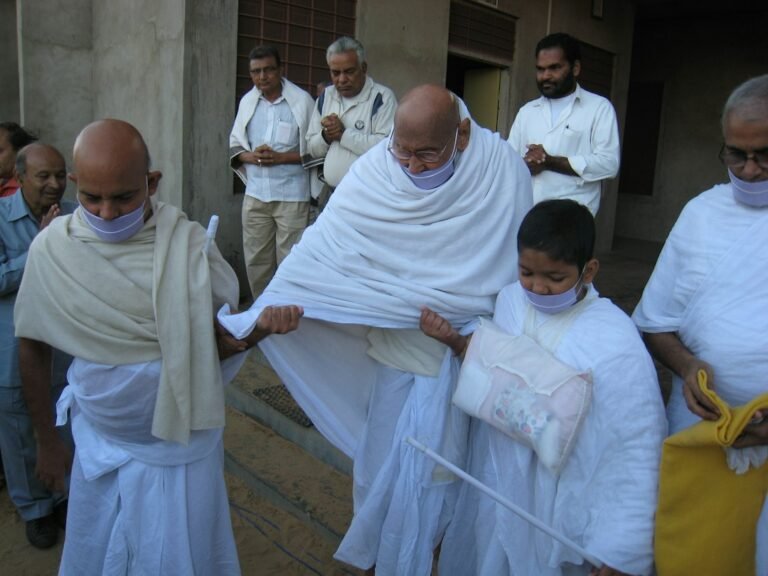
Why Do Mourning Clothes Change Colour Across Cultures?
Mourning colours differ because their main function is social rather than biological. Black, white and other mourning palettes make grief and changed status publicly visible, while the specific colour depends…
-
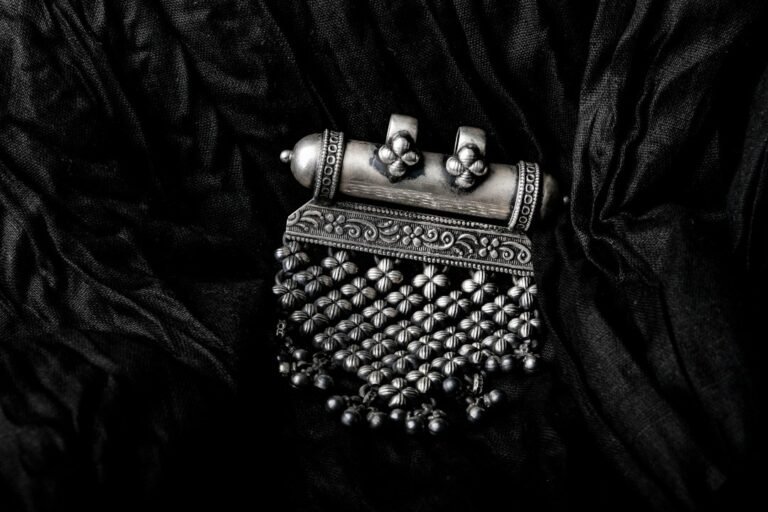
Why Do Metals and Gemstones Become Protective or Auspicious Objects?
Metals and gemstones became protective and auspicious because rarity, durability and ritual meaning made them powerful symbols. Copper and silver have real material properties, but therapeutic jewellery, crystal energy and…
-
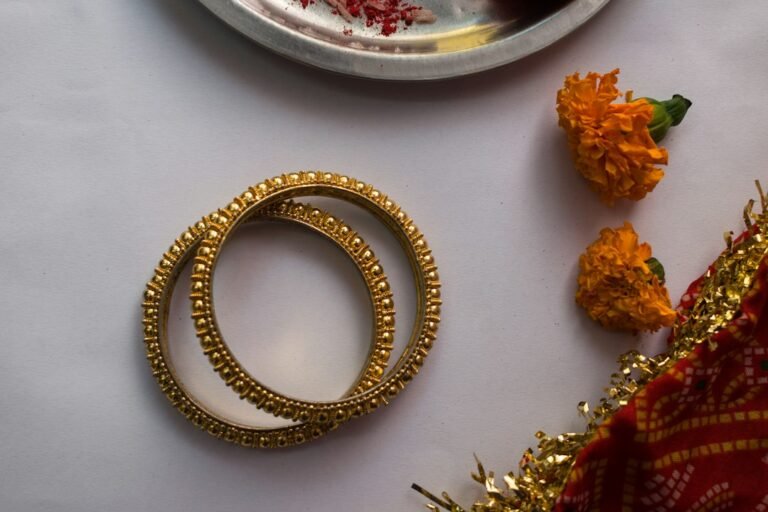
Why Did Bangles, Anklets and Nose Rings Become Social Signals in South Asia?
Bangles, anklets and nose rings became powerful social signals in South Asia because they marked marriage, region, wealth, community and life stage. Archaeology strongly supports symbolic roles; popular circulation and…
-
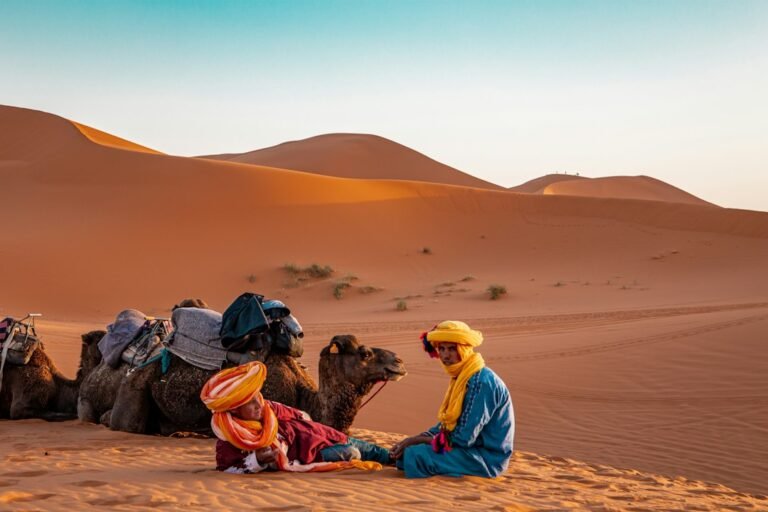
Why Did Traditional Clothing Evolve Around Climate and Work?
Traditional clothing evolved through climate, labour, local fibres, trade and social rules. Thermal science strongly supports the importance of insulation, airflow, evaporation and garment geometry, but no single fibre or…
-
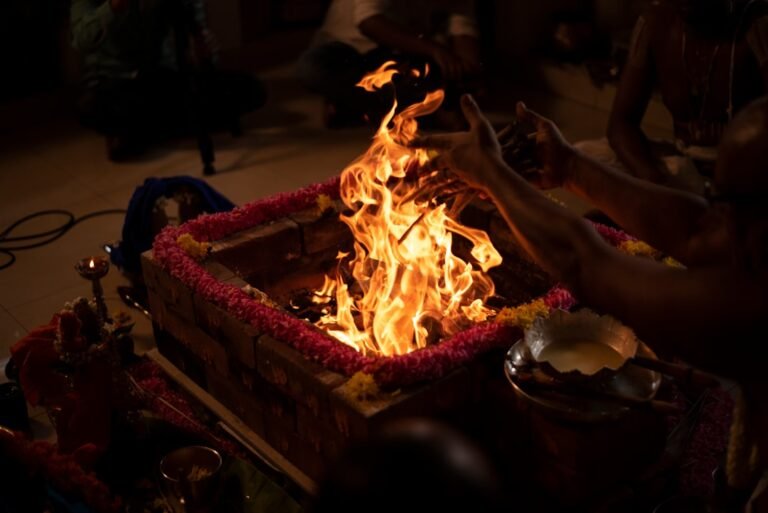
Why Do Some Hindus Wear the Sacred Thread?
The Hindu sacred thread is historically tied to upanayana, Vedic study, ritual eligibility and social identity. Its documented significance is educational and symbolic; modern claims about nerves, blood pressure or…
-
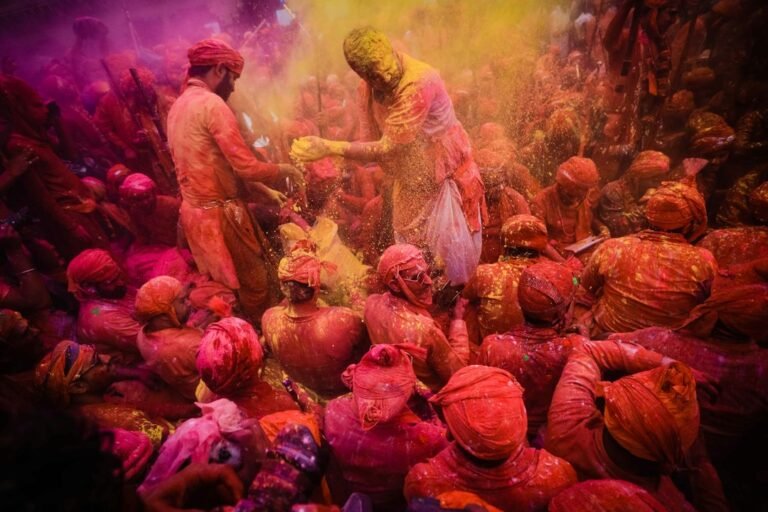
Why Do Cultures Give Ritual Meaning to Colour?
Ritual colour meanings arise from both shared human perception and learned cultural history. Cross-cultural research finds broad emotional regularities, but religion, material scarcity, language and ritual can give the same…
-
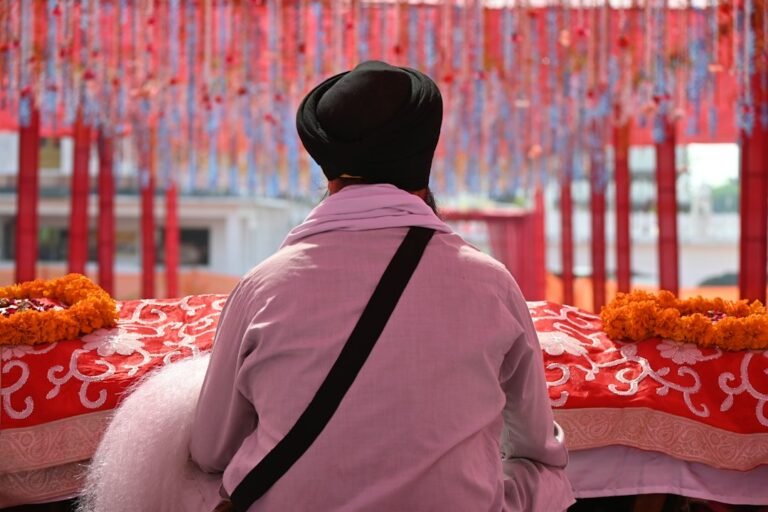
Why Do Religions Cover the Head in Worship?
Religious head coverings across Judaism, Christianity, Islam and Sikhism express different combinations of reverence, modesty, discipline and identity. Their strongest effects are social and psychological, not a universal hidden physiological…
-
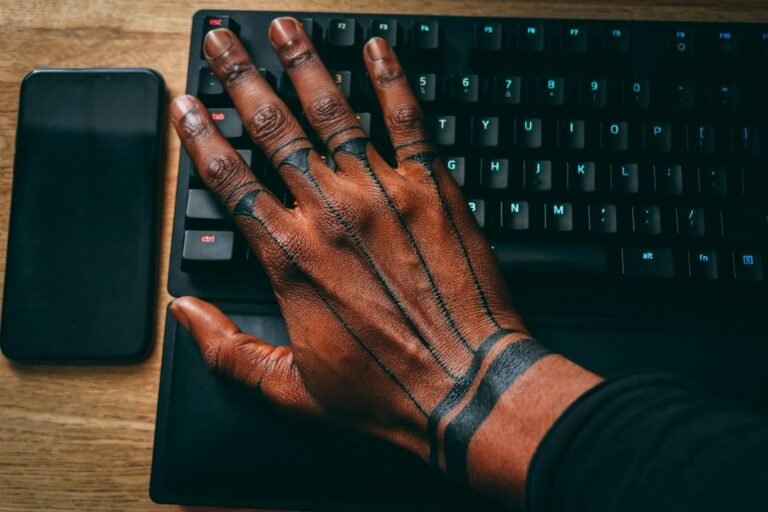
Why Did Humans Tattoo the Body?
Tattooing turns skin into a permanent social surface. Across cultures it has marked identity, initiation, rank, protection, punishment, memory and belonging; its permanence makes those signals powerful while also creating…
-
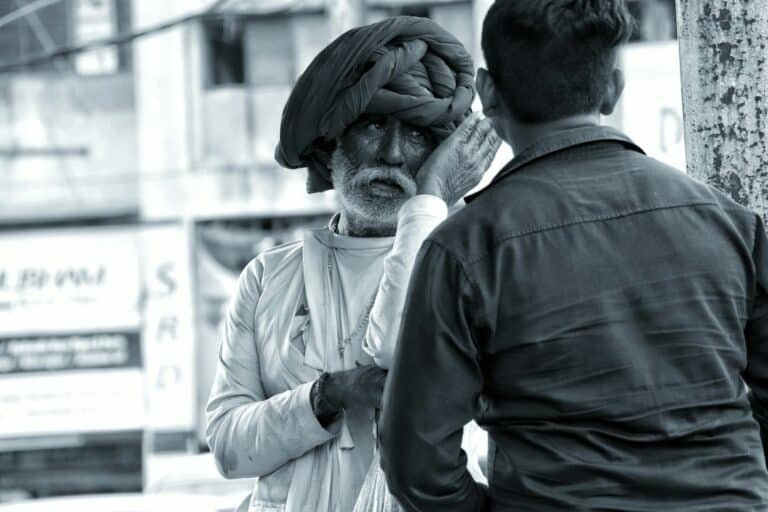
Why Do Sikhs Keep Uncut Hair and Wear the Turban?
Uncut hair and the turban make Khalsa discipline and Sikh identity continuously visible. Their strongest evidence is historical and social: commitment, dignity, solidarity and public recognition—not claims about hidden neurological…
-
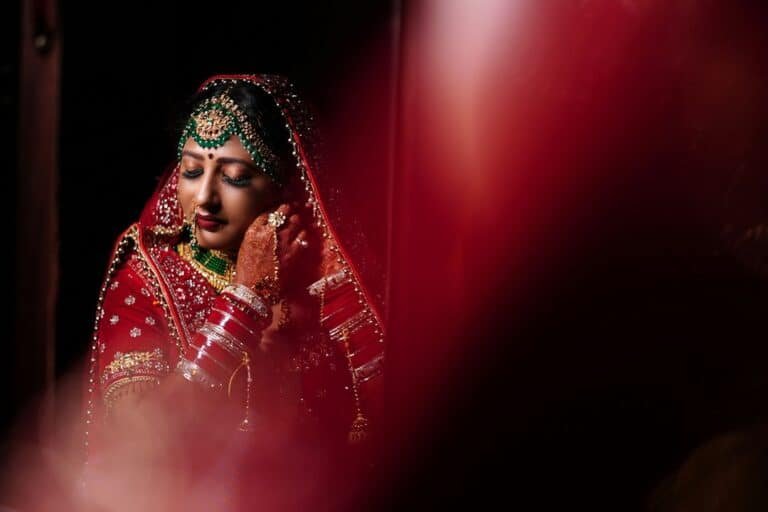
Why Do Married Indian Women Wear Sindoor, Mangalsutra and Other Marriage Markers?
Sindoor, mangalsutra, thali, bangles and toe rings are regionally varied marriage markers that make marital identity visible. Their strongest meanings are social, ritual and economic; many modern biomedical claims are…
-
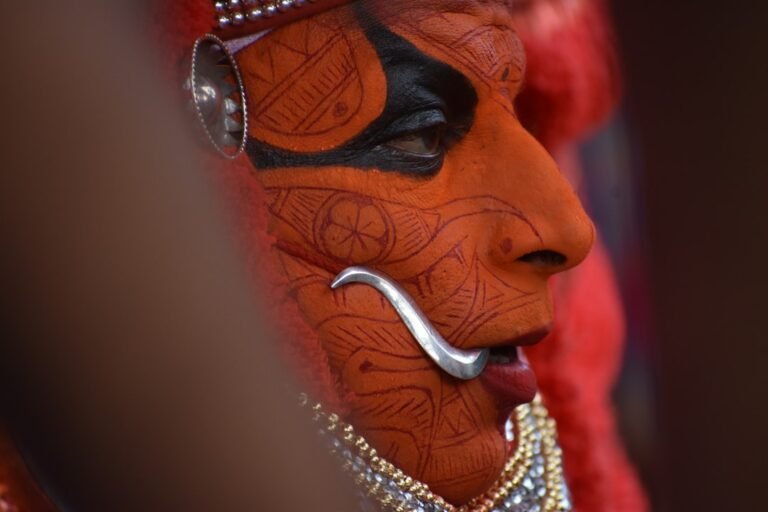
Why Do Hindus Mark the Forehead With Tilak, Bindi or Vibhuti?
Tilak, bindi and vibhuti are varied Hindu forehead-marking traditions that communicate sectarian identity, devotion and ritual participation. Some materials affect the skin, but claims of direct pineal or pituitary activation…
-
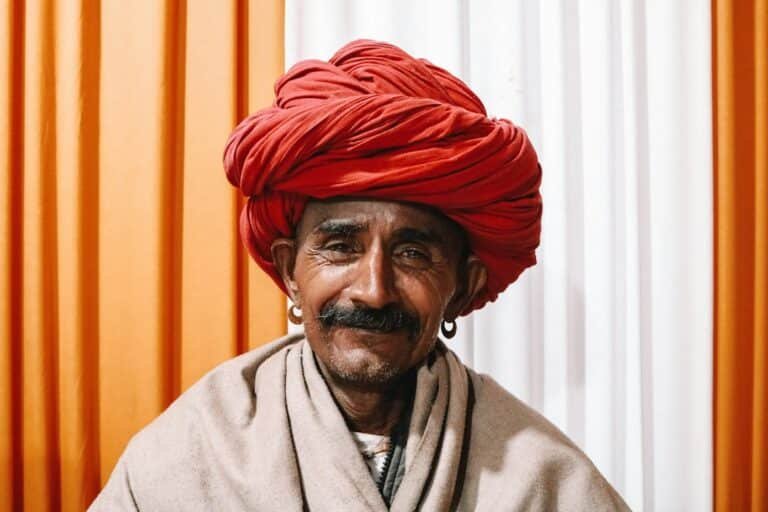
Why Did Humans Wear Jewellery?
Jewellery is one of humanity’s oldest symbolic technologies. Early shell beads predate agriculture by tens of thousands of years, and later ornaments communicate identity, status, alliance, devotion, wealth and memory.