 tradivior
Classical
Explore by topic, region and evidence
Investigations centered on classical-period societies, texts and institutions, with chronology defined according to the civilization being studied.
-

Why Do Traditions Treat Dreams as Messages?
Dreams have served as omens, healing signs, philosophical evidence and sources of authority across civilizations. Modern science supports links to memory and emotion, but not a universal symbolic code or…
-
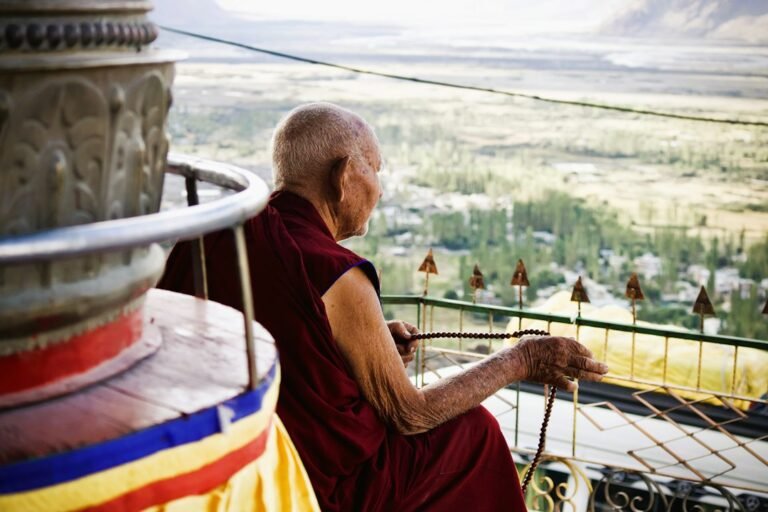
Why Do Buddhists Observe the Breath?
Ānāpānasati uses natural breathing as a field for mindfulness, concentration and insight. Modern research supports effects on attention, mind-wandering and interoception, while Buddhist claims of awakening remain outside ordinary laboratory…
-
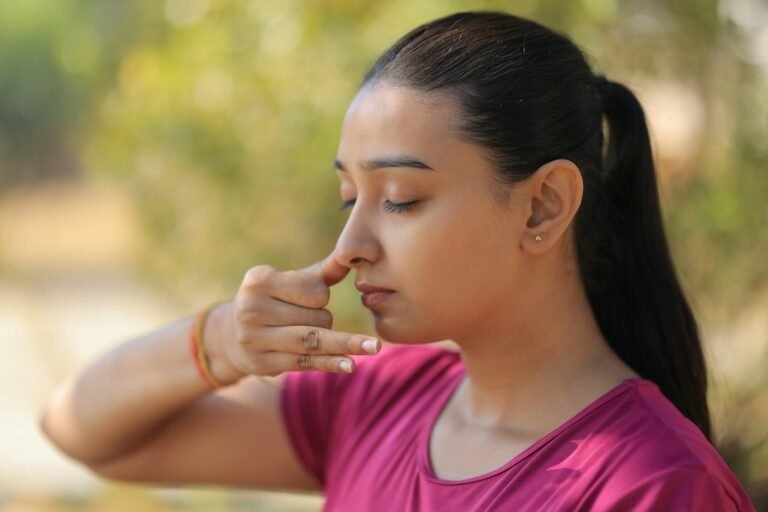
Why Did Indian Traditions Develop Pranayama?
Pranayama evolved through classical and medieval Indian yoga as a discipline of breath, attention and vital-force regulation. Modern evidence supports real autonomic and cardiovascular effects for some techniques, while broad…
-
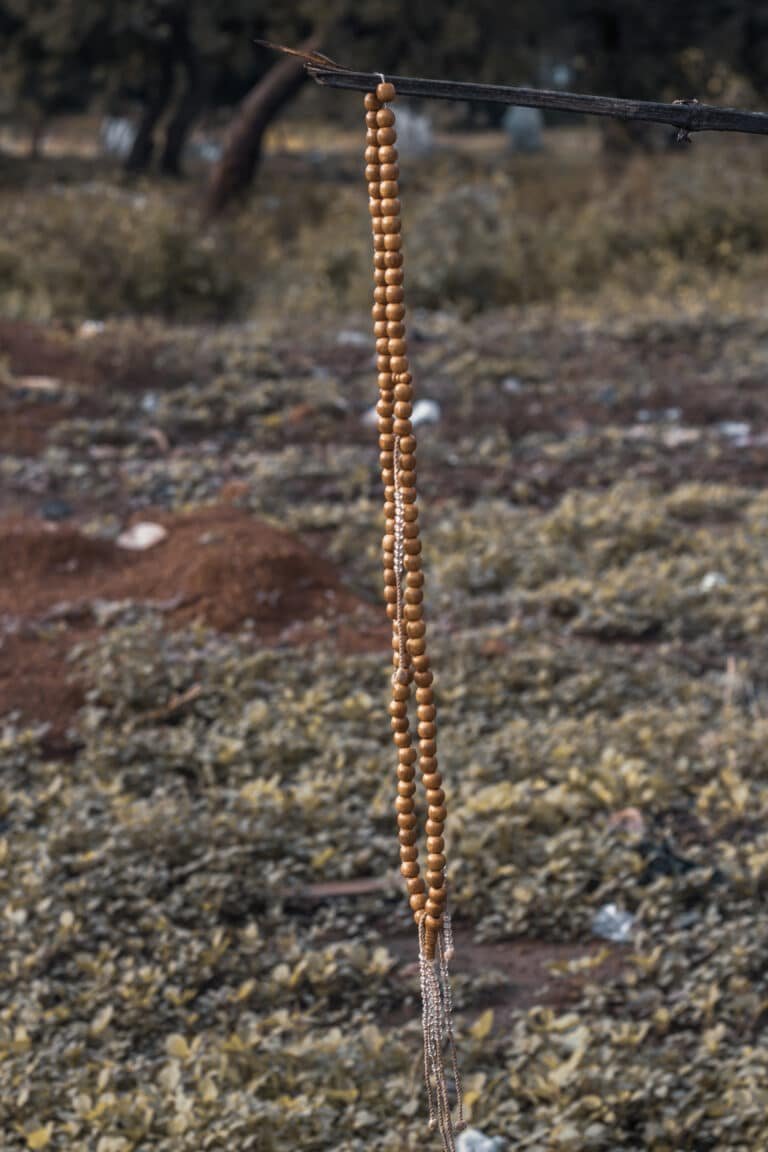
Why Do Religions Use Prayer Beads?
Mala, rosary, misbaha and other prayer beads turn repetition into something the hands can count. Tradivior will trace their histories across religions and test whether tactile counting changes attention, memory…
-
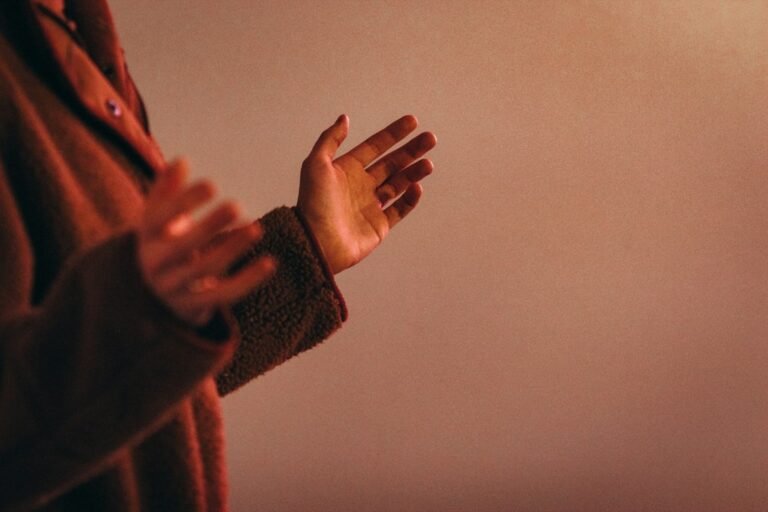
Why Do Indians Touch the Feet of Elders and Gurus?
Touching the feet of elders and gurus is often described today using sweeping claims about energy or nerves. Tradivior will separate those modern explanations from the practice’s historical logic of…
-
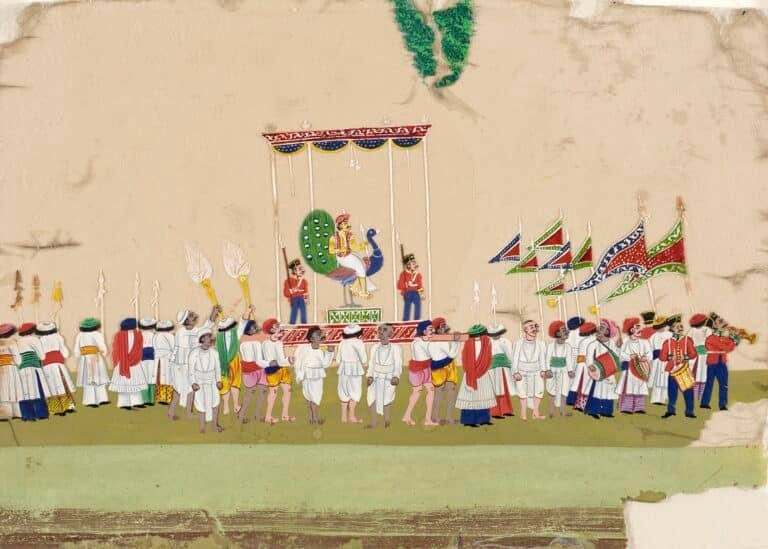
Why Do Devotees Circumambulate Sacred Places?
Walking around a shrine, temple, stupa, sacred mountain or holy object appears in many traditions. Tradivior will investigate why movement around a centre became sacred, how direction matters, and whether…
-
Why Do Buddhists Make Prostrations?
Prostration appears across Buddhist traditions as reverence, training and deliberate lowering of the self. Tradivior will compare its meanings across regions and ask what repetitive full-body ritual may do to…
-
Why Do Christians Kneel, Stand and Make the Sign of the Cross?
Christian worship has long used posture and gesture to make belief visible in the body. Tradivior will examine how kneeling, standing and the sign of the cross developed across churches,…
-
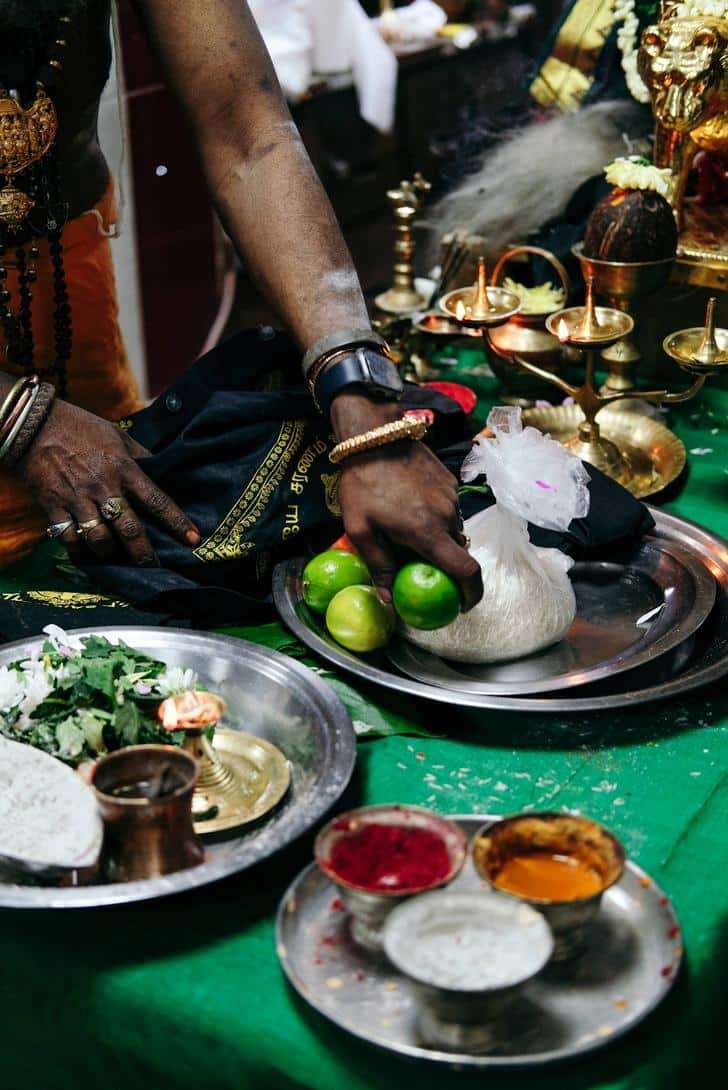
Why Do Hindus Perform Puja With Lamps, Water, Flowers and Food?
Puja brings together light, water, scent, food, touch and gesture in a highly structured act of worship. Tradivior will trace how these offerings developed, what they mean within Hindu traditions,…
-
Why Do Humans Pray?
Prayer appears in radically different religious traditions as petition, praise, confession, gratitude, remembrance and disciplined attention. Tradivior will investigate what prayer has historically meant, what psychology and neuroscience can actually…