 tradivior
Living Tradition
Explore by topic, region and evidence
Investigations into traditions that remain actively practiced, transmitted or reinterpreted by communities today.
-
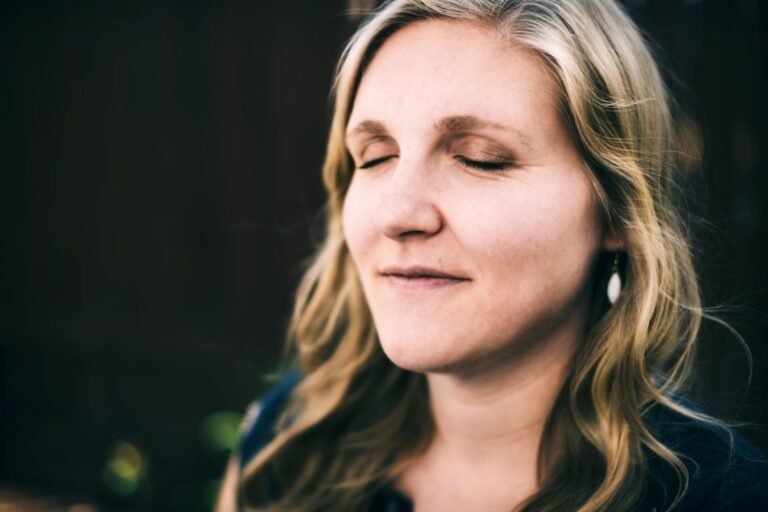
Why Do People Close Their Eyes During Prayer and Meditation?
Closing the eyes can reduce visual distraction and support imagery or inward attention, but prayer and meditation traditions also use open or lowered gaze. The science supports a flexible attentional…
-
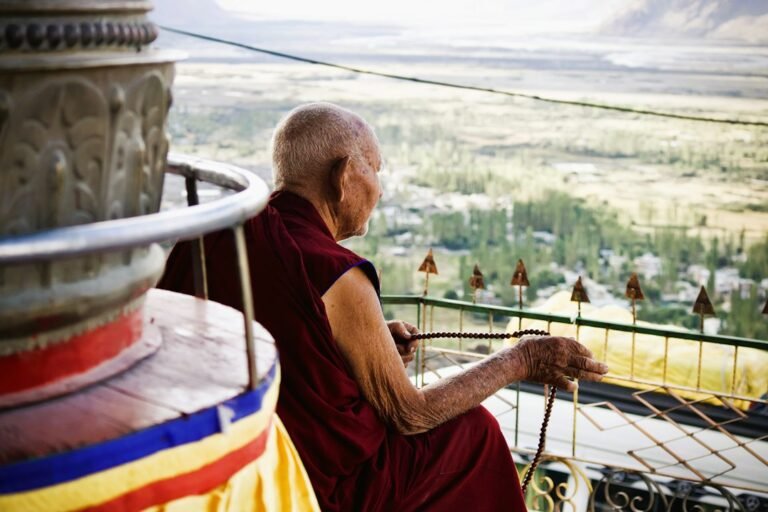
Why Do Buddhists Observe the Breath?
Ānāpānasati uses natural breathing as a field for mindfulness, concentration and insight. Modern research supports effects on attention, mind-wandering and interoception, while Buddhist claims of awakening remain outside ordinary laboratory…
-
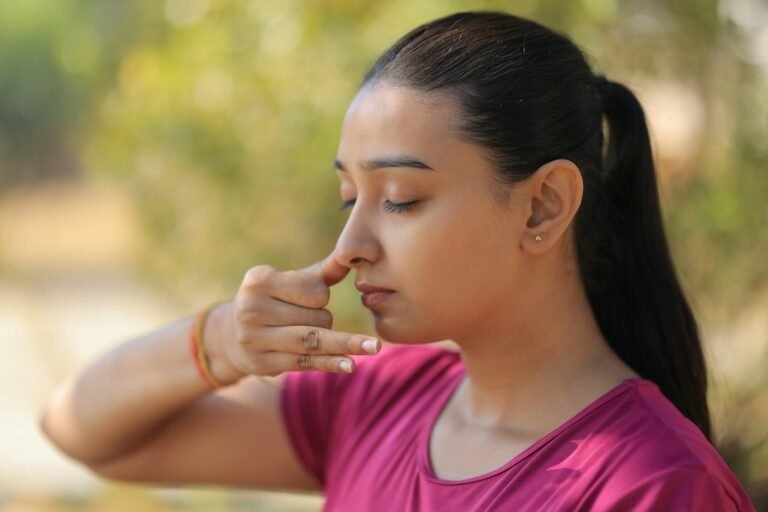
Why Did Indian Traditions Develop Pranayama?
Pranayama evolved through classical and medieval Indian yoga as a discipline of breath, attention and vital-force regulation. Modern evidence supports real autonomic and cardiovascular effects for some techniques, while broad…
-
Why Do Humans Meditate?
Meditation is not one technique but a family of practices that train attention, awareness, emotion and meaning in very different ways. Tradivior will compare traditions, trace their historical goals and…
-
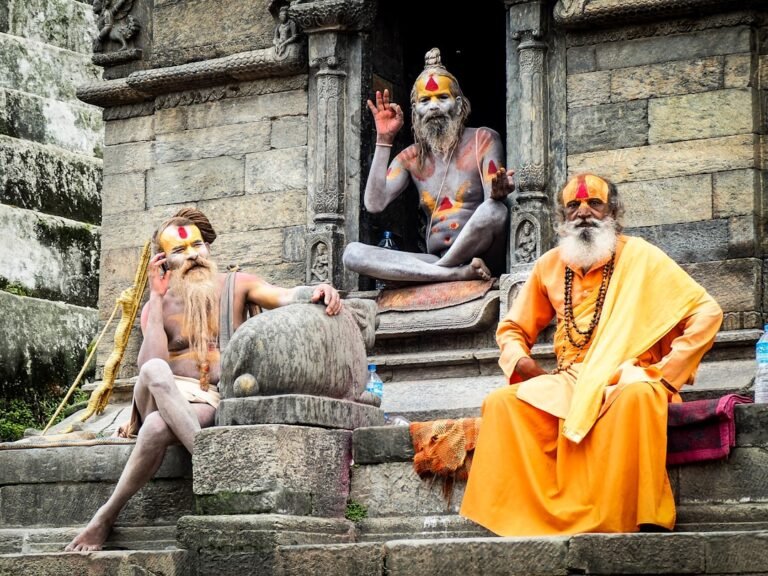
Why Do Ascetics Renounce Comfort?
Fasting, celibacy, silence, poverty, solitude and bodily discipline recur in ascetic traditions worldwide. Tradivior will ask why voluntarily giving up comfort became spiritually powerful and whether psychology and physiology explain…
-
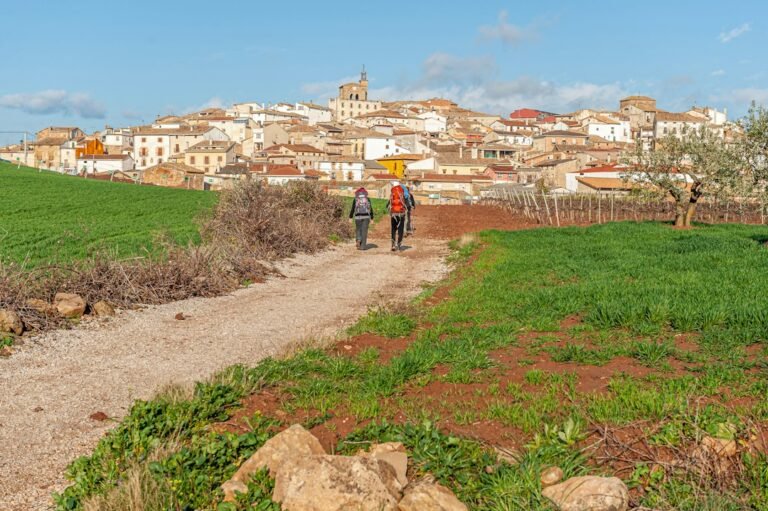
Why Do Pilgrimages Appear Across Religions?
Humans repeatedly turn belief into journeys toward places made sacred by memory, revelation, relics or landscape. Tradivior will compare pilgrimage across religions and examine endurance, liminality, social bonding and place…
-
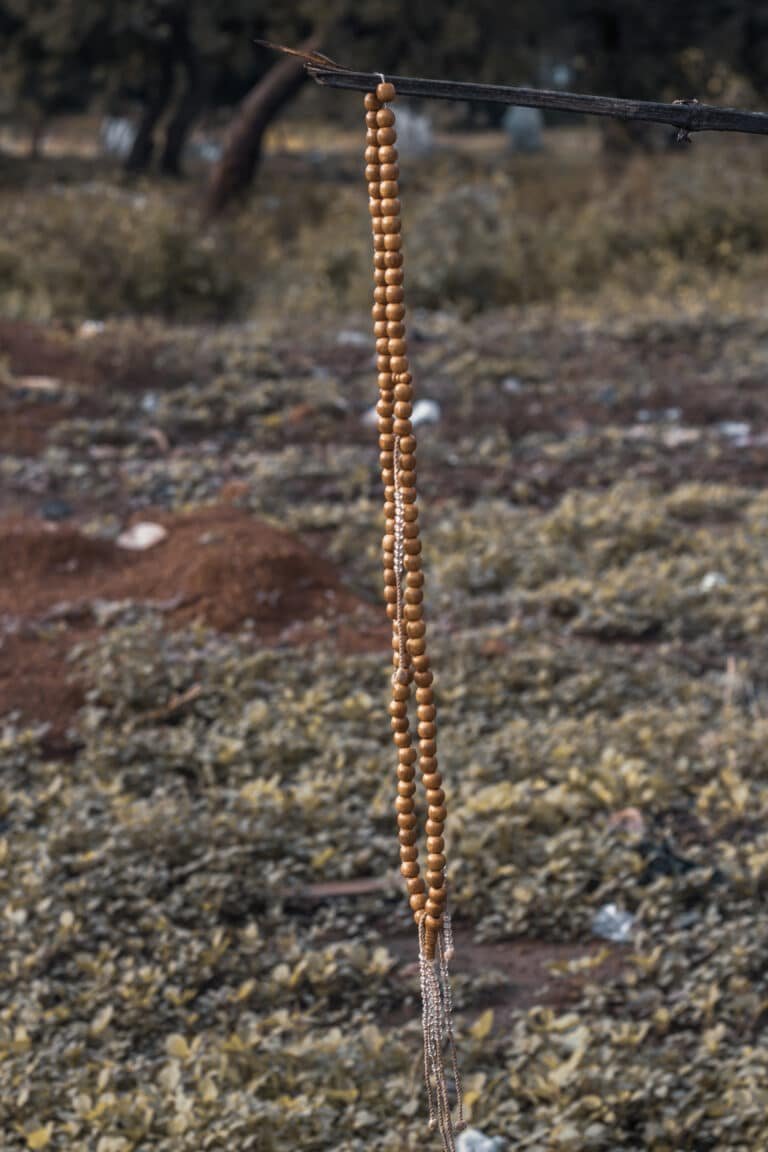
Why Do Religions Use Prayer Beads?
Mala, rosary, misbaha and other prayer beads turn repetition into something the hands can count. Tradivior will trace their histories across religions and test whether tactile counting changes attention, memory…
-
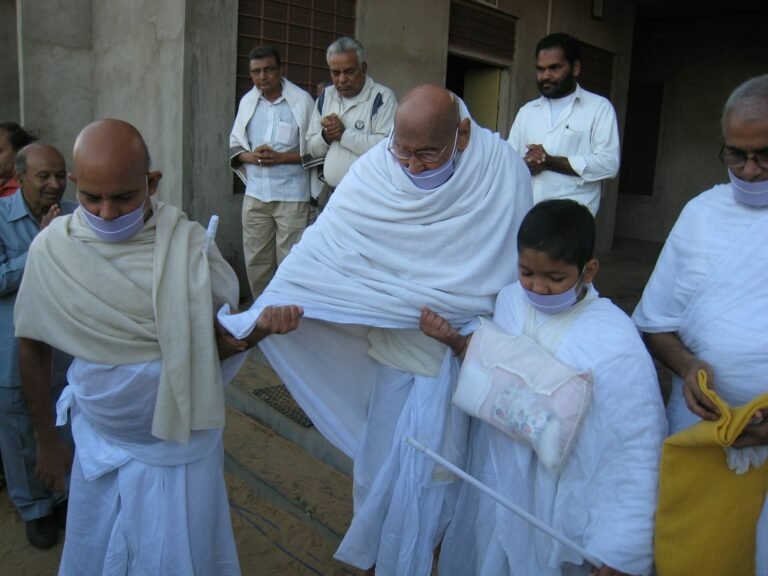
Why Do Jain Monastics Sweep the Ground Before Walking?
The small broom carried by some Jain monastics is not a primitive hygiene tool but an ethical technology of non-violence. Tradivior will investigate its textual and monastic history, ecological assumptions…
-
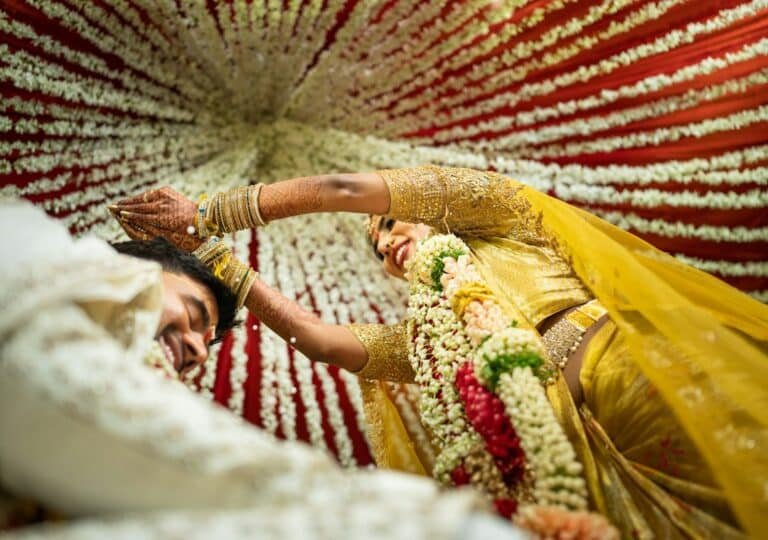
Why Do Indians Touch the Feet of Elders and Gurus?
Touching the feet of elders and gurus is often described today using sweeping claims about energy or nerves. Tradivior will separate those modern explanations from the practice’s historical logic of…
-
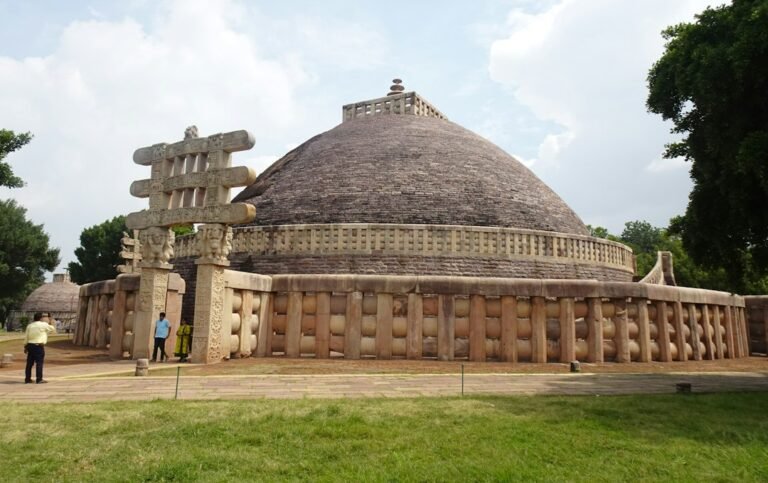
Why Do Devotees Circumambulate Sacred Places?
Walking around a shrine, temple, stupa, sacred mountain or holy object appears in many traditions. Tradivior will investigate why movement around a centre became sacred, how direction matters, and whether…
-
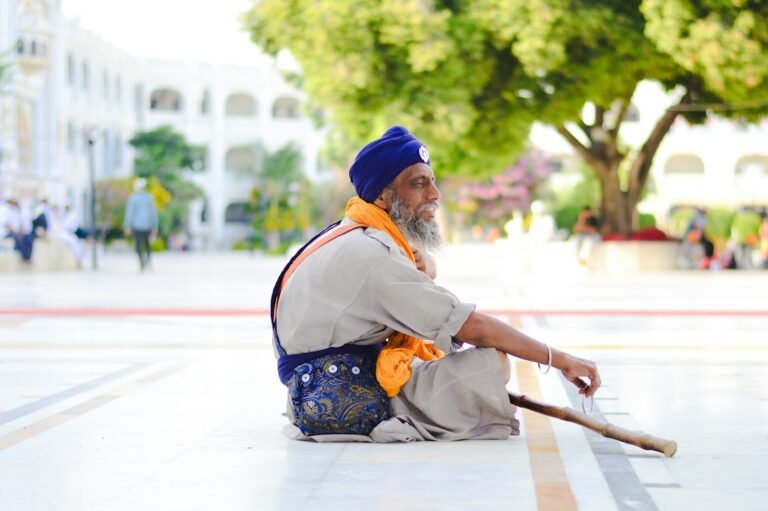
Why Do Sikhs Bow Before the Guru Granth Sahib?
In Sikh practice, bowing before the Guru Granth Sahib expresses reverence toward the Guru embodied in scripture. Tradivior will investigate the history of this relationship and what embodied deference does…
-
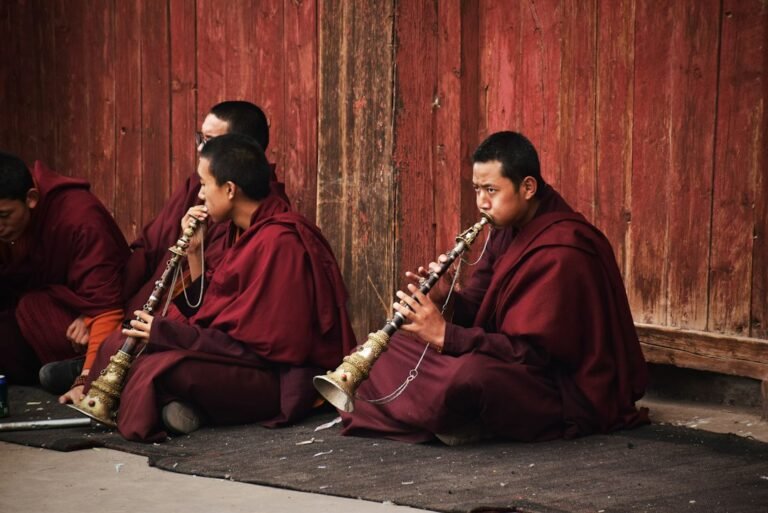
Why Do Buddhists Make Prostrations?
Prostration appears across Buddhist traditions as reverence, training and deliberate lowering of the self. Tradivior will compare its meanings across regions and ask what repetitive full-body ritual may do to…