 tradivior
Living Tradition
Explore by topic, region and evidence
Investigations into traditions that remain actively practiced, transmitted or reinterpreted by communities today.
-

Why Did People Sleep on Mats, Floors and Low Beds?
Mats, futons, low beds and woven cots made sense for climate, portability and flexible household space. Modern evidence shows that very hard surfaces are not universally better for the back.
-
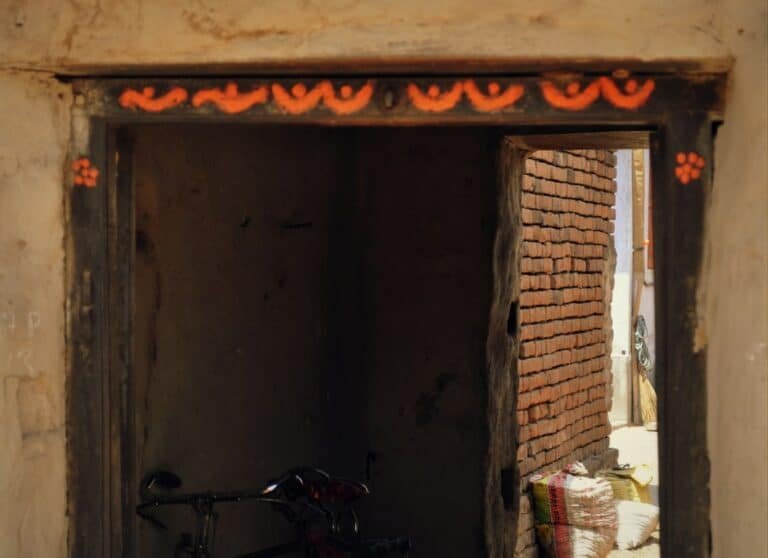
Why Do Indian Homes Decorate the Doorway With Torans?
Toran doorway decorations mark welcome, auspiciousness and ritual preparation across Indian homes. Plant chemistry offers limited side mechanisms, while modern air-purification claims exceed the evidence—and marigold itself is a later…
-

Why Did Courtyard Houses Appear Across Hot Climates?
Courtyard houses appeared across hot climates because one central open space could provide shade, daylight, airflow, privacy and family space. Modern building science validates the mechanisms while showing that performance…
-
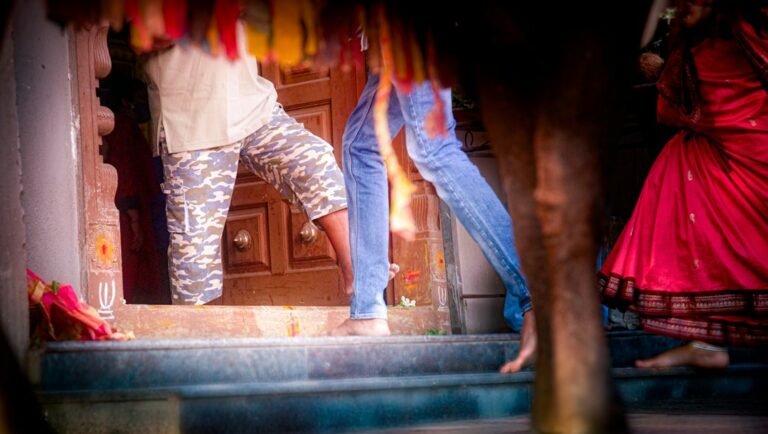
Why Do People Remove Shoes Before Entering a Home?
Removing outdoor shoes before entering a home reflects floor-based living, architecture, cleanliness, sacred respect and etiquette. Modern evidence confirms reduced tracking of microbes and particles without proving that indoor shoes…
-
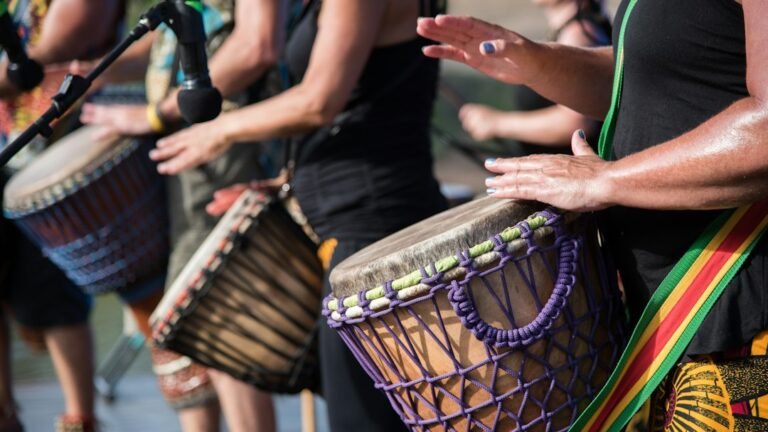
Why Do Humans Seek Trance and Altered States?
Humans across cultures deliberately alter consciousness through rhythm, movement, breath, deprivation, meditation and psychoactive substances. Science explains many induction mechanisms while leaving cultural and metaphysical interpretations distinct.
-

Why Do Traditions Try to Quiet the Sense of Self?
Buddhist not-self, Advaita nonduality, Sufi fanāʾ and Christian self-emptying all reduce ordinary self-reference in different ways. Modern science supports flexible self-processing without proving any one religious metaphysics.
-
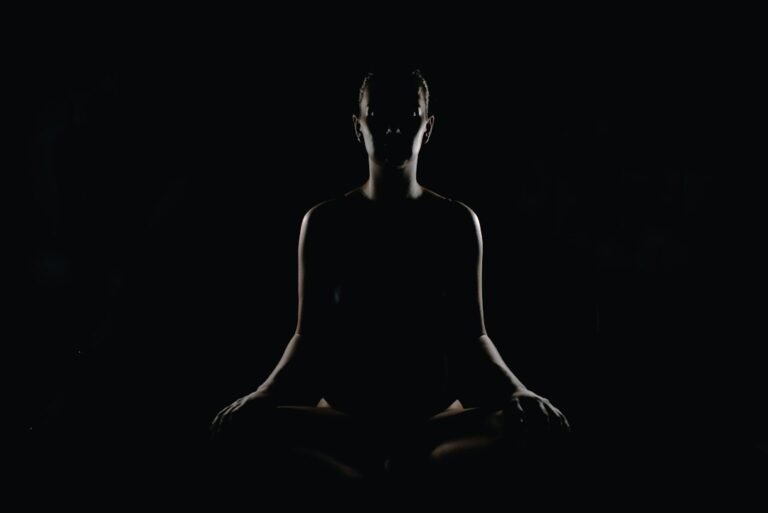
Why Do Rituals Use Visualization and Mental Imagery?
Sacred visualization has long been used in Buddhist, Hindu and Christian contemplative practice. Modern science shows that imagery can influence attention, emotion and motor rehearsal—without supporting claims that thought alone…
-
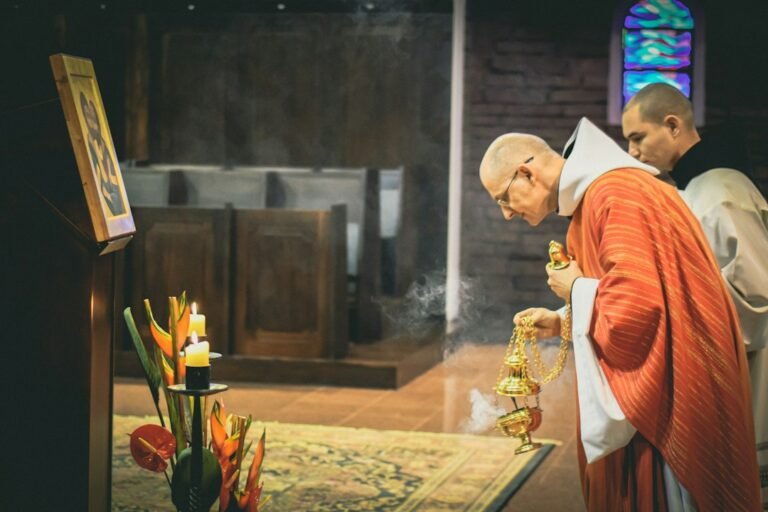
Why Do Monastics Keep Vigils and Stay Awake at Night?
Religious vigils transform wakefulness into prayer, study and sacrifice. Sleep science explains why nights can feel intense while showing that lost sleep generally impairs attention and memory rather than enhancing…
-

Why Do Traditions Treat Dreams as Messages?
Dreams have served as omens, healing signs, philosophical evidence and sources of authority across civilizations. Modern science supports links to memory and emotion, but not a universal symbolic code or…
-
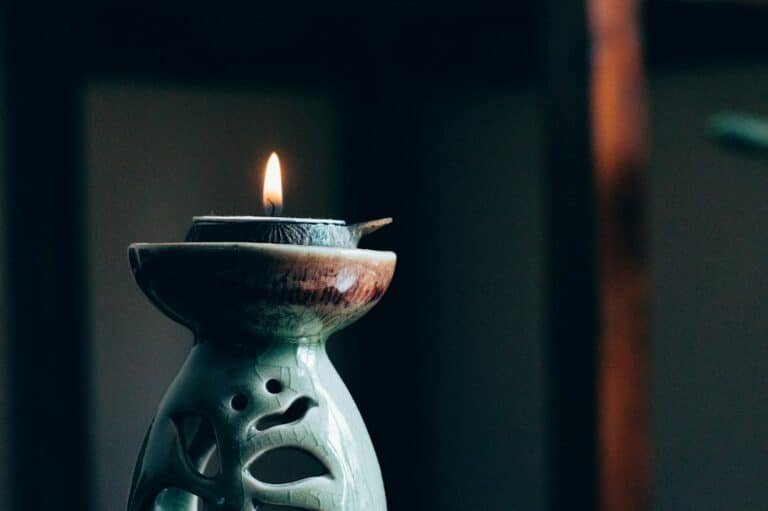
Why Did Yogic Traditions Practice Trataka Candle Gazing?
Trataka is a classical yogic gazing practice often taught with a candle flame. Research suggests plausible attention and selected visual benefits, but broad eye-healing and third-eye claims exceed the evidence.
-
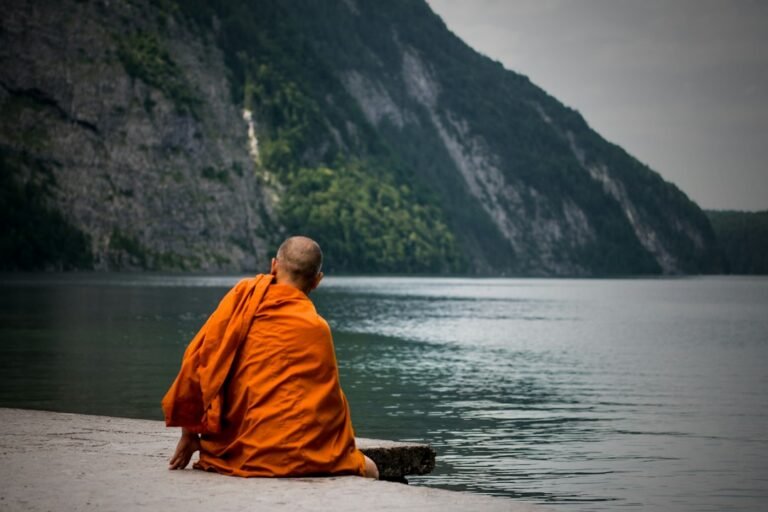
Why Do Humans Seek Solitude for Insight?
Solitude has served prayer, meditation, ascetic discipline and reflection across cultures. Modern evidence supports benefits when aloneness is chosen and meaningful, while loneliness and imposed isolation are fundamentally different states.
-
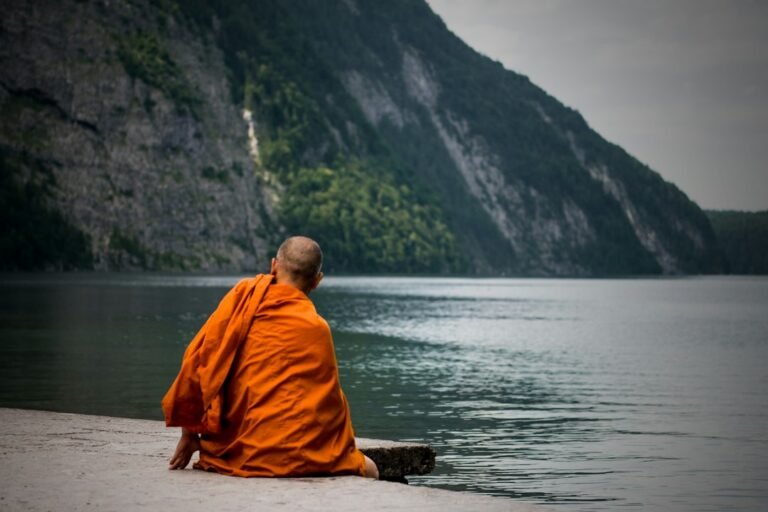
Why Do Traditions Use Silence as a Discipline?
Silence became a discipline across Jain, Buddhist, Hindu and Christian traditions for restraint, contemplation and protection from distraction. Modern psychology supports plausible attentional mechanisms, but retreat benefits cannot be attributed…