 tradivior
Modern
Explore by topic, region and evidence
Investigations focused on practices that emerged, changed or acquired major new meanings in the modern period.
-
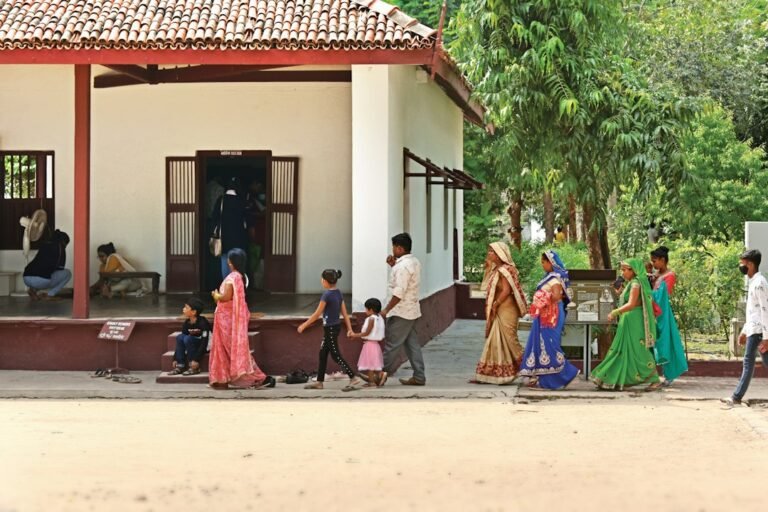
Why Do Kinship Systems Give Different Roles to Maternal and Paternal Relatives?
Kinship systems assign different roles to maternal and paternal relatives because descent, inheritance, residence and care are socially organized. Biology may influence some investment patterns, but culture can amplify or…
-
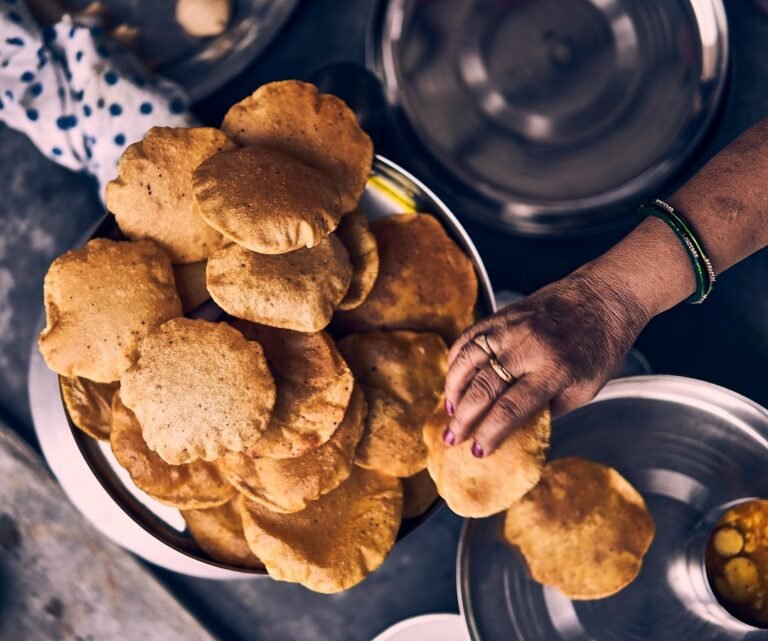
Why Do Communities Treat Hospitality as a Moral Obligation?
Hospitality became a moral obligation because strangers create both risk and opportunity. Guest-host codes reduce uncertainty, protect travellers, build reputation and create reciprocal relationships beyond kin.
-
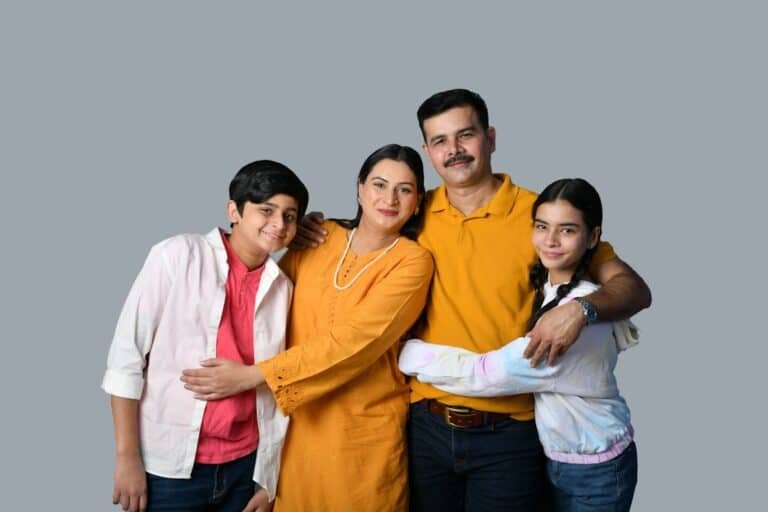
Why Did Joint Families Become Common in South Asia?
Joint families became durable in South Asia because patrilocal marriage, inheritance, agriculture, collective property and kin-based care reinforced one another. The same institution also concentrated hierarchy, gendered labour and conflict.
-
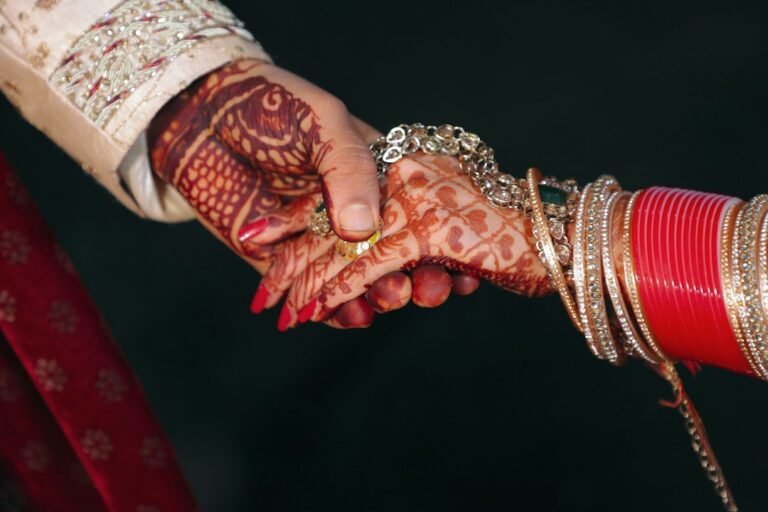
Why Did Arranged Marriage Become Common Across Many Societies?
Arranged marriage became common because marriage historically joined families, property and kinship systems as well as individuals. Modern outcomes depend far more on consent, autonomy, gender equality and family support…
-
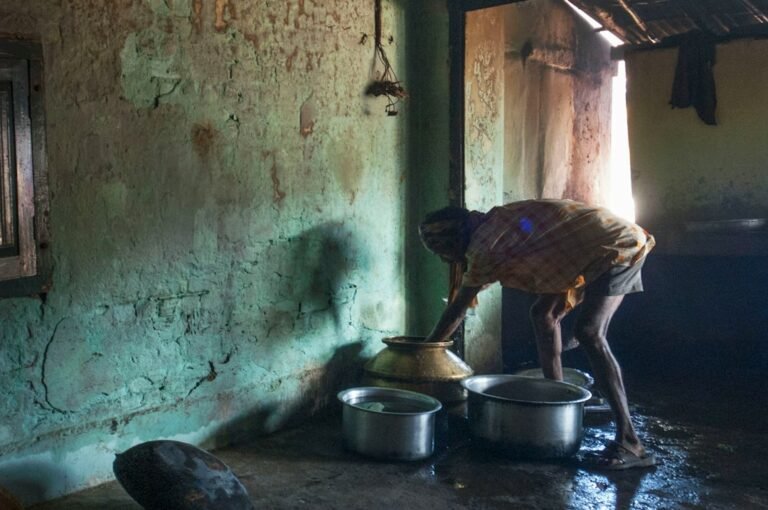
Why Do People Sweep and Wash the Entrance Each Morning?
Morning entrance cleaning removes dust at a high-traffic boundary and prepares the threshold for hospitality and traditions such as kolam. Modern evidence supports cleaning, but not every traditional disinfectant claim.
-
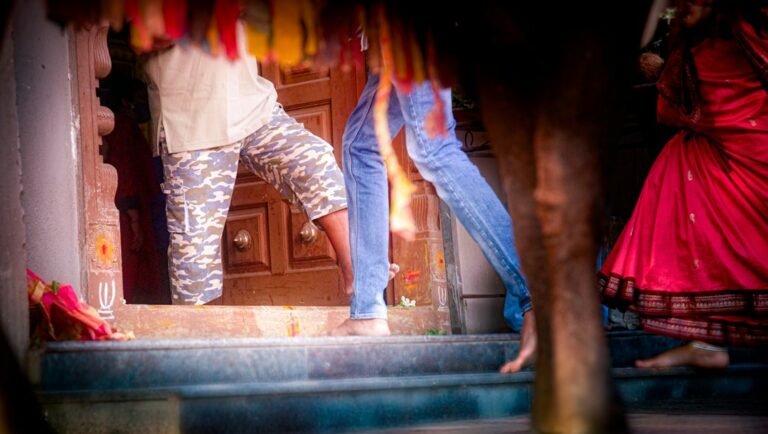
Why Do People Remove Shoes Before Entering a Home?
Removing outdoor shoes before entering a home reflects floor-based living, architecture, cleanliness, sacred respect and etiquette. Modern evidence confirms reduced tracking of microbes and particles without proving that indoor shoes…
-
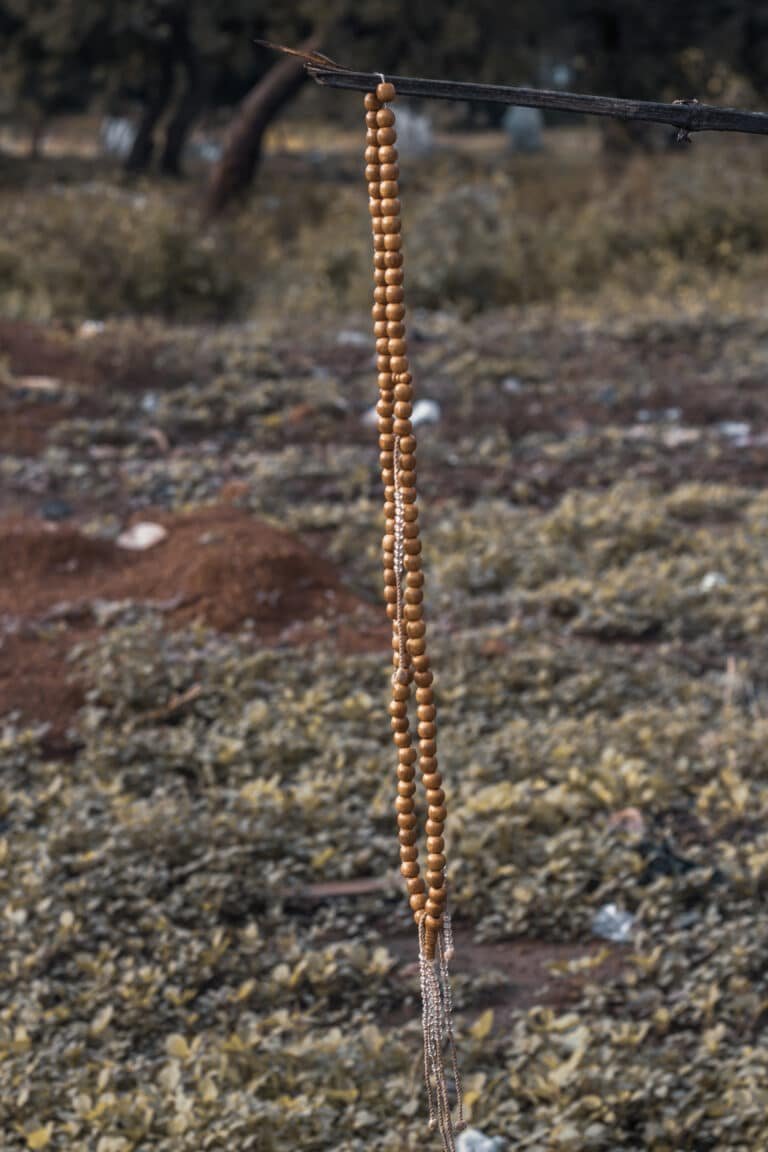
Why Do Religions Use Prayer Beads?
Mala, rosary, misbaha and other prayer beads turn repetition into something the hands can count. Tradivior will trace their histories across religions and test whether tactile counting changes attention, memory…
-
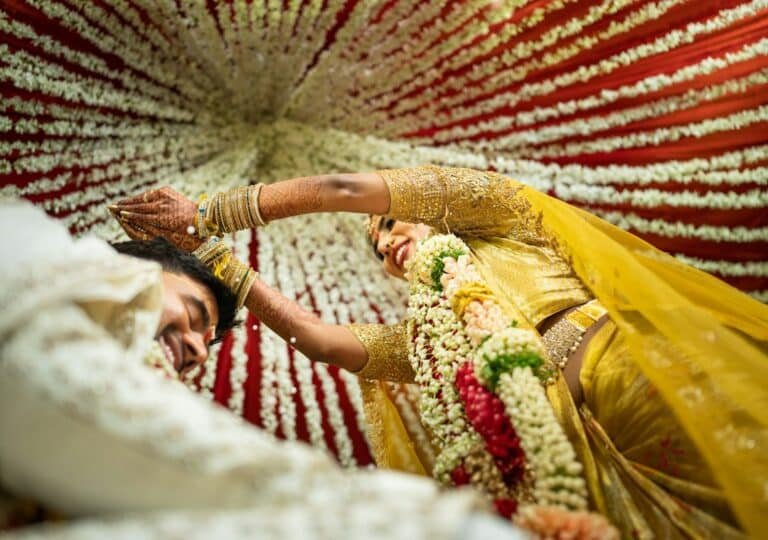
Why Do Indians Touch the Feet of Elders and Gurus?
Touching the feet of elders and gurus is often described today using sweeping claims about energy or nerves. Tradivior will separate those modern explanations from the practice’s historical logic of…
-
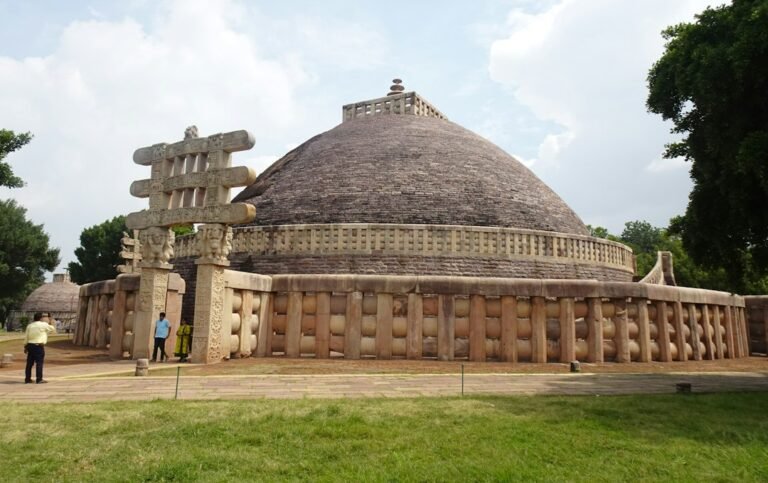
Why Do Devotees Circumambulate Sacred Places?
Walking around a shrine, temple, stupa, sacred mountain or holy object appears in many traditions. Tradivior will investigate why movement around a centre became sacred, how direction matters, and whether…
-
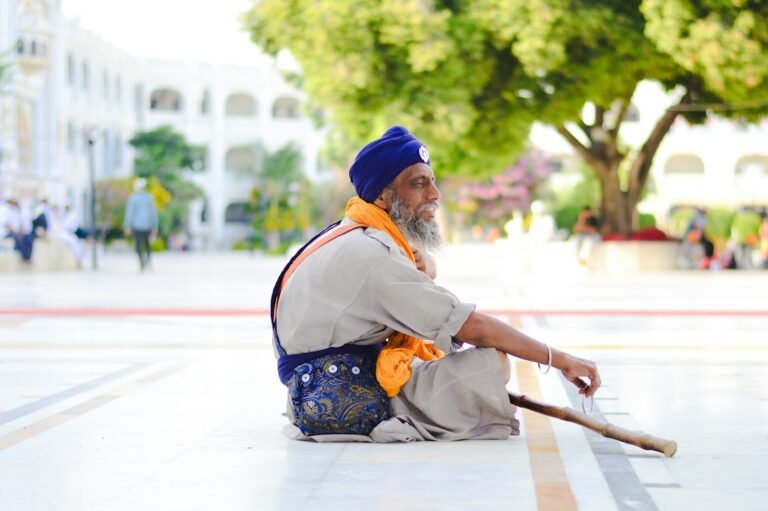
Why Do Sikhs Bow Before the Guru Granth Sahib?
In Sikh practice, bowing before the Guru Granth Sahib expresses reverence toward the Guru embodied in scripture. Tradivior will investigate the history of this relationship and what embodied deference does…
-
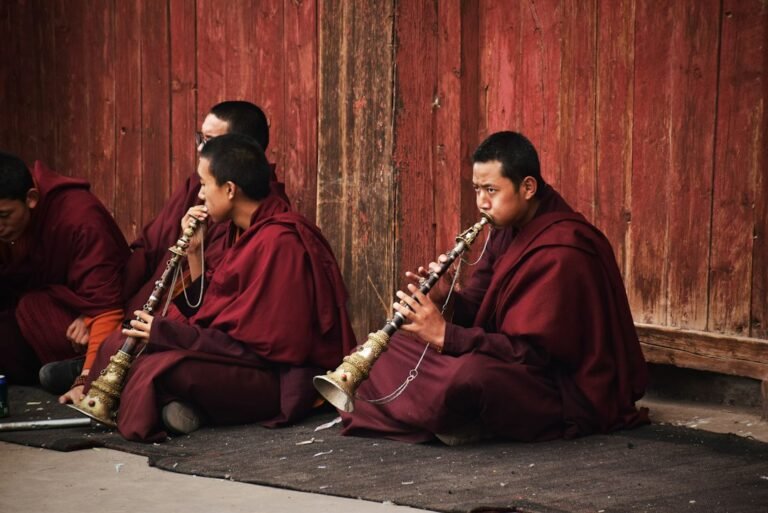
Why Do Buddhists Make Prostrations?
Prostration appears across Buddhist traditions as reverence, training and deliberate lowering of the self. Tradivior will compare its meanings across regions and ask what repetitive full-body ritual may do to…
-
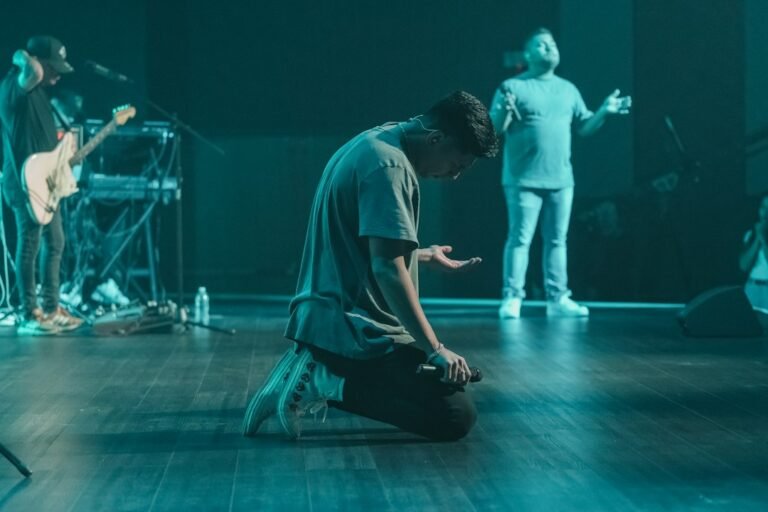
Why Do Christians Kneel, Stand and Make the Sign of the Cross?
Christian worship has long used posture and gesture to make belief visible in the body. Tradivior will examine how kneeling, standing and the sign of the cross developed across churches,…