 tradivior
Christian
Explore by topic, region and evidence
Investigations involving Christian beliefs, liturgy, monasticism, devotional practice and historical communities.
-
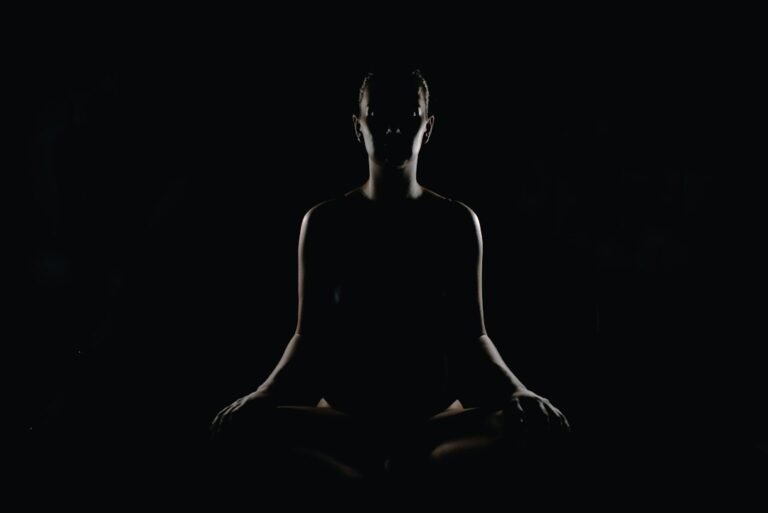
Why Do Rituals Use Visualization and Mental Imagery?
Sacred visualization has long been used in Buddhist, Hindu and Christian contemplative practice. Modern science shows that imagery can influence attention, emotion and motor rehearsal—without supporting claims that thought alone…
-
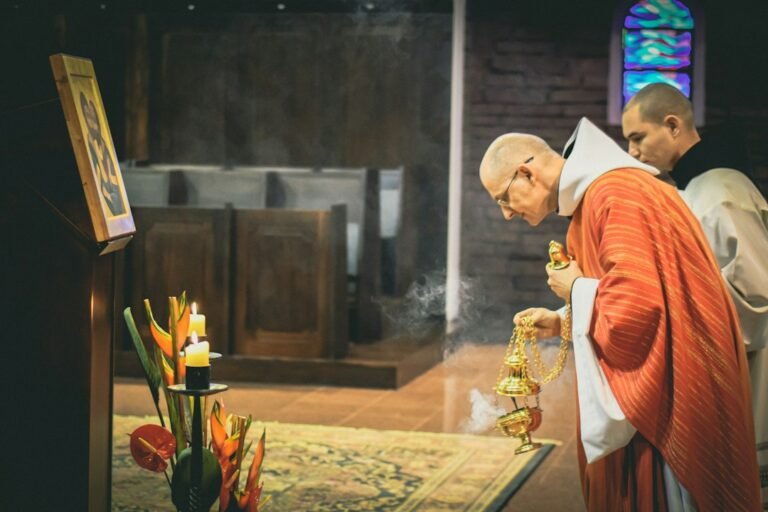
Why Do Monastics Keep Vigils and Stay Awake at Night?
Religious vigils transform wakefulness into prayer, study and sacrifice. Sleep science explains why nights can feel intense while showing that lost sleep generally impairs attention and memory rather than enhancing…
-

Why Do Traditions Treat Dreams as Messages?
Dreams have served as omens, healing signs, philosophical evidence and sources of authority across civilizations. Modern science supports links to memory and emotion, but not a universal symbolic code or…
-
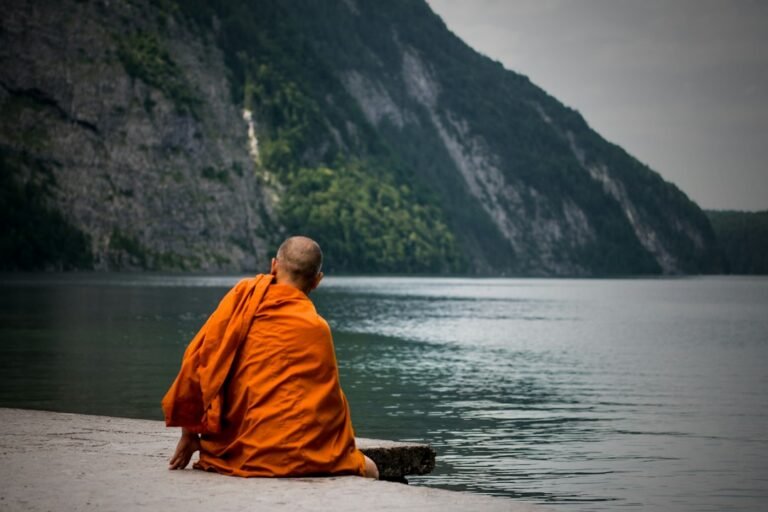
Why Do Humans Seek Solitude for Insight?
Solitude has served prayer, meditation, ascetic discipline and reflection across cultures. Modern evidence supports benefits when aloneness is chosen and meaningful, while loneliness and imposed isolation are fundamentally different states.
-
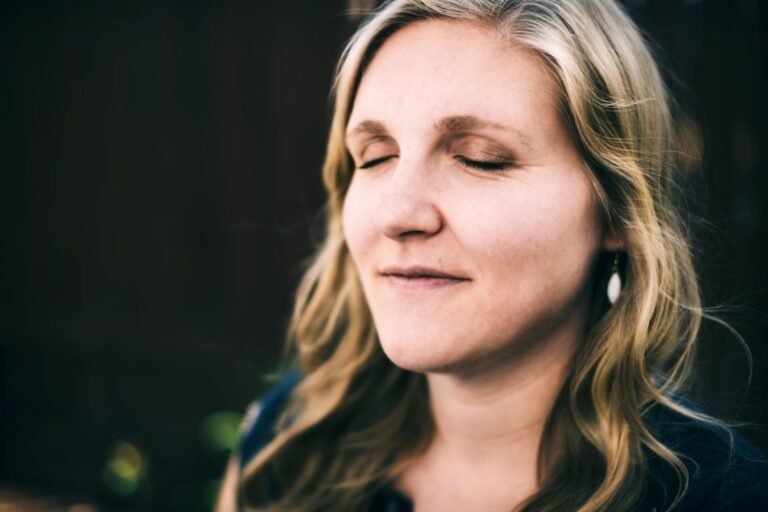
Why Do People Close Their Eyes During Prayer and Meditation?
Closing the eyes can reduce visual distraction and support imagery or inward attention, but prayer and meditation traditions also use open or lowered gaze. The science supports a flexible attentional…
-
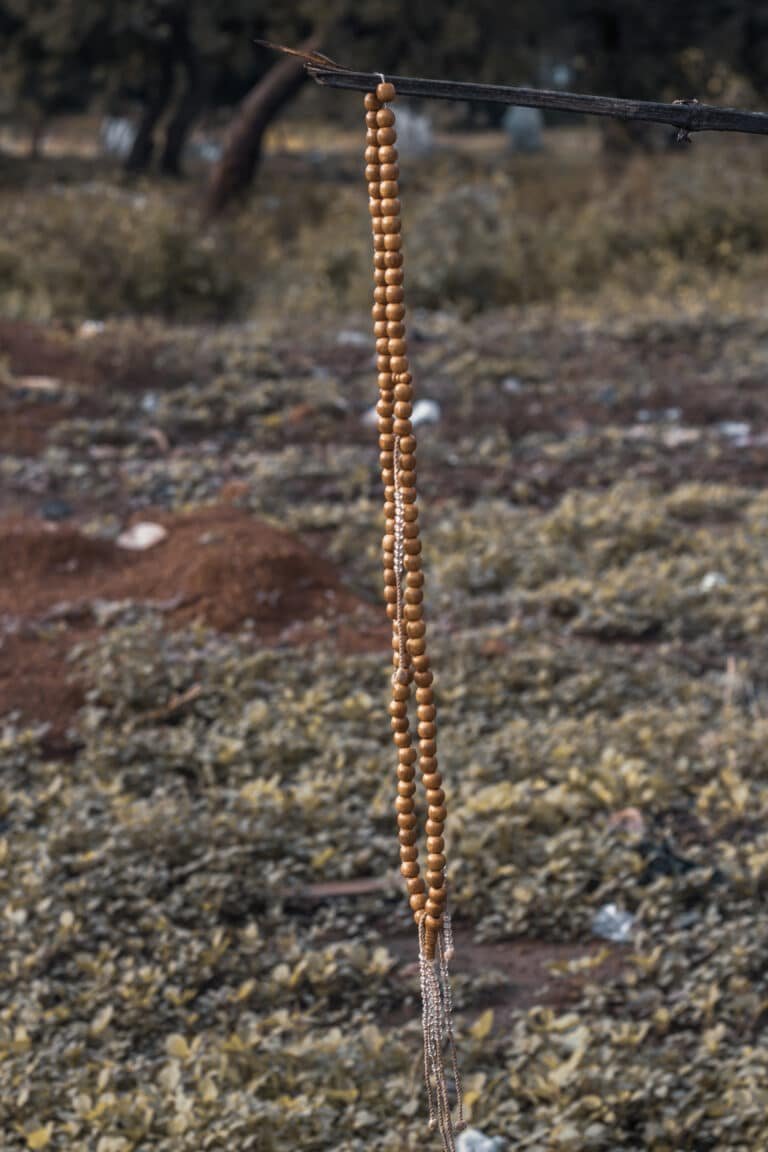
Why Do Religions Use Prayer Beads?
Mala, rosary, misbaha and other prayer beads turn repetition into something the hands can count. Tradivior will trace their histories across religions and test whether tactile counting changes attention, memory…
-
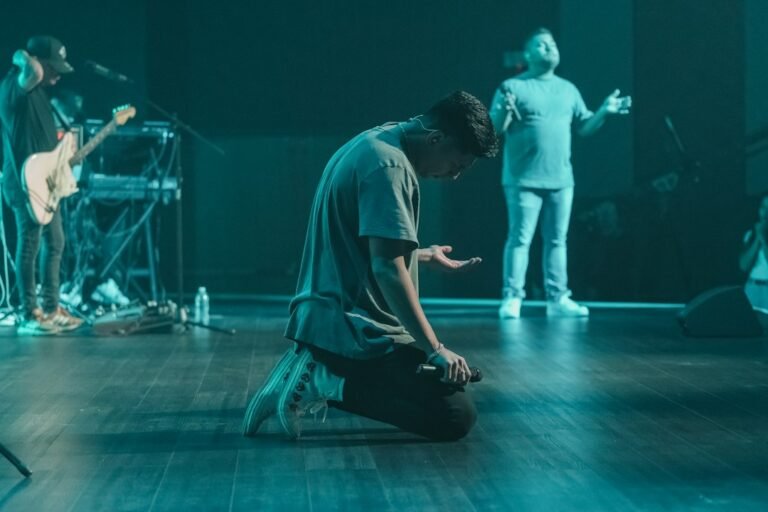
Why Do Christians Kneel, Stand and Make the Sign of the Cross?
Christian worship has long used posture and gesture to make belief visible in the body. Tradivior will examine how kneeling, standing and the sign of the cross developed across churches,…
-
Why Do Humans Pray?
Prayer appears in radically different religious traditions as petition, praise, confession, gratitude, remembrance and disciplined attention. Tradivior will investigate what prayer has historically meant, what psychology and neuroscience can actually…