 tradivior
Folk
Explore by topic, region and evidence
Investigations into local and folk religious practices that do not fit neatly within a single formal institutional tradition.
-
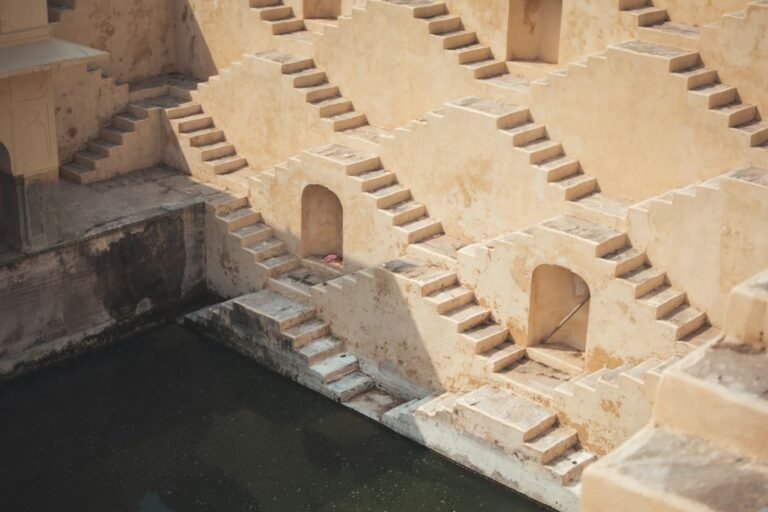
Why Did Communities Protect Water Sources Through Ritual Rules?
Ritual rules can protect springs, wells and tanks by preserving catchments, restricting contamination and coordinating maintenance. Their ecological value is real, but purity rules have also sometimes enforced unequal access.
-
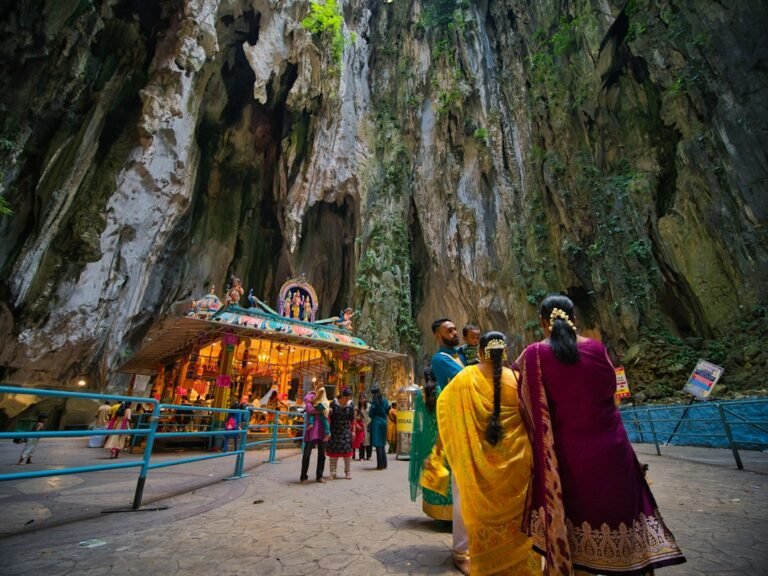
Why Do Caves Become Sacred Places?
Caves have served as shelters, burial places, shrines, monasteries and sites of visions. Tradivior will examine why darkness, enclosure and geological permanence repeatedly become spiritually meaningful.
-
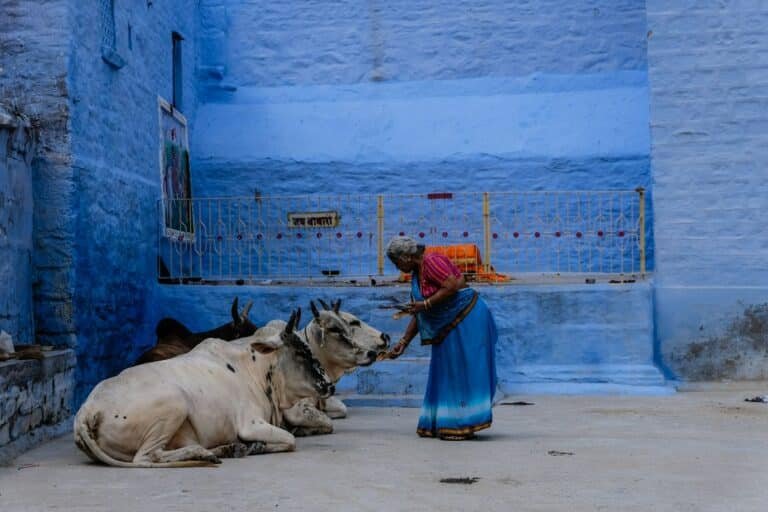
Why Are Certain Animals Sacred or Taboo?
Sacred and taboo animals can be protected, sacrificed, feared or avoided for very different reasons. Modern evidence shows some taboos reduce hunting pressure, but conservation should not be assumed to…
-
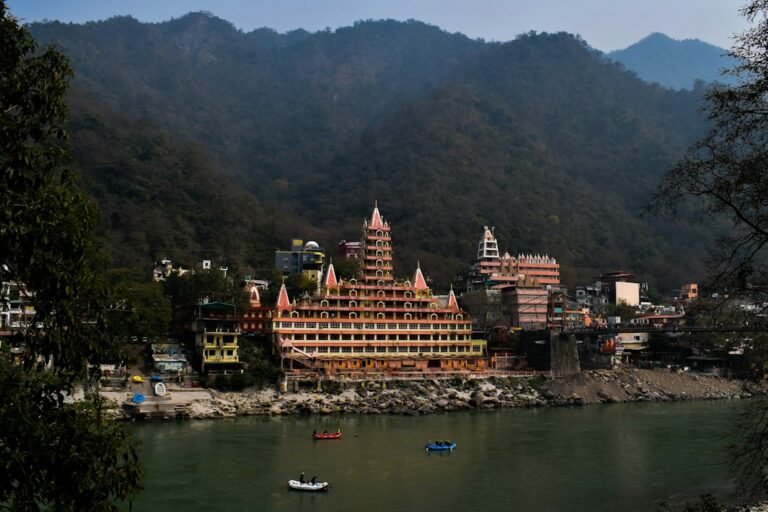
Why Do Mountains Become Holy?
Kailash, Sinai, Fuji, Olympus and countless local peaks turn elevation and remoteness into sacred geography. Tradivior will investigate why mountains invite gods, ancestors and pilgrimage, and what awe and landscape…
-
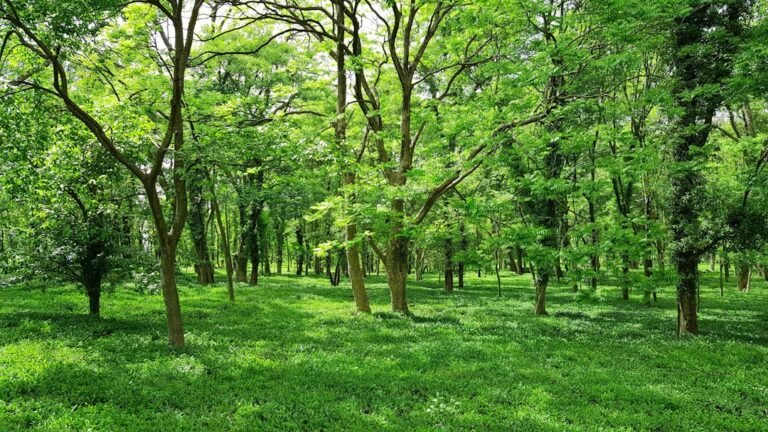
Why Were Sacred Groves Protected in India?
India’s sacred groves can preserve biodiversity because religious taboos and customary institutions restrict extraction. Ecological benefits are real, but they should not be rewritten as proof of a universal ancient…
-
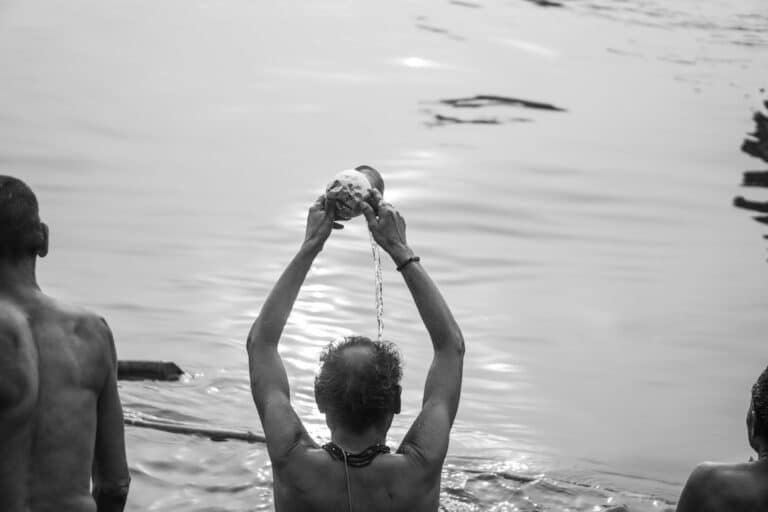
Why Do Humans Treat Rivers as Sacred?
Rivers feed settlements, mark boundaries, carry the dead and renew landscapes, making them powerful religious symbols worldwide. Tradivior will compare sacred rivers while confronting the tension between reverence and pollution.
-
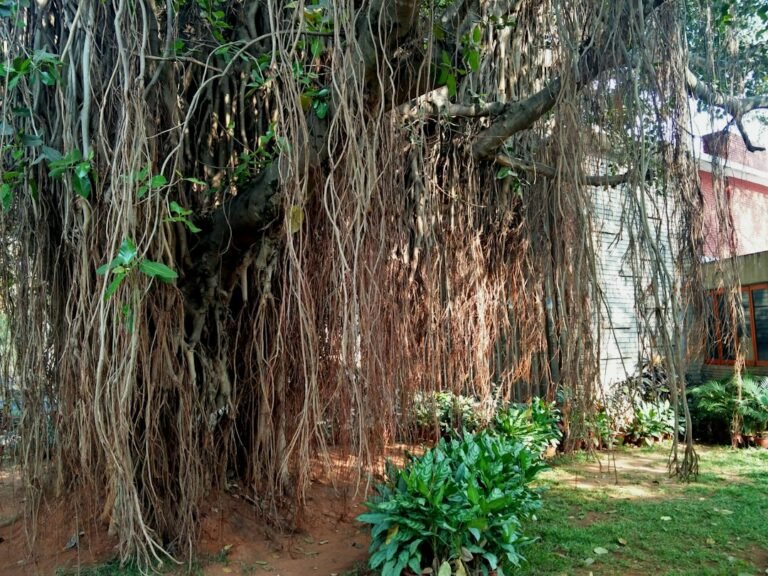
Why Are Sacred Trees Found Across Civilizations?
Sacred trees appear in myth, ritual, law and local landscape across many cultures. Tradivior will ask why long-lived plants became moral and religious beings, and when reverence incidentally protected biodiversity.
-
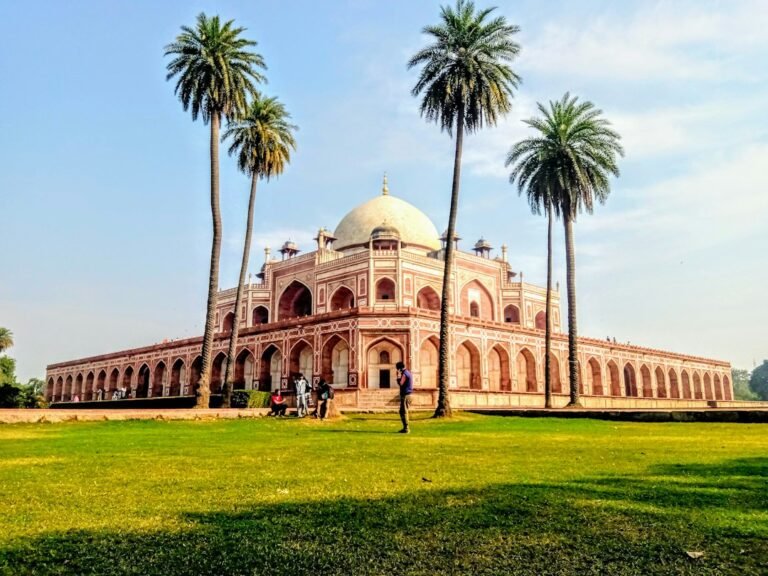
Why Did Tombs and Mausoleums Become Monumental?
Pyramids, tumuli, stupas, mausoleums and royal tombs turn death into durable landscape. Tradivior will compare why societies invested enormous resources in the dead and what monuments do to memory, legitimacy…
-
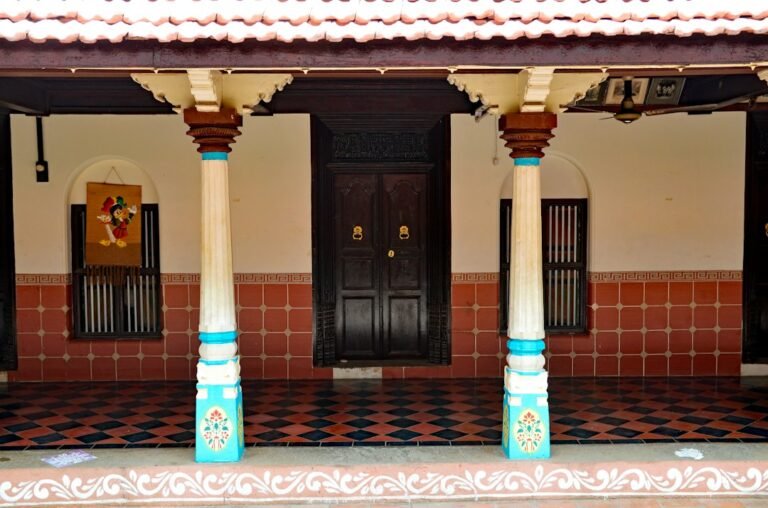
Why Do Vastu and Feng Shui Care About Spatial Order?
Vastu and feng shui combine cosmology with practical concerns about site, direction, water and spatial order. Modern building science validates some environmental principles, but not universal auspicious directions or invisible…
-
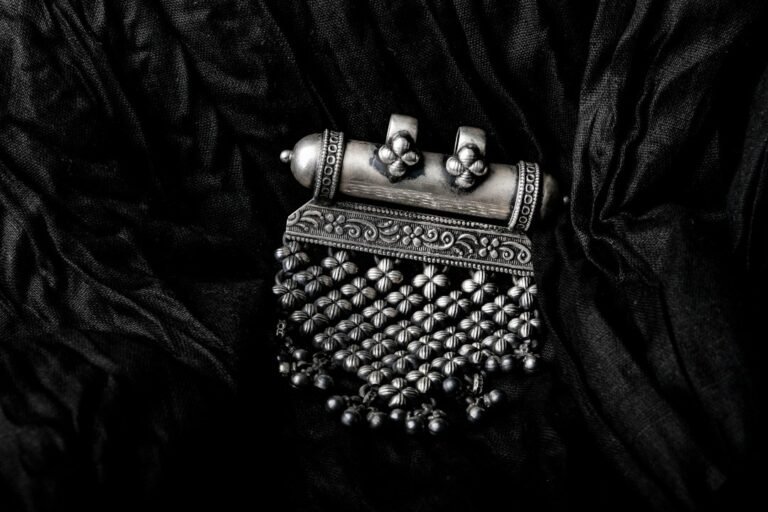
Why Do Metals and Gemstones Become Protective or Auspicious Objects?
Metals and gemstones became protective and auspicious because rarity, durability and ritual meaning made them powerful symbols. Copper and silver have real material properties, but therapeutic jewellery, crystal energy and…
-
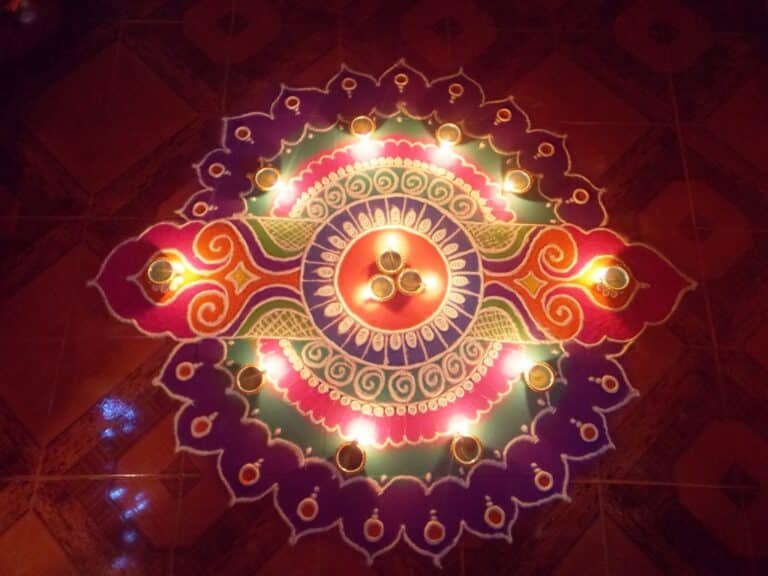
Why Do Indian Households Draw Rangoli or Kolam at the Threshold?
Rangoli and kolam are living threshold arts of auspiciousness, hospitality and geometric skill. Their cognitive richness is real, but modern claims about hidden physics, universal pest control or encoded advanced…
-
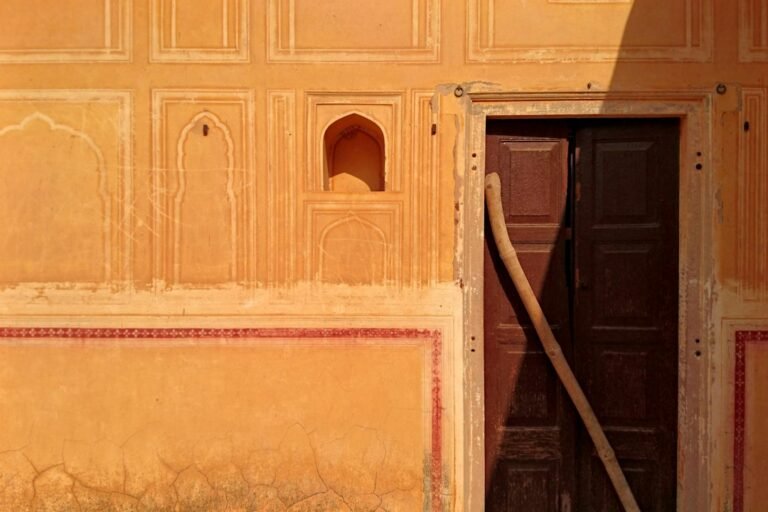
Why Do Many Cultures Orient Beds, Doors or Houses in Particular Directions?
Directional building rules can have real effects through sun, wind and daylight, but the optimal orientation is climate-specific. Evidence for universal magnetic-health claims about bed direction remains weak.