 tradivior
Folk
Explore by topic, region and evidence
Investigations into local and folk religious practices that do not fit neatly within a single formal institutional tradition.
-
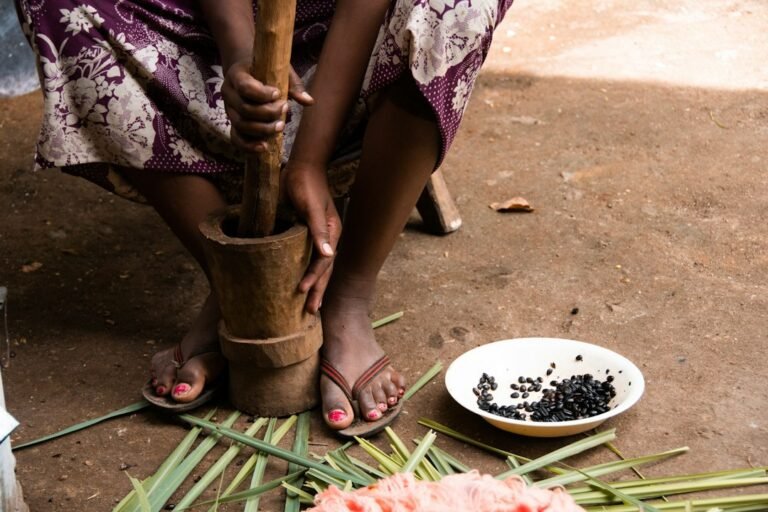
Why Did People Eat With Their Hands?
Eating with the hands persisted across sophisticated cuisines because it is practical, culturally encoded and sensorially rich—not because utensils were unknown. Touch can influence food perception, but claims that fingers…
-

Why Did Traditional Cultures Eat Seasonally?
Traditional seasonal eating was mostly an ecological fact before it was a health doctrine: harvests, weather, storage and trade determined what was available. Modern biology confirms that appetite and food…
-

Why Did Indians Ferment Batter for Idli and Dosa?
Idli and dosa batter is a real microbial technology: lactic-acid bacteria acidify and leaven it, while fermentation changes texture, flavour and some nutrients. The evidence supports culinary biotechnology—not claims that…
-

Why Have Humans Searched for Longevity Through Daily Routines?
Across civilizations, people tried to build long life into ordinary routines. Modern evidence strongly supports the principle—but not the idea that any ancient culture possessed a complete hidden anti-ageing formula.
-

Why Were Babies Marked With Kajal or Kohl?
Why do families mark babies with kajal or kohl? The tradition carries real cultural meaning, but modern toxicology reveals a serious problem: some traditional eye cosmetics expose children to lead.
-

Why Has Infant Massage Survived Across Cultures?
Infant massage survives across cultures because touch, soothing and skin care are fundamental forms of caregiving. Modern evidence supports parts of the practice—but oils, techniques and claims are not interchangeable.
-

Why Did So Many Cultures Practice Postpartum Confinement?
Why did cultures across the world create protected periods after childbirth? The strongest insight may be social rather than mystical: recovery, food and redistributed labour—alongside restrictions whose benefits are far…
-
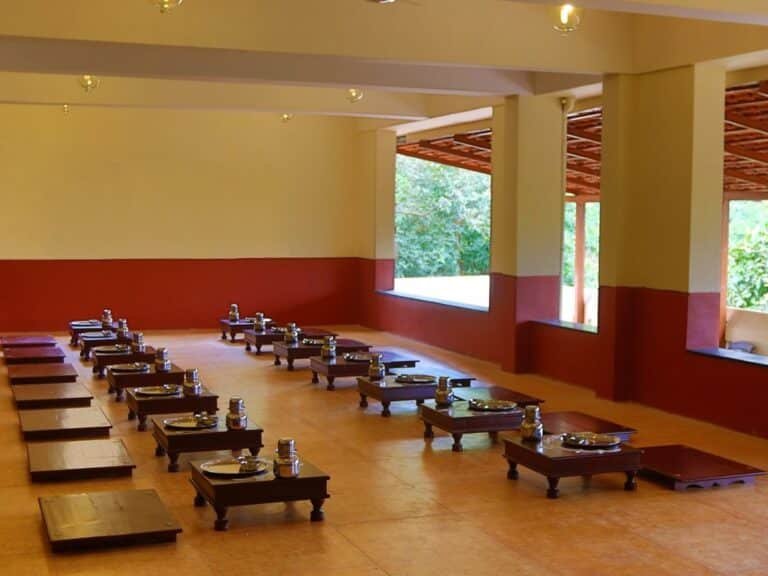
Why Did Indians Traditionally Sit on the Floor to Eat?
Indians traditionally ate close to the ground, but was the practice really designed to improve digestion? The evidence points more strongly to material culture, social custom and functional movement than…
-

Why Did Farmers Read the Pleiades and Other Stars?
Farmers watched the Pleiades and other stars because seasonal stellar appearances are predictable. Heliacal risings act as annual calendar markers for planting, harvest and travel without implying that stars cause…
-

Why Did Humans Watch the Moon So Closely?
Humans watched the Moon because it was genuinely useful: a visible calendar, source of night illumination, tidal marker and ecological cue. Modern science strongly supports those functions while rejecting many…
-
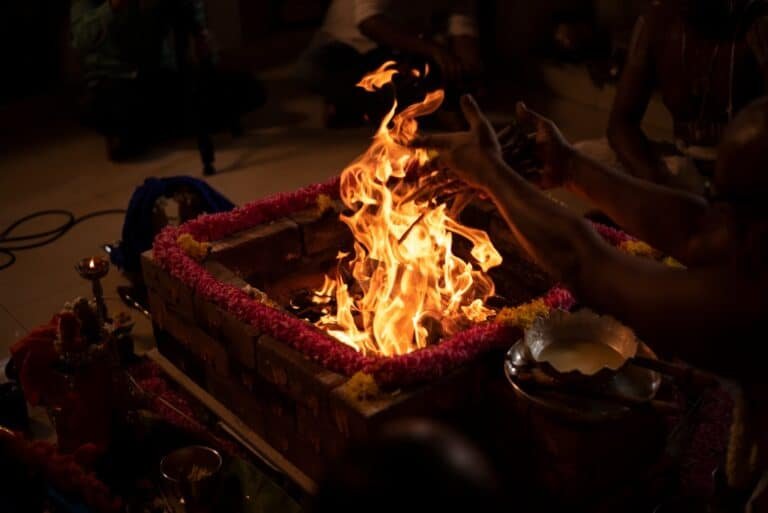
Why Did Fire Become Sacred Across Human Cultures?
Fire became sacred across civilizations because it is useful, dangerous, transformative and socially central. Vedic, Zoroastrian and Mediterranean traditions turned the same physical phenomenon into very different theologies.
-
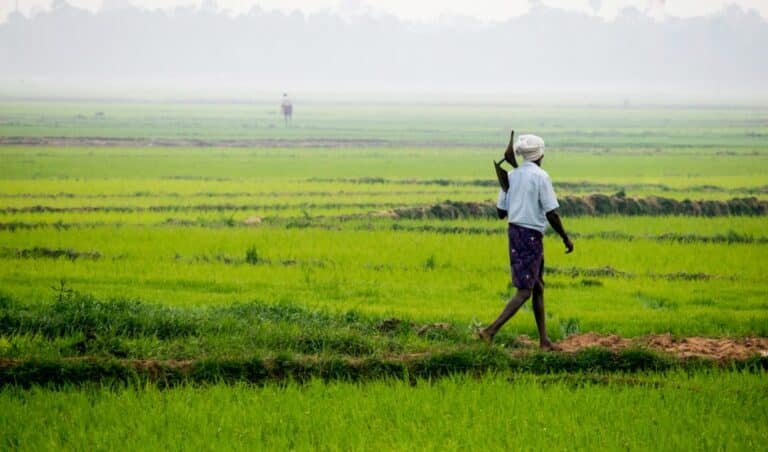
Why Did Traditional Farmers Read Birds, Insects and Plants as Weather Signs?
Traditional farmers read birds, insects, plants, clouds and winds because many respond to real environmental change. Some local signs are useful, but accuracy varies and climate change can weaken old…