 tradivior
Hindu
Explore by topic, region and evidence
Investigations involving Hindu traditions, texts, rituals, philosophies and living practices, without treating Hinduism as internally uniform.
-
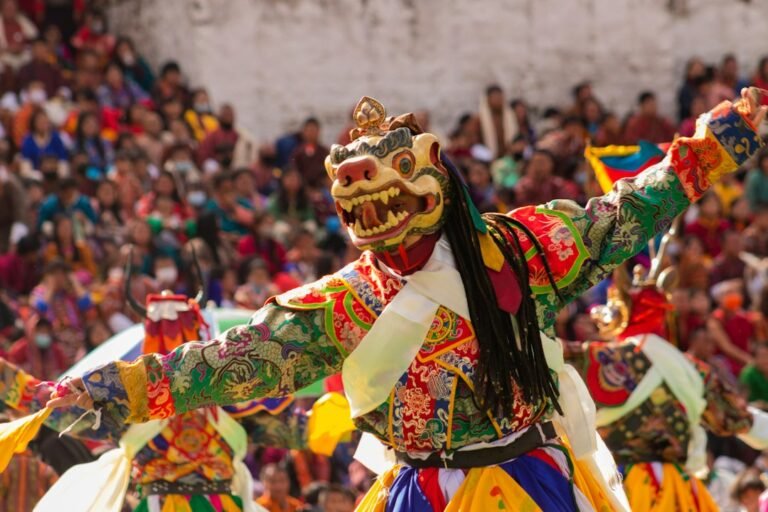
Why Do Humans Dance in Ritual?
Ritual dance can celebrate, mourn, heal, initiate, possess, court and remember. Tradivior will compare dance traditions and ask how coordinated movement changes identity, emotion and group cohesion.
-
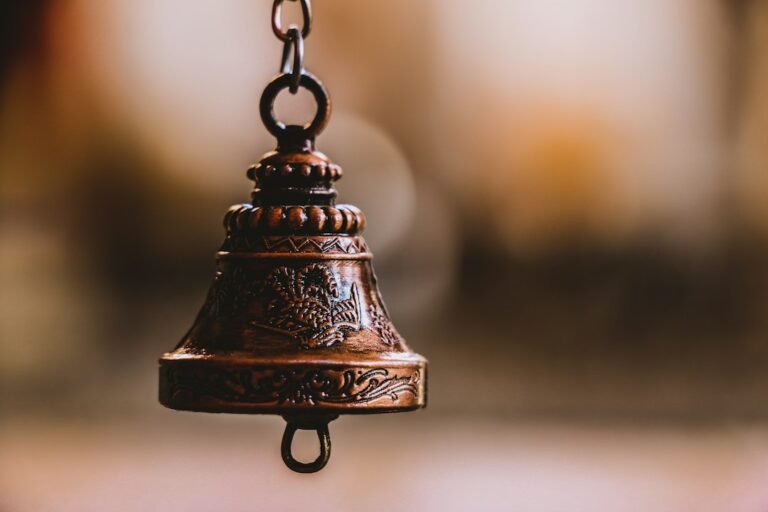
Why Do Religions Use Bells and Gongs?
Bells and gongs announce sacred time, mark transitions and command attention across Asia, Europe and beyond. Tradivior will compare their histories and test claims about resonance, brain waves and cleansing…
-
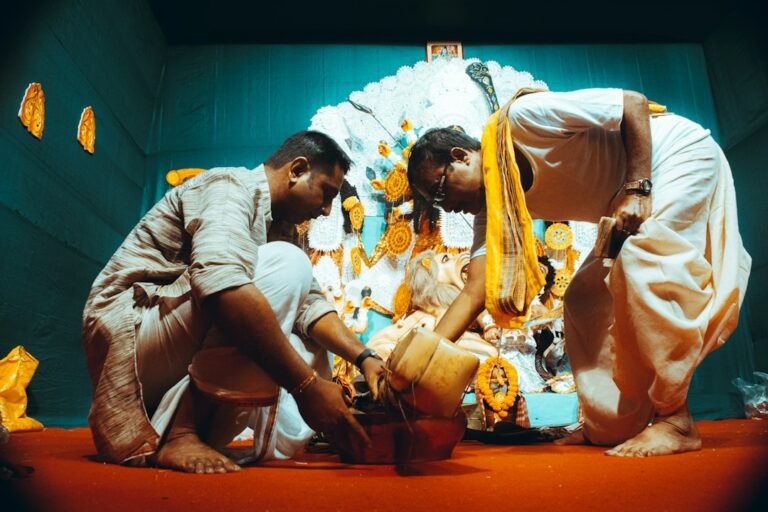
Why Is the Conch Blown in Indian Ritual?
The conch is both sacred object and powerful wind instrument in South Asian ritual. Tradivior will trace its mythic and ceremonial history and examine the respiratory and acoustic claims often…
-
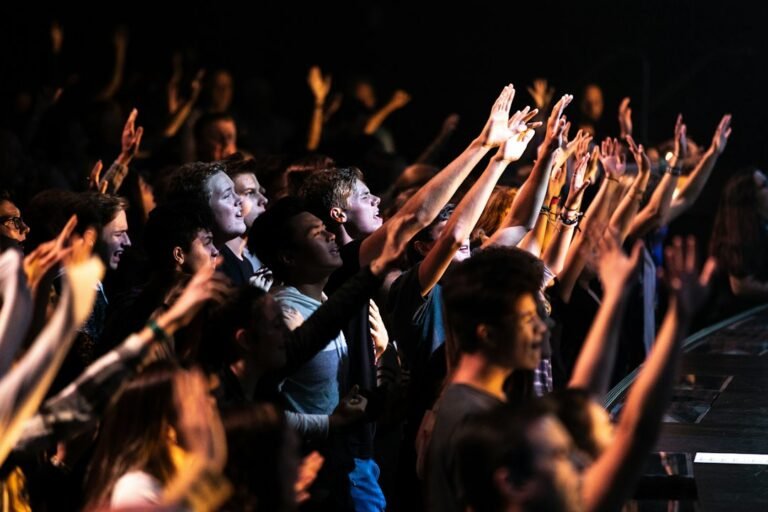
Why Do Humans Sing in Worship?
Sacred singing appears in churches, temples, synagogues, gurdwaras and ritual traditions worldwide. Tradivior will investigate why melody became a vehicle for prayer and memory, and what group-singing research shows about…
-
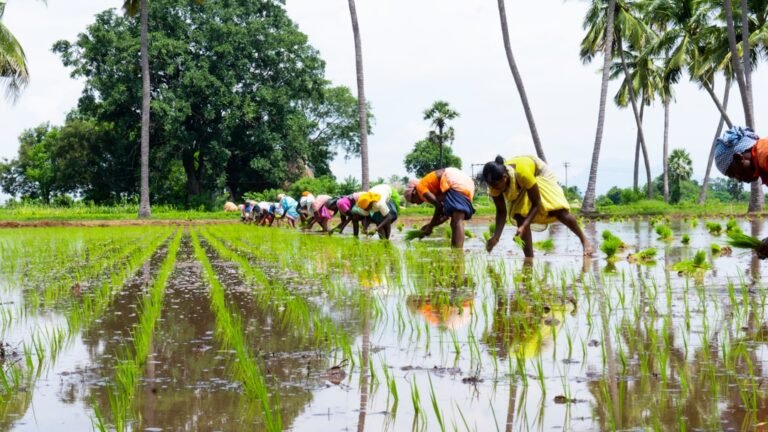
Why Did Harvest Calendars Become Religious Calendars?
Sowing and harvest once structured food, labour, taxation and survival, so agricultural timing frequently became ritual timing. Tradivior will examine when religion preserved ecological scheduling and when later meanings took…
-
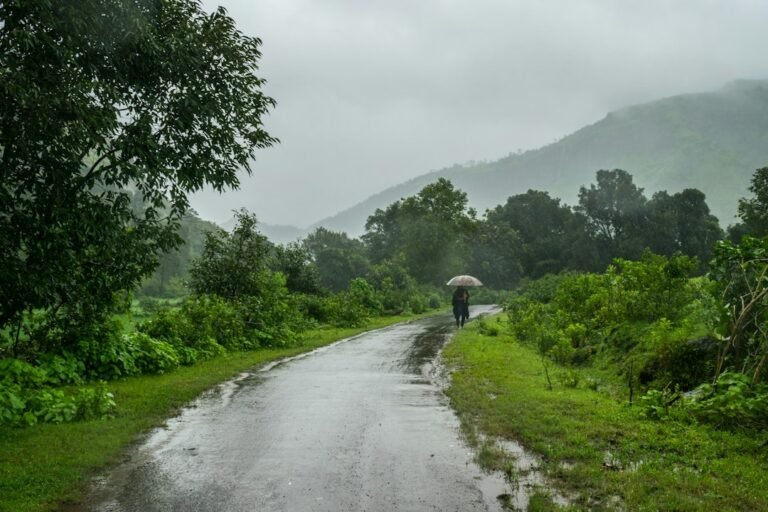
Why Did the Monsoon Shape Calendars and Rituals in South Asia?
In South Asia, rain determines sowing, travel, disease risk and food security, so the monsoon naturally entered ritual and seasonal calendars. Tradivior will trace how climate uncertainty became social time.
-
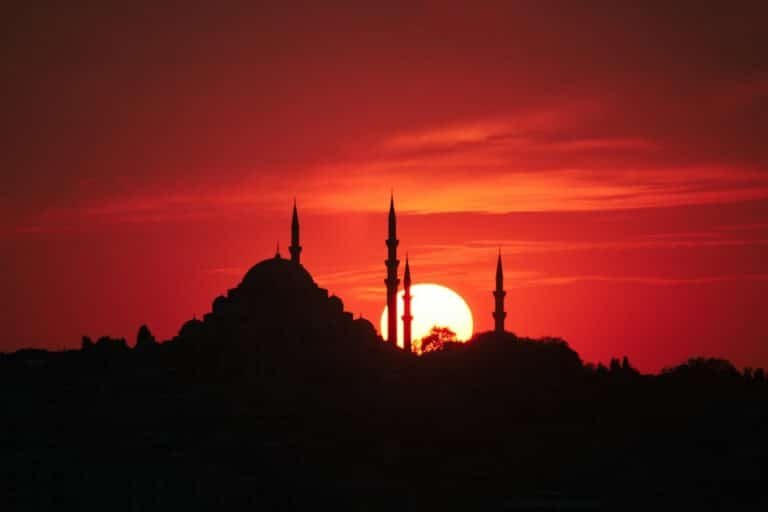
Why Did People Divide the Day Into Sacred Hours?
Canonical hours, prayer watches, sandhya, salat times and other traditions punctuate the day with religious obligations. Tradivior will ask how astronomy, social order and daily rhythm turned clock time into…
-
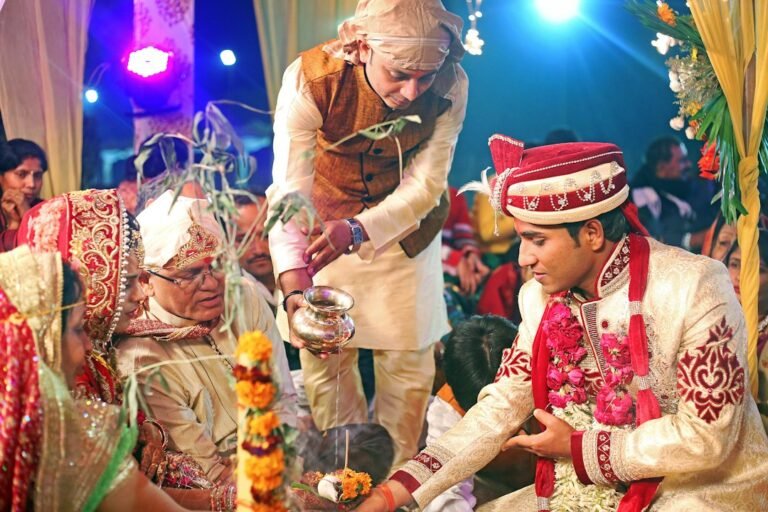
Why Do Indians Choose Muhurta for Auspicious Timing?
Muhurta assigns favourable times to weddings, travel, construction and other acts through calendrical and astrological rules. Tradivior will investigate its textual history and distinguish social coordination from unsupported causal claims…
-
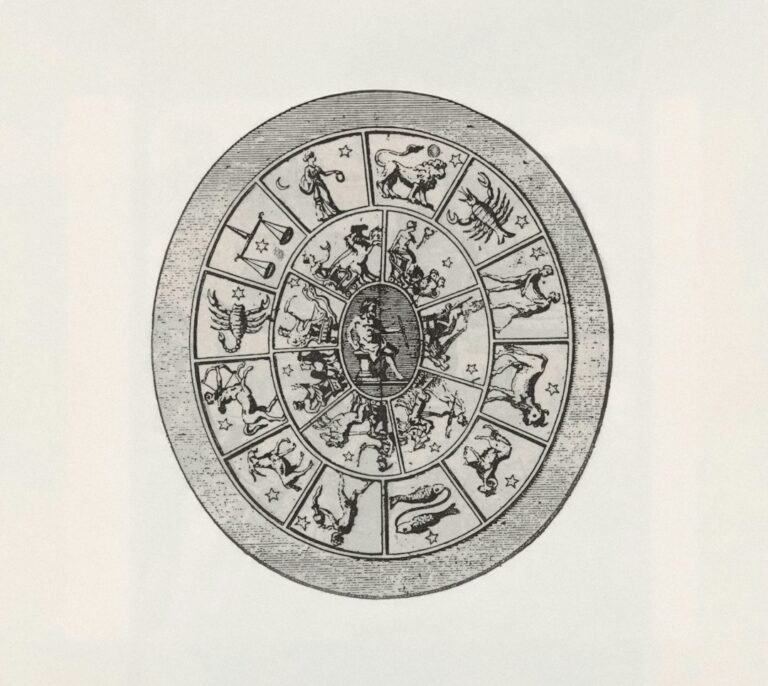
Why Did Astrology Become So Influential Across Civilizations?
Astrology linked the sky to personality, politics, medicine and fate across South Asia, the Mediterranean, China and the Islamic world. Tradivior will trace its intellectual history and examine why it…
-
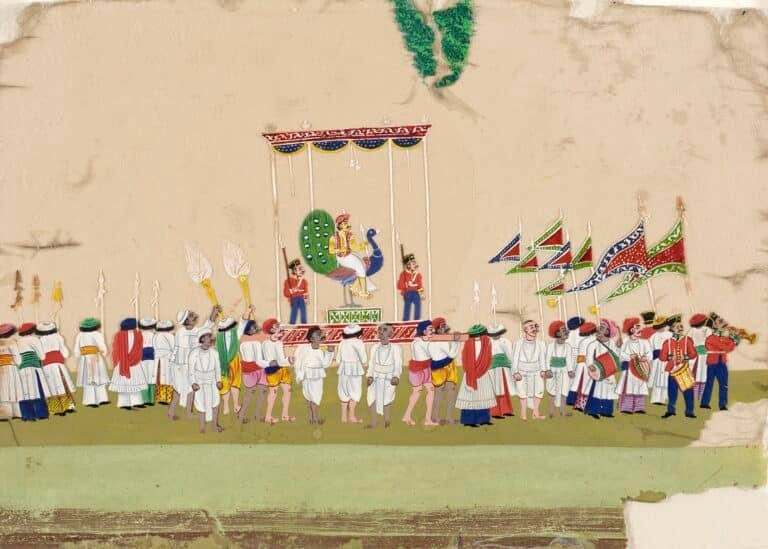
Why Do Religious Processions Take Sacred Things Into the Street?
Religious processions move sacred presence, symbols and communities through public space. They can expand shared identity through coordinated movement and visibility, but the same public occupation can mark boundaries and…
-
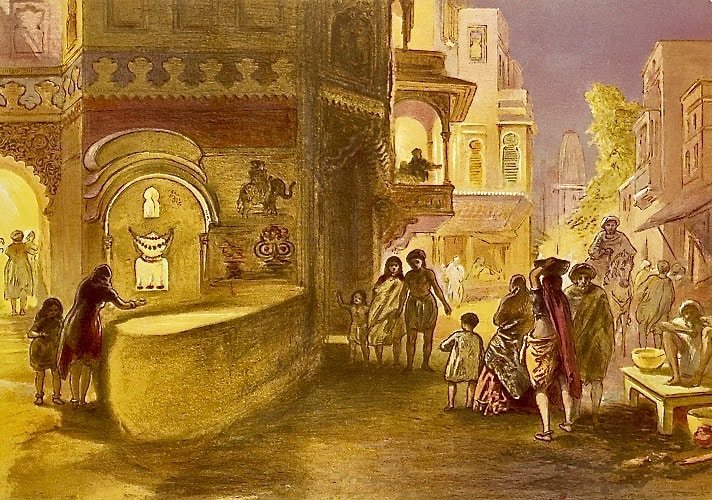
Why Is Diwali Built Around Light?
Diwali’s lamps are historically and religiously meaningful symbols whose interpretations vary across Hindu, Jain, Sikh and regional traditions. Light makes sacred time visible and transforms homes and streets; modern science…
-
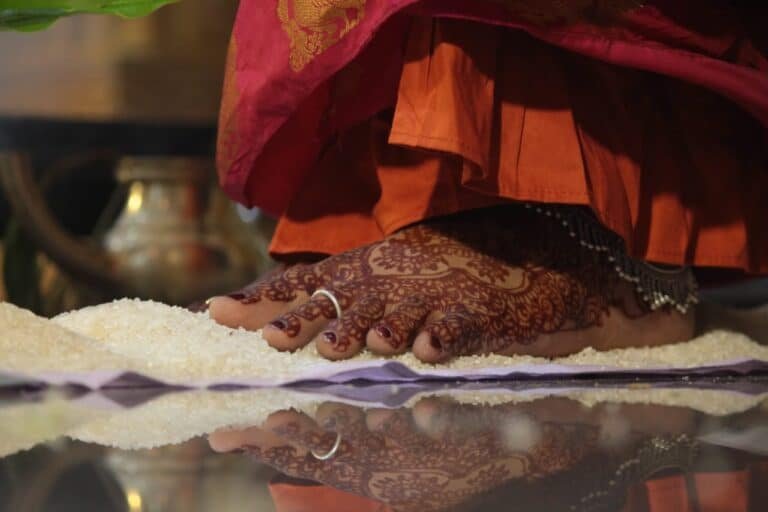
Why Did Indians Circle Sacred Fire at Weddings?
Sacred fire in Hindu weddings is historically a witness, offering medium and divine presence rather than a hidden biomedical technology. Circumambulation and vows make marriage public, memorable and religiously binding;…