 tradivior
Hindu
Explore by topic, region and evidence
Investigations involving Hindu traditions, texts, rituals, philosophies and living practices, without treating Hinduism as internally uniform.
-

Why Do Festivals Move Through the Lunar Calendar?
Religious festivals move on the Gregorian calendar because many remain anchored to lunar or lunisolar systems. Pure lunar calendars drift through the seasons, while lunisolar calendars insert leap months to…
-

Why Did Indian Calendars Track Both Sun and Moon?
Indian lunisolar calendars track both Moon and Sun because twelve lunar months are about eleven days shorter than the solar year. Intercalation, tithi and later astronomical calculations reconcile visible lunar…
-
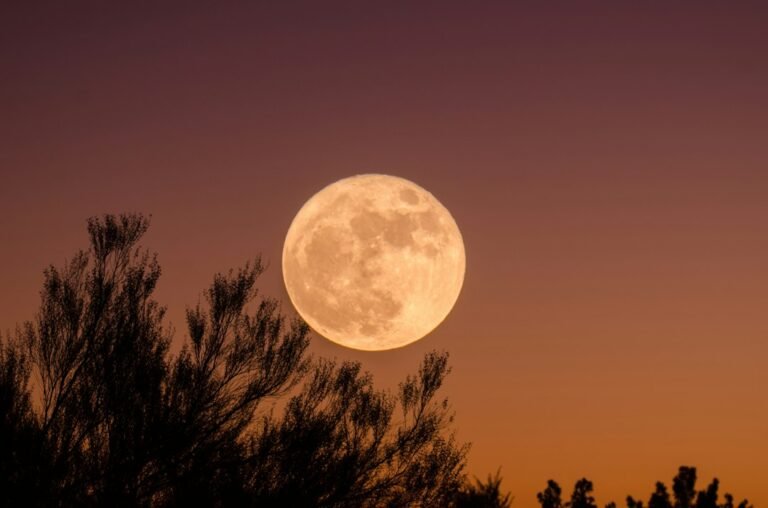
Why Did Humans Watch the Moon So Closely?
Humans watched the Moon because it was genuinely useful: a visible calendar, source of night illumination, tidal marker and ecological cue. Modern science strongly supports those functions while rejecting many…
-
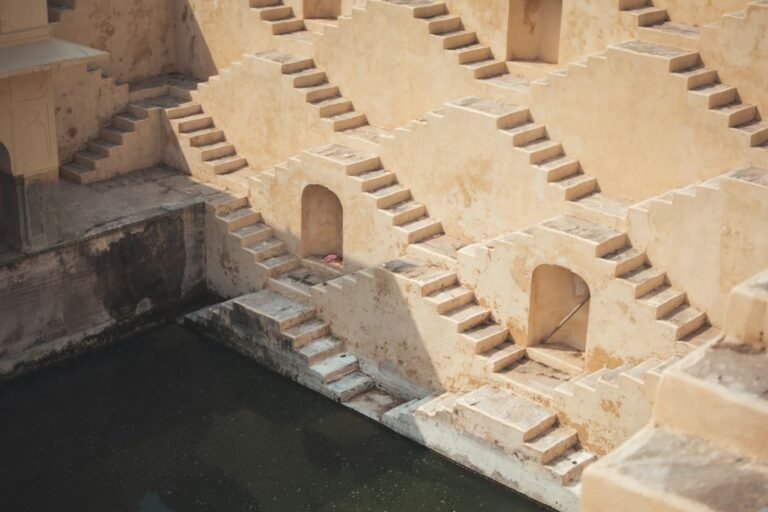
Why Did Communities Protect Water Sources Through Ritual Rules?
Ritual rules can protect springs, wells and tanks by preserving catchments, restricting contamination and coordinating maintenance. Their ecological value is real, but purity rules have also sometimes enforced unequal access.
-
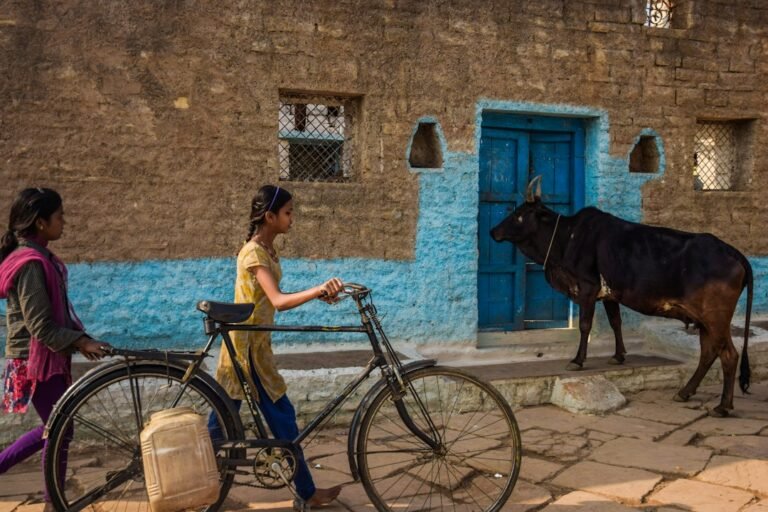
Why Is the Cow Sacred in India?
The sacred cow developed through layers of cattle economics, ahiṃsā, dairy and ritual, Krishna devotion and later cow-protection politics. No single ecological or theological theory explains the full history.
-
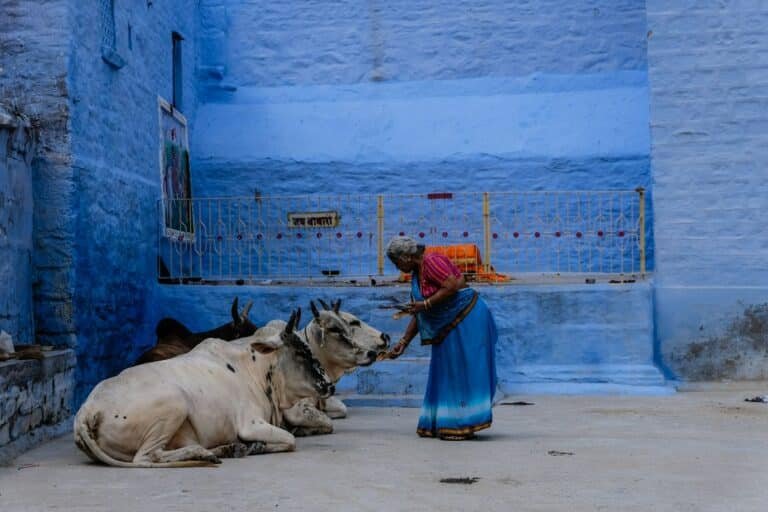
Why Are Certain Animals Sacred or Taboo?
Sacred and taboo animals can be protected, sacrificed, feared or avoided for very different reasons. Modern evidence shows some taboos reduce hunting pressure, but conservation should not be assumed to…
-

Why Were Sacred Groves Protected in India?
India’s sacred groves can preserve biodiversity because religious taboos and customary institutions restrict extraction. Ecological benefits are real, but they should not be rewritten as proof of a universal ancient…
-
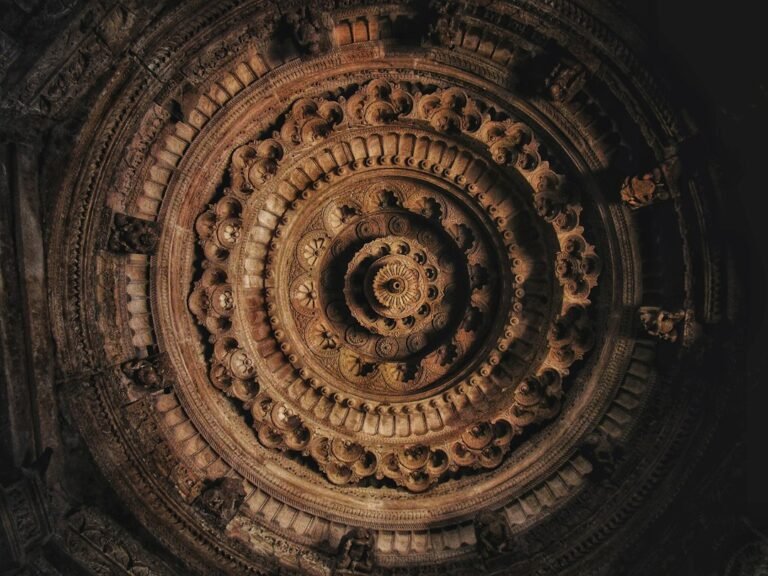
Why Did Stepwells Become Monumental Architecture in India?
Indian stepwells turned groundwater access into monumental public architecture. Their descending form solved seasonal water access while shade, depth and thermal mass created genuinely cooler microclimates.
-
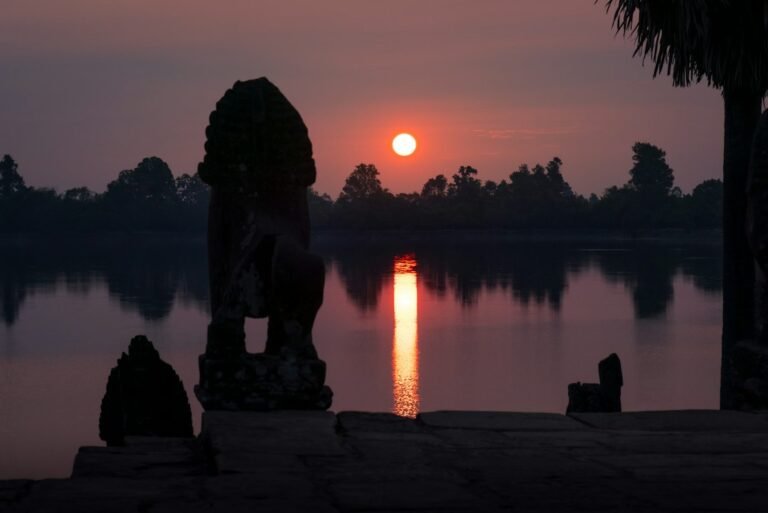
Why Did Ancient Builders Align Sacred Places With Directions?
Ancient sacred places were often aligned to cardinal, solar, stellar or landscape references—but not every dramatic sunrise proves intention. Strong archaeoastronomy combines measurement, chronology, repeated patterns and cultural context.
-
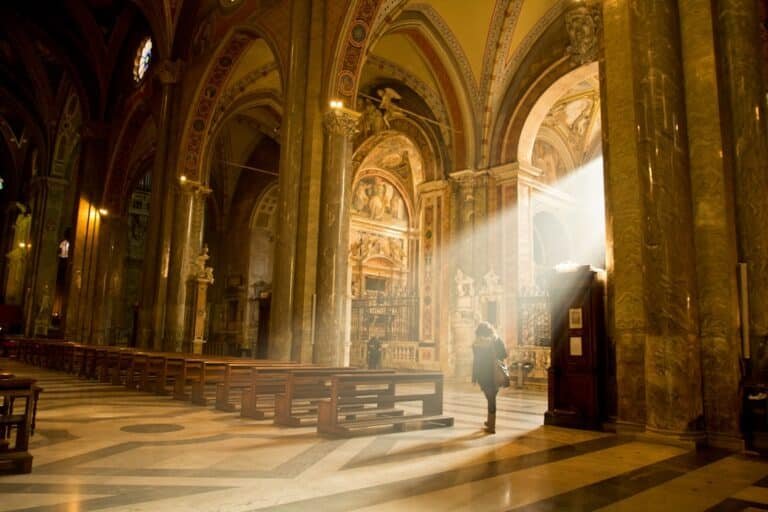
Why Do Sacred Spaces Control Light So Carefully?
Sacred spaces use darkness, filtered daylight, lamps and luminous surfaces to direct attention and shape ritual experience. Modern perception science explains why these strategies work without implying hidden ancient neuroscience.
-
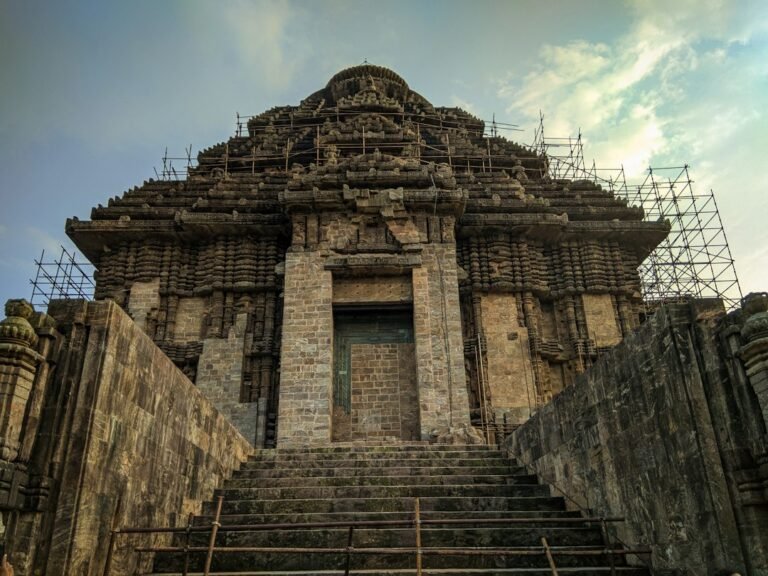
Why Were Indian Temples Designed the Way They Were?
Indian temples evolved through ritual, theology, craft, patronage, regional materials and urban life. Modern acoustics and thermal science confirm real architectural effects, but popular claims about universal energy fields and…
-

Why Do Sacred Buildings Reach Upward?
Sacred buildings reach upward because height makes religious institutions visible, marks sacred centres and creates awe. Psychology supports associations between verticality and power, but the pattern does not require a…