 tradivior
Islamic
Explore by topic, region and evidence
Investigations involving Islamic beliefs, law, devotional practice, ritual and historical communities across regions and traditions.
-
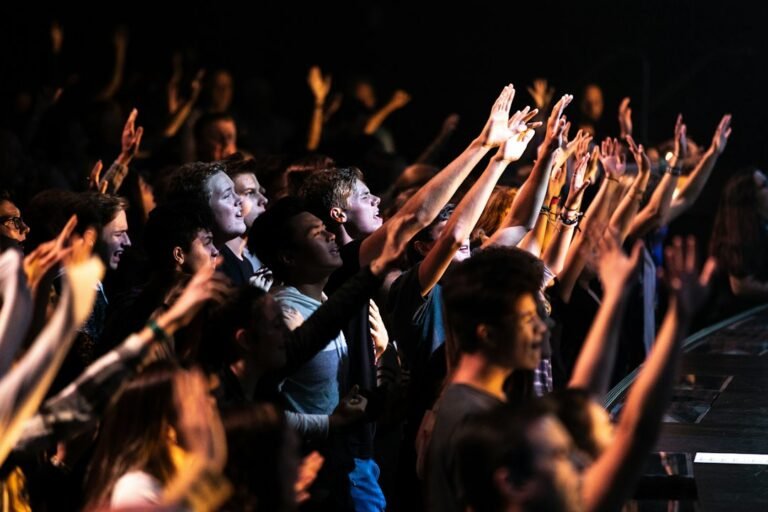
Why Do Humans Sing in Worship?
Sacred singing appears in churches, temples, synagogues, gurdwaras and ritual traditions worldwide. Tradivior will investigate why melody became a vehicle for prayer and memory, and what group-singing research shows about…
-
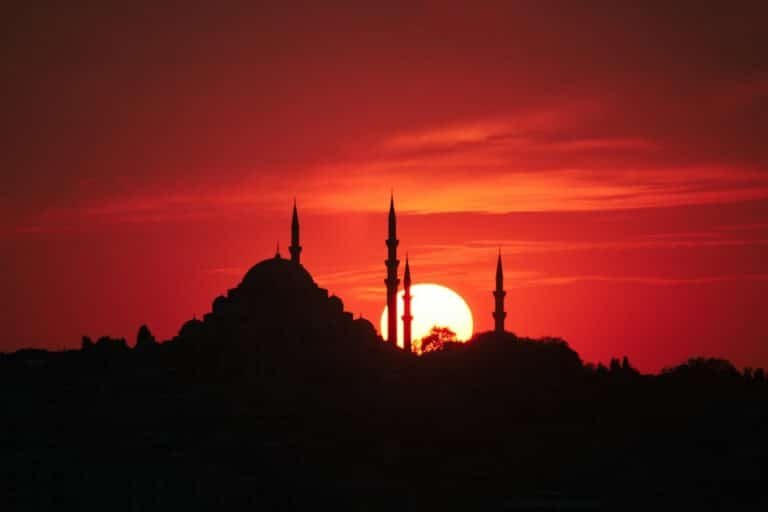
Why Did People Divide the Day Into Sacred Hours?
Canonical hours, prayer watches, sandhya, salat times and other traditions punctuate the day with religious obligations. Tradivior will ask how astronomy, social order and daily rhythm turned clock time into…
-
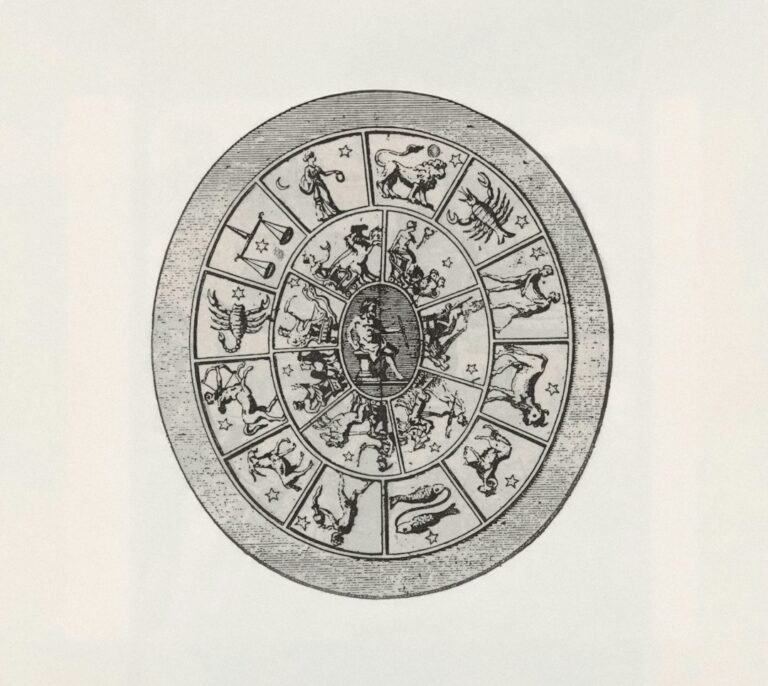
Why Did Astrology Become So Influential Across Civilizations?
Astrology linked the sky to personality, politics, medicine and fate across South Asia, the Mediterranean, China and the Islamic world. Tradivior will trace its intellectual history and examine why it…
-
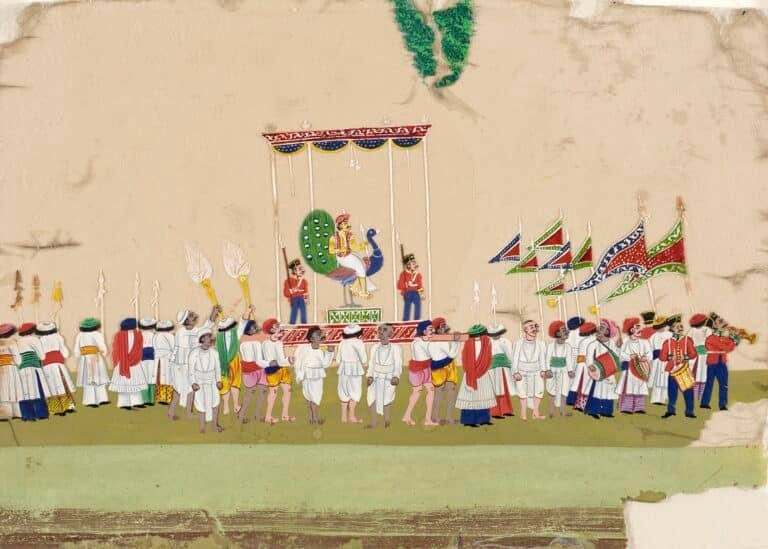
Why Do Religious Processions Take Sacred Things Into the Street?
Religious processions move sacred presence, symbols and communities through public space. They can expand shared identity through coordinated movement and visibility, but the same public occupation can mark boundaries and…
-

Why Do Religions Regulate Meat?
Religions regulate meat because killing animals, blood, purity, sacrifice and communal identity carry unusually high moral weight. Some rules may have ecological or safety consequences, but Jewish, Islamic, Hindu, Jain,…
-
Why Did Religions Across the World Practice Fasting?
Why did fasting emerge across Judaism, Christianity, Islam, Hinduism, Jainism and Buddhism? The evidence points to multiple religious purposes—not one hidden metabolic origin—while modern science confirms that different fasting protocols…
-
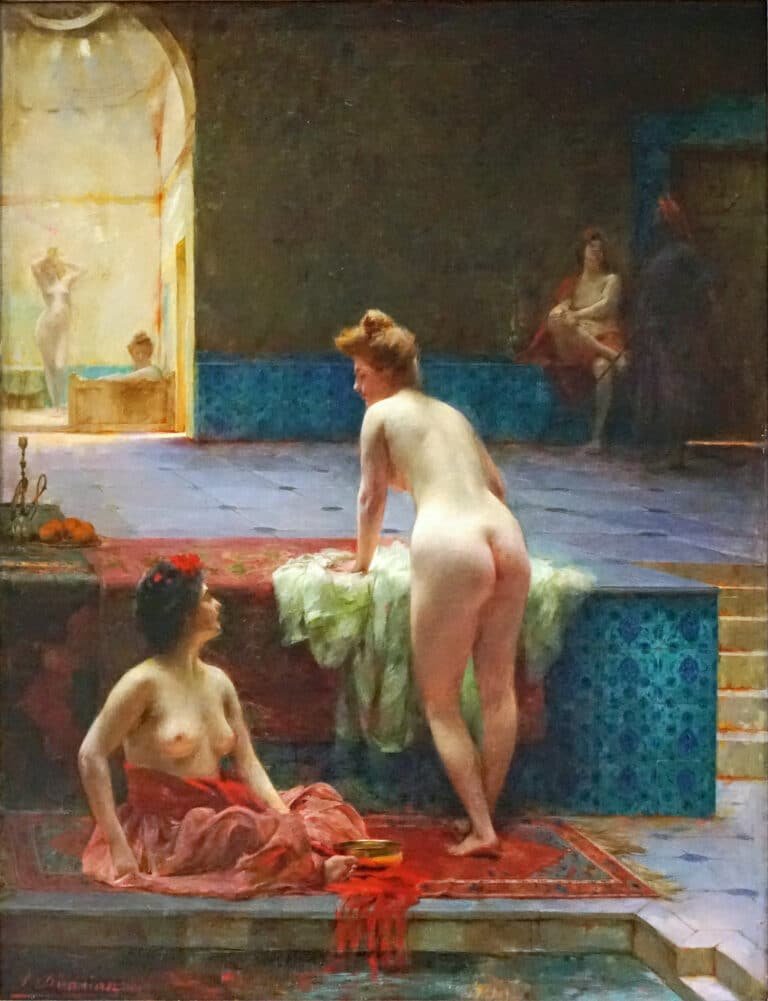
Why Did Hammam Bathing Spread Across the Islamic World?
The hammam was not invented from nothing by Islam. Muslim societies inherited older public-bath technologies and transformed them around purification, hygiene, social life and urban needs.
-
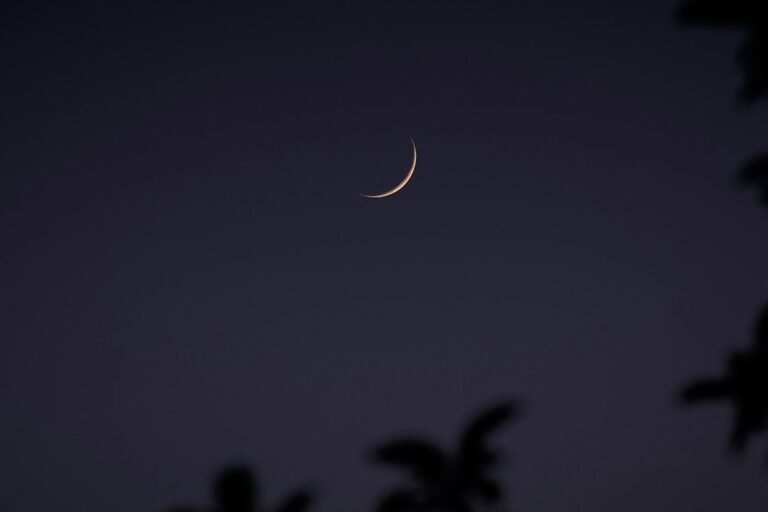
Why Do Festivals Move Through the Lunar Calendar?
Religious festivals move on the Gregorian calendar because many remain anchored to lunar or lunisolar systems. Pure lunar calendars drift through the seasons, while lunisolar calendars insert leap months to…
-
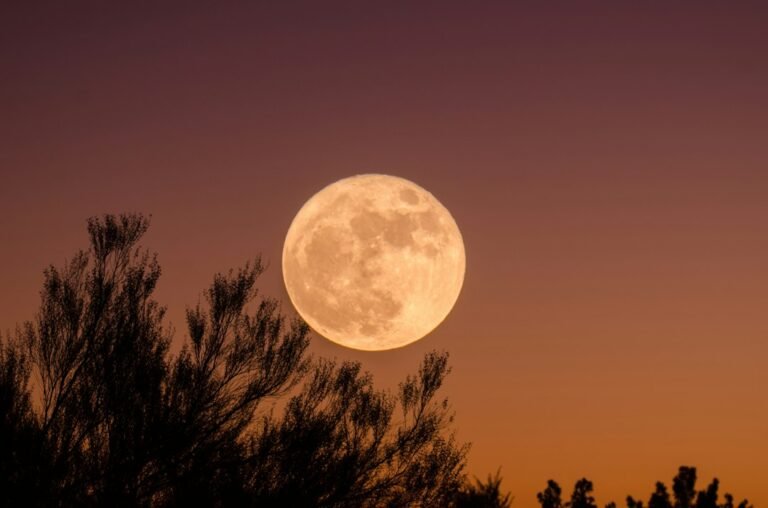
Why Did Humans Watch the Moon So Closely?
Humans watched the Moon because it was genuinely useful: a visible calendar, source of night illumination, tidal marker and ecological cue. Modern science strongly supports those functions while rejecting many…
-
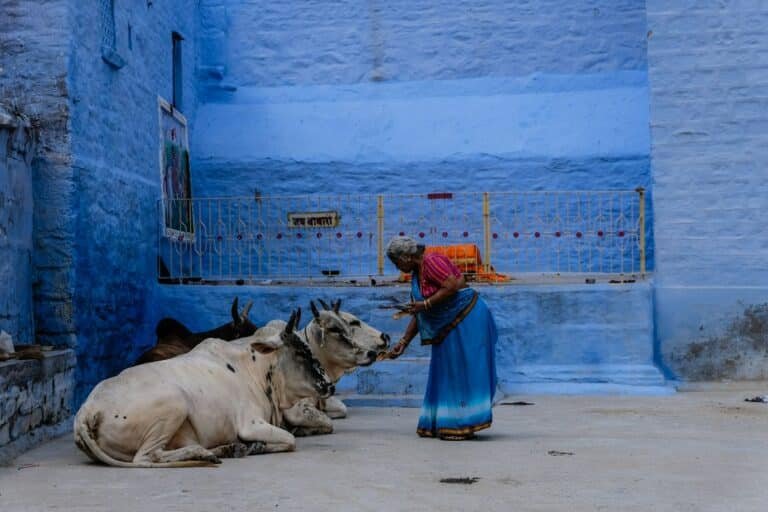
Why Are Certain Animals Sacred or Taboo?
Sacred and taboo animals can be protected, sacrificed, feared or avoided for very different reasons. Modern evidence shows some taboos reduce hunting pressure, but conservation should not be assumed to…
-
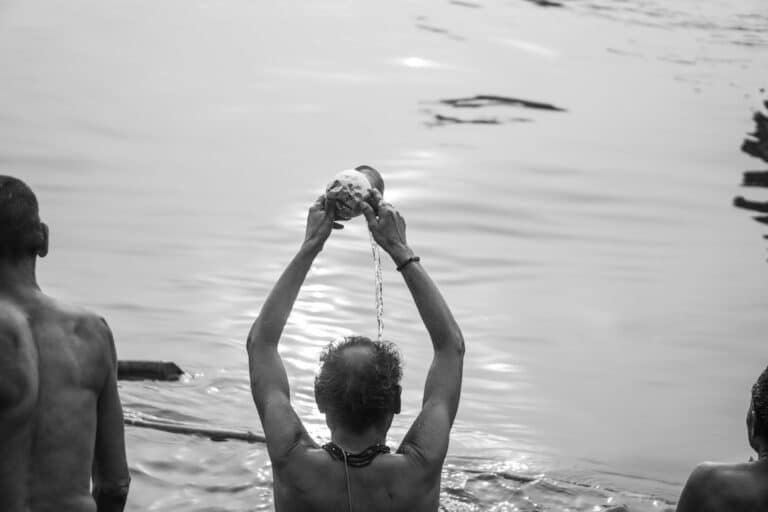
Why Do Humans Treat Rivers as Sacred?
Rivers feed settlements, mark boundaries, carry the dead and renew landscapes, making them powerful religious symbols worldwide. Tradivior will compare sacred rivers while confronting the tension between reverence and pollution.
-
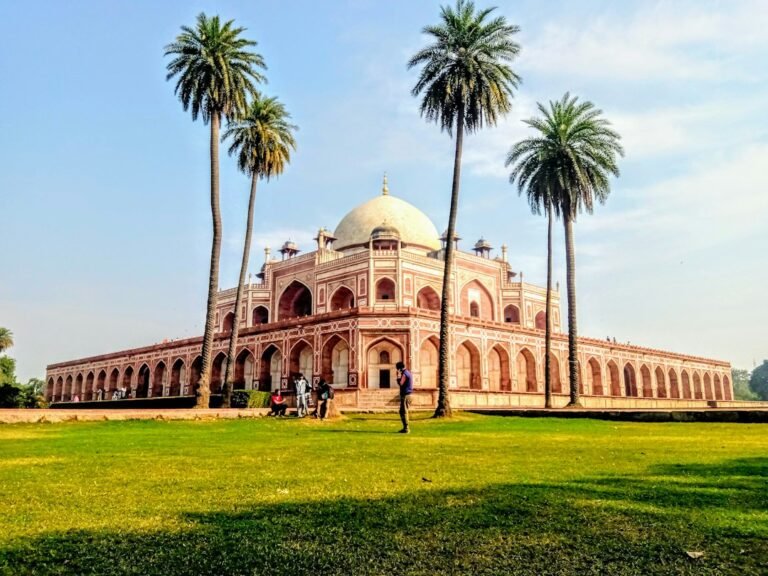
Why Did Tombs and Mausoleums Become Monumental?
Pyramids, tumuli, stupas, mausoleums and royal tombs turn death into durable landscape. Tradivior will compare why societies invested enormous resources in the dead and what monuments do to memory, legitimacy…