 tradivior
Islamic
Explore by topic, region and evidence
Investigations involving Islamic beliefs, law, devotional practice, ritual and historical communities across regions and traditions.
-
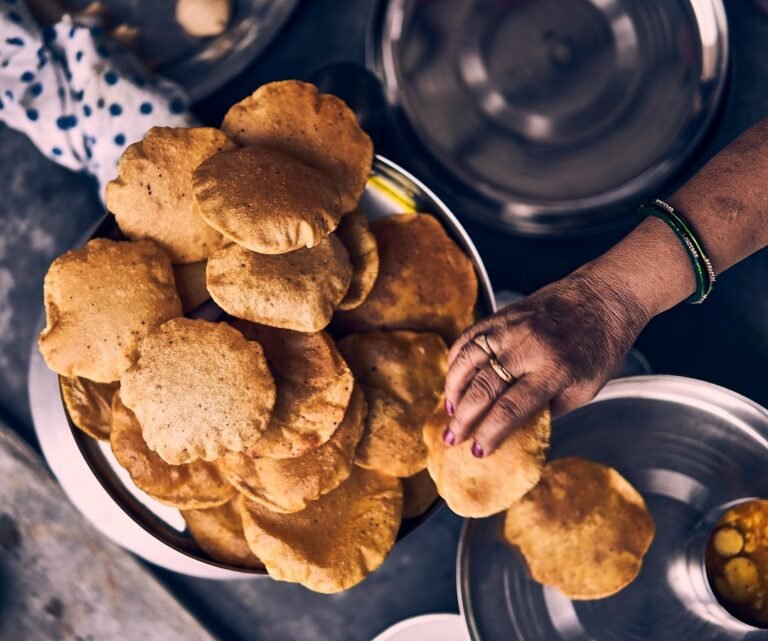
Why Do Communities Treat Hospitality as a Moral Obligation?
Hospitality became a moral obligation because strangers create both risk and opportunity. Guest-host codes reduce uncertainty, protect travellers, build reputation and create reciprocal relationships beyond kin.
-
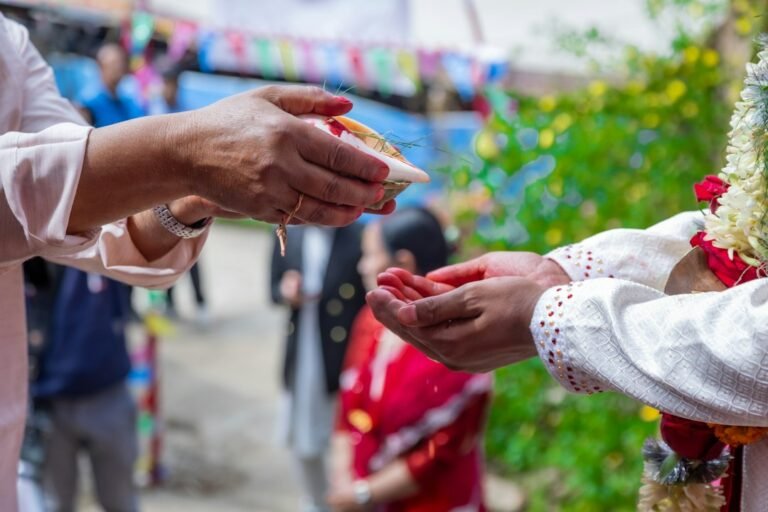
Why Do People Exchange Gifts?
Gift exchange binds people through reciprocity, alliance, prestige, obligation and memory. Modern research also suggests giving can improve well-being under some conditions, but gifts are not simply altruism or disguised…
-
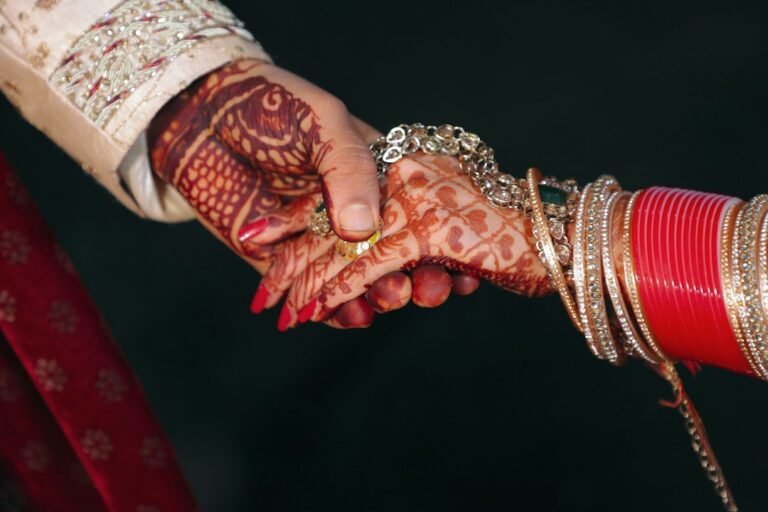
Why Did Arranged Marriage Become Common Across Many Societies?
Arranged marriage became common because marriage historically joined families, property and kinship systems as well as individuals. Modern outcomes depend far more on consent, autonomy, gender equality and family support…
-
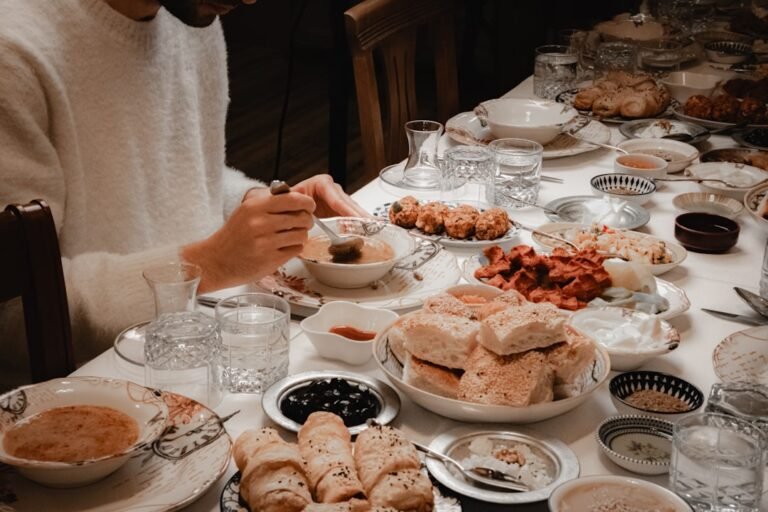
Why Is Feeding the Guest a Sacred Duty in So Many Cultures?
Feeding guests became a sacred duty across many cultures because hospitality reduces uncertainty, creates trust and extends protection beyond kin. The same norm can also produce status pressure and unequal…
-
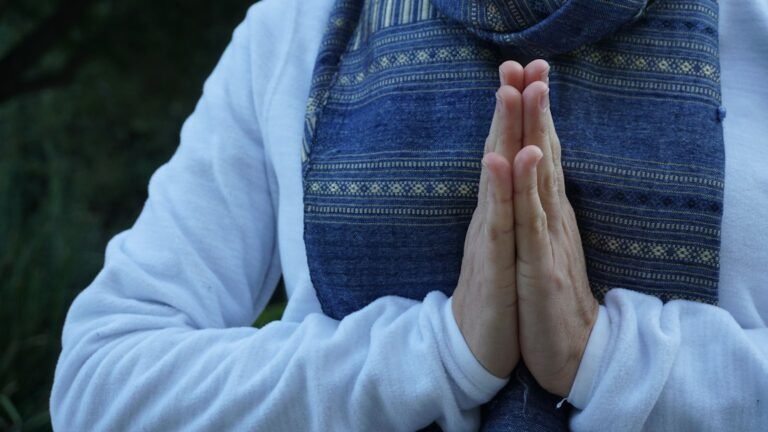
Why Do Humans Bow, Fold Hands, Kiss or Shake Hands in Greeting?
Bows, joined hands, kisses and handshakes look different, but all make social intent legible quickly. Greeting rituals signal respect, familiarity, rank and peaceful intent while reducing uncertainty at the start…
-

Why Did Courtyard Houses Appear Across Hot Climates?
Courtyard houses appeared across hot climates because one central open space could provide shade, daylight, airflow, privacy and family space. Modern building science validates the mechanisms while showing that performance…
-
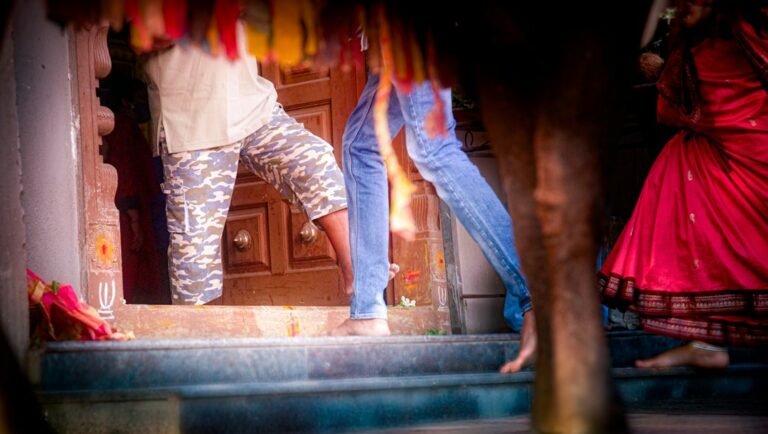
Why Do People Remove Shoes Before Entering a Home?
Removing outdoor shoes before entering a home reflects floor-based living, architecture, cleanliness, sacred respect and etiquette. Modern evidence confirms reduced tracking of microbes and particles without proving that indoor shoes…
-
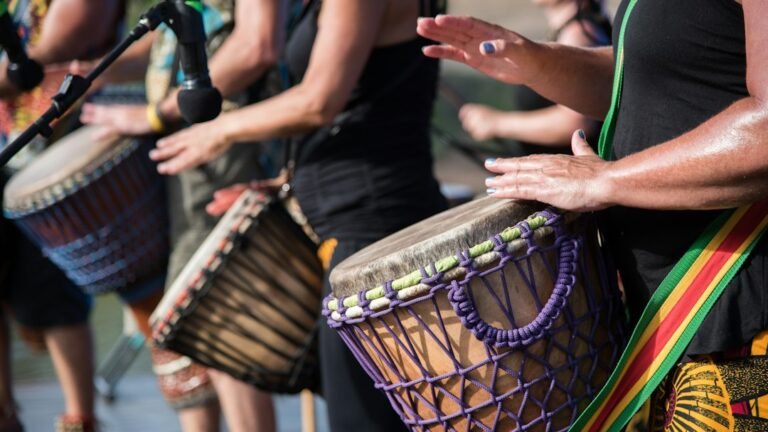
Why Do Humans Seek Trance and Altered States?
Humans across cultures deliberately alter consciousness through rhythm, movement, breath, deprivation, meditation and psychoactive substances. Science explains many induction mechanisms while leaving cultural and metaphysical interpretations distinct.
-

Why Do Traditions Try to Quiet the Sense of Self?
Buddhist not-self, Advaita nonduality, Sufi fanāʾ and Christian self-emptying all reduce ordinary self-reference in different ways. Modern science supports flexible self-processing without proving any one religious metaphysics.
-

Why Do Traditions Treat Dreams as Messages?
Dreams have served as omens, healing signs, philosophical evidence and sources of authority across civilizations. Modern science supports links to memory and emotion, but not a universal symbolic code or…
-

Why Do People Close Their Eyes During Prayer and Meditation?
Closing the eyes can reduce visual distraction and support imagery or inward attention, but prayer and meditation traditions also use open or lowered gaze. The science supports a flexible attentional…
-
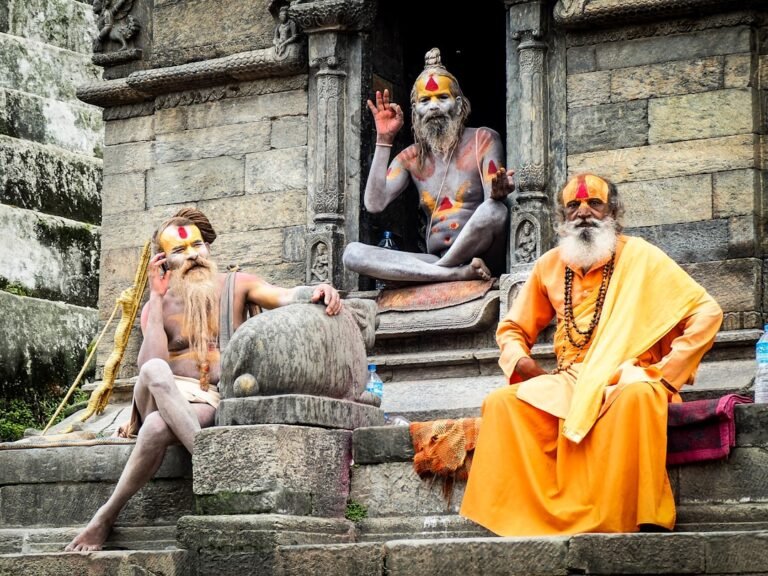
Why Do Ascetics Renounce Comfort?
Fasting, celibacy, silence, poverty, solitude and bodily discipline recur in ascetic traditions worldwide. Tradivior will ask why voluntarily giving up comfort became spiritually powerful and whether psychology and physiology explain…