 tradivior
East Asia
Explore by topic, region and evidence
Investigations across East Asia, including Chinese, Japanese, Korean and related cultural traditions, examined without treating the region as culturally uniform.
-
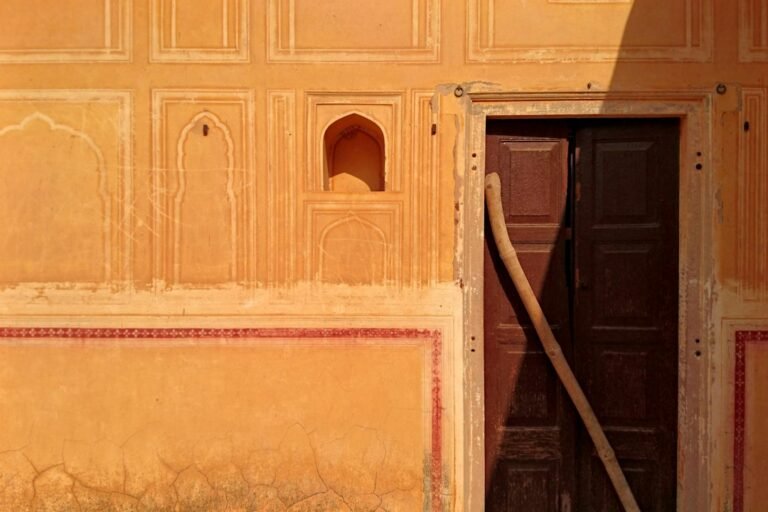
Why Do Many Cultures Orient Beds, Doors or Houses in Particular Directions?
Directional building rules can have real effects through sun, wind and daylight, but the optimal orientation is climate-specific. Evidence for universal magnetic-health claims about bed direction remains weak.
-

Why Did People Sleep on Mats, Floors and Low Beds?
Mats, futons, low beds and woven cots made sense for climate, portability and flexible household space. Modern evidence shows that very hard surfaces are not universally better for the back.
-

Why Did Courtyard Houses Appear Across Hot Climates?
Courtyard houses appeared across hot climates because one central open space could provide shade, daylight, airflow, privacy and family space. Modern building science validates the mechanisms while showing that performance…
-
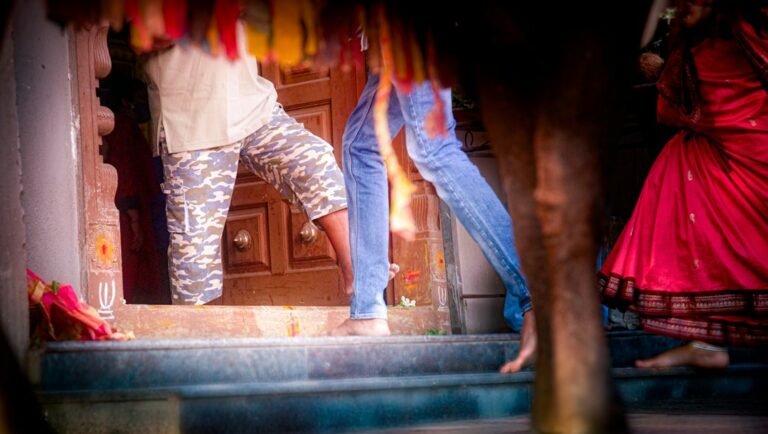
Why Do People Remove Shoes Before Entering a Home?
Removing outdoor shoes before entering a home reflects floor-based living, architecture, cleanliness, sacred respect and etiquette. Modern evidence confirms reduced tracking of microbes and particles without proving that indoor shoes…
-
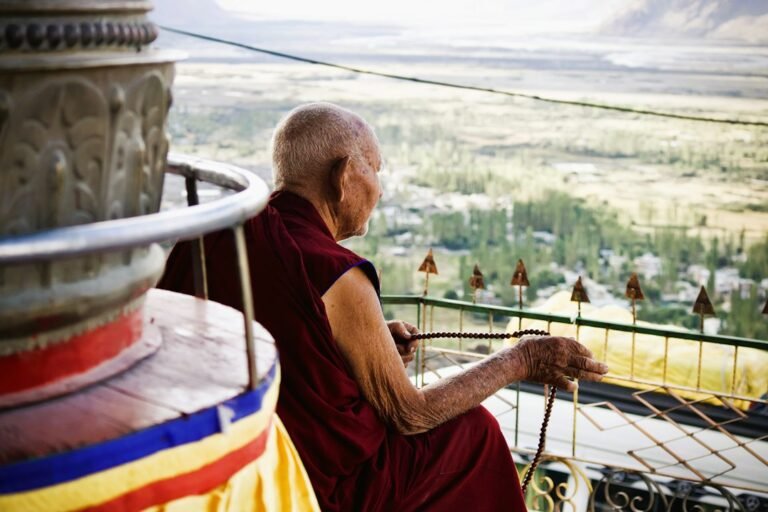
Why Do Buddhists Observe the Breath?
Ānāpānasati uses natural breathing as a field for mindfulness, concentration and insight. Modern research supports effects on attention, mind-wandering and interoception, while Buddhist claims of awakening remain outside ordinary laboratory…
-
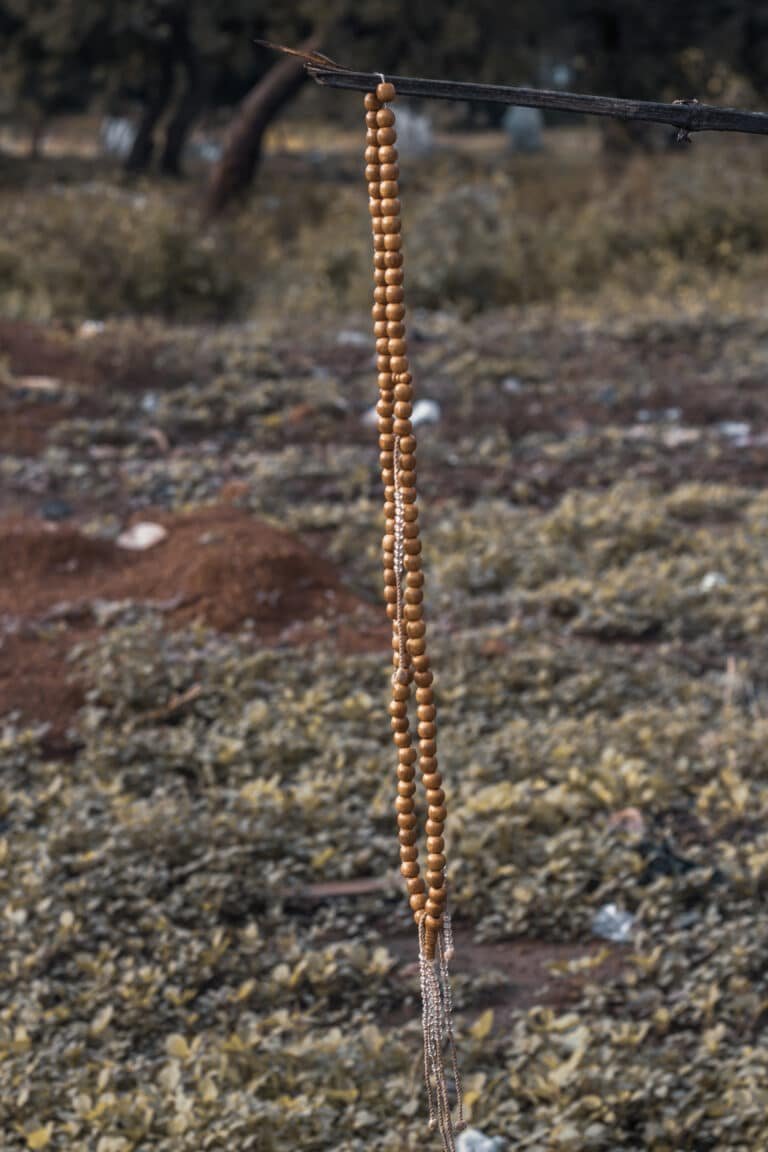
Why Do Religions Use Prayer Beads?
Mala, rosary, misbaha and other prayer beads turn repetition into something the hands can count. Tradivior will trace their histories across religions and test whether tactile counting changes attention, memory…
-
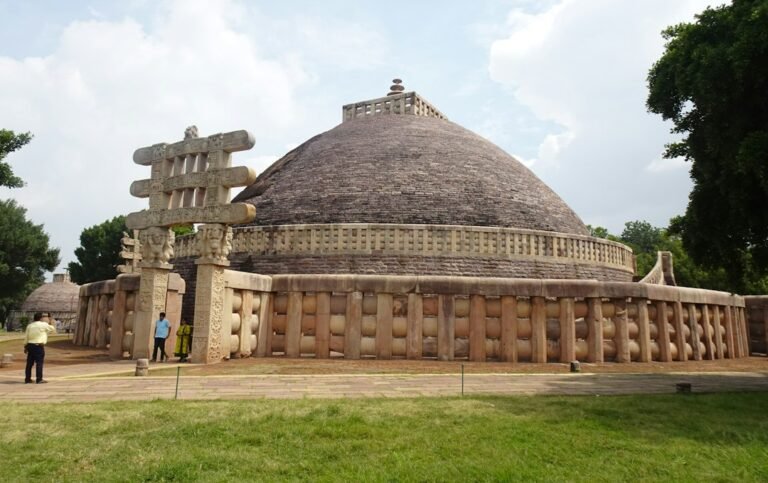
Why Do Devotees Circumambulate Sacred Places?
Walking around a shrine, temple, stupa, sacred mountain or holy object appears in many traditions. Tradivior will investigate why movement around a centre became sacred, how direction matters, and whether…
-
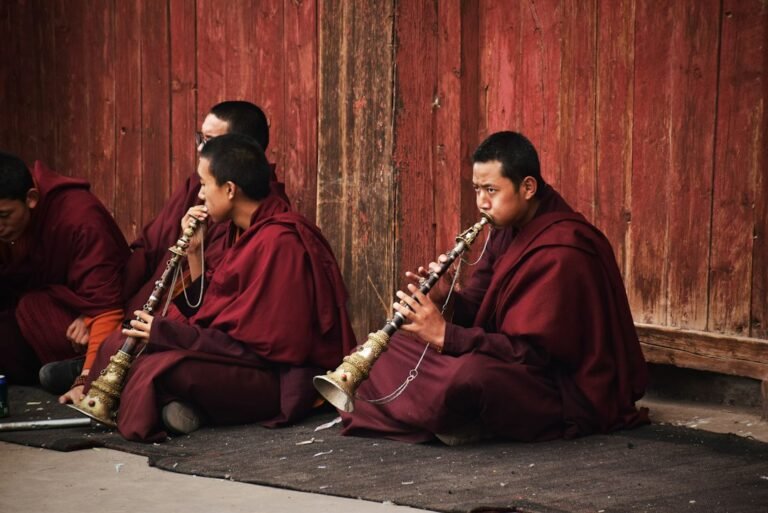
Why Do Buddhists Make Prostrations?
Prostration appears across Buddhist traditions as reverence, training and deliberate lowering of the self. Tradivior will compare its meanings across regions and ask what repetitive full-body ritual may do to…