East Asia
Explore by topic, region and evidence
Investigations across East Asia, including Chinese, Japanese, Korean and related cultural traditions, examined without treating the region as culturally uniform.
-
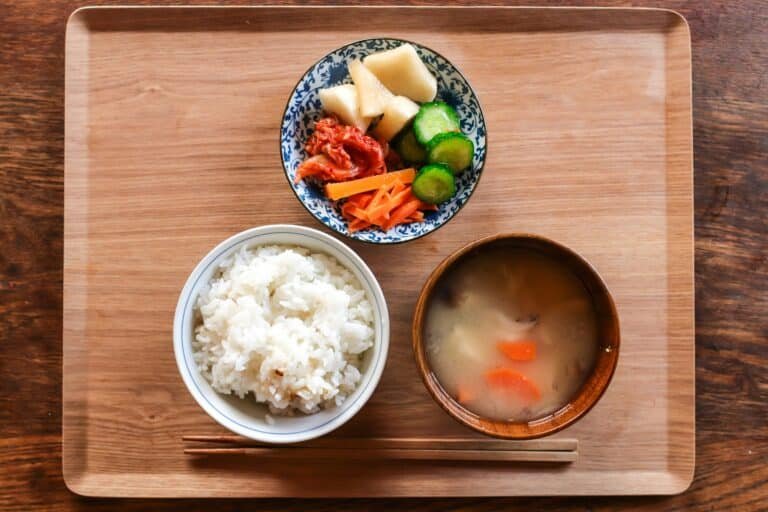
Why Did Traditional Japanese Diets Emphasize Variety and Small Portions?
Traditional Japanese diets combined rice with vegetables, fish, soy foods, seaweeds, fermented products and many small side dishes. Cohort evidence links Japanese-style dietary patterns with lower cardiovascular mortality, but high…
-
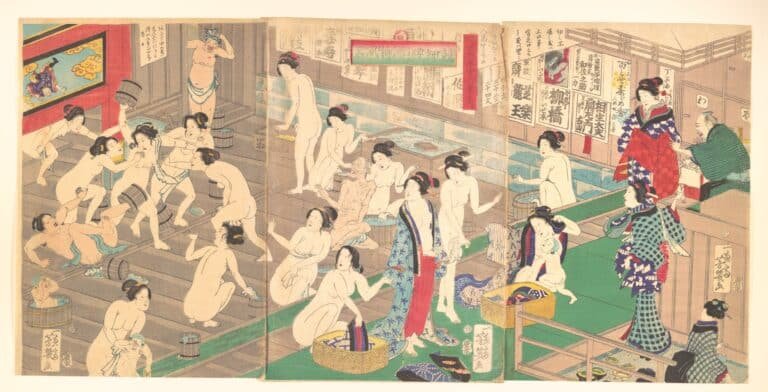
Why Did Japanese Bathing Become More Than Hygiene?
Japanese bathing became more than hygiene through centuries of purification, temple baths, public sento, hot springs and domestic soaking. Modern science supports some benefits of warm-water immersion—but also important risks.
-
Why Do Festivals Move Through the Lunar Calendar?
Religious festivals move on the Gregorian calendar because many remain anchored to lunar or lunisolar systems. Pure lunar calendars drift through the seasons, while lunisolar calendars insert leap months to…
-
Why Did Humans Watch the Moon So Closely?
Humans watched the Moon because it was genuinely useful: a visible calendar, source of night illumination, tidal marker and ecological cue. Modern science strongly supports those functions while rejecting many…
-
Why Do Mosques Use Courtyards, Domes and Minarets?
Mosque courtyards, domes and minarets developed at different times to serve congregation, prayer orientation, ablution, sound, climate and public visibility. Modern acoustics confirms real effects, including that domes can sometimes…
-
Why Do Sacred Buildings Reach Upward?
Sacred buildings reach upward because height makes religious institutions visible, marks sacred centres and creates awe. Psychology supports associations between verticality and power, but the pattern does not require a…
-
Why Do Mourning Clothes Change Colour Across Cultures?
Mourning colours differ because their main function is social rather than biological. Black, white and other mourning palettes make grief and changed status publicly visible, while the specific colour depends…
-
Why Do Cultures Give Ritual Meaning to Colour?
Ritual colour meanings arise from both shared human perception and learned cultural history. Cross-cultural research finds broad emotional regularities, but religion, material scarcity, language and ritual can give the same…
-
Why Do Elders Receive Special Deference?
Elders often gained deference because age accumulated knowledge, property, lineage authority and experience. Modern evidence supports the harms of ageism, but chronological age is not automatic proof of wisdom or…
-
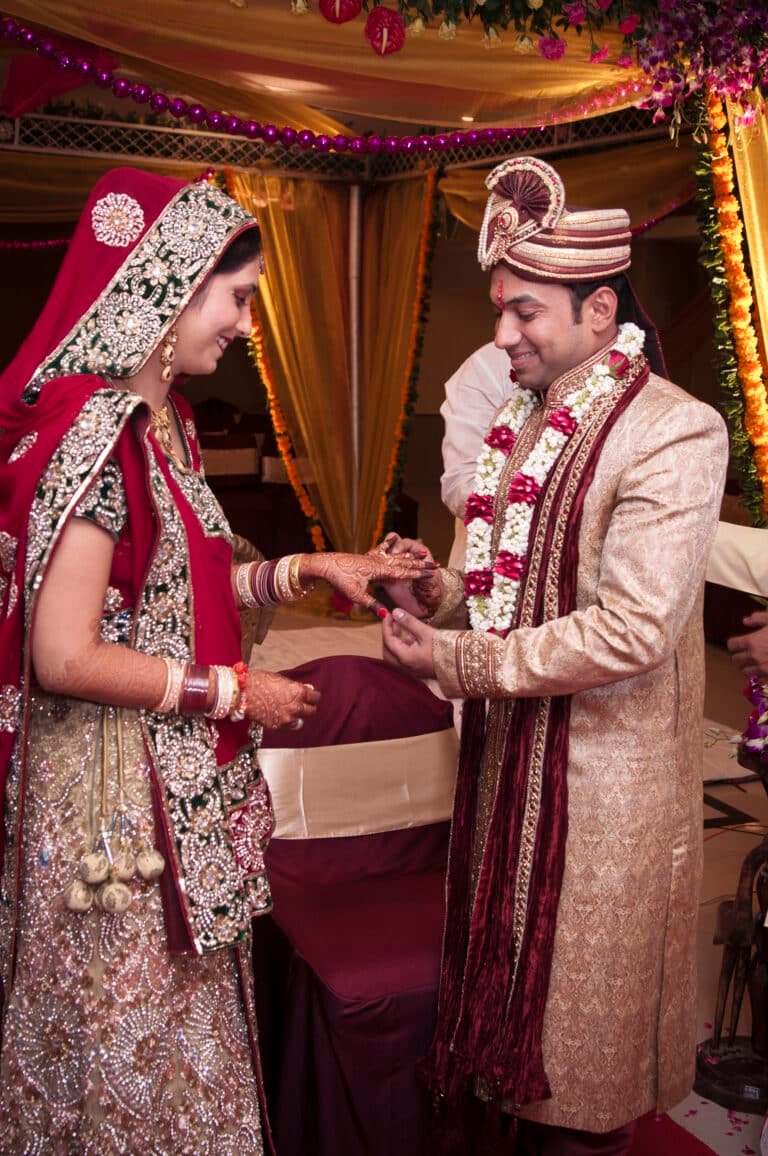
Why Did Arranged Marriage Become Common Across Many Societies?
Arranged marriage became common because marriage historically joined families, property and kinship systems as well as individuals. Modern outcomes depend far more on consent, autonomy, gender equality and family support…
-
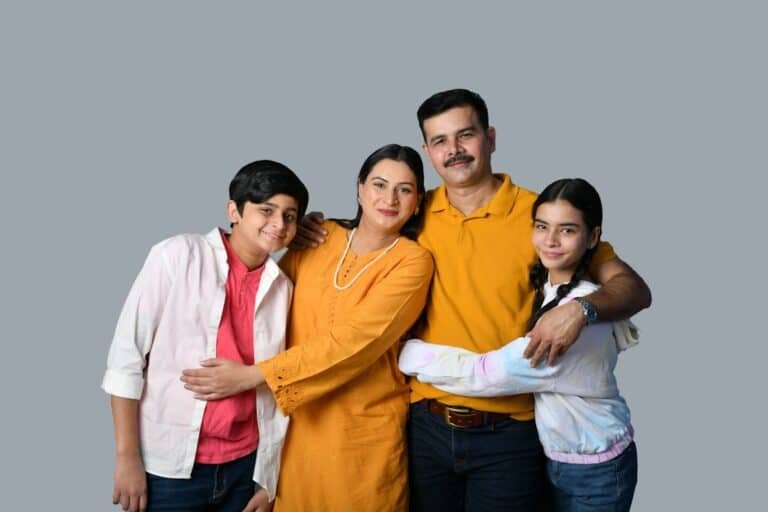
Why Do Humans Bow, Fold Hands, Kiss or Shake Hands in Greeting?
Bows, joined hands, kisses and handshakes look different, but all make social intent legible quickly. Greeting rituals signal respect, familiarity, rank and peaceful intent while reducing uncertainty at the start…