 tradivior
Global / Cross-Cultural
Explore by topic, region and evidence
Comparative investigations that cross regions and civilizations to examine recurring human practices, parallel invention, transmission and shared social problems.
-
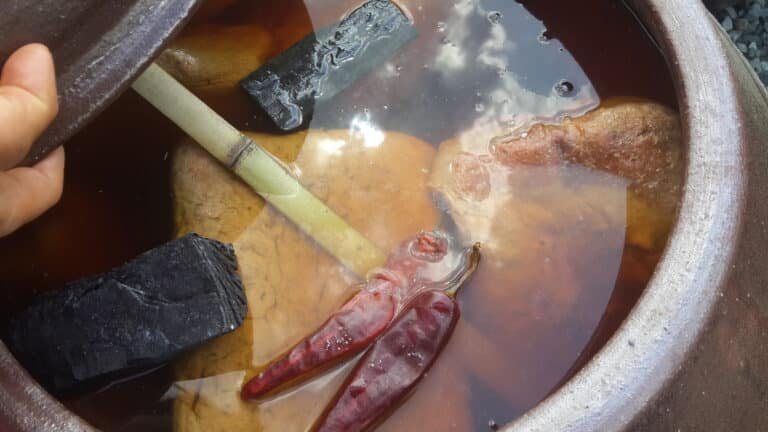
Why Did Humans Learn to Ferment Food?
Fermentation let humans steer invisible microbial ecosystems thousands of years before germ theory. Archaeology and microbiology strongly support preservation, sensory transformation and food-safety benefits—but fermented food is not automatically probiotic…
-
Why Did Religions Across the World Practice Fasting?
Why did fasting emerge across Judaism, Christianity, Islam, Hinduism, Jainism and Buddhism? The evidence points to multiple religious purposes—not one hidden metabolic origin—while modern science confirms that different fasting protocols…
-

Why Have Humans Searched for Longevity Through Daily Routines?
Across civilizations, people tried to build long life into ordinary routines. Modern evidence strongly supports the principle—but not the idea that any ancient culture possessed a complete hidden anti-ageing formula.
-

Why Has Infant Massage Survived Across Cultures?
Infant massage survives across cultures because touch, soothing and skin care are fundamental forms of caregiving. Modern evidence supports parts of the practice—but oils, techniques and claims are not interchangeable.
-

Why Did So Many Cultures Practice Postpartum Confinement?
Why did cultures across the world create protected periods after childbirth? The strongest insight may be social rather than mystical: recovery, food and redistributed labour—alongside restrictions whose benefits are far…
-

Why Did People Squat to Rest, Work and Use the Toilet?
Squatting was once an ordinary way to work, rest and use the toilet. Modern biomechanics helps explain its advantages—and why claims that it is universally healthier go too far.
-
Why Did Farmers Read the Pleiades and Other Stars?
Farmers watched the Pleiades and other stars because seasonal stellar appearances are predictable. Heliacal risings act as annual calendar markers for planting, harvest and travel without implying that stars cause…
-

Why Do Festivals Move Through the Lunar Calendar?
Religious festivals move on the Gregorian calendar because many remain anchored to lunar or lunisolar systems. Pure lunar calendars drift through the seasons, while lunisolar calendars insert leap months to…
-
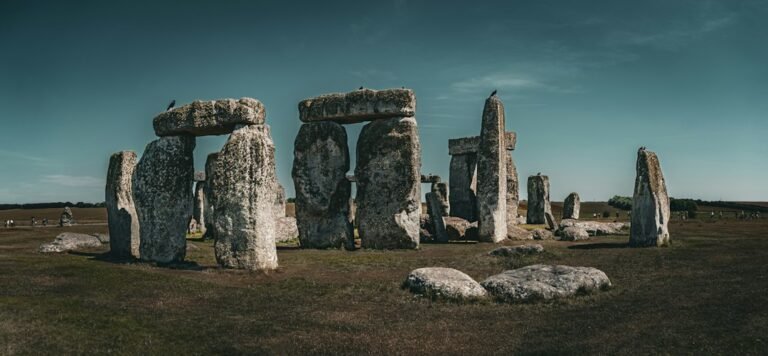
Why Did Civilizations Build Solstice and Equinox Monuments?
Some ancient monuments genuinely align with seasonal solar events: Stonehenge, Newgrange and Chankillo provide strong examples. But many popular equinox claims are weaker, showing why archaeoastronomy must test geometry, context…
-
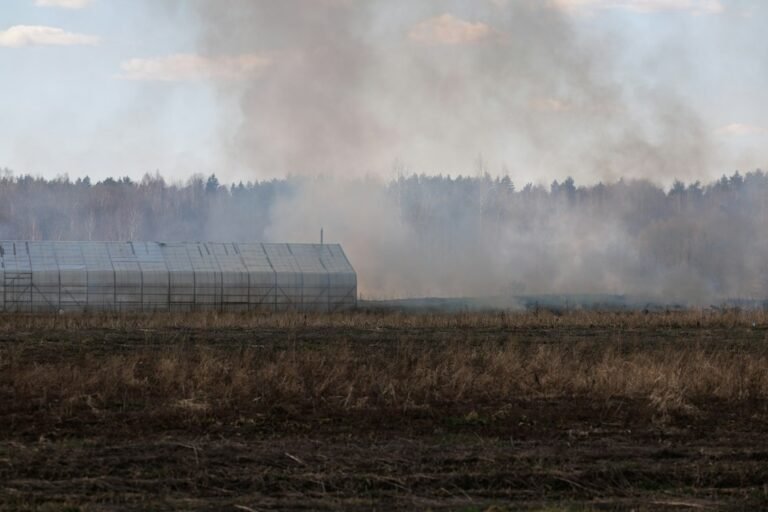
Why Did Some Traditional Landscapes Depend on Controlled Burning?
Traditional cultural burning used carefully timed, low-intensity fire to shape landscapes, support food and craft resources, and reduce fuel continuity. Modern ecology supports many of these mechanisms, but outcomes depend…
-
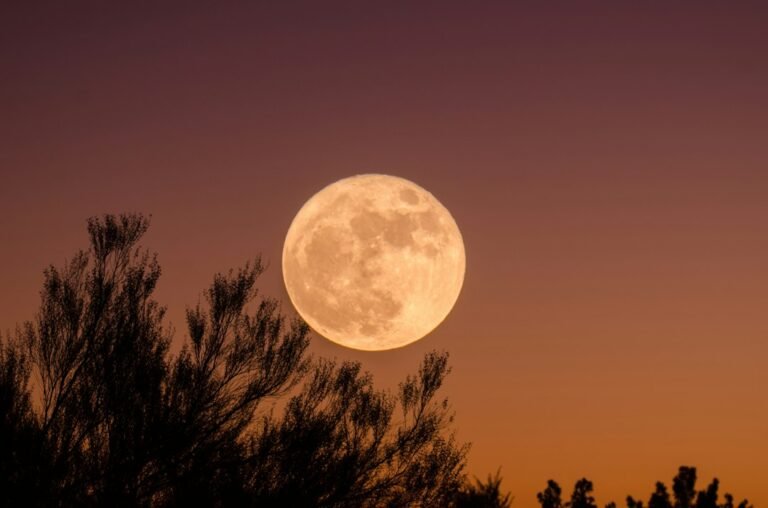
Why Did Humans Watch the Moon So Closely?
Humans watched the Moon because it was genuinely useful: a visible calendar, source of night illumination, tidal marker and ecological cue. Modern science strongly supports those functions while rejecting many…
-
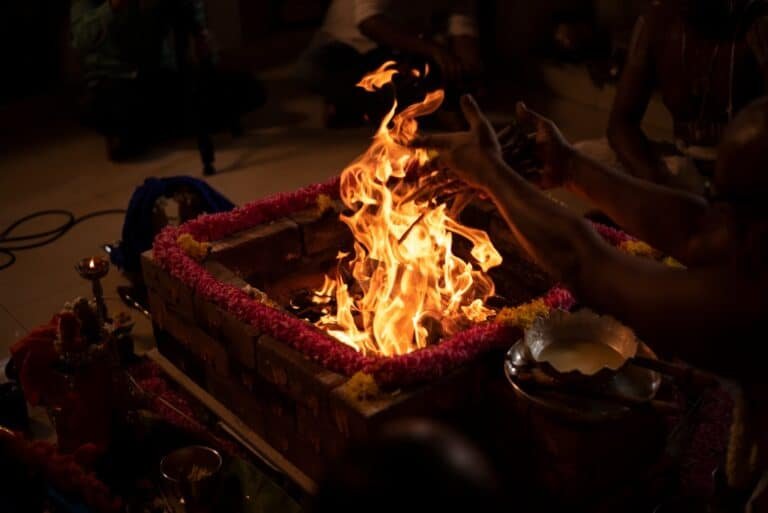
Why Did Fire Become Sacred Across Human Cultures?
Fire became sacred across civilizations because it is useful, dangerous, transformative and socially central. Vedic, Zoroastrian and Mediterranean traditions turned the same physical phenomenon into very different theologies.