 tradivior
Global / Cross-Cultural
Explore by topic, region and evidence
Comparative investigations that cross regions and civilizations to examine recurring human practices, parallel invention, transmission and shared social problems.
-
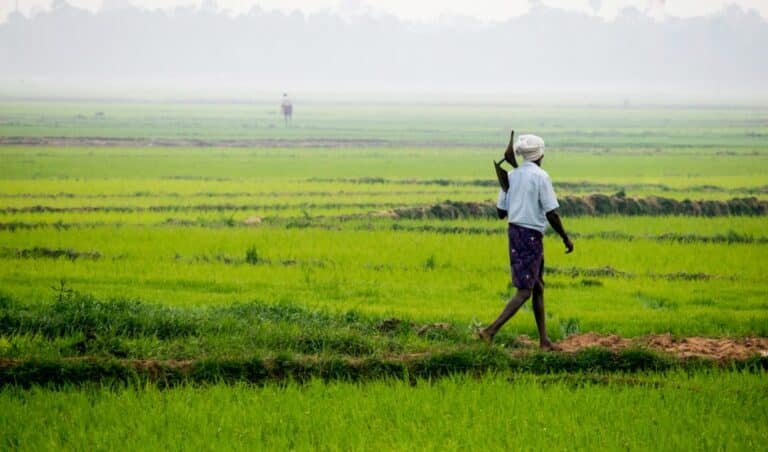
Why Did Traditional Farmers Read Birds, Insects and Plants as Weather Signs?
Traditional farmers read birds, insects, plants, clouds and winds because many respond to real environmental change. Some local signs are useful, but accuracy varies and climate change can weaken old…
-
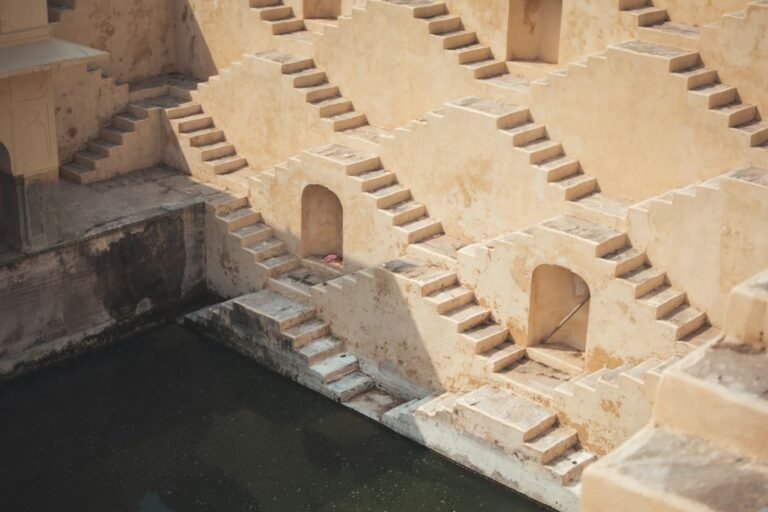
Why Did Communities Protect Water Sources Through Ritual Rules?
Ritual rules can protect springs, wells and tanks by preserving catchments, restricting contamination and coordinating maintenance. Their ecological value is real, but purity rules have also sometimes enforced unequal access.
-
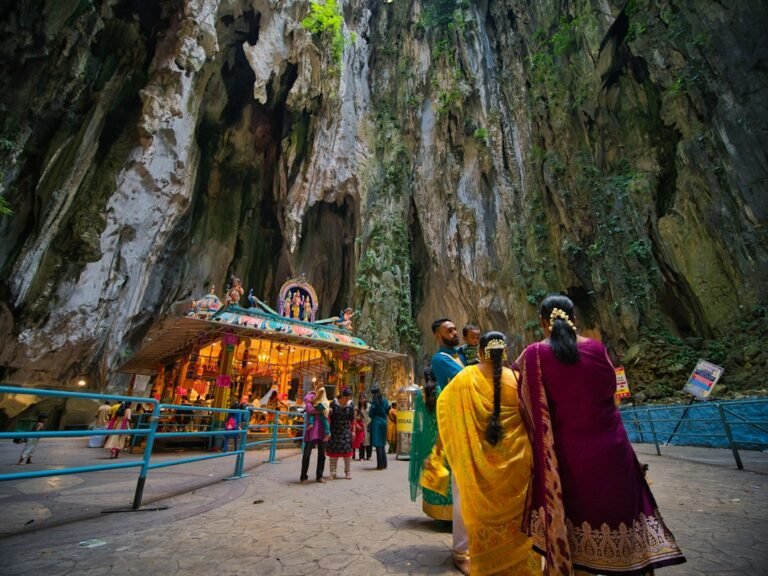
Why Do Caves Become Sacred Places?
Caves have served as shelters, burial places, shrines, monasteries and sites of visions. Tradivior will examine why darkness, enclosure and geological permanence repeatedly become spiritually meaningful.
-
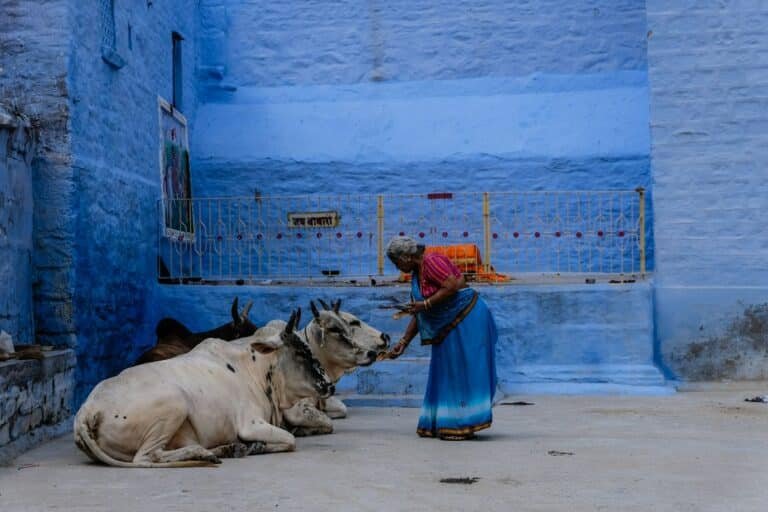
Why Are Certain Animals Sacred or Taboo?
Sacred and taboo animals can be protected, sacrificed, feared or avoided for very different reasons. Modern evidence shows some taboos reduce hunting pressure, but conservation should not be assumed to…
-
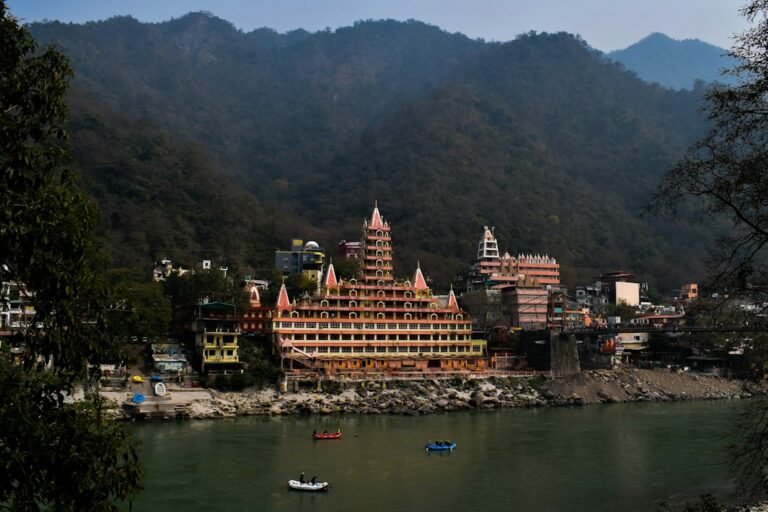
Why Do Mountains Become Holy?
Kailash, Sinai, Fuji, Olympus and countless local peaks turn elevation and remoteness into sacred geography. Tradivior will investigate why mountains invite gods, ancestors and pilgrimage, and what awe and landscape…
-
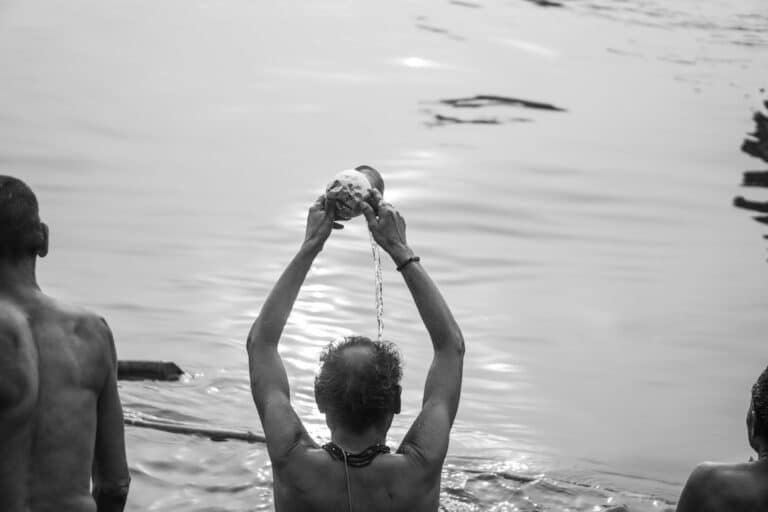
Why Do Humans Treat Rivers as Sacred?
Rivers feed settlements, mark boundaries, carry the dead and renew landscapes, making them powerful religious symbols worldwide. Tradivior will compare sacred rivers while confronting the tension between reverence and pollution.
-
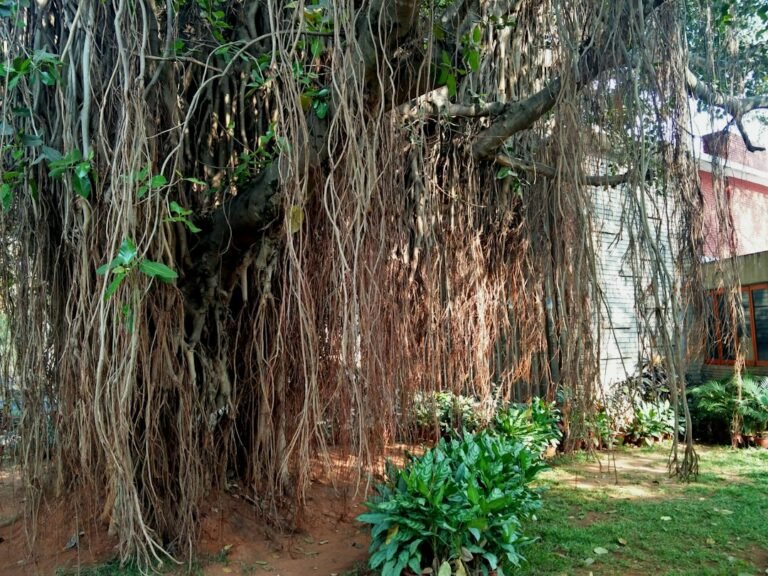
Why Are Sacred Trees Found Across Civilizations?
Sacred trees appear in myth, ritual, law and local landscape across many cultures. Tradivior will ask why long-lived plants became moral and religious beings, and when reverence incidentally protected biodiversity.
-
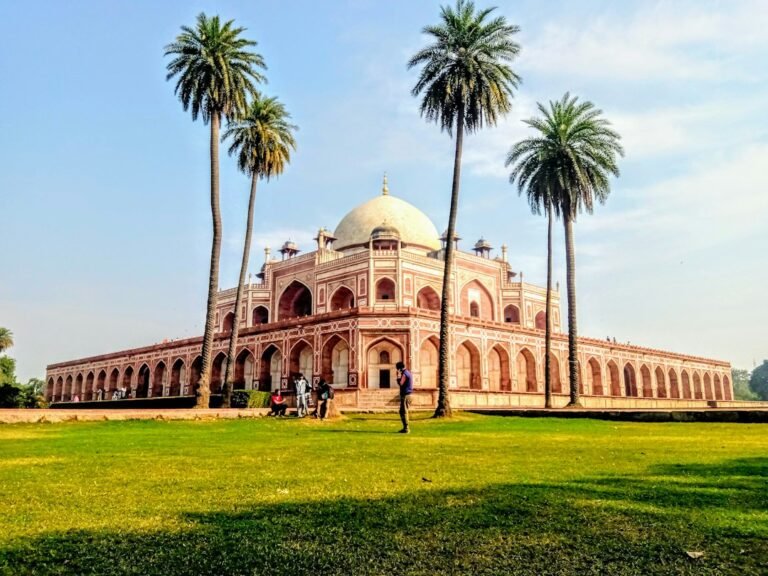
Why Did Tombs and Mausoleums Become Monumental?
Pyramids, tumuli, stupas, mausoleums and royal tombs turn death into durable landscape. Tradivior will compare why societies invested enormous resources in the dead and what monuments do to memory, legitimacy…
-
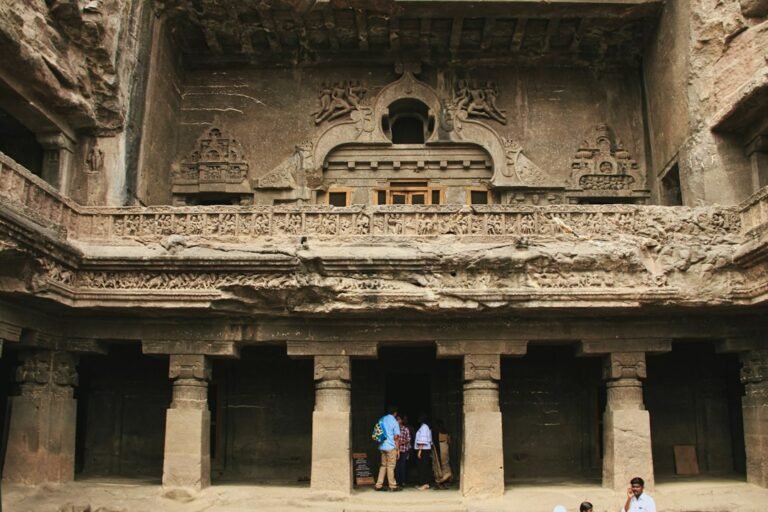
Why Did People Carve Sacred Spaces Into Mountains?
From Ajanta and Ellora to Petra and cave monasteries elsewhere, humans repeatedly transformed rock into sacred space. Tradivior will investigate security, geology, patronage, acoustics and symbolism behind rock-cut architecture.
-
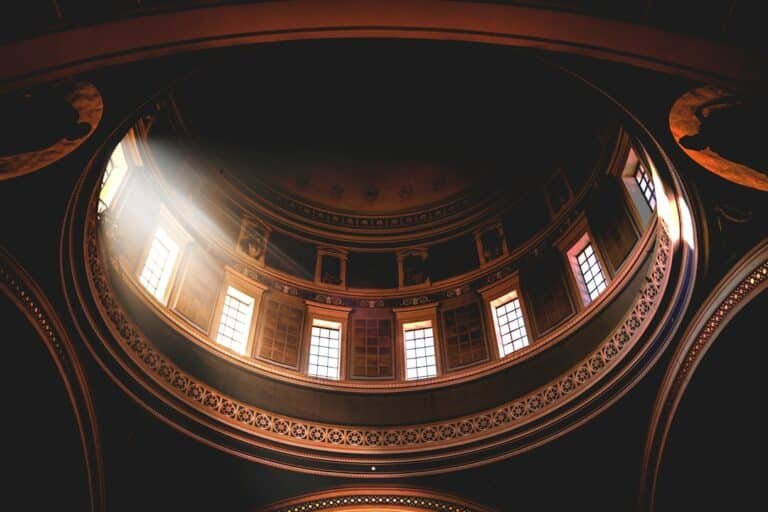
Why Do Domes, Vaults and Chambers Change Sacred Sound?
Domes, vaults and chambers measurably alter reverberation, focusing and speech clarity. Sacred sound emerges from architecture, materials and ritual together—not from universally tuned mystical frequencies.
-
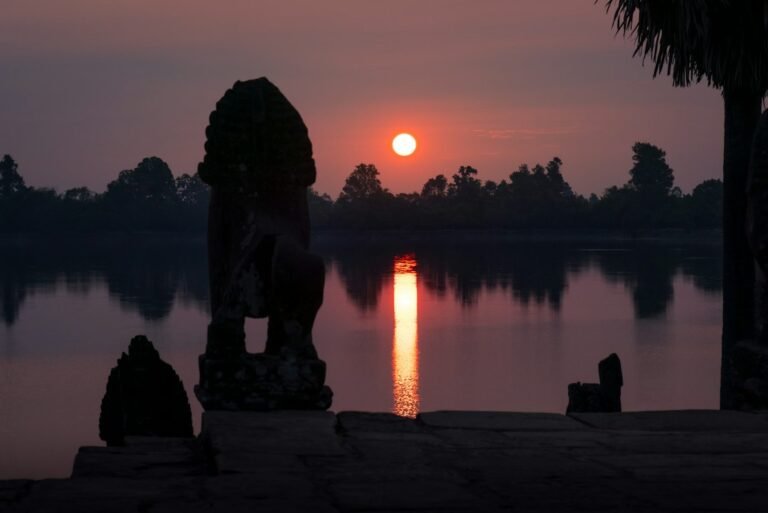
Why Did Ancient Builders Align Sacred Places With Directions?
Ancient sacred places were often aligned to cardinal, solar, stellar or landscape references—but not every dramatic sunrise proves intention. Strong archaeoastronomy combines measurement, chronology, repeated patterns and cultural context.
-
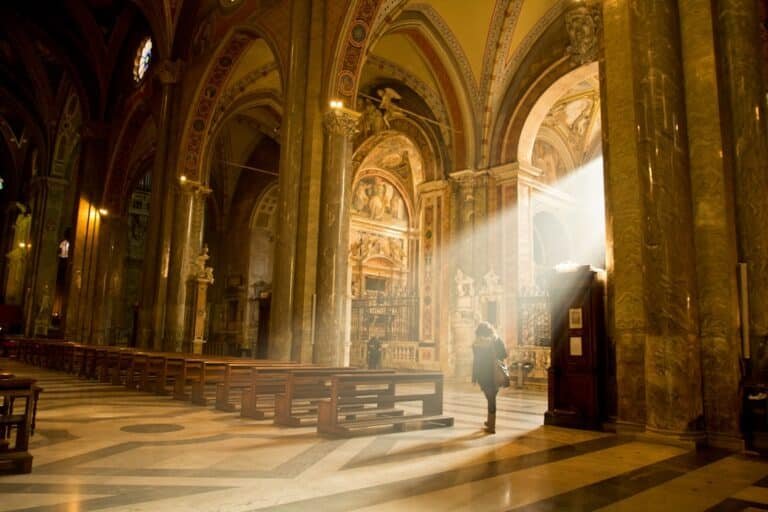
Why Do Sacred Spaces Control Light So Carefully?
Sacred spaces use darkness, filtered daylight, lamps and luminous surfaces to direct attention and shape ritual experience. Modern perception science explains why these strategies work without implying hidden ancient neuroscience.