 tradivior
Global / Cross-Cultural
Explore by topic, region and evidence
Comparative investigations that cross regions and civilizations to examine recurring human practices, parallel invention, transmission and shared social problems.
-
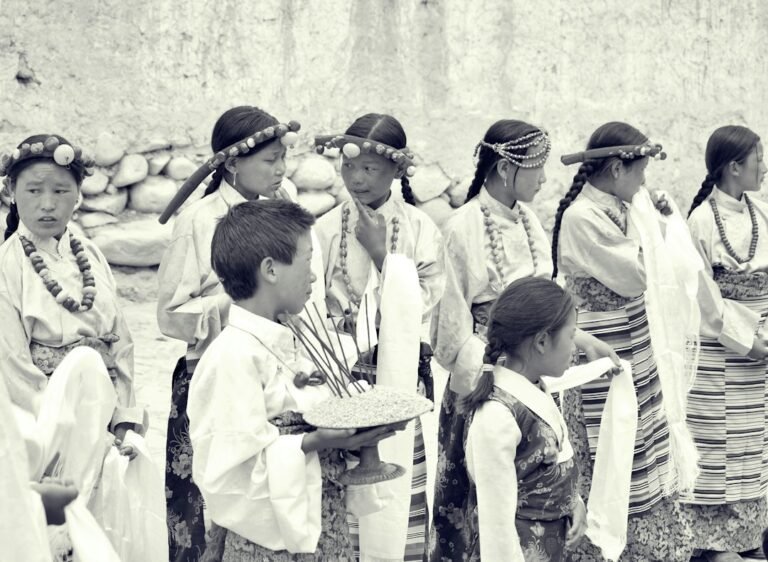
Why Do Humans Create Coming-of-Age Rituals?
Coming-of-age rituals make an ambiguous biological transition socially explicit. Initiation can teach roles, transmit knowledge and intensify group identity, but costly or coercive rites can also harm participants; their strongest…
-
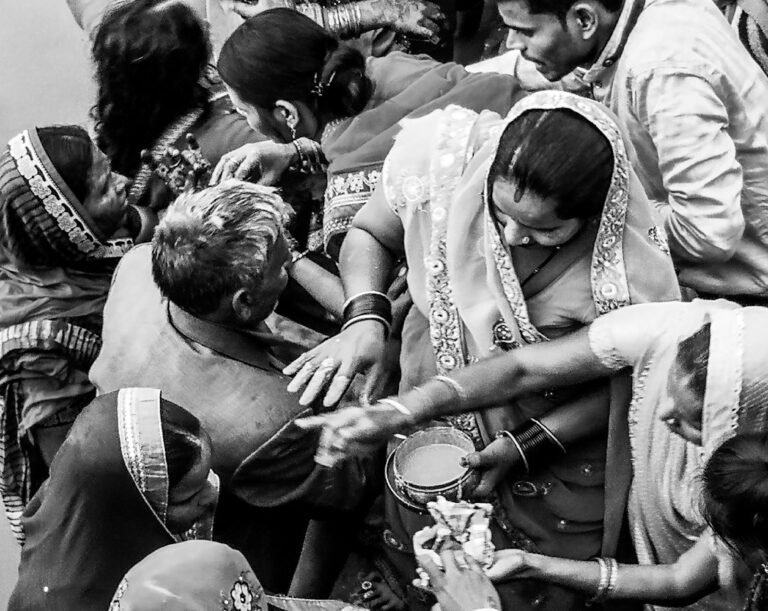
Why Do Humans Create Birth Rituals?
Birth rituals turn a biological event into a social transition. Across cultures they provide recognition, support, protection and structure around uncertainty, but their individual practices vary from beneficial caregiving to…
-
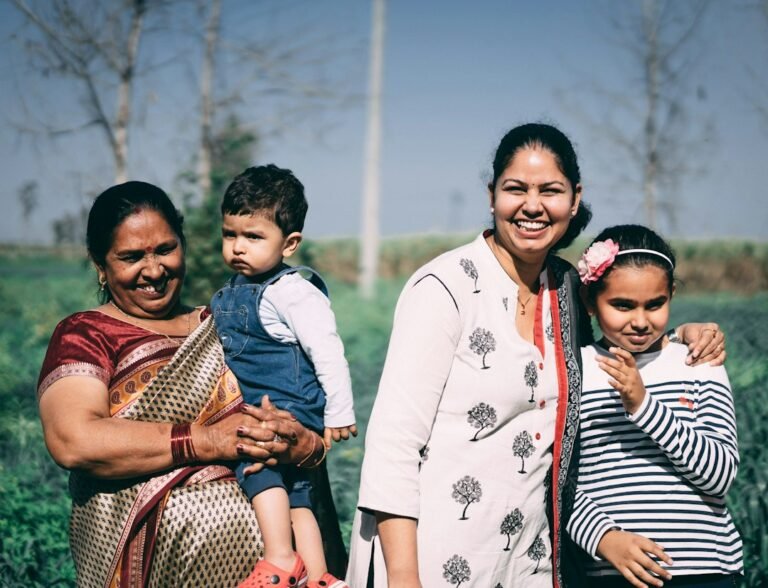
Why Did Pregnancy Attract So Many Food Rules?
Pregnancy attracts food rules because it is a high-stakes, uncertain life stage. Cross-cultural reviews show taboos often aim to prevent miscarriage, difficult birth or perceived fetal harm, but many restrict…
-
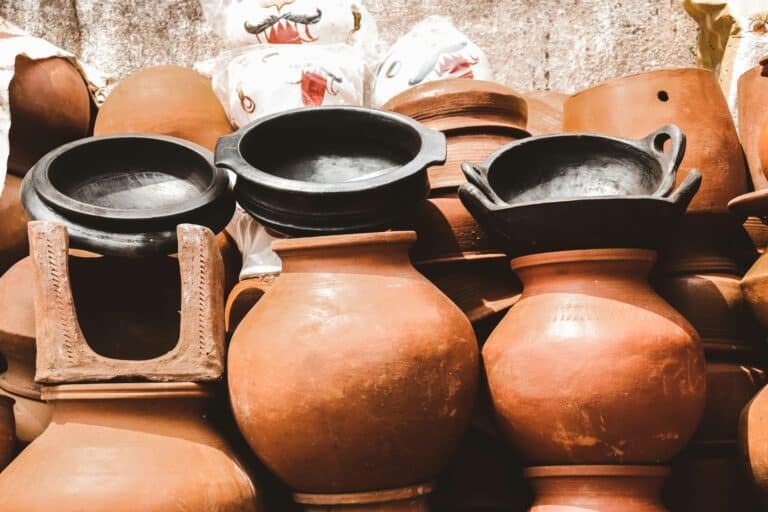
Why Did Humans Boil Food?
Boiling transformed human diets by making grains, pulses, roots, meat and water safer and softer in a single vessel. Heat kills most foodborne microbes and moist cooking improves digestibility, but…
-
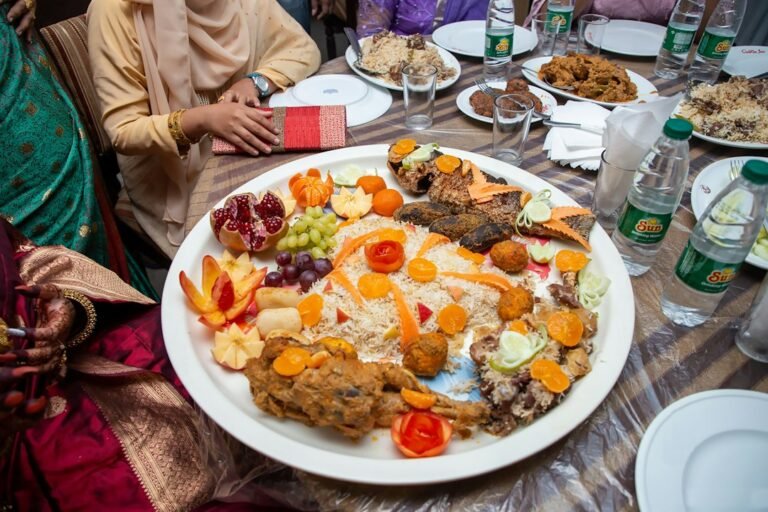
Why Did Some Cultures Avoid Certain Foods?
Food taboos are nearly universal but vary radically between cultures, which is strong evidence against one universal biological explanation. Some restrictions may incidentally reduce risk or conserve resources; others are…
-
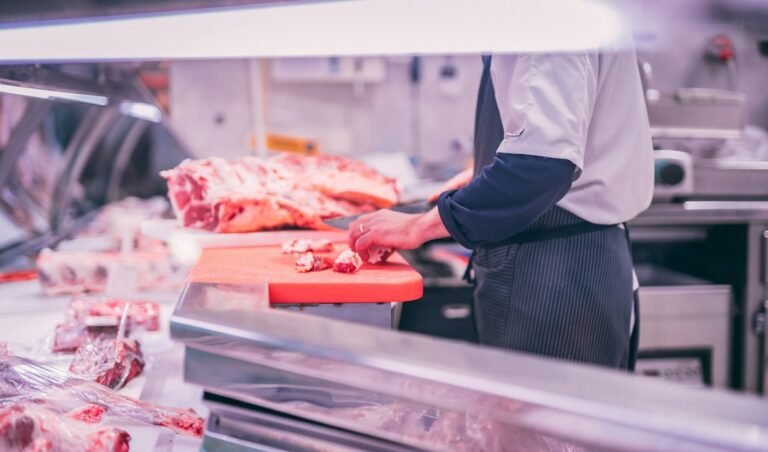
Why Do Religions Regulate Meat?
Religions regulate meat because killing animals, blood, purity, sacrifice and communal identity carry unusually high moral weight. Some rules may have ecological or safety consequences, but Jewish, Islamic, Hindu, Jain,…
-
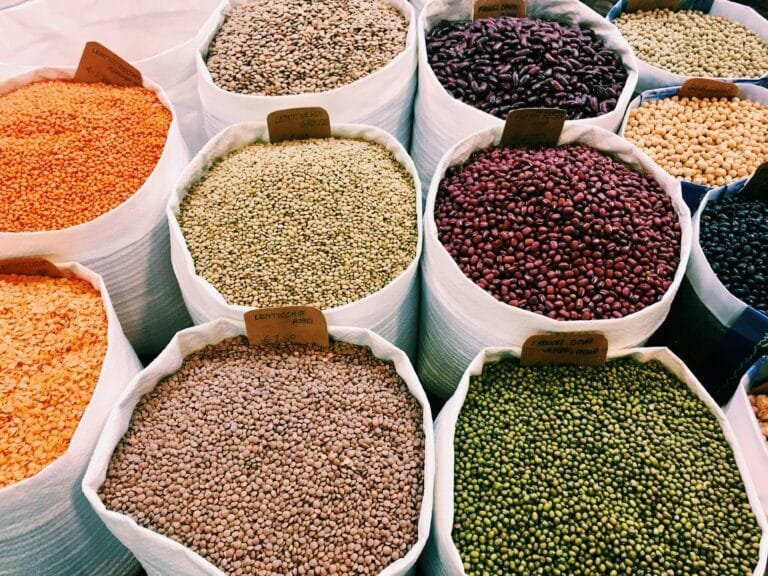
Why Did Traditional Diets Depend on Staple-and-Pulse Combinations?
Grain–pulse pairings such as rice and dal, maize and beans, or bread and lentils recur because they combine affordable staple energy with protein, fibre and complementary amino-acid profiles. The nutritional…
-
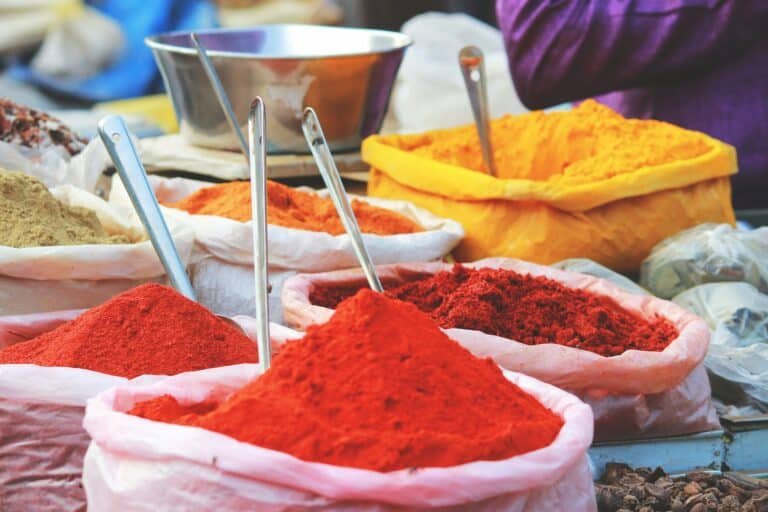
Why Did Humans Combine Spices?
Spice mixtures create real chemical and sensory interactions, and some combinations can alter antimicrobial activity or bioavailability. But synergy is specific to the ingredients, dose and outcome; traditional masalas should…
-
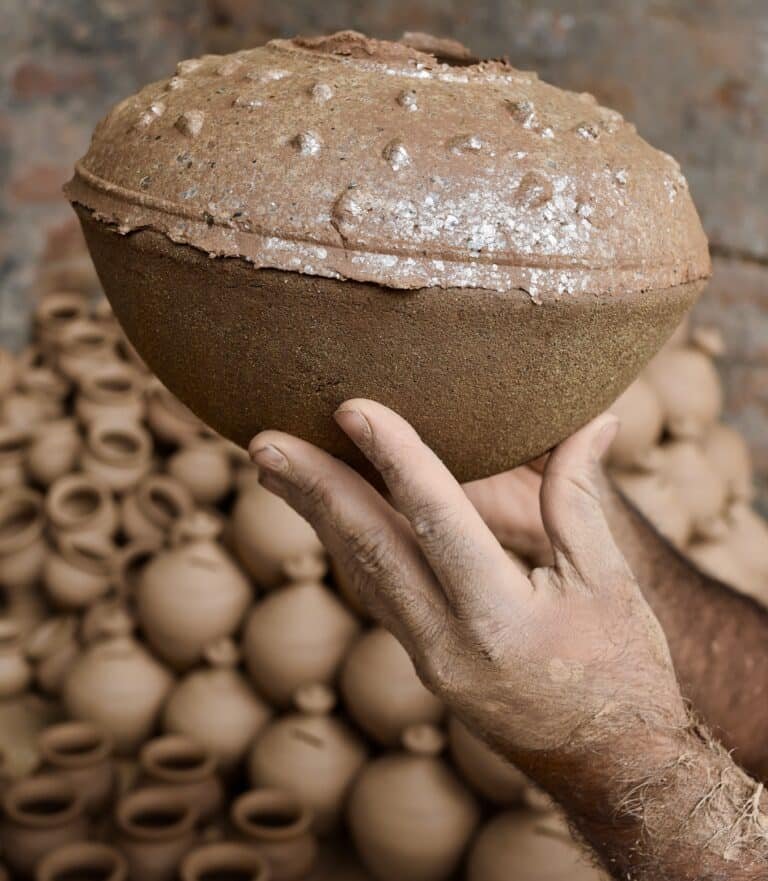
Why Did Humans Cook in Clay Pots?
Clay pots transformed cooking by making boiling, simmering and storage widely accessible. Their heat retention and porous structure can shape texture and moisture, but claims that clay universally detoxifies or…
-
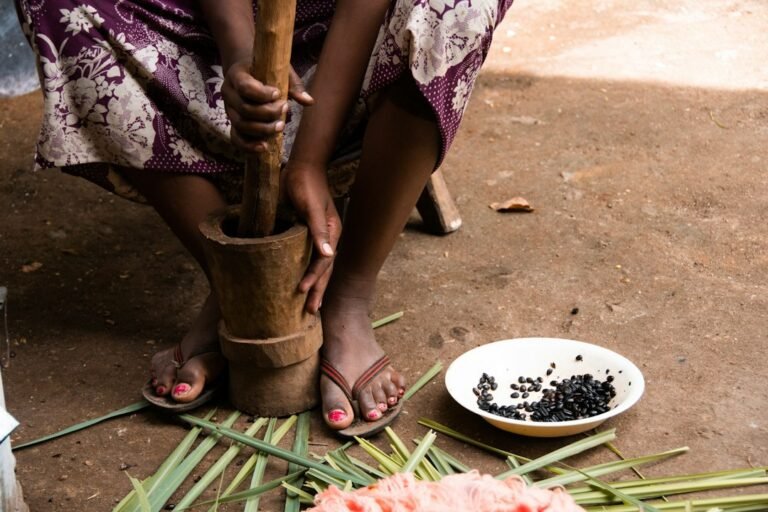
Why Did People Eat With Their Hands?
Eating with the hands persisted across sophisticated cuisines because it is practical, culturally encoded and sensorially rich—not because utensils were unknown. Touch can influence food perception, but claims that fingers…
-
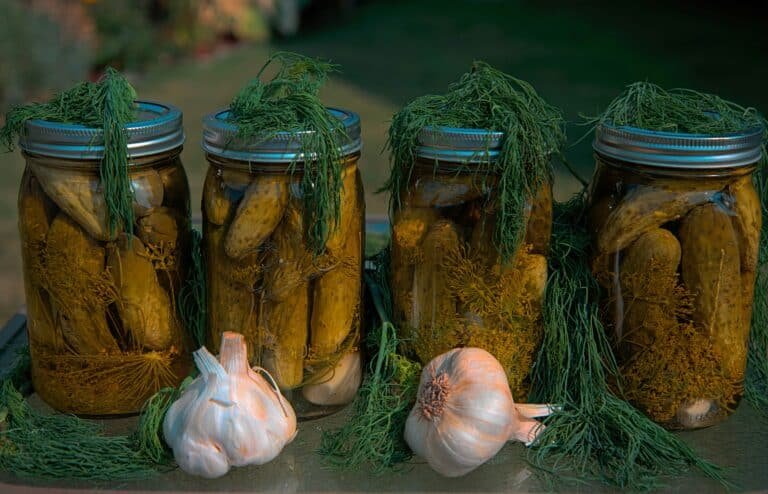
Why Did Pickling Become a Global Preservation Strategy?
Pickling became global because acidity is a powerful preservation tool. Fermented pickles create acid through lactic-acid bacteria; vinegar pickles add it directly. Both can be safe when properly controlled, but…
-
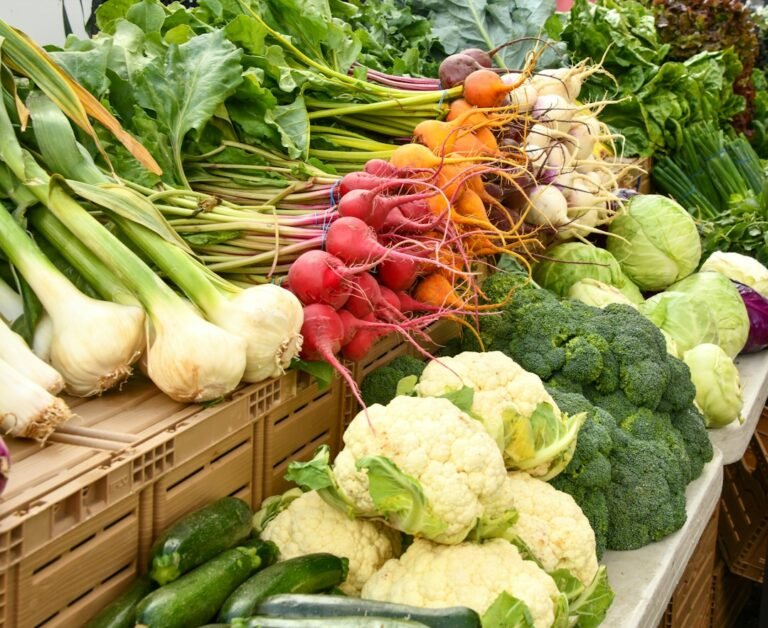
Why Did Traditional Cultures Eat Seasonally?
Traditional seasonal eating was mostly an ecological fact before it was a health doctrine: harvests, weather, storage and trade determined what was available. Modern biology confirms that appetite and food…