Mediterranean
Explore by topic, region and evidence
Investigations into Mediterranean foodways, ritual systems, trade, religion and cultural exchange across societies bordering the Mediterranean Sea.
-
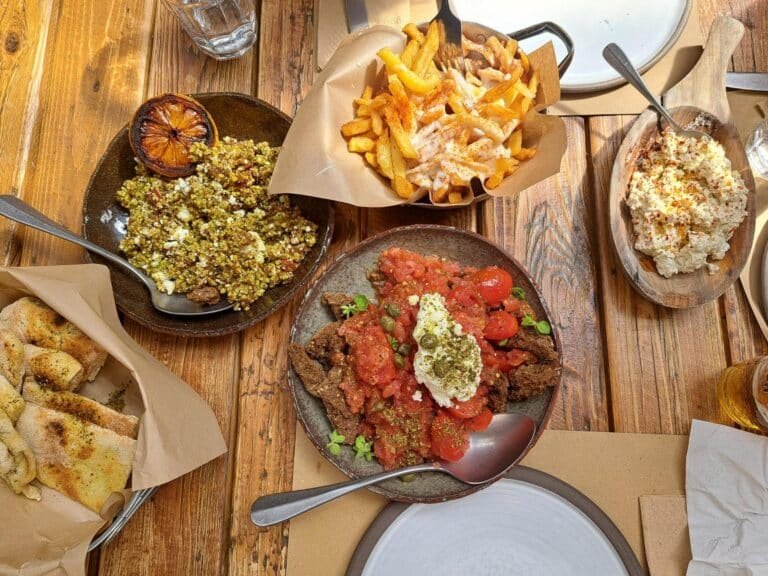
Why Did Mediterranean Communities Eat the Way They Did?
The Mediterranean diet emerged from ecology, agriculture, scarcity, religion and cuisine—not from a single ancient health prescription. Modern evidence, including the reanalysed PREDIMED trial and prospective cohorts, supports cardiovascular benefits…
-
Why Did Humans Watch the Moon So Closely?
Humans watched the Moon because it was genuinely useful: a visible calendar, source of night illumination, tidal marker and ecological cue. Modern science strongly supports those functions while rejecting many…
-
Why Do Domes, Vaults and Chambers Change Sacred Sound?
Domes, vaults and chambers measurably alter reverberation, focusing and speech clarity. Sacred sound emerges from architecture, materials and ritual together—not from universally tuned mystical frequencies.
-
Why Did Ancient Builders Align Sacred Places With Directions?
Ancient sacred places were often aligned to cardinal, solar, stellar or landscape references—but not every dramatic sunrise proves intention. Strong archaeoastronomy combines measurement, chronology, repeated patterns and cultural context.
-
Why Do Sacred Spaces Control Light So Carefully?
Sacred spaces use darkness, filtered daylight, lamps and luminous surfaces to direct attention and shape ritual experience. Modern perception science explains why these strategies work without implying hidden ancient neuroscience.
-
Why Did Churches Develop Naves, Apses and Bell Towers?
Church naves and apses developed largely from Roman basilica architecture, while bell towers arrived later as sound and signalling infrastructure. Liturgy, pilgrimage, relics and symbolism gradually transformed these practical forms.
-
Why Do Cultures Give Ritual Meaning to Colour?
Ritual colour meanings arise from both shared human perception and learned cultural history. Cross-cultural research finds broad emotional regularities, but religion, material scarcity, language and ritual can give the same…
-
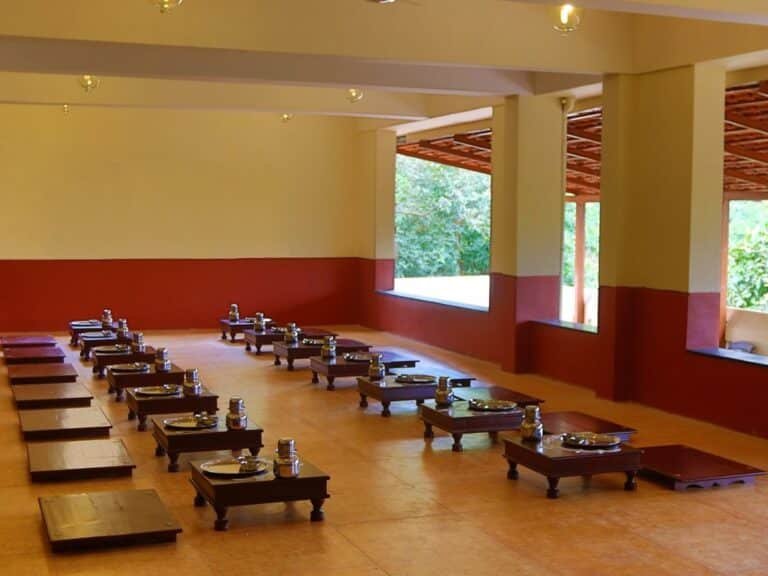
Why Does Eating Together Build Trust?
Shared meals can build trust by combining food sharing, similarity, conversation, synchrony and repeated interaction. Experiments support some direct effects, while broader family-meal benefits remain largely correlational.
-
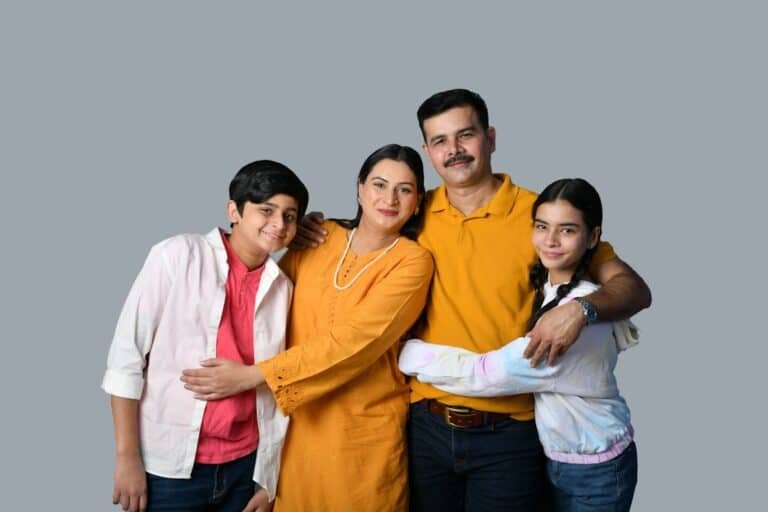
Why Do Communities Treat Hospitality as a Moral Obligation?
Hospitality became a moral obligation because strangers create both risk and opportunity. Guest-host codes reduce uncertainty, protect travellers, build reputation and create reciprocal relationships beyond kin.
-
Why Do People Exchange Gifts?
Gift exchange binds people through reciprocity, alliance, prestige, obligation and memory. Modern research also suggests giving can improve well-being under some conditions, but gifts are not simply altruism or disguised…
-
Why Is Feeding the Guest a Sacred Duty in So Many Cultures?
Feeding guests became a sacred duty across many cultures because hospitality reduces uncertainty, creates trust and extends protection beyond kin. The same norm can also produce status pressure and unequal…
-
Why Do Humans Bow, Fold Hands, Kiss or Shake Hands in Greeting?
Bows, joined hands, kisses and handshakes look different, but all make social intent legible quickly. Greeting rituals signal respect, familiarity, rank and peaceful intent while reducing uncertainty at the start…