Partially Supported
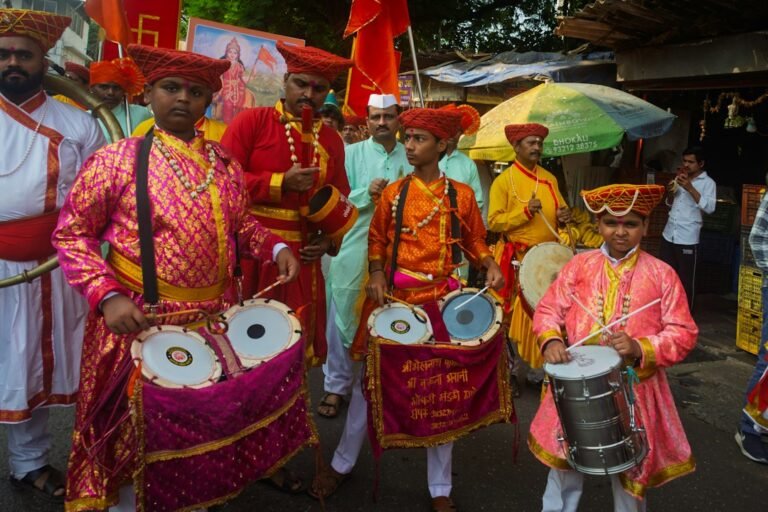
Why Do New Year Festivals Cluster Around Seasonal Turning Points?
Why do New Year festivals mark different seasonal thresholds? Compare calendar rules, cultural meanings and the evidence for fresh starts across civilizations.
 tradivior
Follow a question. Examine the evidence.
Search customs, ideas and practices, or combine filters to follow a connection across cultures. Evidence assessments describe editorial conclusions, not scores or rankings.
93 investigations found · Page 4 of 8
Partially Supported
Why do New Year festivals mark different seasonal thresholds? Compare calendar rules, cultural meanings and the evidence for fresh starts across civilizations.
Historically Practical
Canonical hours, prayer watches, sandhya, salat times and other traditions punctuate the day with religious obligations. Tradivior will ask how astronomy, social order and daily rhythm turned clock time into…
Contradicted by Evidence
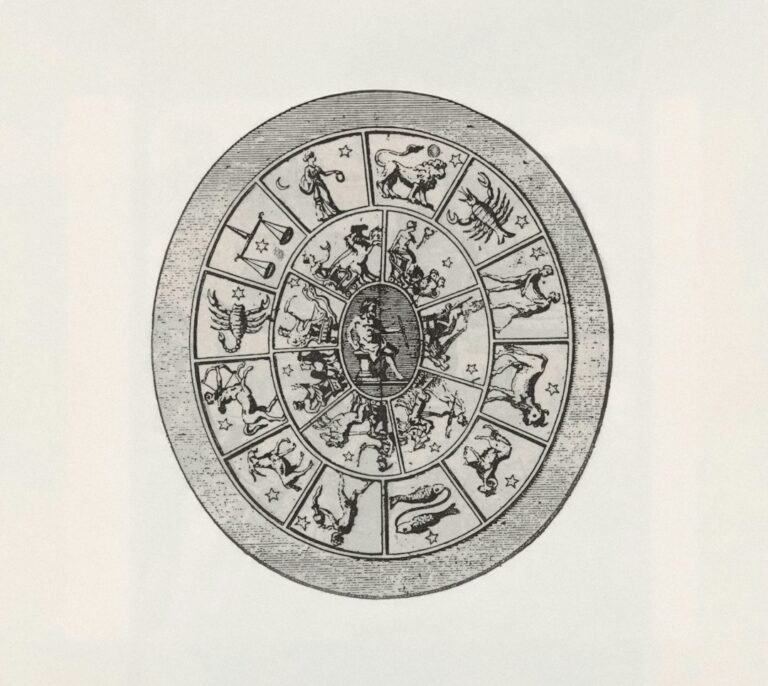
Astrology linked the sky to personality, politics, medicine and fate across South Asia, the Mediterranean, China and the Islamic world. Tradivior will trace its intellectual history and examine why it…
Evidence Supported
Farmers watched the Pleiades and other stars because seasonal stellar appearances are predictable. Heliacal risings act as annual calendar markers for planting, harvest and travel without implying that stars cause…
Evidence Supported
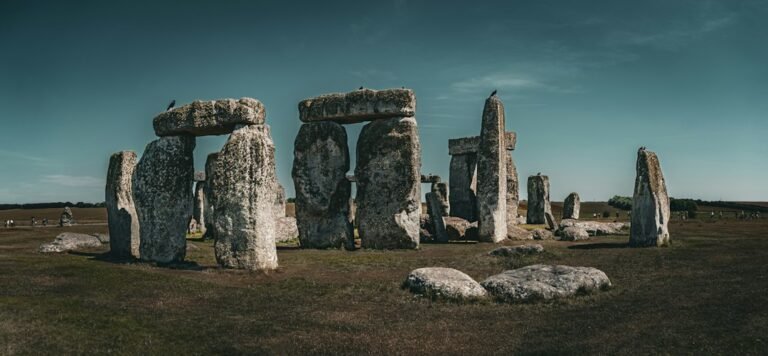
Some ancient monuments genuinely align with seasonal solar events: Stonehenge, Newgrange and Chankillo provide strong examples. But many popular equinox claims are weaker, showing why archaeoastronomy must test geometry, context…
Partially Supported
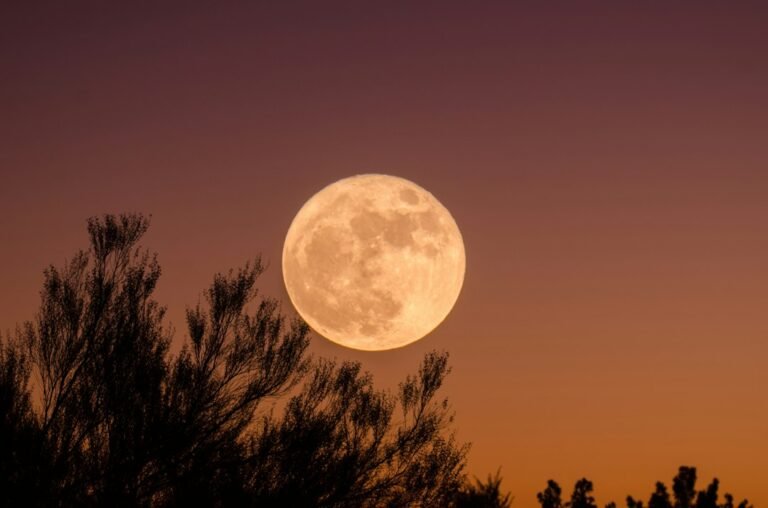
Humans watched the Moon because it was genuinely useful: a visible calendar, source of night illumination, tidal marker and ecological cue. Modern science strongly supports those functions while rejecting many…
Evidence Supported
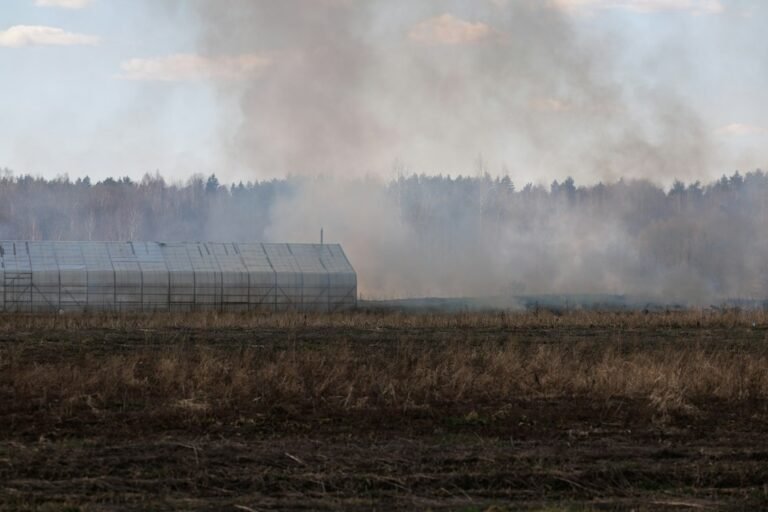
Traditional cultural burning used carefully timed, low-intensity fire to shape landscapes, support food and craft resources, and reduce fuel continuity. Modern ecology supports many of these mechanisms, but outcomes depend…
Historically Practical
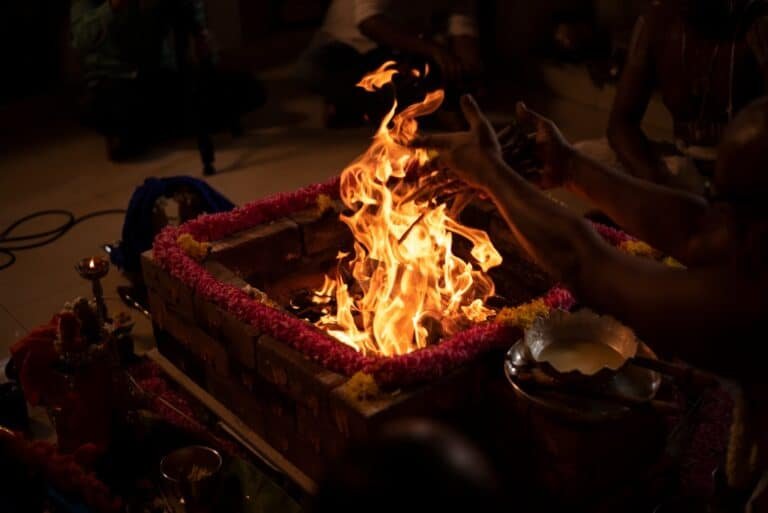
Fire became sacred across civilizations because it is useful, dangerous, transformative and socially central. Vedic, Zoroastrian and Mediterranean traditions turned the same physical phenomenon into very different theologies.

Partially Supported
Ritual rules can protect springs, wells and tanks by preserving catchments, restricting contamination and coordinating maintenance. Their ecological value is real, but purity rules have also sometimes enforced unequal access.
Partially Supported
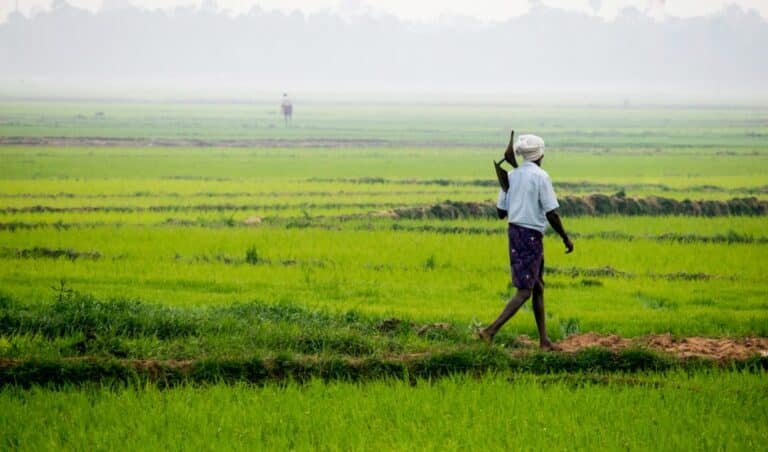
Traditional farmers read birds, insects, plants, clouds and winds because many respond to real environmental change. Some local signs are useful, but accuracy varies and climate change can weaken old…
Partially Supported
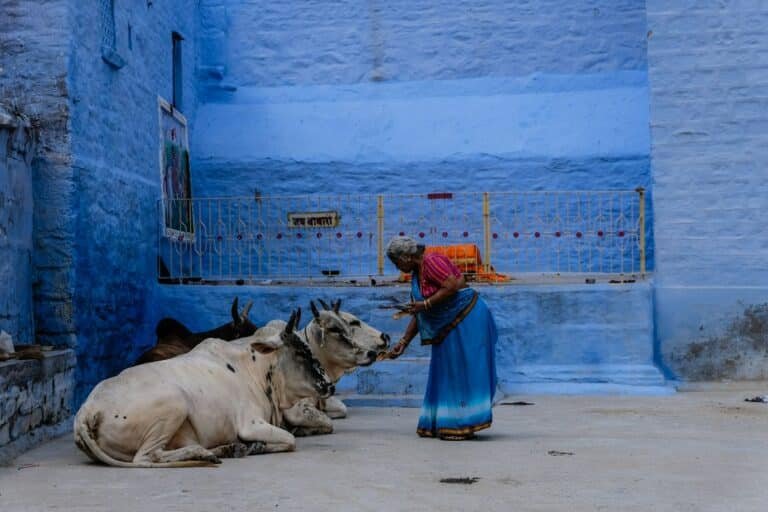
Sacred and taboo animals can be protected, sacrificed, feared or avoided for very different reasons. Modern evidence shows some taboos reduce hunting pressure, but conservation should not be assumed to…

Primarily Symbolic/Cultural
Caves have served as shelters, burial places, shrines, monasteries and sites of visions. Tradivior will examine why darkness, enclosure and geological permanence repeatedly become spiritually meaningful.