Tradiviorans ClubQuestions, polls, reading DNA and your curiosity circle.Join the Club →Log in →Reading remains free without an account.
EXPLORE
PARTICIPATE
YOUR SPACE
Follow a question. Examine the evidence.
Explore investigations
Search customs, ideas and practices, or combine filters to follow a connection across cultures. Evidence assessments describe editorial conclusions, not scores or rankings.
Rituals repeat because fixed sequences create predictability, memory, identity and coordination. Experiments suggest ritualized repetition can regulate anxiety and social connection, while mantra repetition shows small benefits for psychological distress;…
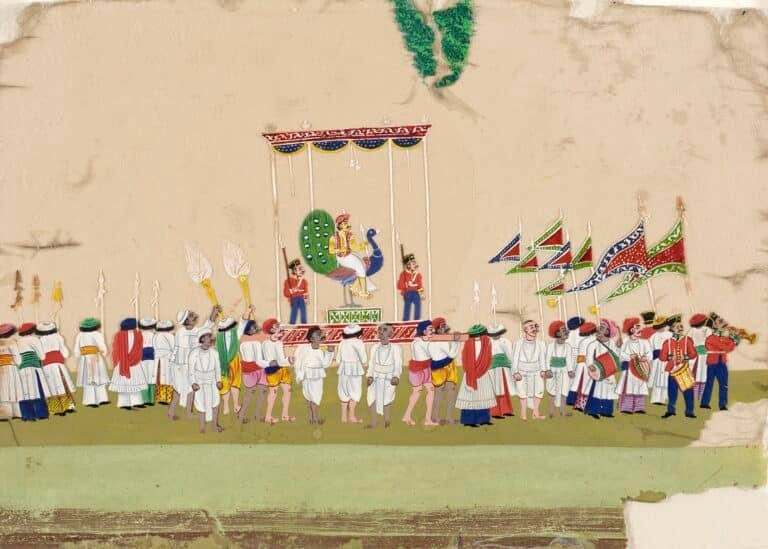
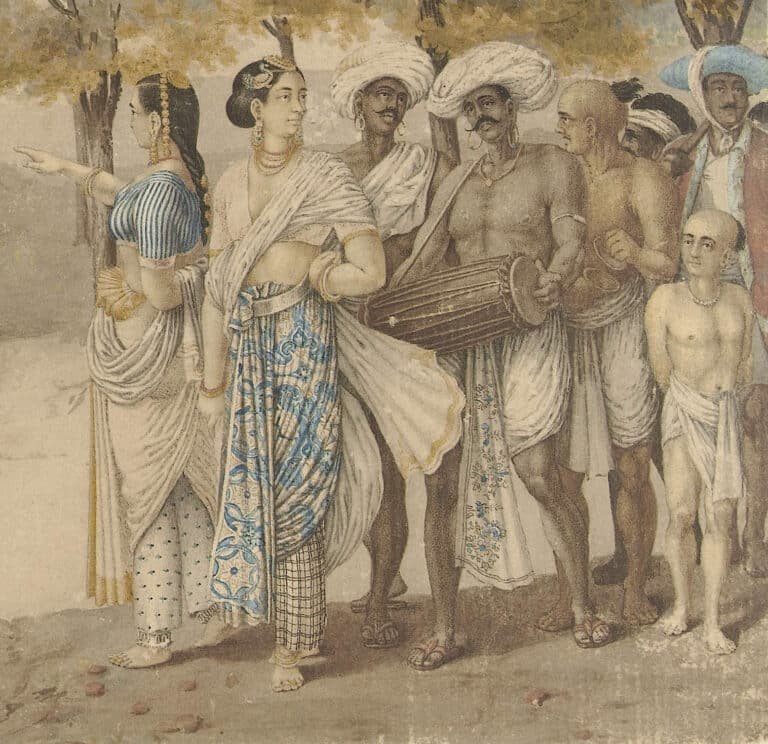
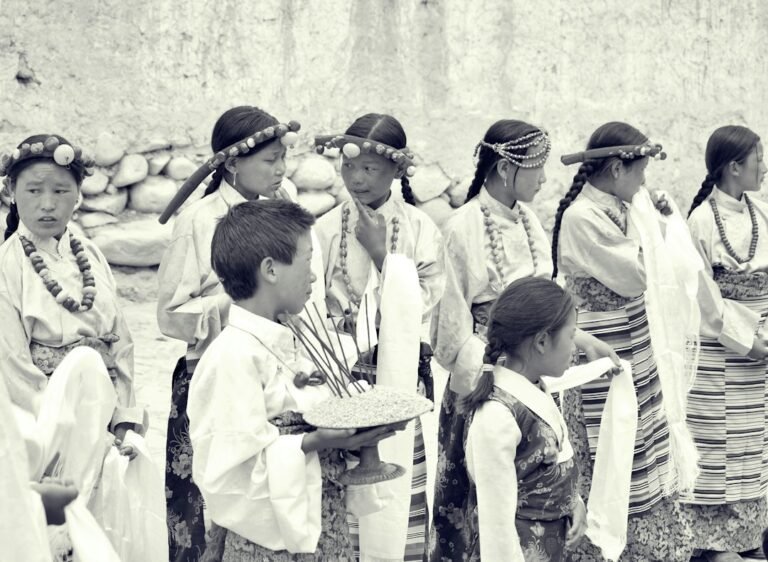
Religious processions move sacred presence, symbols and communities through public space. They can expand shared identity through coordinated movement and visibility, but the same public occupation can mark boundaries and…
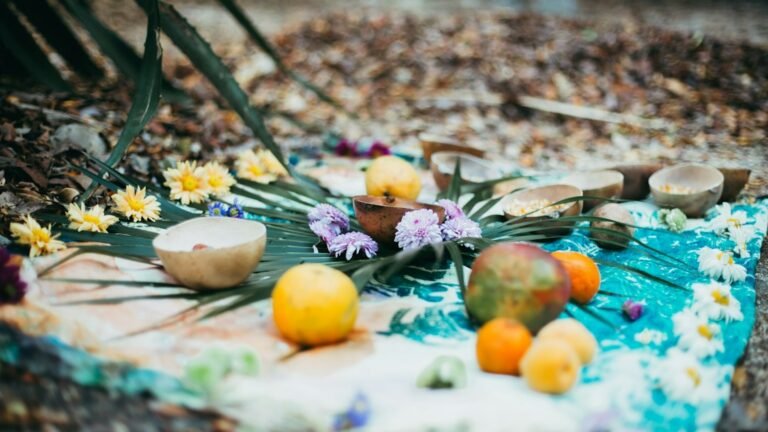
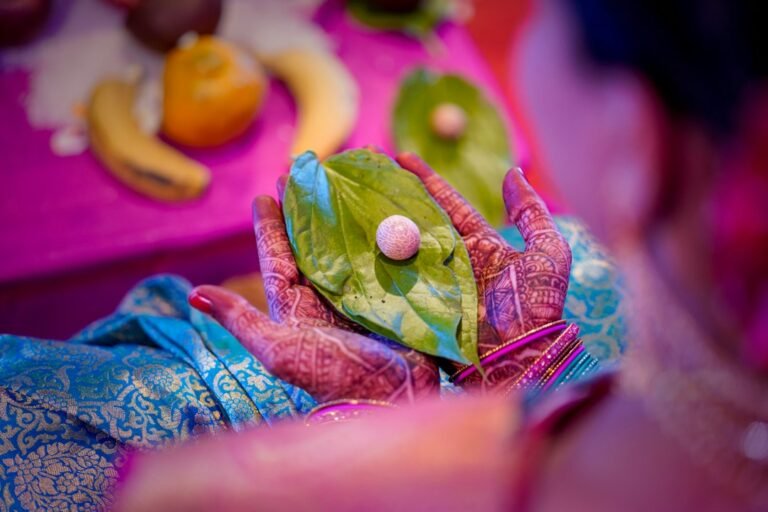
Offerings make relationships with gods, ancestors and sacred powers materially visible. Gifts can express reciprocity, devotion, gratitude, sacrifice and group commitment; costly-signalling models illuminate some public effects but cannot substitute…
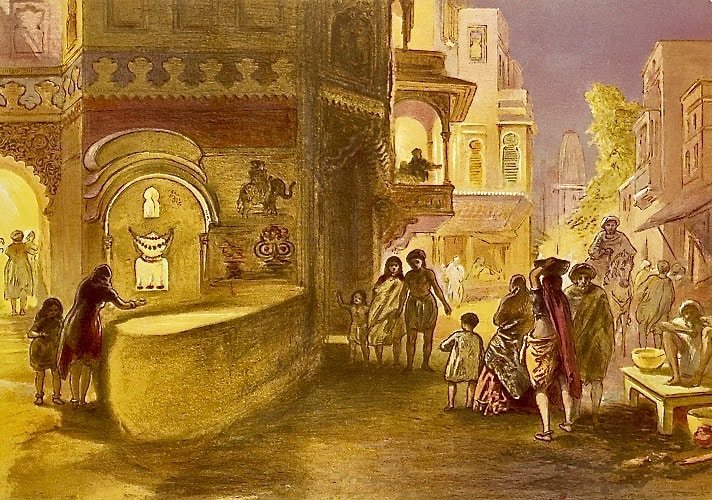
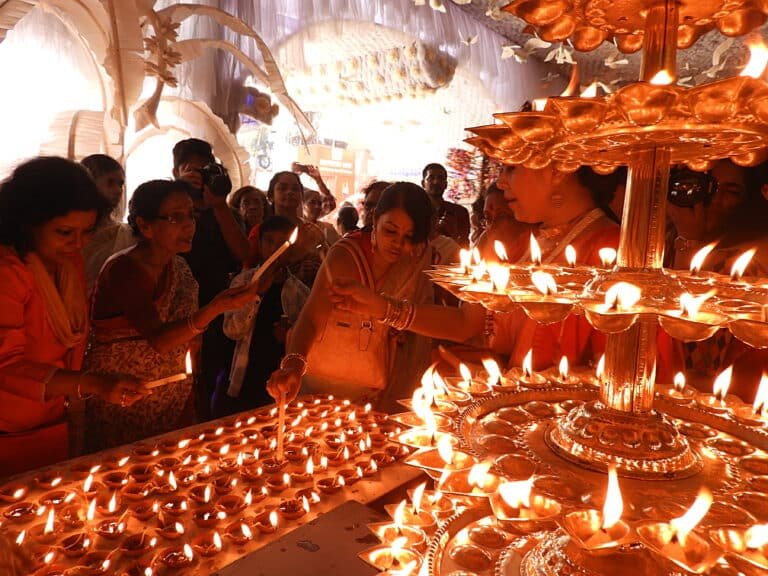
Diwali’s lamps are historically and religiously meaningful symbols whose interpretations vary across Hindu, Jain, Sikh and regional traditions. Light makes sacred time visible and transforms homes and streets; modern science…
Festivals concentrate shared time, symbols, music, food and synchronized action, making community membership unusually visible. Research links co-participation and synchrony with stronger social ties, but cohesion can be inward-facing and…
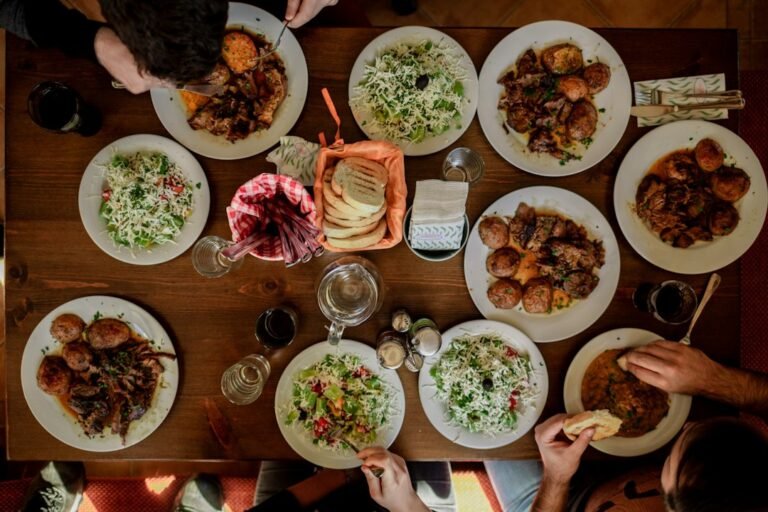
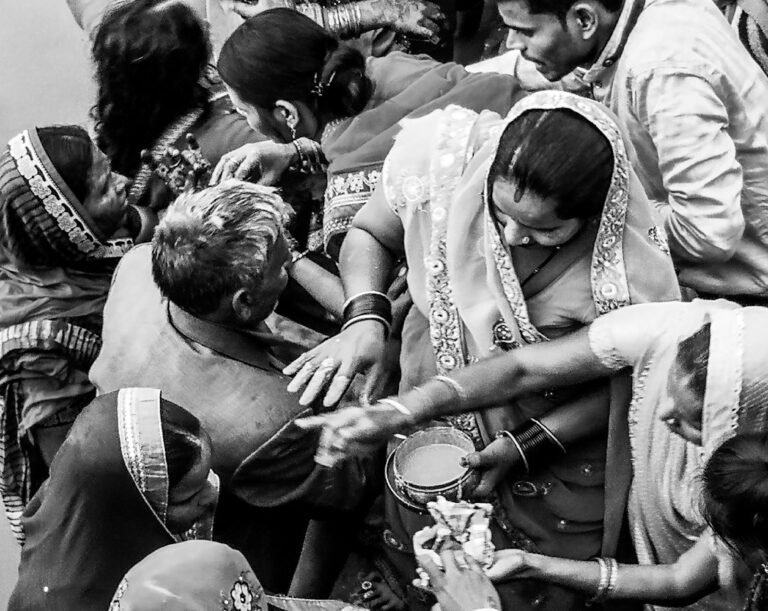
Funeral meals recur because grief disrupts ordinary life while food restores routine, gathers supporters and redistributes the work of care. They can create a structured setting for remembrance and social…
Funerals transform death from a private loss into a publicly recognized social transition. Archaeology shows deep roots for mortuary ritual, while anthropology and grief research support roles in social support,…
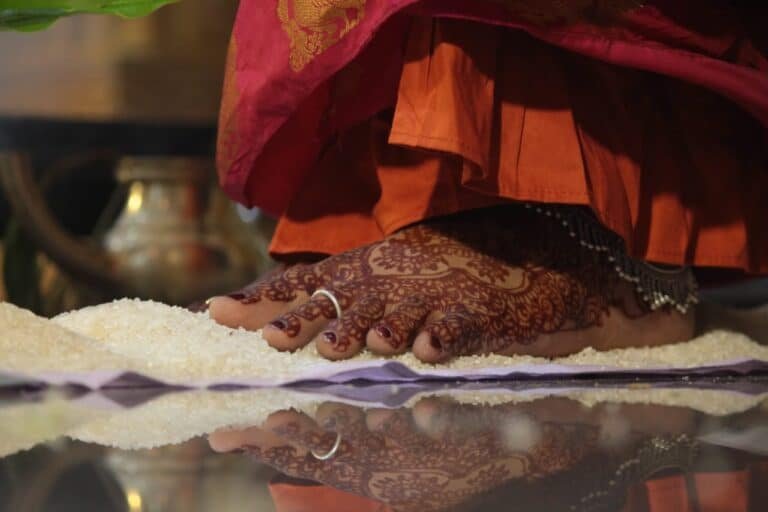
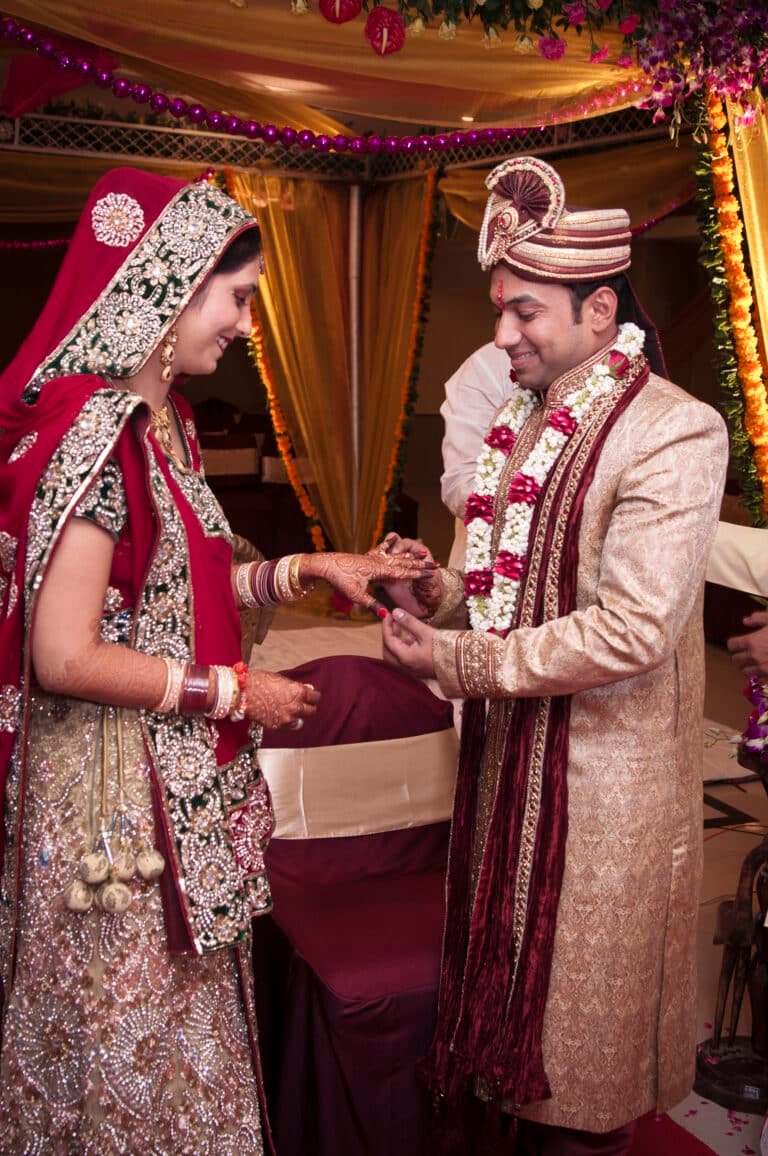
Sacred fire in Hindu weddings is historically a witness, offering medium and divine presence rather than a hidden biomedical technology. Circumambulation and vows make marriage public, memorable and religiously binding;…
Weddings ritualize marriage because marriage reorganizes kinship, property, inheritance, sexuality, residence and public obligations. Ceremony makes a private relationship socially legible; synchrony, witnesses and feasting can strengthen commitment and networks,…
Coming-of-age rituals make an ambiguous biological transition socially explicit. Initiation can teach roles, transmit knowledge and intensify group identity, but costly or coercive rites can also harm participants; their strongest…
Ceremonial naming turns a biological infant into a publicly recognized social person. Cross-cultural naming practices communicate kinship, ancestry, legitimacy, religion and hopes for the child; their strongest mechanisms are social…
Birth rituals turn a biological event into a social transition. Across cultures they provide recognition, support, protection and structure around uncertainty, but their individual practices vary from beneficial caregiving to…
 tradivior