Evidence Supported
Explore by topic, region and evidence
Used when the historical and/or modern evidence strongly supports the central claim being investigated, within clearly stated limits.
-

Why Did Traditional Diets Depend on Staple-and-Pulse Combinations?
Grain–pulse pairings such as rice and dal, maize and beans, or bread and lentils recur because they combine affordable staple energy with protein, fibre and complementary amino-acid profiles. The nutritional…
-

Why Did Mediterranean Communities Eat the Way They Did?
The Mediterranean diet emerged from ecology, agriculture, scarcity, religion and cuisine—not from a single ancient health prescription. Modern evidence, including the reanalysed PREDIMED trial and prospective cohorts, supports cardiovascular benefits…
-
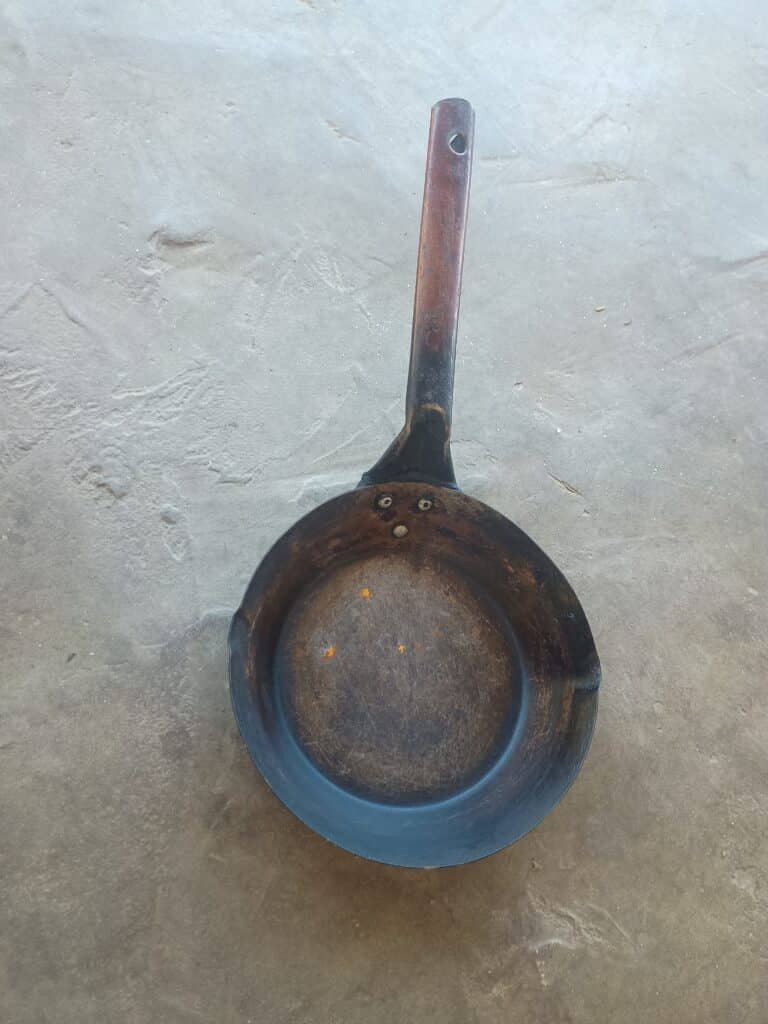
Why Did Indians Cook in Iron Kadai?
Iron cookware can transfer nutritionally meaningful iron into food, especially with acidic, moist and longer-cooked dishes. Human trials suggest it can improve iron intake and sometimes haemoglobin, but effects vary…
-

Why Have Humans Searched for Longevity Through Daily Routines?
Across civilizations, people tried to build long life into ordinary routines. Modern evidence strongly supports the principle—but not the idea that any ancient culture possessed a complete hidden anti-ageing formula.
-
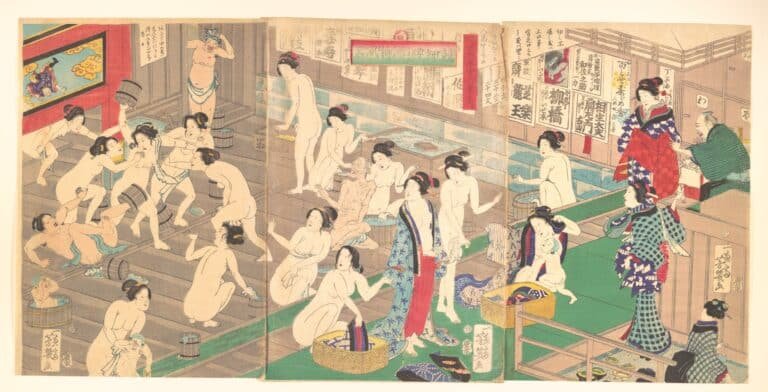
Why Did Japanese Bathing Become More Than Hygiene?
Japanese bathing became more than hygiene through centuries of purification, temple baths, public sento, hot springs and domestic soaking. Modern science supports some benefits of warm-water immersion—but also important risks.
-

Why Did Ancient Indians Scrape Their Tongues?
Tongue scraping is an old Indian oral-care practice with a surprisingly straightforward modern rationale. What do systematic reviews actually say about tongue coating, bad breath and the limits of the…
-
Why Did Farmers Read the Pleiades and Other Stars?
Farmers watched the Pleiades and other stars because seasonal stellar appearances are predictable. Heliacal risings act as annual calendar markers for planting, harvest and travel without implying that stars cause…
-
Why Did Civilizations Build Solstice and Equinox Monuments?
Some ancient monuments genuinely align with seasonal solar events: Stonehenge, Newgrange and Chankillo provide strong examples. But many popular equinox claims are weaker, showing why archaeoastronomy must test geometry, context…
-
Why Do Festivals Move Through the Lunar Calendar?
Religious festivals move on the Gregorian calendar because many remain anchored to lunar or lunisolar systems. Pure lunar calendars drift through the seasons, while lunisolar calendars insert leap months to…
-
Why Did Indian Calendars Track Both Sun and Moon?
Indian lunisolar calendars track both Moon and Sun because twelve lunar months are about eleven days shorter than the solar year. Intercalation, tithi and later astronomical calculations reconcile visible lunar…
-
Why Did Some Traditional Landscapes Depend on Controlled Burning?
Traditional cultural burning used carefully timed, low-intensity fire to shape landscapes, support food and craft resources, and reduce fuel continuity. Modern ecology supports many of these mechanisms, but outcomes depend…
-
Why Do Domes, Vaults and Chambers Change Sacred Sound?
Domes, vaults and chambers measurably alter reverberation, focusing and speech clarity. Sacred sound emerges from architecture, materials and ritual together—not from universally tuned mystical frequencies.