 tradivior
Evidence Supported
Explore by topic, region and evidence
Used when the historical and/or modern evidence strongly supports the central claim being investigated, within clearly stated limits.
-
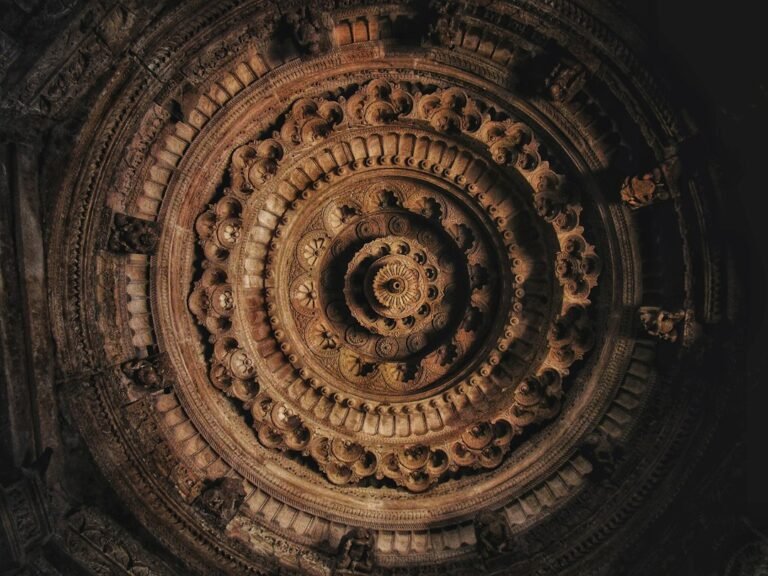
Why Did Stepwells Become Monumental Architecture in India?
Indian stepwells turned groundwater access into monumental public architecture. Their descending form solved seasonal water access while shade, depth and thermal mass created genuinely cooler microclimates.
-

Why Did Ancient Builders Align Sacred Places With Directions?
Ancient sacred places were often aligned to cardinal, solar, stellar or landscape references—but not every dramatic sunrise proves intention. Strong archaeoastronomy combines measurement, chronology, repeated patterns and cultural context.
-
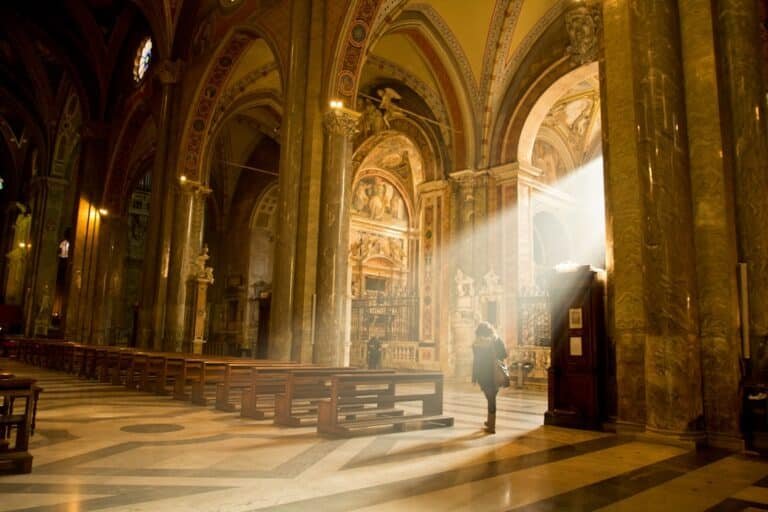
Why Do Sacred Spaces Control Light So Carefully?
Sacred spaces use darkness, filtered daylight, lamps and luminous surfaces to direct attention and shape ritual experience. Modern perception science explains why these strategies work without implying hidden ancient neuroscience.
-
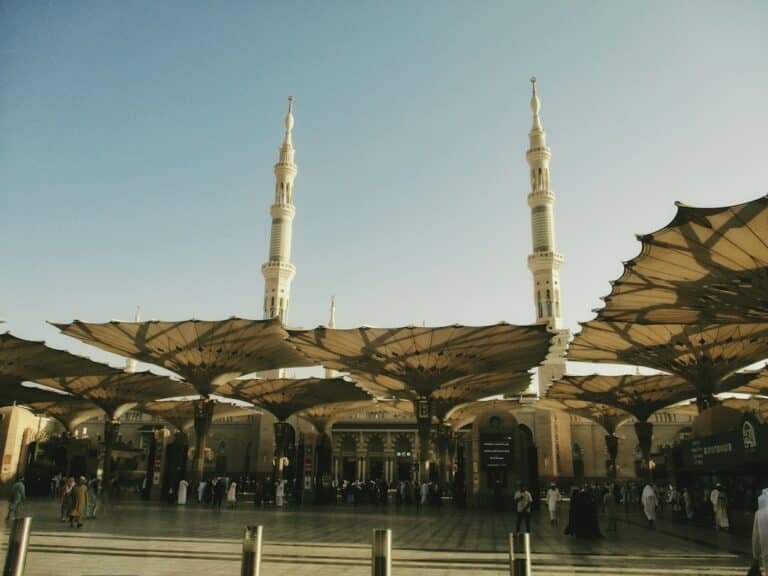
Why Do Mosques Use Courtyards, Domes and Minarets?
Mosque courtyards, domes and minarets developed at different times to serve congregation, prayer orientation, ablution, sound, climate and public visibility. Modern acoustics confirms real effects, including that domes can sometimes…
-

Why Were Indian Temples Designed the Way They Were?
Indian temples evolved through ritual, theology, craft, patronage, regional materials and urban life. Modern acoustics and thermal science confirm real architectural effects, but popular claims about universal energy fields and…
-

Why Do Sacred Buildings Reach Upward?
Sacred buildings reach upward because height makes religious institutions visible, marks sacred centres and creates awe. Psychology supports associations between verticality and power, but the pattern does not require a…
-
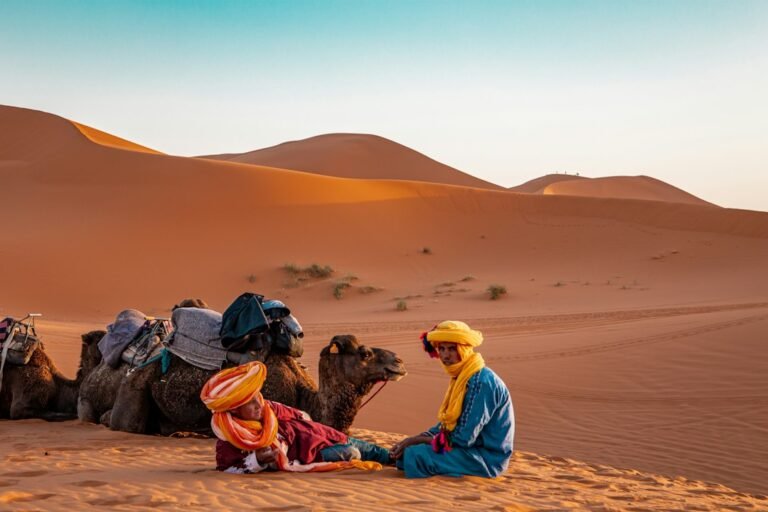
Why Did Traditional Clothing Evolve Around Climate and Work?
Traditional clothing evolved through climate, labour, local fibres, trade and social rules. Thermal science strongly supports the importance of insulation, airflow, evaporation and garment geometry, but no single fibre or…
-

Why Did Humans Tattoo the Body?
Tattooing turns skin into a permanent social surface. Across cultures it has marked identity, initiation, rank, protection, punishment, memory and belonging; its permanence makes those signals powerful while also creating…
-

Why Did Humans Wear Jewellery?
Jewellery is one of humanity’s oldest symbolic technologies. Early shell beads predate agriculture by tens of thousands of years, and later ornaments communicate identity, status, alliance, devotion, wealth and memory.
-

Why Does Eating Together Build Trust?
Shared meals can build trust by combining food sharing, similarity, conversation, synchrony and repeated interaction. Experiments support some direct effects, while broader family-meal benefits remain largely correlational.
-

Why Do Kinship Systems Give Different Roles to Maternal and Paternal Relatives?
Kinship systems assign different roles to maternal and paternal relatives because descent, inheritance, residence and care are socially organized. Biology may influence some investment patterns, but culture can amplify or…
-

Why Do People Exchange Gifts?
Gift exchange binds people through reciprocity, alliance, prestige, obligation and memory. Modern research also suggests giving can improve well-being under some conditions, but gifts are not simply altruism or disguised…