 tradivior
Primarily Symbolic/Cultural
Explore by topic, region and evidence
Used when the strongest surviving explanation is religious, symbolic, social or cultural meaning rather than a demonstrated material or biomedical effect.
-
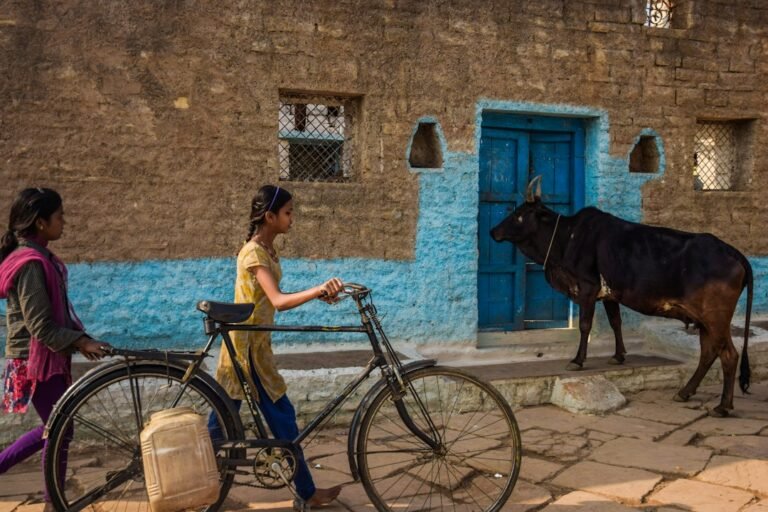
Why Is the Cow Sacred in India?
The sacred cow developed through layers of cattle economics, ahiṃsā, dairy and ritual, Krishna devotion and later cow-protection politics. No single ecological or theological theory explains the full history.
-
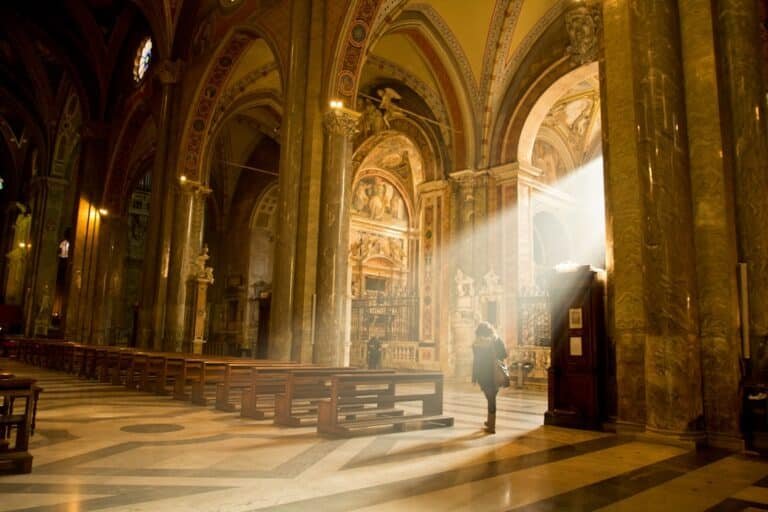
Why Do Sacred Spaces Control Light So Carefully?
Sacred spaces use darkness, filtered daylight, lamps and luminous surfaces to direct attention and shape ritual experience. Modern perception science explains why these strategies work without implying hidden ancient neuroscience.
-

Why Did Churches Develop Naves, Apses and Bell Towers?
Church naves and apses developed largely from Roman basilica architecture, while bell towers arrived later as sound and signalling infrastructure. Liturgy, pilgrimage, relics and symbolism gradually transformed these practical forms.
-

Why Were Buddhist Stupas Designed for Circumambulation?
Buddhist stupas organize devotion around an inaccessible sacred centre. Railings, gateways and chaitya aisles make clockwise circumambulation an intentional ritual path that combines relic veneration, spatial order and embodied attention.
-
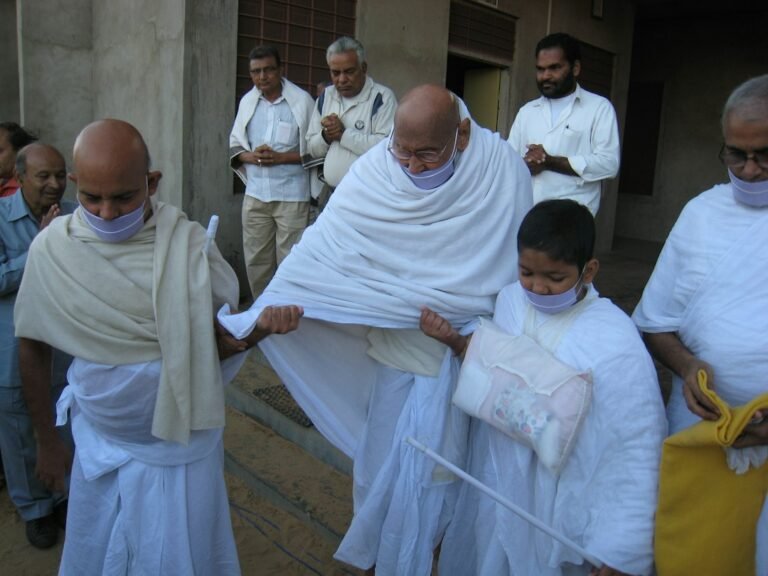
Why Do Mourning Clothes Change Colour Across Cultures?
Mourning colours differ because their main function is social rather than biological. Black, white and other mourning palettes make grief and changed status publicly visible, while the specific colour depends…
-

Why Did Bangles, Anklets and Nose Rings Become Social Signals in South Asia?
Bangles, anklets and nose rings became powerful social signals in South Asia because they marked marriage, region, wealth, community and life stage. Archaeology strongly supports symbolic roles; popular circulation and…
-
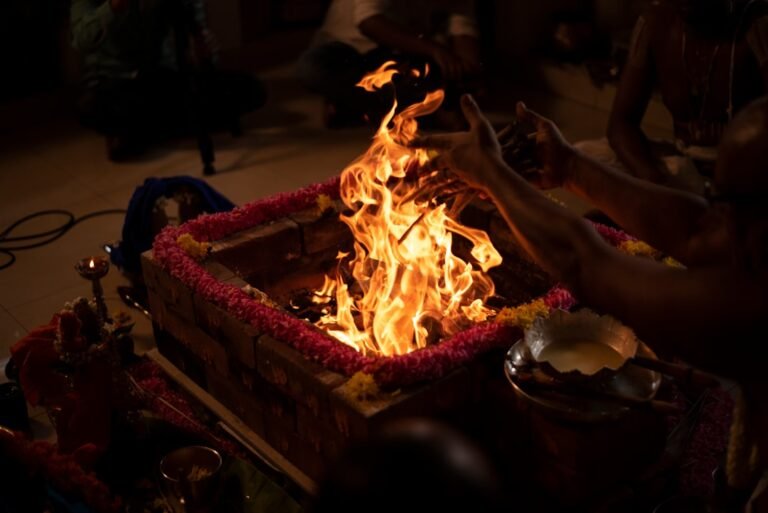
Why Do Some Hindus Wear the Sacred Thread?
The Hindu sacred thread is historically tied to upanayana, Vedic study, ritual eligibility and social identity. Its documented significance is educational and symbolic; modern claims about nerves, blood pressure or…
-
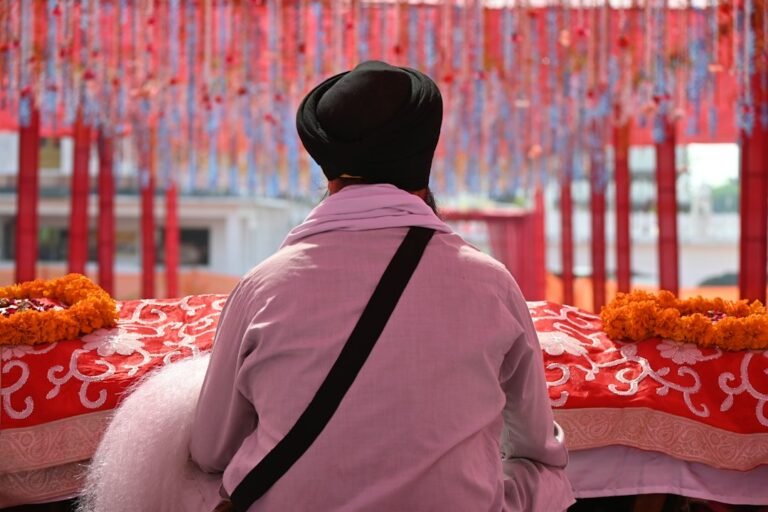
Why Do Religions Cover the Head in Worship?
Religious head coverings across Judaism, Christianity, Islam and Sikhism express different combinations of reverence, modesty, discipline and identity. Their strongest effects are social and psychological, not a universal hidden physiological…
-
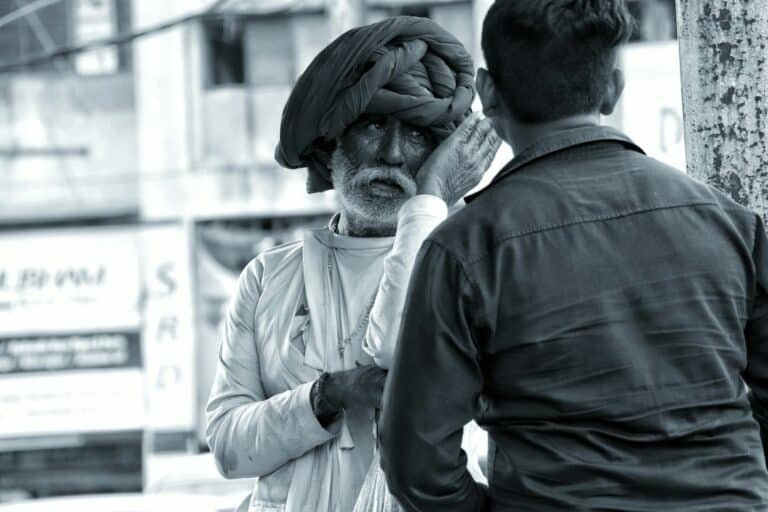
Why Do Sikhs Keep Uncut Hair and Wear the Turban?
Uncut hair and the turban make Khalsa discipline and Sikh identity continuously visible. Their strongest evidence is historical and social: commitment, dignity, solidarity and public recognition—not claims about hidden neurological…
-
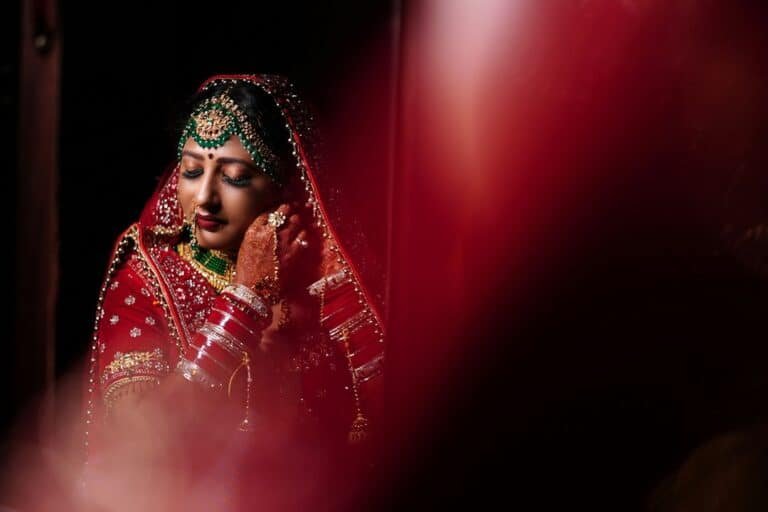
Why Do Married Indian Women Wear Sindoor, Mangalsutra and Other Marriage Markers?
Sindoor, mangalsutra, thali, bangles and toe rings are regionally varied marriage markers that make marital identity visible. Their strongest meanings are social, ritual and economic; many modern biomedical claims are…
-
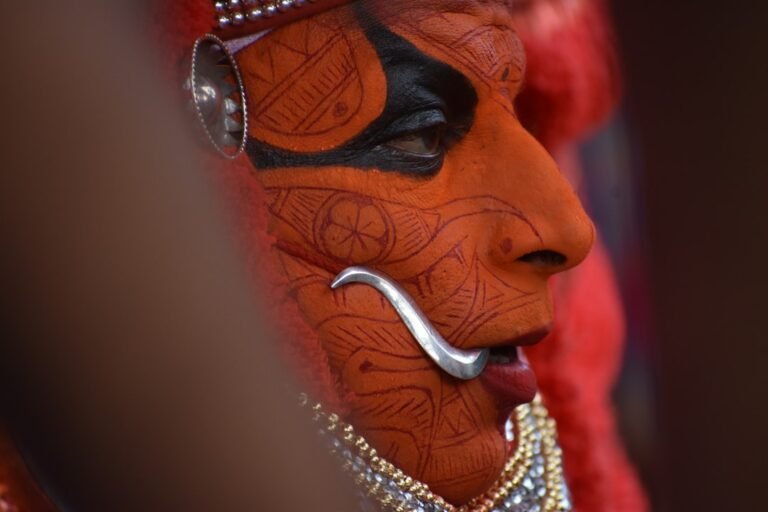
Why Do Hindus Mark the Forehead With Tilak, Bindi or Vibhuti?
Tilak, bindi and vibhuti are varied Hindu forehead-marking traditions that communicate sectarian identity, devotion and ritual participation. Some materials affect the skin, but claims of direct pineal or pituitary activation…
-

Why Do Humans Organize Themselves Into Castes, Clans and Lineages?
Lineages and clans organize descent, inheritance and alliance; caste became a more restrictive inherited social boundary shaped by endogamy, occupation, status and power. Genetics reveals the effects of endogamy but…