Primarily Symbolic/Cultural
Explore by topic, region and evidence
Used when the strongest surviving explanation is religious, symbolic, social or cultural meaning rather than a demonstrated material or biomedical effect.
-
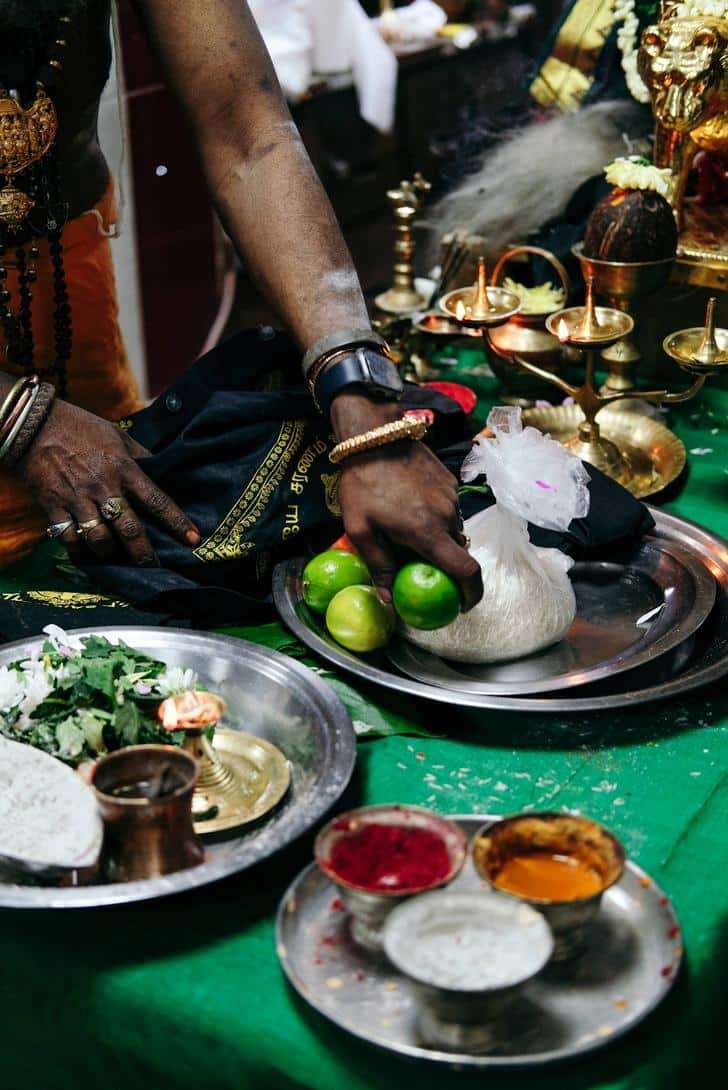
Why Do Humans Make Offerings to the Sacred?
Offerings make relationships with gods, ancestors and sacred powers materially visible. Gifts can express reciprocity, devotion, gratitude, sacrifice and group commitment; costly-signalling models illuminate some public effects but cannot substitute…
-
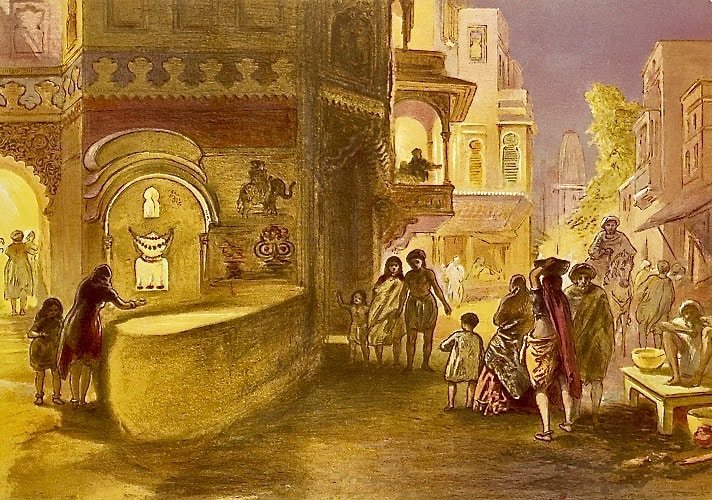
Why Is Diwali Built Around Light?
Diwali’s lamps are historically and religiously meaningful symbols whose interpretations vary across Hindu, Jain, Sikh and regional traditions. Light makes sacred time visible and transforms homes and streets; modern science…
-
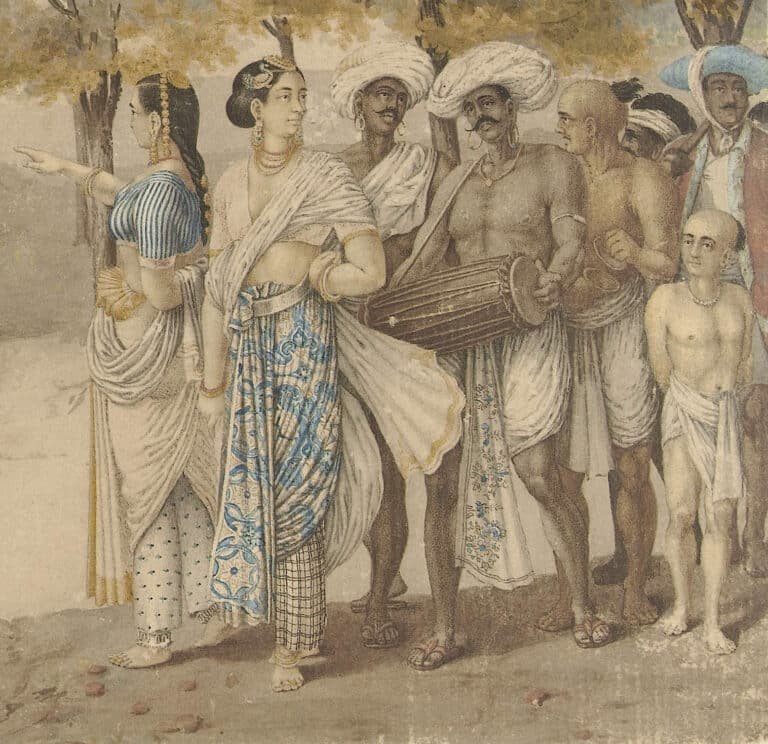
Why Do Humans Hold Funerals?
Funerals transform death from a private loss into a publicly recognized social transition. Archaeology shows deep roots for mortuary ritual, while anthropology and grief research support roles in social support,…
-
Why Do Mourners Gather to Eat?
Funeral meals recur because grief disrupts ordinary life while food restores routine, gathers supporters and redistributes the work of care. They can create a structured setting for remembrance and social…
-
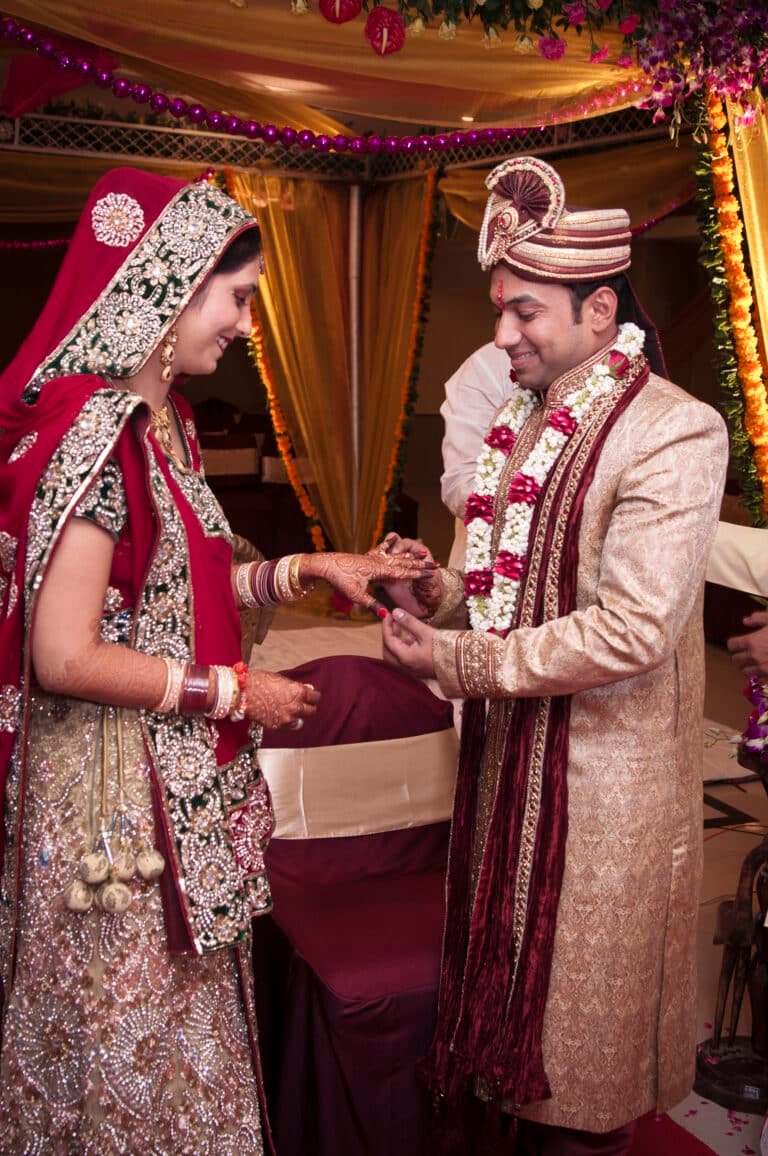
Why Do Weddings Need Ritual?
Weddings ritualize marriage because marriage reorganizes kinship, property, inheritance, sexuality, residence and public obligations. Ceremony makes a private relationship socially legible; synchrony, witnesses and feasting can strengthen commitment and networks,…
-
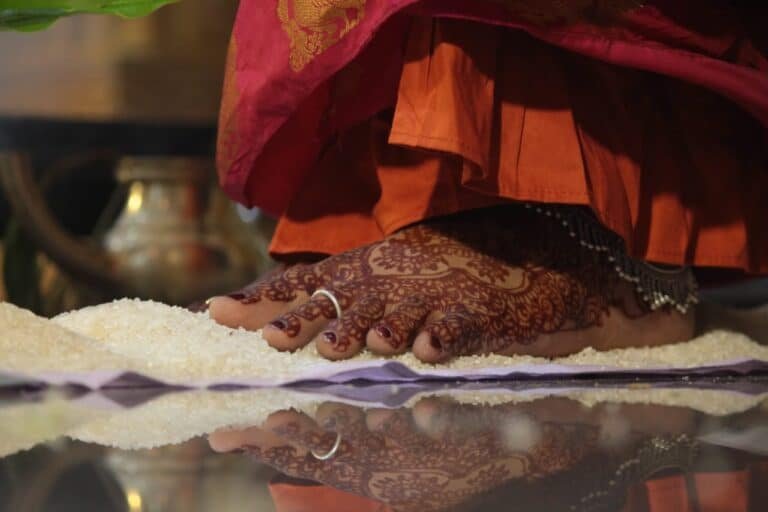
Why Did Indians Circle Sacred Fire at Weddings?
Sacred fire in Hindu weddings is historically a witness, offering medium and divine presence rather than a hidden biomedical technology. Circumambulation and vows make marriage public, memorable and religiously binding;…
-
Why Do Cultures Name Children Ceremonially?
Ceremonial naming turns a biological infant into a publicly recognized social person. Cross-cultural naming practices communicate kinship, ancestry, legitimacy, religion and hopes for the child; their strongest mechanisms are social…
-
Why Do Humans Create Coming-of-Age Rituals?
Coming-of-age rituals make an ambiguous biological transition socially explicit. Initiation can teach roles, transmit knowledge and intensify group identity, but costly or coercive rites can also harm participants; their strongest…
-
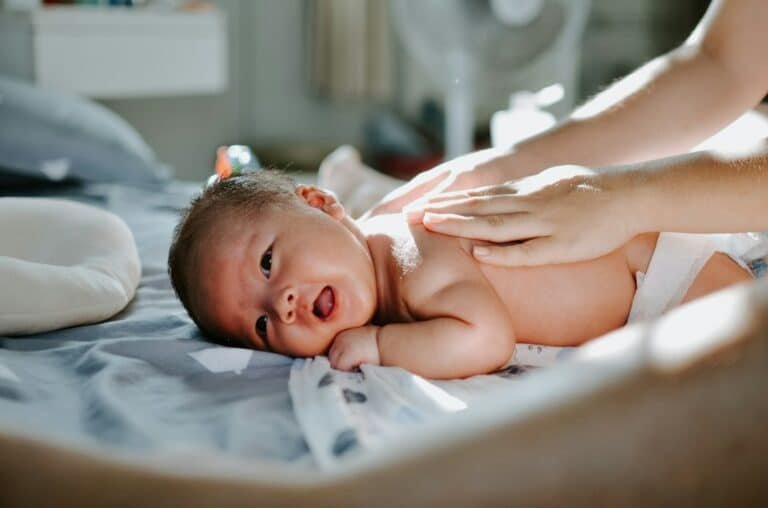
Why Do Humans Create Birth Rituals?
Birth rituals turn a biological event into a social transition. Across cultures they provide recognition, support, protection and structure around uncertainty, but their individual practices vary from beneficial caregiving to…
-
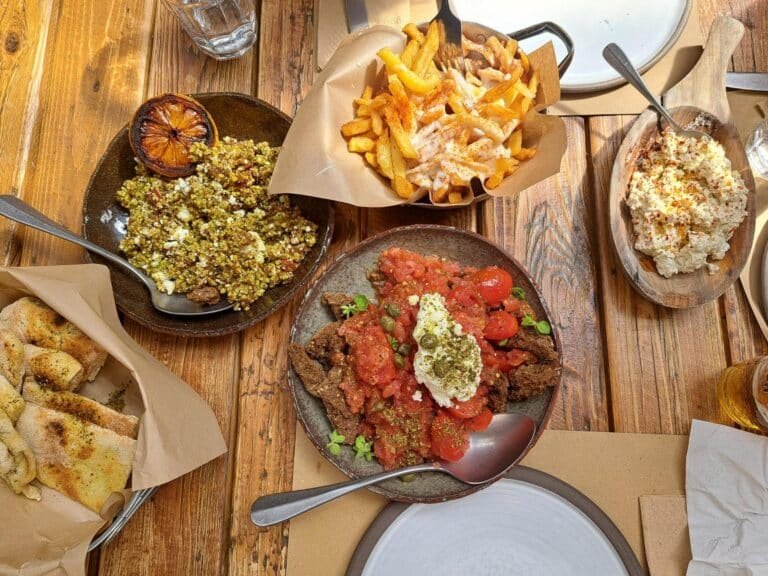
Why Do Religions Regulate Meat?
Religions regulate meat because killing animals, blood, purity, sacrifice and communal identity carry unusually high moral weight. Some rules may have ecological or safety consequences, but Jewish, Islamic, Hindu, Jain,…
-
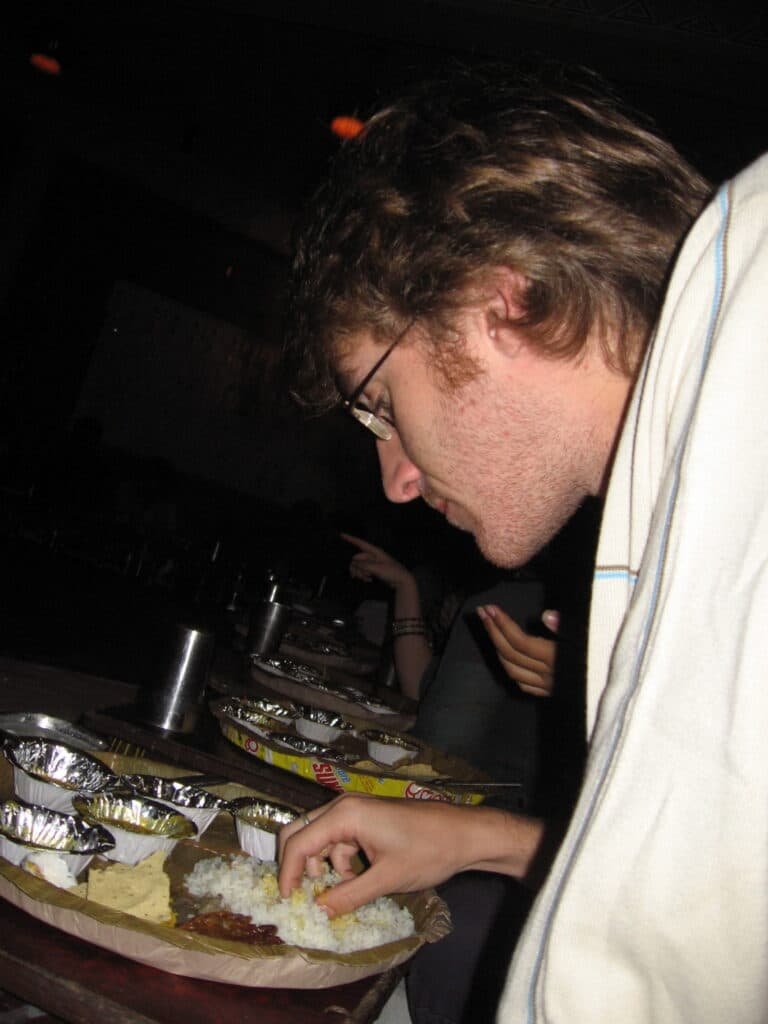
Why Did Indians Traditionally Eat With Their Hands?
Indian hand-eating is a highly developed culinary and etiquette system suited to foods such as rice, dal, vegetables and flatbreads. Touch can enrich sensory perception, but modern claims about five…
-
Why Did People Eat With Their Hands?
Eating with the hands persisted across sophisticated cuisines because it is practical, culturally encoded and sensorially rich—not because utensils were unknown. Touch can influence food perception, but claims that fingers…