 tradivior
Primarily Symbolic/Cultural
Explore by topic, region and evidence
Used when the strongest surviving explanation is religious, symbolic, social or cultural meaning rather than a demonstrated material or biomedical effect.
-
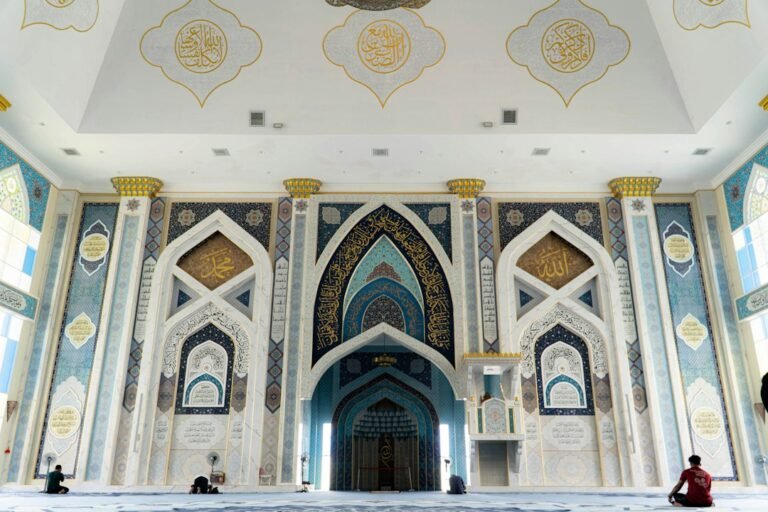
Why Did Some Societies Separate Men and Women in Public and Ritual Life?
Gender-segregated spaces have served ritual order, modesty, status, labour, privacy and control of sexuality. Their modern consequences depend heavily on choice, equal access and whether separation is voluntary or coercive.
-
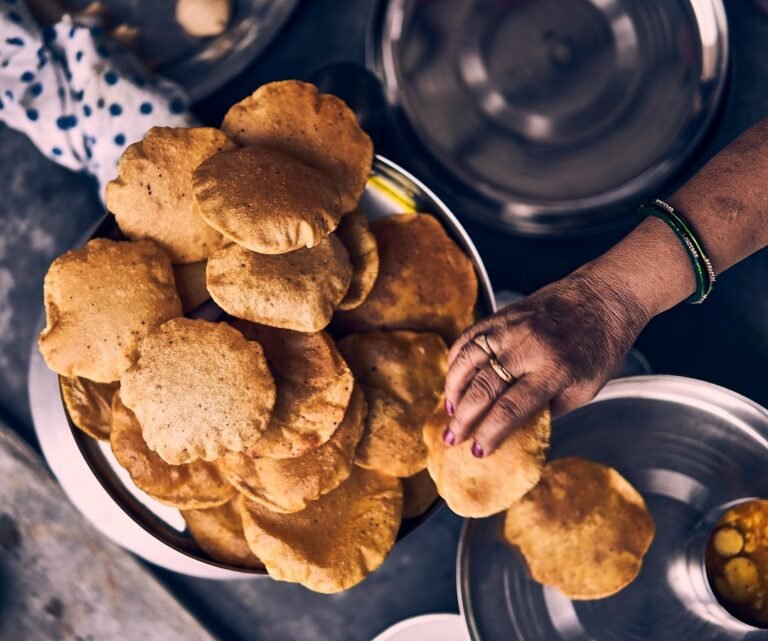
Why Do Communities Treat Hospitality as a Moral Obligation?
Hospitality became a moral obligation because strangers create both risk and opportunity. Guest-host codes reduce uncertainty, protect travellers, build reputation and create reciprocal relationships beyond kin.
-
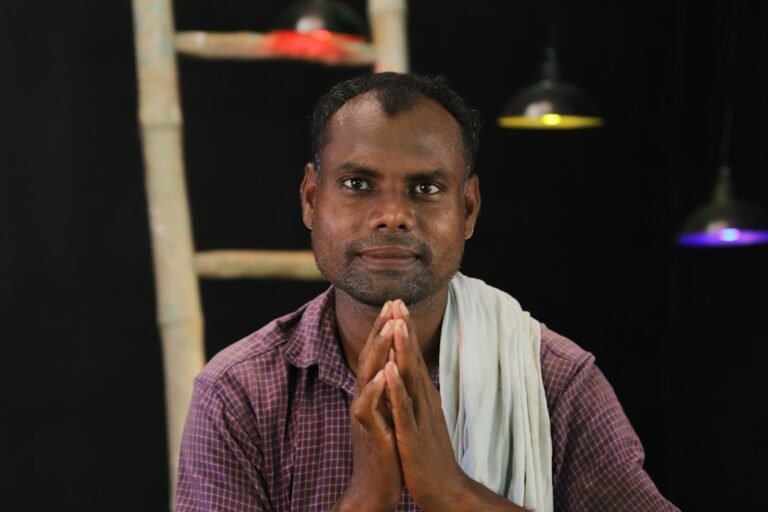
Why Did Namaste Become a Gesture of Respect in India?
Namaste combines an ancient Sanskrit salutation with the joined-hand añjali gesture. Its historical strength is social and religious respect; its contact-free form has a real modern hygiene advantage without proving…
-
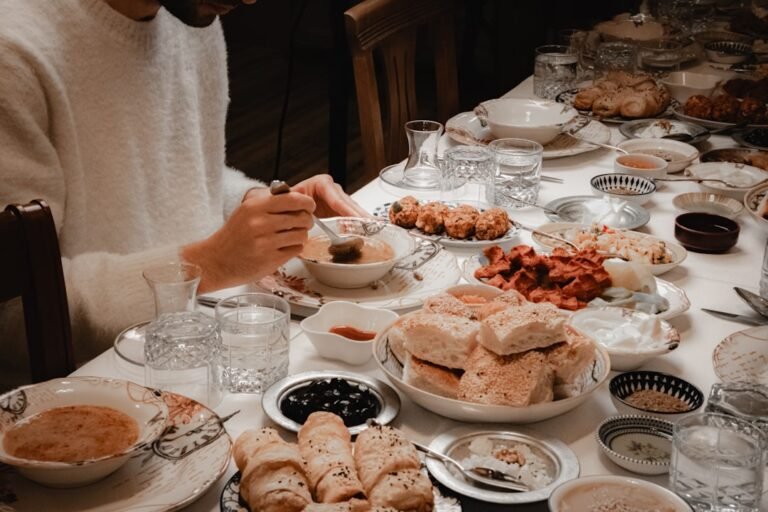
Why Is Feeding the Guest a Sacred Duty in So Many Cultures?
Feeding guests became a sacred duty across many cultures because hospitality reduces uncertainty, creates trust and extends protection beyond kin. The same norm can also produce status pressure and unequal…
-
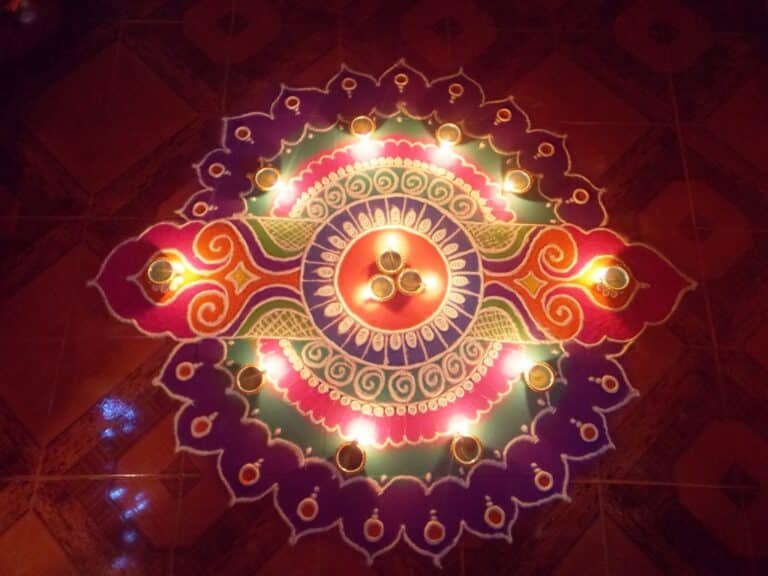
Why Do Indian Households Draw Rangoli or Kolam at the Threshold?
Rangoli and kolam are living threshold arts of auspiciousness, hospitality and geometric skill. Their cognitive richness is real, but modern claims about hidden physics, universal pest control or encoded advanced…
-
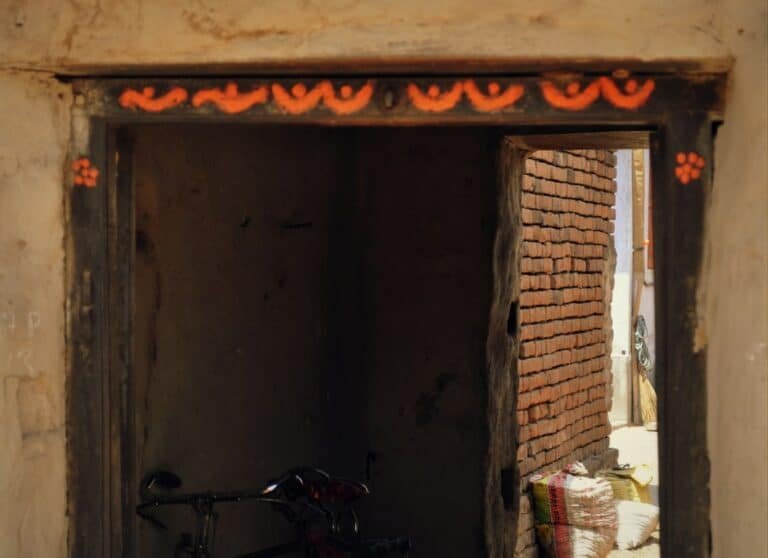
Why Do Indian Homes Decorate the Doorway With Torans?
Toran doorway decorations mark welcome, auspiciousness and ritual preparation across Indian homes. Plant chemistry offers limited side mechanisms, while modern air-purification claims exceed the evidence—and marigold itself is a later…
-
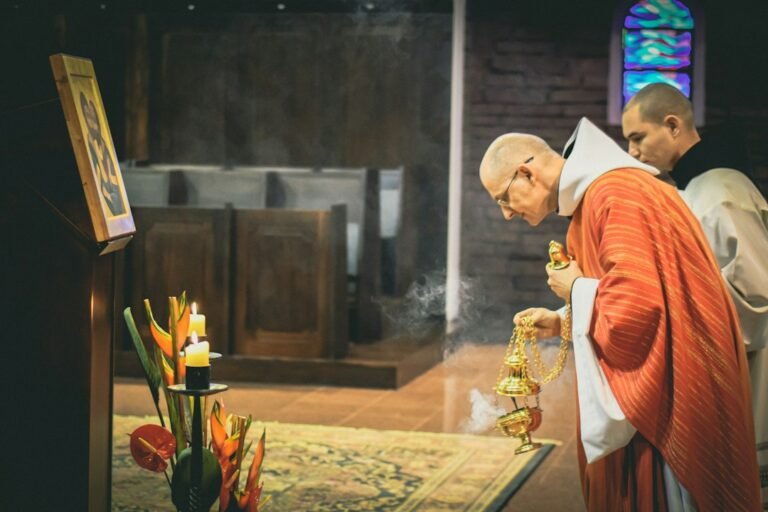
Why Do Monastics Keep Vigils and Stay Awake at Night?
Religious vigils transform wakefulness into prayer, study and sacrifice. Sleep science explains why nights can feel intense while showing that lost sleep generally impairs attention and memory rather than enhancing…
-
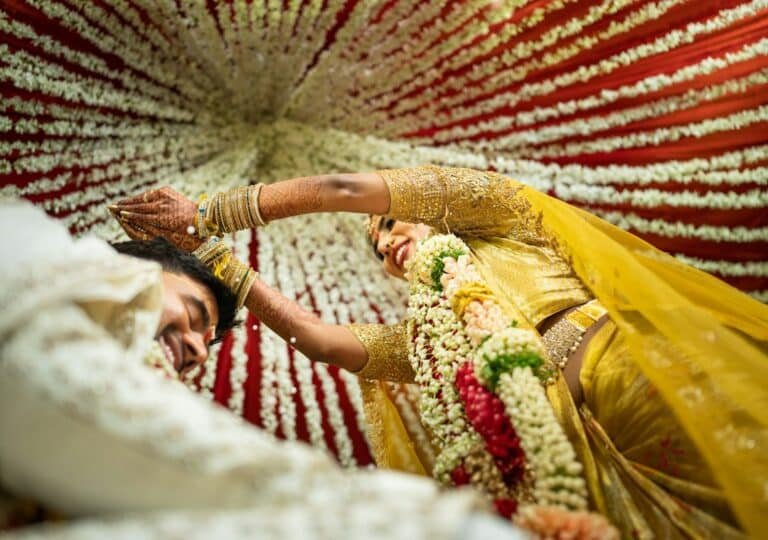
Why Do Indians Touch the Feet of Elders and Gurus?
Touching the feet of elders and gurus is often described today using sweeping claims about energy or nerves. Tradivior will separate those modern explanations from the practice’s historical logic of…
-
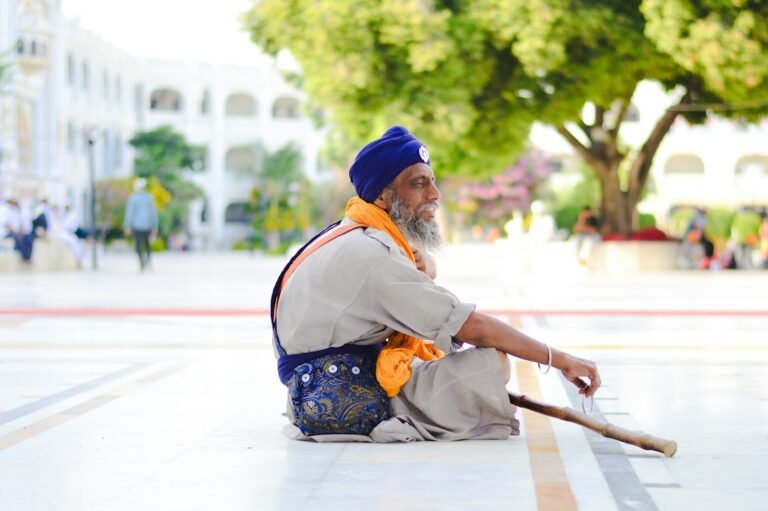
Why Do Sikhs Bow Before the Guru Granth Sahib?
In Sikh practice, bowing before the Guru Granth Sahib expresses reverence toward the Guru embodied in scripture. Tradivior will investigate the history of this relationship and what embodied deference does…
-
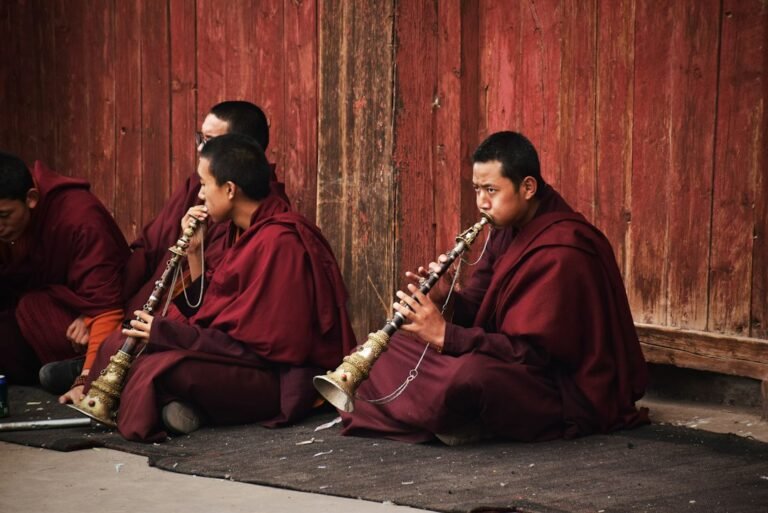
Why Do Buddhists Make Prostrations?
Prostration appears across Buddhist traditions as reverence, training and deliberate lowering of the self. Tradivior will compare its meanings across regions and ask what repetitive full-body ritual may do to…
-
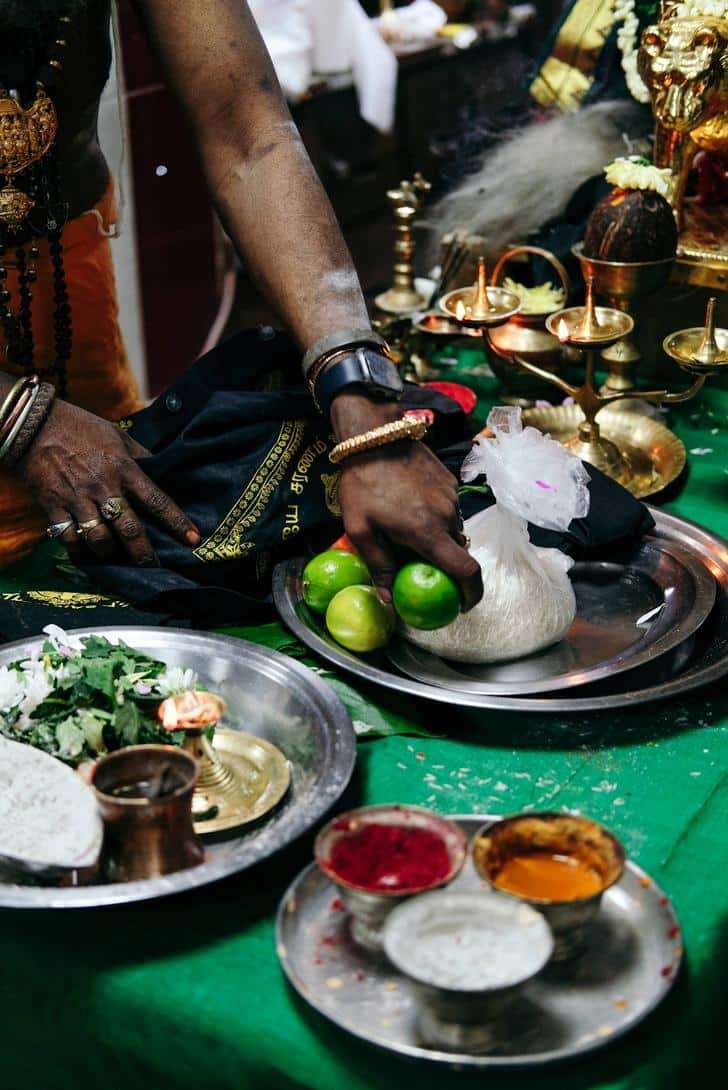
Why Do Hindus Perform Puja With Lamps, Water, Flowers and Food?
Puja brings together light, water, scent, food, touch and gesture in a highly structured act of worship. Tradivior will trace how these offerings developed, what they mean within Hindu traditions,…