 tradivior
Cross-Civilization
Explore by topic, region and evidence
Comparative investigations that trace a practice, symbol or human problem across multiple civilizations without assuming a single origin.
-

Why Did So Many Cultures Practice Postpartum Confinement?
Why did cultures across the world create protected periods after childbirth? The strongest insight may be social rather than mystical: recovery, food and redistributed labour—alongside restrictions whose benefits are far…
-

Why Did People Squat to Rest, Work and Use the Toilet?
Squatting was once an ordinary way to work, rest and use the toilet. Modern biomechanics helps explain its advantages—and why claims that it is universally healthier go too far.
-
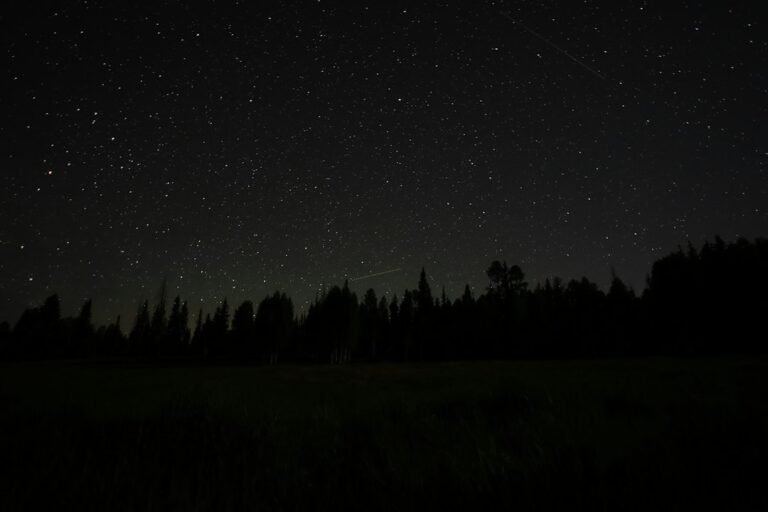
Why Did Farmers Read the Pleiades and Other Stars?
Farmers watched the Pleiades and other stars because seasonal stellar appearances are predictable. Heliacal risings act as annual calendar markers for planting, harvest and travel without implying that stars cause…
-
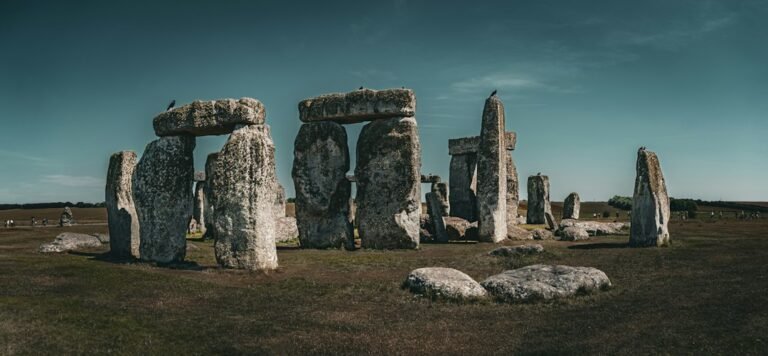
Why Did Civilizations Build Solstice and Equinox Monuments?
Some ancient monuments genuinely align with seasonal solar events: Stonehenge, Newgrange and Chankillo provide strong examples. But many popular equinox claims are weaker, showing why archaeoastronomy must test geometry, context…
-

Why Do Festivals Move Through the Lunar Calendar?
Religious festivals move on the Gregorian calendar because many remain anchored to lunar or lunisolar systems. Pure lunar calendars drift through the seasons, while lunisolar calendars insert leap months to…
-
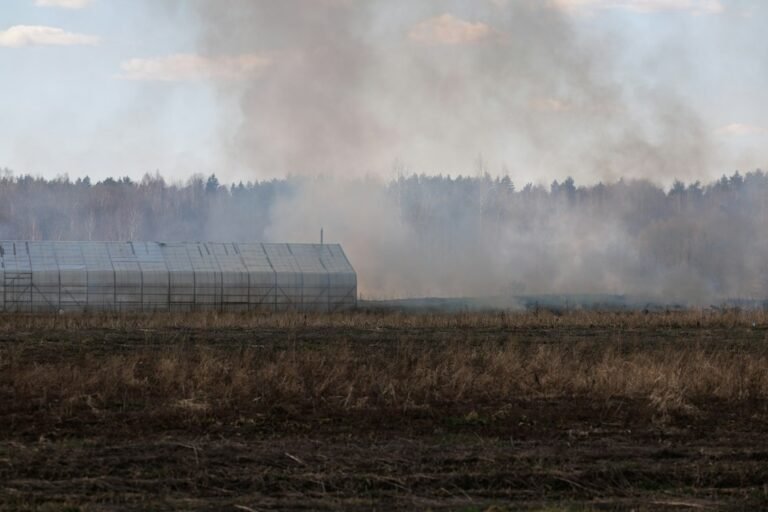
Why Did Some Traditional Landscapes Depend on Controlled Burning?
Traditional cultural burning used carefully timed, low-intensity fire to shape landscapes, support food and craft resources, and reduce fuel continuity. Modern ecology supports many of these mechanisms, but outcomes depend…
-
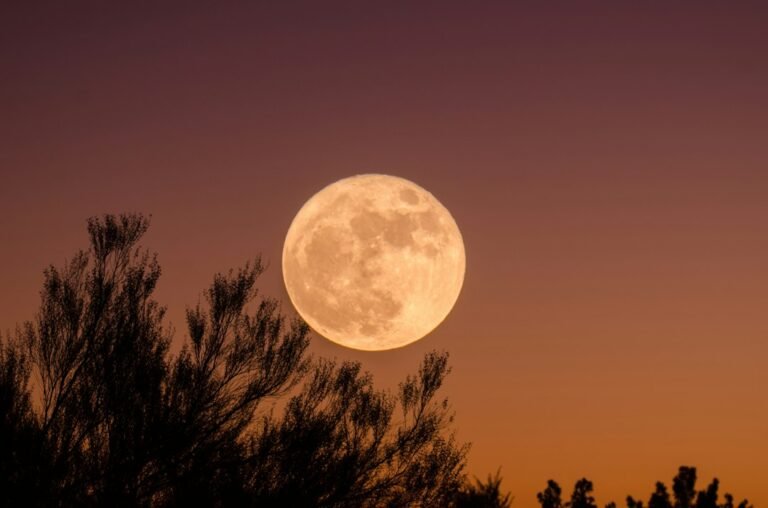
Why Did Humans Watch the Moon So Closely?
Humans watched the Moon because it was genuinely useful: a visible calendar, source of night illumination, tidal marker and ecological cue. Modern science strongly supports those functions while rejecting many…
-
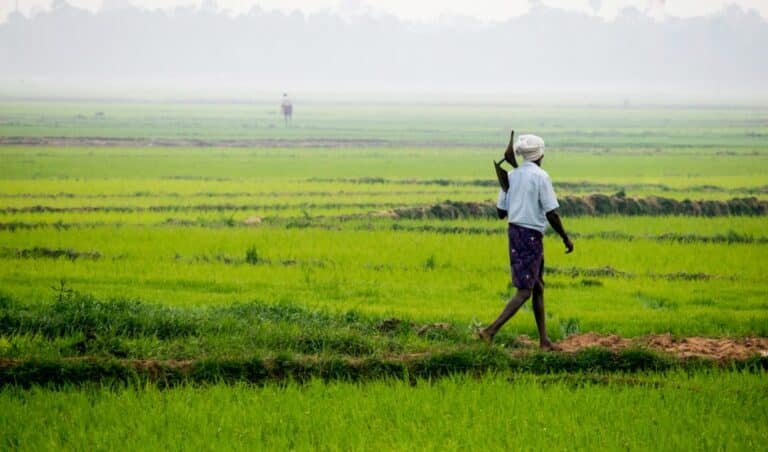
Why Did Traditional Farmers Read Birds, Insects and Plants as Weather Signs?
Traditional farmers read birds, insects, plants, clouds and winds because many respond to real environmental change. Some local signs are useful, but accuracy varies and climate change can weaken old…
-
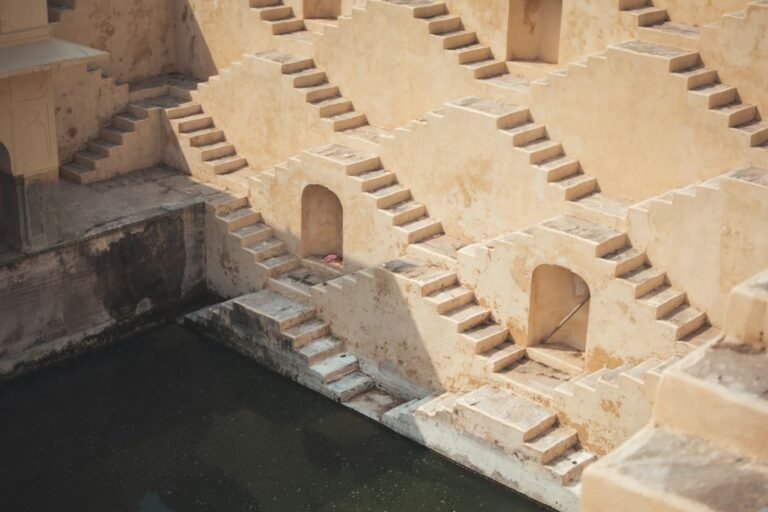
Why Did Communities Protect Water Sources Through Ritual Rules?
Ritual rules can protect springs, wells and tanks by preserving catchments, restricting contamination and coordinating maintenance. Their ecological value is real, but purity rules have also sometimes enforced unequal access.
-
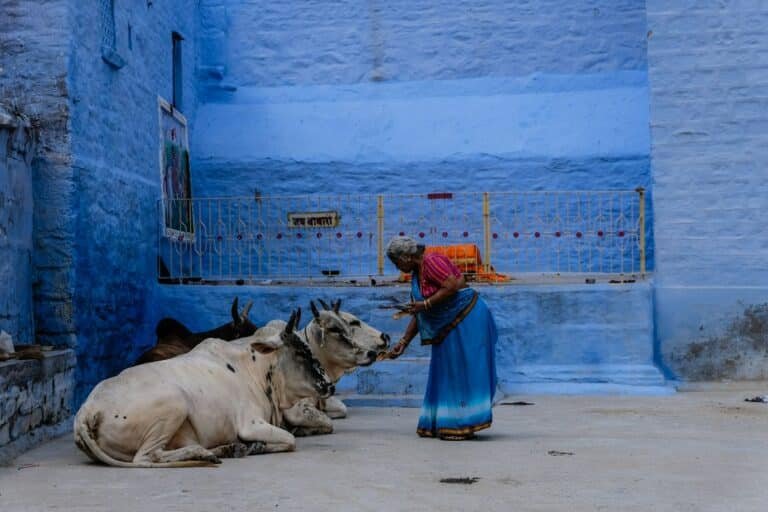
Why Are Certain Animals Sacred or Taboo?
Sacred and taboo animals can be protected, sacrificed, feared or avoided for very different reasons. Modern evidence shows some taboos reduce hunting pressure, but conservation should not be assumed to…
-
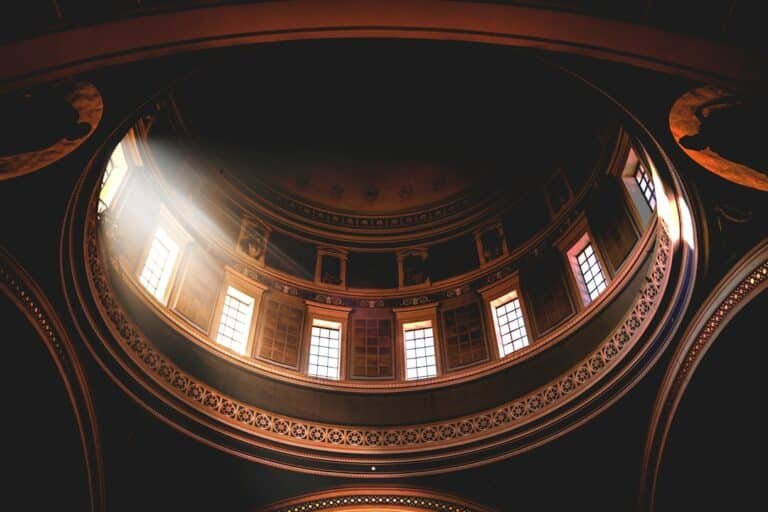
Why Do Domes, Vaults and Chambers Change Sacred Sound?
Domes, vaults and chambers measurably alter reverberation, focusing and speech clarity. Sacred sound emerges from architecture, materials and ritual together—not from universally tuned mystical frequencies.
-
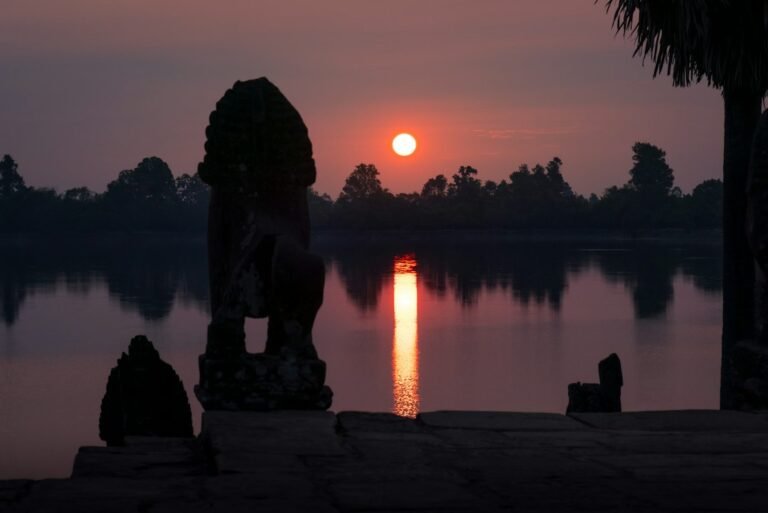
Why Did Ancient Builders Align Sacred Places With Directions?
Ancient sacred places were often aligned to cardinal, solar, stellar or landscape references—but not every dramatic sunrise proves intention. Strong archaeoastronomy combines measurement, chronology, repeated patterns and cultural context.